Energy Star HVAC Equipment Worth the Premium
Learn when Energy Star HVAC equipment pays for itself through lower utility bills and tax credits—and when a standard system might be the smarter buy.
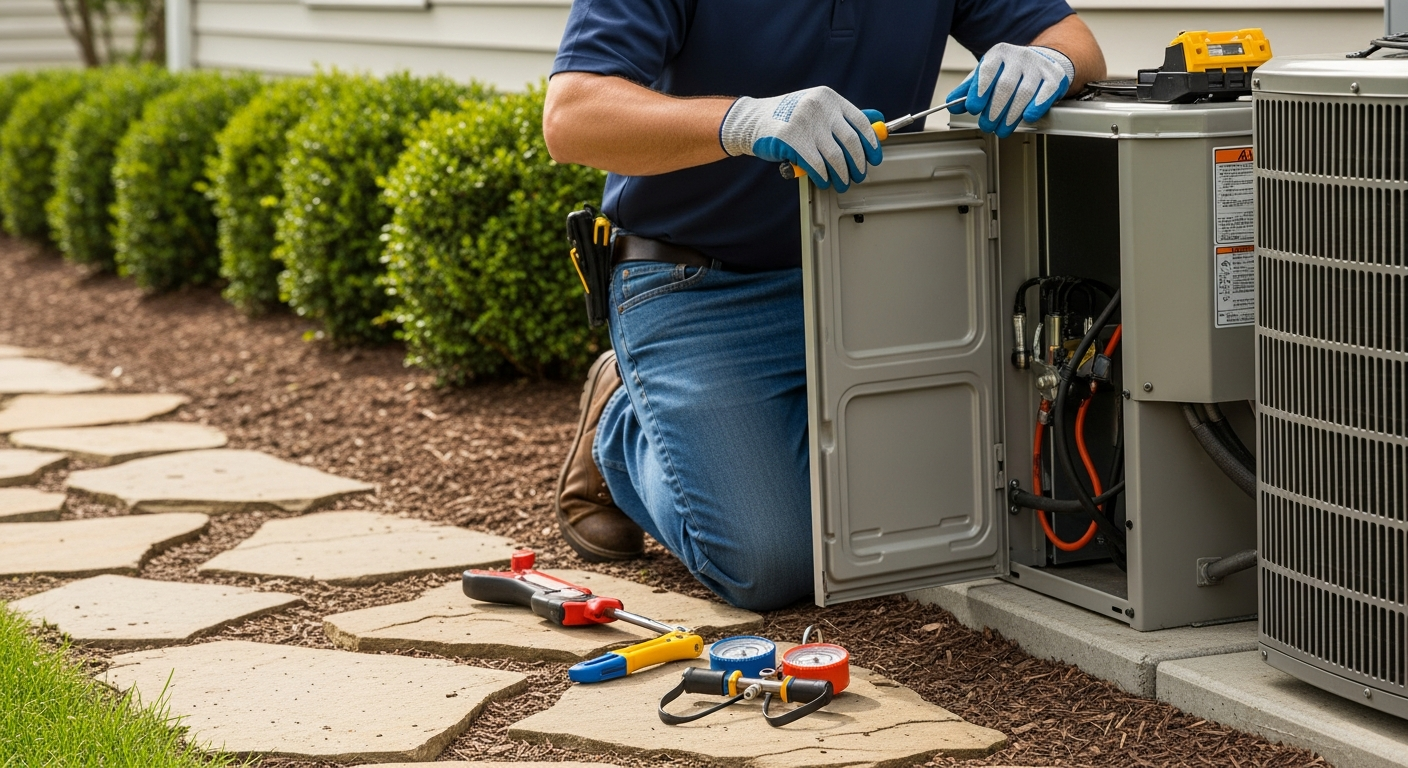
For most long-term homeowners, Energy Star HVAC is a smart investment
Energy Star systems typically offer 20-30% higher efficiency, lower monthly bills, and qualify for substantial rebates, making them cost-effective over a 5-7 year period. However, if you plan to move within 2 years or live in a mild climate, a standard unit may meet your needs.
What Matters Most
- Energy Star HVAC systems reduce energy bills by 20-30% compared to baseline models.
- Federal tax credits and utility rebates can cut upfront costs by $2,000 or more.
- Variable-speed technology improves comfort, humidity control, and quiet operation.
- Payback period typically ranges from 4 to 8 years; use our energy calculator to estimate yours.
- Always verify contractor-proposed systems with AHRI certificates and a Manual J load calculation.
Strengths
- Higher SEER2/HSPF2 ratings mean lower utility bills over the system’s 15-20 year lifespan.
- Enhanced comfort from variable-speed compressors and fans.
- Typically better warranties (e.g., 10-year parts vs. 5-year for standard).
- Environmental benefit: reduced carbon footprint.
Weaknesses
- Higher upfront cost: typically $1,500-$3,500 more than a standard system.
- Longer payback in mild climates where HVAC runs infrequently.
- Complexity may require specialized technicians for repairs, potentially higher service costs.
- Not all Energy Star models use variable-speed; verify the spec.
Decision Summary: Energy Star vs. Standard HVAC
| Scenario | Usually do | Why |
|---|---|---|
| You plan to stay 5+ years in a climate with hot summers or cold winters | Choose Energy Star | Steady energy savings and incentives outweigh the premium; comfort upgrade is significant. |
| You’ll sell the home within 2 years | Standard model may suffice | You won’t benefit from long-term savings; focus on a reliable, budget-friendly install that meets code. |
| Your region has very high electric rates or frequent heat waves | Choose Energy Star | The efficiency gain directly offsets peak usage, preventing bill spikes. |
| Your home has major air leaks or insufficient insulation | Fix envelope first, then consider Energy Star | Efficiency upgrades won’t compensate for duct leaks or poor insulation. Get a home energy audit first. |
| Budget is tight and financing interest would exceed 8% | Re-evaluate finance options or consider a mid-efficiency model with a high SEER2 but not top-tier | High-interest debt can erase energy savings. Explore no-interest green loans or local rebates. |
Quick Answer: Is Energy Star HVAC Worth the Extra Cost?
For most homeowners planning to stay in their home 5 years or longer, yes—Energy Star certified equipment typically pays for itself through energy savings, federal tax credits, and utility rebates. The improved comfort, quieter operation, and better warranties add value, too. However, if you expect to move within 24 months or live in a mild climate where you rarely run heating or cooling, a standard system may be the more practical choice.
Energy Star vs. Standard HVAC: Cost & Features Breakdown
| Feature | Standard System | Energy Star System |
|---|---|---|
| Typical SEER2 (AC) | 13.4 – 15.2 | 15.2 – 20+ |
| Typical HSPF2 (Heat Pump) | 7.5 – 8.5 | 8.5 – 10+ |
| Compressor Type | Single-stage (on/off) | Two-stage or variable-speed |
| Noise Level (outdoor) | 70–80 dB | 55–70 dB |
| Warranty (parts) | 5–8 years | 10 years or more |
| Installed Cost Range (editorial estimate) | $4,500 – $8,000 | $6,000 – $11,500+ |
| Potential Tax Credit | Usually $0 | $600 – $2,000+ (varies by system type) |
| Annual Energy Savings* | Baseline | $150 – $450+ |
*Estimated for a typical 2,000 sq. ft. home in a mixed climate. Your savings depend on local utility rates and usage. Use our energy calculator for a personalized estimate.
Do the Math: Will Energy Star Pay for Itself?
Focus on total cost of ownership over 15–20 years, not just the sticker price. High-efficiency units reduce monthly bills, but the payback period depends on energy prices and how often your system runs. Here’s a simplified example:
- Standard system cost: $6,500. Annual energy cost: $1,200.
- Energy Star system cost: $8,500. Annual energy cost: $900.
- Utility rebate + tax credit: $1,200. Net premium after incentives: $800.
- Annual savings: $300 → Payback in approximately 2.7 years.
Use our Energy Savings Calculator, HVAC Cost Estimator, and Rebate Finder to run numbers for your home. If you’re comparing contractor quotes, try the Quote Checker.
Safety Boundaries: What Homeowners Can (and Cannot) Do
HVAC installation is never a DIY project. Refrigerant handling, gas piping, electrical high‑voltage connections, and sealed‑system work must be performed by a licensed professional. Doing so yourself is illegal in many areas and can void warranties, cause injury, or damage equipment.
Safe homeowner checks before and after installation:
- Verify the Energy Star label and AHRI certificate are present and match your contract.
- Change or clean air filters every 1–3 months.
- Check thermostat settings and program a schedule.
- Inspect outdoor unit for debris and clear a 2‑foot space around it.
- Register the equipment warranty within the manufacturer’s deadline (often 60–90 days).
- Monitor monthly energy bills for unexpected spikes.
When to Choose Energy Star: A Decision Tree
Use these concrete thresholds to guide your choice:
- How long will you own the home? If less than 2 years, a standard system likely makes more financial sense. If 5+ years, Energy Star is worth serious consideration.
- What is your climate? In hot, humid regions (e.g., Southeast US) or areas with harsh winters, the efficiency and comfort gains of variable‑speed systems are most noticeable.
- Does your home have good insulation and ductwork? If not, invest in air sealing, seal duct leaks, and a home energy audit before upgrading equipment. An efficient unit in a leaky house still wastes energy.
- Are local utility rebates or federal tax credits available? High incentives can shrink the premium enough to make Energy Star a no‑brainer. Search your ZIP in our Rebate Finder.
- How much do you value quiet and consistent temperatures? If you’re sensitive to noise or hot/cold spots, the variable‑speed technology in most Energy Star units is a major upgrade.
Contractor Checklist: 7 Questions to Ask Before Approving an Energy Star Quote
Not all “Energy Star” proposals are equal. A quality installation is critical to achieving rated efficiency. Ask every contractor:
- “Can you provide the AHRI reference number for the matched system?” This certifies that the indoor and outdoor units work together at the claimed efficiency.
- “Will you perform a Manual J load calculation?” Never accept a system sized solely by square footage. Oversizing hurts efficiency and comfort.
- “Do you measure and adjust static pressure during commissioning?” Proper airflow is essential for efficiency; many systems are installed with restrictive ductwork.
- “What rebates or tax credits does this system qualify for, and will you handle the paperwork?” A good contractor helps you claim every dollar.
- “What is the warranty, and do you offer a labor warranty on installation?” Energy Star units often have 10‑year parts, but labor warranties vary.
- “Are there any additional costs—such as electrical upgrades, permits, or duct modifications—that could arise?” Get a line‑item estimate.
- “How long has your company been installing Energy Star equipment?” Experience with high‑efficiency setups is a plus.
Find pre‑vetted contractors through our Contractor Search and compare multiples before deciding.
Your Climate, Your Choice: Local Market Notes
- Hot/humid climates (Southeast, Gulf Coast): Variable‑speed Energy Star ACs excel at removing humidity. Look for a unit with a “dehumidification on demand” feature and a sensible heat ratio below 0.75.
- Cold climates (Midwest, Northeast, Mountain West): High‑efficiency heat pumps (HSPF2 ≥ 9) can heat effectively even at low temperatures; many qualify for $2,000 federal credits. For gas furnace replacement, aim for AFUE ≥ 95% to earn ratings.
- Coastal or corrosive environments: Request a unit with an epoxy‑coated or all‑aluminum coil to resist salt‑air damage. Some manufacturers offer “coastal” packages.
- Older homes with radiators or no existing ductwork: Mini‑split heat pumps are often the most practical way to go Energy Star without adding ductwork. These can achieve SEER2 ratings above 25 and provide zone control.
Methodology: How We Formulate These Recommendations
Our guidance combines publicly available Energy Star program requirements, analysis of national equipment pricing data, and feedback from HVAC contractors who participate in our network. Cost ranges are editorial estimates based on typical 2–5 ton residential systems installed in 2024–2025, and include equipment, basic installation, and standard permits. Actual quotes vary by region, system complexity, and home specifics. Energy savings projections rely on EPA Energy Star savings calculators and assume average usage patterns. We do not guarantee specific payback periods; always get multiple quotes and consult a local tax professional for credit eligibility.
Frequently Asked Questions
1. How much more does an Energy Star HVAC system cost upfront?
The premium over a standard system is typically $1,500–$3,500 installed, but federal tax credits and utility rebates can reduce that difference by $600–$2,000+. For example, an Energy Star heat pump might cost $8,000 versus a standard model at $6,500, but a $2,000 tax credit brings the net gap to just $500.
2. How can I be sure a system qualifies for tax credits?
Look for the AHRI certificate provided by the contractor. It lists the model numbers and efficiency ratings. For heat pumps and central ACs, the Energy Star Most Efficient designation or specific SEER2/EER2 thresholds must be met. Use our Rebate Finder to check model eligibility and link to IRS guidance.
3. Does Energy Star certification mean the unit will last longer?
Not necessarily, but manufacturers often pair higher efficiency with heavier‑duty components (like two‑stage or inverter‑driven compressors) and longer warranties. Proper installation and regular maintenance have a bigger impact on longevity than the label itself. Still, a 10‑year parts warranty is common on Energy Star units, versus 5 years on basic models.
4. Can I install an Energy Star unit myself to save money?
No. HVAC installation requires handling refrigerant (EPA Section 608 certification), high‑voltage electric, and often natural gas or propane connections. Improper installation can cause dangerous leaks, fire hazards, and immediate compressor failure. Always hire a licensed, insured contractor.
5. Will an Energy Star system still save me money if I have solar panels?
Yes, because you export more excess generation to the grid or reduce your reliance on grid power during peak hours. In net‑metered states, lower consumption translates directly into a higher credit or smaller true‑up bill. However, if your solar array already covers most of your usage, the marginal dollar savings may be smaller—so calculate the extra efficiency’s value based on your utility’s export rates.
Related articles
Connect this page to adjacent guides so readers keep moving deeper into the topic cluster.

Tips for Choosing a Smart Thermostat for a Heat Pump
Learn which smart thermostat features prevent expensive auxiliary heat mistakes, how to verify compatibility, and when to call a pro.

Understanding C Wire Adapters for Smart Thermostats
Missing the C wire for your smart thermostat? C wire adapters solve power issues without pulling new wiring. Compare types, costs, and installation options.

Best Smart Thermostats for Multi Zone Homes
Discover which smart thermostats deliver accurate zoning, remote sensors, and energy savings for homes with multiple HVAC zones. Our guide helps you pick the right model and avoid costly compatibility mistakes.