Exhaust Fan vs ERV for Bathroom Ventilation
Choosing between a bathroom exhaust fan and an ERV affects air quality and energy bills. This guide breaks down costs, climates, and long-term value to help homeowners decide.
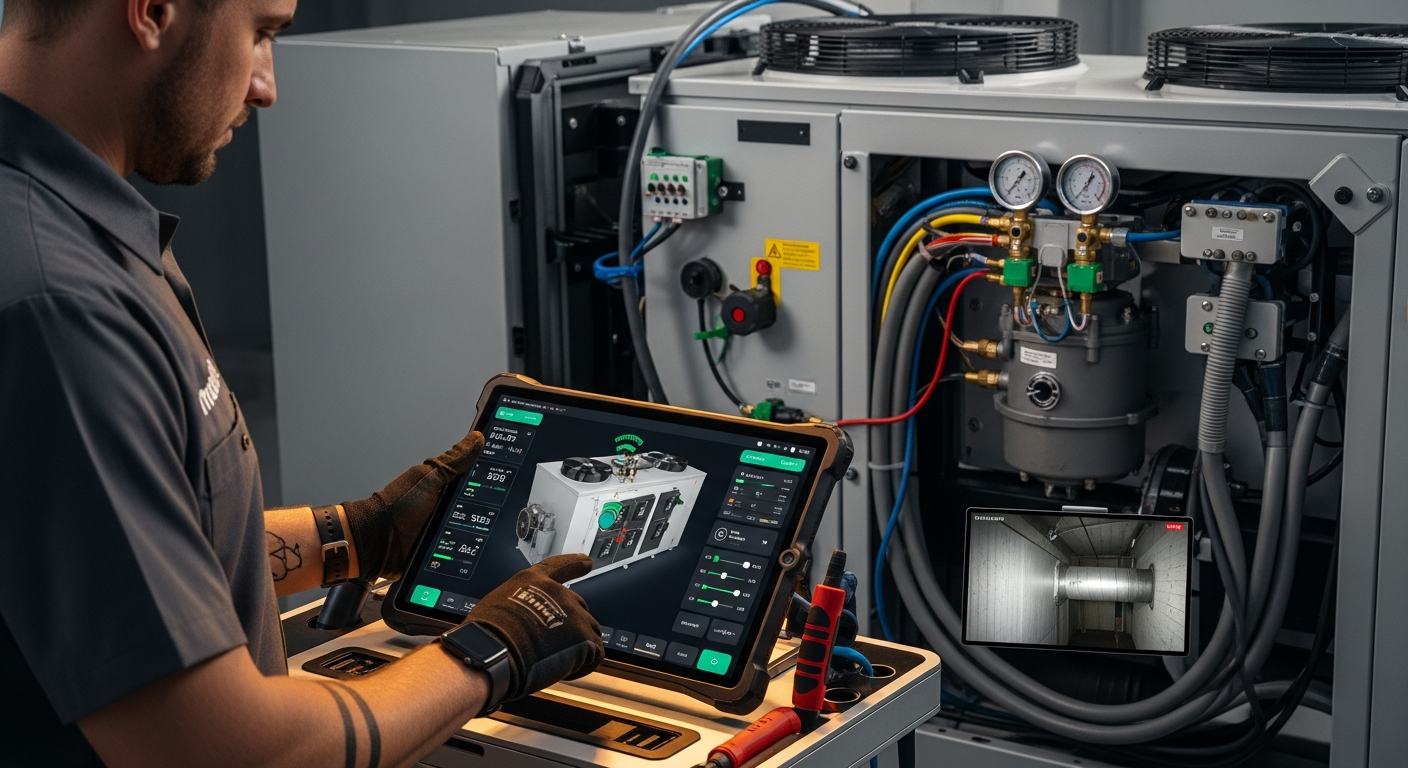
For most tight, modern homes in extreme climates, an ERV is the clear winner
An Energy Recovery Ventilator (ERV) delivers balanced, energy‑efficient ventilation and continuously improves indoor air quality, making it the superior long‑term investment for new or air‑sealed homes in very cold or hot‑humid regions. For older, leaky homes on a limited budget, a properly sized exhaust fan still wor
What Matters Most
- Home airtightness (measured by blower‑door test) is the single most important factor in choosing
- ERVs recover up to 80% of energy that a fan wastes, cutting utility bills
- Upfront cost is 5–10× higher for an ERV, but payback can occur in 5–15 years
- ERVs filter incoming air for better allergy and asthma control
- Maintenance for an ERV is more involved than an exhaust fan
Strengths
- Recovers heat and moisture, reducing HVAC load
- Balanced pressure prevents backdrafting and pollutant entry
- Continuous filtered fresh air improves health and comfort
- Often qualifies for utility rebates and green building credits
Weaknesses
- High initial cost (over $3,500 installed)
- Complex installation demands experienced contractors
- Requires regular filter changes and periodic core cleaning
- May not provide as powerful spot moisture removal without boost mode
Decision Summary
| Scenario | Usually do | Why |
|---|---|---|
| Budget under $1,000 and home was built before 2000 | Exhaust fan | Lowest cost; negative pressure less risky in leaky homes |
| New construction or major renovation | ERV | Code requires balanced ventilation; energy recovery saves money |
| Hot‑humid climate with heavy AC use | ERV | Prevents outdoor humidity entry and reduces AC latent load |
| Mild climate, moderate energy bills | Exhaust fan | Energy penalty is small; complex system not needed |
Quick Answer
Your home’s airtightness and climate determine the winner. In a tight, newly built, or energy-retrofitted home in a very cold or humid region, an Energy Recovery Ventilator (ERV) almost always outperforms a simple exhaust fan. For older, moderately leaky homes in mild climates, a quiet, properly sized exhaust fan often suffices and costs far less. Use the decision rules below to choose.
How Each System Works
Bathroom Exhaust Fan
A fan pulls air out of the bathroom and expels it outdoors, creating negative pressure that draws replacement air from cracks in the building envelope. It removes moisture and odors effectively during and after a shower but wastes conditioned air.
Energy Recovery Ventilator (ERV)
An ERV continuously exchanges stale indoor air with fresh outdoor air while passing both streams through a heat-exchange core. In winter, it preheats incoming cold air with outgoing warm air; in summer, it pre-cools and dehumidifies incoming air. It supplies balanced ventilation and recovers up to 80% of the energy that a regular fan would lose.
Cost & Performance Comparison
| Factor | Bathroom Exhaust Fan | ERV (Dedicated or Multi‑Room) |
|---|---|---|
| Typical installed cost range* | $150–$500 | $3,500–$6,500 (includes ductwork) |
| Annual energy penalty / savings | Increases heating & cooling bills by up to $100/year | Saves $50–$150/year vs. continuous exhaust |
| Spot moisture removal | Excellent (high airflow when needed) | Good if equipped with boost mode for bathrooms |
| Whole‑house fresh air | No; causes negative pressure | Yes; filtered and balanced |
| Filtration | Usually none; grille only | Built‑in MERV 6–12 filters |
| Maintenance | Vacuum grille annually | Clean/replace filters every 3–6 months, inspect core annually |
*Editorial estimate ranges; final cost depends on region, ductwork complexity, and home layout. See our HVAC cost estimator for personalized guidance.
Decision Rules: Fan or ERV?
Run down this checklist. If you hit two or more ERV triggers, an ERV is likely the better long-term investment.
When an exhaust fan usually wins
- Home was built before 2000 and has not been extensively air‑sealed.
- Budget is strictly under $1,000 installed.
- You primarily need quick steam removal, not continuous ventilation.
- Climate is temperate (no extreme heat, cold, or humidity).
When an ERV typically makes more sense
- Home is certified at ≤3 ACH50 on a blower‑door test or built to 2015 or later energy codes.
- You live in a region with very cold winters (heating degree days > 6,000) or hot, humid summers (average dew point > 70°F).
- Someone in the household has allergies or asthma; ERV provides filtered fresh air continuously.
- You plan to stay in the home 5+ years so energy savings can offset the higher upfront cost.
- Local building codes or rebates encourage balanced ventilation (check rebate finder).
Safety Boundaries
Safe Homeowner Checks
- Ensure the existing fan grille is clean and unobstructed; vacuum dust buildup.
- Verify outside exhaust hood flaps open freely and aren’t blocked by debris.
- Hold a tissue near the grille to confirm airflow when fan is running.
- Listen for unusual rattling or humming that may indicate a failing motor or loose blade.
Pro‑Only Work (Do Not Attempt Yourself)
- Installing new dedicated electrical circuits or wiring a new fan/ERV.
- Sizing and installing rigid ductwork, including attic or crawlspace runs, and sealing joints with mastic.
- ERV core installation, duct balancing, and commissioning—incorrect setup can ruin efficiency and cause moisture problems.
- Modifying or connecting to any existing gas appliance venting.
- Any work involving refrigerant lines, capacitors, contactors, or high‑voltage connections.
For a contractor‑grade assessment, use our contractor search or compare contractors to find pre‑vetted professionals.
Calculator & Tools
Use these HVACDatabase resources to narrow your decision:
- Cost Estimator: Plug in your project details for a localized price range at /us/tools/cost-estimator.
- Rebate Finder: Many utilities offer $200–$500 for ERV installations. Search at /us/tools/rebate-finder.
- System Age Decoder: If you’re replacing an old fan, decode its age to see if it’s near end‑of‑life at /us/tools/system-age-decoder.
- Repair or Replace Calculator: Weigh fixing an existing fan vs. upgrading to an ERV at /us/tools/repair-or-replace.
Contractor Checklist
Ask these questions before signing a contract:
- “Have you installed dedicated ERV systems before? How many in the last year?”
- “Will you size the unit according to ASHRAE 62.2 ventilation standards and show me the calculations?”
- “How do you balance airflow—will you use a flow hood, and do you guarantee ±10% balance?”
- “Does the ERV have a programmable boost mode for bathroom use? How is it controlled?”
- “What maintenance do you recommend, and do you offer annual service plans?”
- “Is ductwork rigid or flex? Will all joints be sealed and ducts insulated?”
- “What’s the warranty on the unit and your labor? Is the unit AHRI certified?”
- “Will you pull an electrical permit, and can you handle any building code inspections?”
Local Climate & Home Factors
- Hot‑Humid Southeast: ERV prevents outdoor moisture from being drawn in when AC runs; reduces latent load on AC.
- Cold Northern States: ERV dramatically cuts heat loss during winter ventilation; eases strain on furnace.
- Coastal / Salt‑Air Areas: Choose an ERV with anti‑corrosion coatings and regularly check exterior terminals for salt buildup.
- Leaky Older Homes (pre‑1990): An exhaust fan’s negative pressure is less problematic because the home naturally leaks; but if you air‑seal, switch to ERV.
- Tight New Construction (post‑2015): Codes often require mechanical ventilation like an ERV; a simple fan can cause backdrafting of water heaters.
Methodology
Our cost ranges reflect editorial estimates based on national contractor surveys, manufacturer data, and typical labor rates as of 2025. Energy savings projections use Department of Energy (DOE) ERV performance assumptions and average residential utility rates. Decision rules are grounded in building science (ASHRAE 62.2, IRC ventilation requirements) and field studies on home depressurization risk. Always verify with a local HVAC professional and obtain at least three quotes.
Frequently Asked Questions
1. Can I use only a bathroom exhaust fan in a tightly sealed home?
It’s possible but risky. A powerful fan can backdraft natural‑draft water heaters, pull in radon or garage fumes, and raise energy bills. If your home tests ≤3 ACH50, an ERV or at least a balanced ventilation strategy is strongly recommended.
2. Does an ERV eliminate the need for a separate bathroom fan?
Not always. Many ERVs offer a bathroom pickup point with a boost timer, which can handle the code‑required intermittent airflow. If you want independent spot control, you can keep a small fan, but a well‑designed ERV can serve as the primary exhaust.
3. How much money will an ERV really save?
Typical savings are $50–$150 per year compared to running a 80 CFM exhaust fan continuously. Payback period ranges from 5 to 15 years depending on local utility rates, climate severity, and installed cost.
4. Is ERV installation a DIY project for a handy homeowner?
No. Duct design, electrical connections, and balancing require professional knowledge. An improperly installed ERV can short‑circuit airflow, waste energy, and even create moisture problems that lead to mold.
5. What maintenance does an ERV need?
Inspect every 3 months: vacuum intake/exhaust grilles and wash or replace filters. Once a year: vacuum the core carefully, clean the condensate drain, and verify drain line is clear. Have a pro check balancing and core condition every 2–3 years. Read more in our guide on ERV maintenance.
Next Step: Ready to compare quotes? Use our contractor search to find local pros experienced in bathroom ventilation and ERV systems. For a deeper dive into indoor air quality, see improving IAQ and bathroom fan installation.
Related articles
Connect this page to adjacent guides so readers keep moving deeper into the topic cluster.
Electrostatic vs Pleated HVAC Filters
Electrostatic filters are washable and budget-friendly over time, but pleated filters catch more allergens. See which fits your home's air quality and HVAC demands.

Supply vs Exhaust Ventilation Systems
Discover whether a supply or exhaust ventilation system suits your home’s climate, budget, and air quality goals. Our guide includes cost ranges, safety tips, and pro checklists.
Smart Thermostat vs Smart Vent System
Homeowners often ask: smart thermostat or smart vents? Our practical guide explains the core trade-offs, safety limits, and a clear decision path to avoid wasting money or harming your system.