Furnace Safety Tips for the Winter Season
Turn furnace safety into a practical decision guide: learn what you can safely inspect, recognize red flags that demand a pro, compare typical repair costs, and use our tools to estimate replacement.
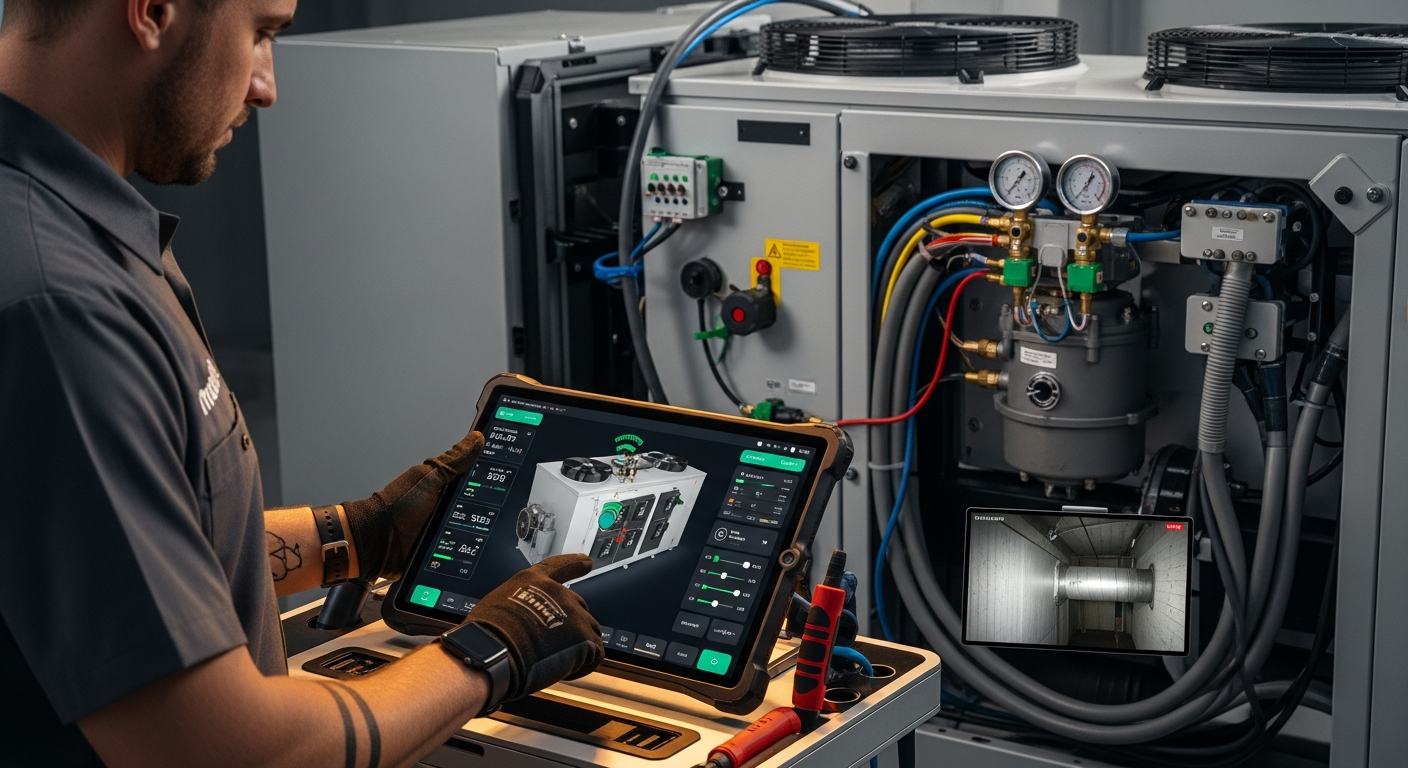
Proactive safety checks + professional backup
Homeowners should perform regular visual and filter checks, but any sign of combustion issues or gas odor demands an immediate professional call. Use our cost tools to budget for inevitable repairs or replacement.
What Matters Most
- Test CO detectors monthly; a yellow flame means turn off the furnace and call for help.
- Replace dirty filters every 30 days to prevent overheating and fire risk.
- Keep a 3-foot clearance around the furnace free of clutter and flammables.
- Annual professional inspections ($80–$250) catch hidden dangers like heat exchanger cracks.
- Use the repair-or-replace calculator when facing a repair over 50% of a new system's cost.
Strengths
- Empowers homeowners with clear, visual red flags that require no technical skill.
- Links to free, interactive calculators for personalized cost and decision support.
- Sets concrete financial thresholds (age, repair cost percentage) for replacement decisions.
- Emphasizes safety-first decision-making and the limits of DIY work.
Weaknesses
- Cost ranges are averages; your actual quote may be higher or lower based on local market.
- Visual checks cannot detect internal cracks or gas leaks; a professional inspection is still needed annually.
- Relies on the homeowner having functional CO detectors and knowing how to test them.
- Some repair diagnoses (e.g., heat exchanger crack) require tools beyond the scope of this guide.
Furnace Safety: DIY Check vs. Professional Inspection
| Approach | Typical Investment | What You Get | Best For |
|---|---|---|---|
| DIY Visual & Filter Check | Time only (plus filter cost) | Catch blockages, flame color, noise; maintain airflow. | Proactive homeowners comfortable with basic observations. |
| Professional Safety Inspection | $80–$250 | Combustion analysis, heat exchanger check, gas pressure, CO test, full system assessment. | All homeowners at least once yearly, especially before heating season. |
| Emergency Pro Call | $100–$200+/hour plus repair | Immediate diagnostics and fix for gas smell, no heat, or flame issues. | Anyone with safety warning signs like gas odor or yellow flame. |
Your furnace works hardest in winter, but hidden risks—carbon monoxide leaks, fire hazards, costly breakdowns—don’t take a holiday. This guide replaces generic advice with a practical decision framework: learn which checks you can do today, recognize the five red flags that require immediate professional attention, and compare inspection and repair costs before you spend. We’ll link to specific cost estimators, repair-or-replace calculators, and contractor comparison tools so you can make a confident, safe choice for your home.
Quick Answer: 5 Steps to a Safer Furnace This Week
- Test all carbon monoxide detectors—replace batteries if older than 6 months.
- Check your furnace filter: if it’s gray and clogged, replace it. Set a 30-day reminder.
- Clear a 3-foot zone around the furnace; remove flammables.
- Visually inspect outside vent pipes for blockages (snow, ice, nests).
- Turn on the heat and listen for unusual noises; watch the burner flame through the sight glass—it should be steady blue, not yellow or flickering. If you see yellow, turn off the unit immediately and call a pro.
Furnace Safety Decision Table
| What You See or Hear | Likely Issue | Safe Homeowner Action | Call a Pro? |
|---|---|---|---|
| Yellow/orange burner flame | Incomplete combustion, possible CO | Turn off furnace, ventilate house, leave if CO alarm sounds. | Yes — emergency |
| Loud banging or rumbling | Delayed ignition, dirty burners, loose ductwork | Turn off system, check filter, clear vent area. | Yes if ignition noise persists |
| Furnace won't start (clicking noise) | Electrical issue, faulty ignitor, tripped breaker | Check thermostat, circuit breaker. Read troubleshooting guide | If breaker trips again, call pro |
| Short cycling (on/off frequently) | Dirty filter, oversized system, flame sensor, limit switch | Replace filter, ensure vents open. Learn about short cycling | If simple fixes fail |
| Weak airflow or hot spots | Clogged filter, blower motor issues, duct leaks | Replace filter, check vents for obstructions. | If blower sounds abnormal |
Safety Boundaries: What You Can (and Cannot) Do Yourself
Safe Homeowner Checks
- Visual inspection of flame color through sight glass (never open sealed panels).
- Filter replacement and cleaning of accessible registers.
- Testing CO and smoke detectors; replacing batteries.
- Clearing debris from outside vents.
- Checking for water leaks around the furnace base.
- Verifying thermostat settings and batteries.
Pro-Only Work — Do Not Attempt
These involve high-voltage electricity, natural gas, combustion, or sealed refrigerant systems. Attempting them can cause fire, explosion, carbon monoxide poisoning, or electric shock.
- Opening the furnace cabinet to access burners, gas valve, heat exchanger, blower motor, or control board.
- Cleaning or adjusting burners or flame sensors.
- Measuring gas pressure or repairing gas line connections.
- Inspecting or repairing the heat exchanger.
- Adding refrigerant or working on AC components if a heat pump.
Cost Ranges: Inspection, Repair, and Replacement
All figures are editorial estimates; actual prices vary by location, season, and access. Use the HVAC Cost Estimator for personalized local estimates.
| Service | Typical Cost Range | Notes |
|---|---|---|
| Safety inspection / tune-up | $80 – $250 | Often falls during annual maintenance plans ($150–$500/year) |
| Flame sensor cleaning (pro) | $75 – $200 | May be included in tune-up; alone it's a minor charge. |
| Ignitor replacement | $150 – $350 | Common repair if furnace won't light. |
| Gas valve replacement | $400 – $800 | Significant repair; always use a licensed pro. |
| Heat exchanger replacement (under warranty) | $500 – $1,500 (labor only) | Often uneconomical if out of warranty; compare to new unit cost using repair-or-replace calculator. |
| Furnace replacement (full system) | $5,000 – $15,000+ | Depends on efficiency, size, and ductwork. Check sizing with our BTU calculator. |
Decision Rules: Repair or Replace?
Use these thresholds to guide your decision—always confirm with a trusted contractor and our Repair-or-Replace Calculator.
- Age over 15 years: If your furnace is older than 15 years (check data plate or use System Age Decoder) and needs a repair costing more than 50% of a new system, replacement often makes financial sense, especially if you qualify for energy efficiency rebates.
- Age under 10 years: With a younger system, repair costs up to $1,000 are usually worthwhile if the rest of the unit is in good shape.
- Safety-critical failure: A cracked heat exchanger or gas valve leak almost always warrants replacement, not repair, due to life-safety risks. Get a second opinion to confirm.
- Frequent breakdowns: If you’ve had two or more repairs in two years, consider replacement even if each individually was affordable.
Questions to Ask Before Scheduling a Furnace Inspection
- Are you licensed, insured, and bonded in my state? (Ask for license number.)
- Do you perform a combustion analysis and CO test during a safety inspection?
- Can you provide a written estimate with a breakdown of parts, labor, and warranty?
- What is your emergency/after-hours service policy and pricing?
- Do you offer annual maintenance plans, and what’s included? How much?
- Can you provide references or online reviews from recent furnace safety inspections?
- Will you inspect the heat exchanger visually? If not, why?
Use our contractor search to find and compare local pros based on verified reviews and credentials.
Regional Considerations for Furnace Safety
Cold Climates (Midwest, Northeast, Mountain States)
Snow and ice can block exterior vent pipes. Heavy furnace use (8+ months/year) accelerates wear. Annual fall inspections are non-negotiable. In older homes, check for asbestos insulation on ductwork—do not disturb it; hire an abatement pro if needed.
Humid or Coastal Areas (Southeast, Gulf Coast, Pacific Northwest)
Corrosion from salt air or high humidity can rust burners and heat exchangers. Consider a sealed combustion unit to reduce moisture intrusion. Mold on filters may require more frequent replacements.
Homes with Heat Pumps Instead of Furnaces
Many safety tips still apply: keep outdoor unit clear of debris, change filters, listen for unusual noises. For heat pump-specific advice, use our cost estimator to model heat pump replacement vs. furnace add-on.
How We Develop Our Recommendations and Cost Estimates
The cost ranges in this article are editorial estimates based on national contractor surveys, industry data (such as ACCA and RSMeans), and typical price points reported by homeowners in major U.S. metros. They are not guaranteed. Actual prices depend on your local market, system size, access, season, and urgency. We strongly recommend using our HVAC Cost Estimator to generate a location-specific estimate, and get at least three written quotes from contractors you find through our search tool.
Frequently Asked Questions
How often should I test carbon monoxide detectors?
Monthly. Replace batteries every spring and fall when you change clocks, unless your detector has a sealed 10-year battery. Install one per floor and outside sleeping areas.
Can I clean my furnace’s flame sensor myself?
While some homeowners clean the flame sensor using fine-grit sandpaper, this involves opening the burner compartment and can expose you to electrical shock or gas if not done perfectly. A professional cleaning during a tune-up costs $75–$200 and includes a full safety check. We recommend leaving this to a pro.
What should I do if I smell gas near my furnace?
Do not operate any switches, phones, or appliances. Leave the home immediately and call your gas utility’s emergency line from a safe distance. They will send a technician at no charge. Do not re-enter until the utility or a licensed HVAC pro gives the all-clear.
Is it normal for a furnace to smell when first turned on for the season?
A brief dusty smell is normal as accumulated dust burns off the heat exchanger. It should dissipate within a few hours. If you smell gas, rotten eggs, or a persistent electrical odor, turn off the unit and call a pro—do not wait.
How can I tell if my heat exchanger is cracked without calling a pro?
You cannot reliably detect a cracked heat exchanger without professional inspection tools (combustion analyzer, borescope). Signs that suggest it include: soot buildup, yellow flame, or continuous CO alarm activation. If you suspect a crack, turn off the furnace and call a certified technician. Never run a furnace with a suspected crack.
Stay warm and safe. Compare contractors now.
Methodology
HVACDatabase estimates combine common contractor price patterns, service-category pricing ranges, equipment complexity, urgency, regional labor variation, and known HVAC safety boundaries. Actual prices vary by city, brand, system size, access, warranty status, permit requirements, and whether the visit discovers ductwork, electrical, refrigerant, gas, or drainage issues. Use these numbers to sanity-check quotes, not as a guaranteed price.
Related articles
Connect this page to adjacent guides so readers keep moving deeper into the topic cluster.

Tips for Choosing a Smart Thermostat for a Heat Pump
Learn which smart thermostat features prevent expensive auxiliary heat mistakes, how to verify compatibility, and when to call a pro.

Understanding C Wire Adapters for Smart Thermostats
Missing the C wire for your smart thermostat? C wire adapters solve power issues without pulling new wiring. Compare types, costs, and installation options.

Best Smart Thermostats for Multi Zone Homes
Discover which smart thermostats deliver accurate zoning, remote sensors, and energy savings for homes with multiple HVAC zones. Our guide helps you pick the right model and avoid costly compatibility mistakes.