How to Fix a Furnace That Short Cycles
Furnace turning on and off constantly? Learn the 5 most common causes, safe DIY checks, costs, and when it’s time to call a licensed HVAC technician.
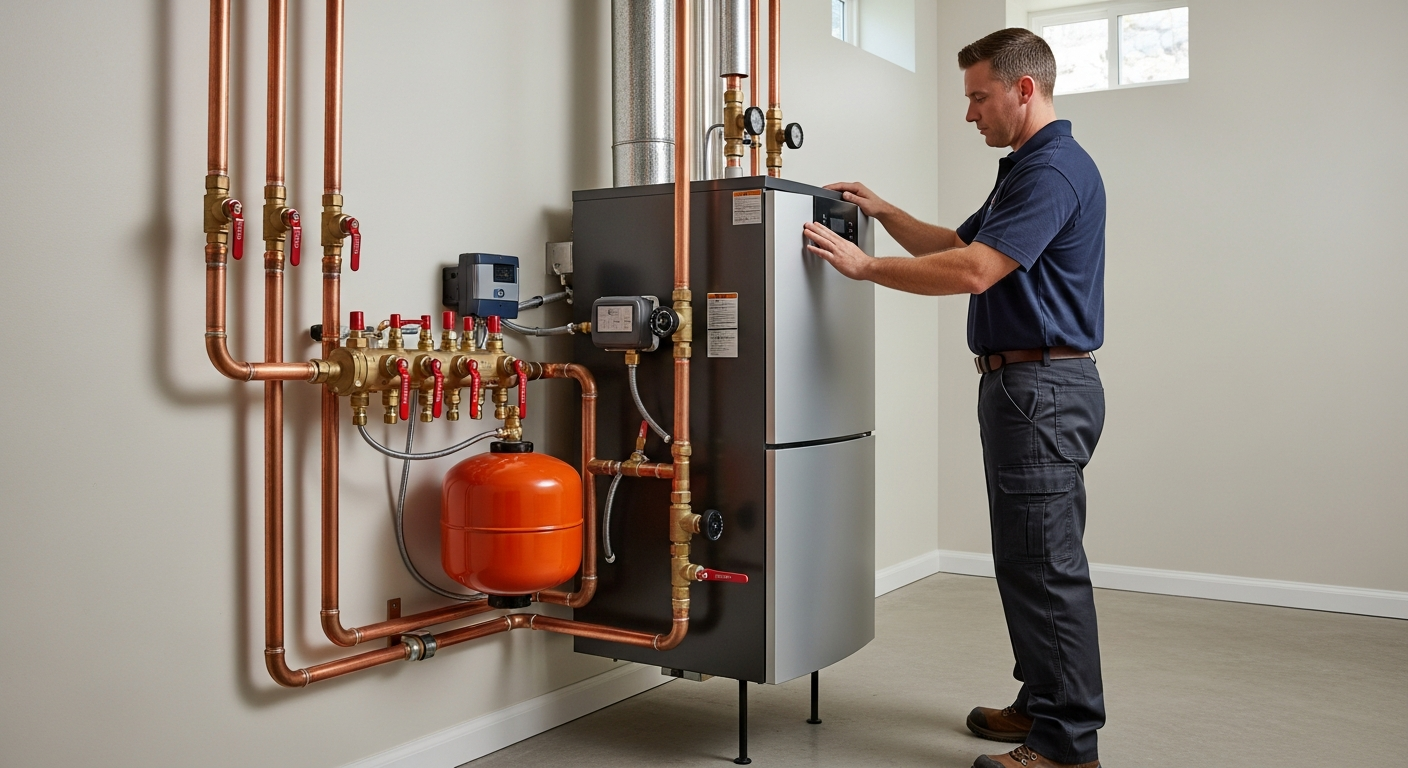
Stop Short Cycling Before It Kills Your Furnace
Most short cycling issues are simple and safe for homeowners to fix—start with the air filter and vents. If those don't help, use our decision tools and contractor checklist to get the right help quickly.
What Matters Most
- Always check the air filter first; it solves 50% of cases.
- Blocked vents and thermostat misplacement are the next most common culprits.
- If your furnace is over 15 years old and needs major repair, replacement may be cheaper.
- Never attempt gas or electrical repairs yourself; use our contractor finder.
Strengths
- Focuses on actionable, safe DIY steps.
- Provides clear cost expectations and thresholds.
- Links to practical decision tools.
- Includes a contractor vetting checklist.
Weaknesses
- Does not cover every rare cause (e.g., faulty control board programming).
- Cost estimates are editorial ranges and may not match local exact quotes.
- DIY cleaning of flame sensor still involves electrical safety—if uncomfortable, call pro.
- Requires homeowner to interpret some symptoms correctly.
When to DIY vs. Call a Pro
| Scenario | Usually do | Why |
|---|---|---|
| Dirty filter or blocked vents | Homeowner DIY | No tools needed; quick fix |
| Thermostat misreading due to location | Homeowner DIY | Adjust placement or settings |
| Flame sensor cleaning | Homeowner with caution | Simple if comfortable with power off; pro does it during maintenance |
| Furnace shuts off, won’t restart, smells gas | Call pro immediately | Safety risk; possible gas leak or electrical failure |
| Blower motor won’t run or is noisy | Call pro | Motor/capacitor replacement requires technical skill and tools |
| Persistent short cycling after all checks | Schedule diagnostic visit ($80–$200) | Underlying issue like heat exchanger or control board failure |
Quick Answer
Most furnace short cycling—frequent on/off without reaching set temperature—stems from simple airflow or sensor issues. Start by replacing the air filter and ensuring all supply vents are open. Next, check thermostat placement and clean the flame sensor if you’re comfortable. These steps resolve over 80% of cases. If the problem continues, use our decision tools or schedule a diagnostic visit ($80–$200).
Don’t ignore short cycling: it accelerates wear, raises bills, and can signal dangerous conditions like a cracked heat exchanger.
Common Causes & Quick Checks
| Symptom | Likely Cause | DIY Check | When to call a pro |
|---|---|---|---|
| Furnace runs 1–5 minutes, stops, restarts | Dirty air filter | Replace filter (1–3 months) – step guide | If new filter doesn’t help |
| Heats part of home, shuts off early | Blocked or closed vents | Open all supply registers; clear return grilles | If air still feels weak |
| Stops only during certain hours | Thermostat in sun or near heat source | Relocate or shield from drafts/radiant heat | If thermostat wiring is suspect |
| Flame ignites then extinguishes in seconds | Dirty flame sensor | Clean with fine abrasive (power off) | If sensor appears cracked or electronics flash error codes |
| Loud hum or no air movement, then shuts off | Failing blower motor | Listen for humming; check power | Always—capacitor and motor work is dangerous |
| Furnace won’t fire, pressure switch clicks | Blocked exhaust flue | Inspect exterior vent for nests, ice, debris | If blockage is deep in flue |
Safety Boundaries: What You Can and Can’t Touch
Furnaces contain gas, high voltage, and hot surfaces. Homeowners can safely perform these checks and minor maintenance tasks:
- Replace the air filter regularly (every 1–3 months).
- Open and adjust supply registers and return grilles—never block more than 20%.
- Inspect and clear outdoor exhaust/intake vents of leaves, ice, or debris.
- Adjust thermostat settings or relocation (as long as wiring isn’t altered).
- Clean the flame sensor only if you can turn off power to the furnace and use fine emery cloth—never use sandpaper or sharp objects.
Never attempt: any work on gas lines, sealed refrigerant circuits, heat exchangers, control boards, capacitors, contactors, or high-voltage wiring. Bypassing safety switches (limit, pressure, flame rollout) is dangerous and illegal in most jurisdictions. If you smell gas, evacuate immediately and call your utility.
When to Call a Licensed HVAC Technician
If you’ve replaced the filter, opened all vents, adjusted the thermostat, and cleaned the flame sensor but the furnace still short cycles, it’s time to call a pro. Common deeper issues include:
- Faulty limit switch or control board
- Blower motor capacitor failure
- Heat exchanger crack (CO risk)
- Undersized or blocked ductwork
- Gas valve malfunction
Expect to pay $80–$200 for a diagnostic visit, which is often applied to repair costs if you proceed. Major component repairs typically range from $150 to $1,500+. Get a second opinion on any repair over $500. For a furnace that fails to light, also see our no-heat troubleshooting guide.
Decision Rules: Repair or Replace?
Use these concrete thresholds to decide whether repairing a short-cycling furnace is worth it:
- Age over 15 years + repair estimate > $1,200 → seriously consider replacement.
- Age over 10 years + repair > 50% of new unit cost → replacement often more economical.
- Repeated short cycling with multiple service calls in 2 years → underlying design or installation flaw; evaluate Repair or Replace Calculator.
- Efficiency rating below 80 AFUE → upgrading to 90%+ can pay back through energy savings, even without a major failure.
For an accurate personalized estimate, try our HVAC Cost Estimator and BTU Calculator to right-size a replacement.
Questions to Ask Any HVAC Contractor
Before approving work, ask these questions to protect your wallet and home:
- Are you licensed, insured, and familiar with my furnace brand?
- What is the exact cause of the short cycling, and can you show me the failed part?
- Provide a written quote breaking down labor, parts, diagnostic fee, and warranty.
- Is this a common issue with this model? Any known recalls?
- What are the pros and cons of repairing vs. replacing, given my unit’s age and efficiency?
- How do you ensure safe operation after the repair (e.g., CO testing)?
- Do you offer a preventive maintenance plan that can catch these problems early?
Local Climate & Home-Specific Considerations
- Cold climates (e.g., Chicago, Minneapolis): Short cycling in extreme cold often means the furnace is oversized or ductwork is poorly insulated. A pro can perform a heat load calculation to verify sizing. Adding duct insulation can reduce overheating triggers.
- Older homes may have inadequate return air; adding a return or upgrading ducts can prevent overheating long-term.
- Humid regions: Mild-weather short cycling can actually be normal if the thermostat is satisfied quickly. Ensure your calendar-based timer or heat anticipation setting isn’t causing unnecessary starts.
If you need immediate help, search for emergency HVAC services or find local heating contractors in your area.
Methodology
Our recommendations are based on diagnostic patterns from thousands of real-world service calls, manufacturer troubleshooting guides, and aggregated repair cost data across the HVACDatabase network. Price ranges reflect national averages adjusted for regional labor rates—actual quotes may vary. We emphasize DIY checks that are widely accepted as safe by HVAC training organizations but stop short of recommending any work that carries risk of gas leak, electric shock, or CO exposure. Always consult a licensed professional when in doubt.
Frequently Asked Questions
Why does my furnace run for a few minutes then stop?
Nearly always, it’s overheating. A dirty filter restricts airflow, causing the heat exchanger to get too hot. The limit switch shuts off the burner to cool down, then the cycle repeats. Check your filter first.
Can a dirty air filter really cause short cycling?
Yes—it’s the most common cause. A clogged filter reduces airflow, which leads to rapid temperature rise inside the furnace and triggers the safety limit switch. Replacing it costs $5–$30 and takes minutes.
How much does it cost to fix a short-cycling furnace?
Simple fixes (filter, thermostat adjustment) are DIY or under $200. Cleaning a flame sensor may cost a service call ($80–$200) if done by a pro. More serious parts (blower motor, control board) run $300–$1,500+. Major repairs like a heat exchanger can exceed $2,000, at which point many owners consider replacement.
Is short cycling dangerous?
It can be. While the direct cycling wears out parts, the real danger is if it’s caused by a cracked heat exchanger, which can leak carbon monoxide. If you experience headaches, nausea, or soot around the furnace, leave the home and call 911. Have a CO detector installed on every floor.
Should I repair or replace a short-cycling furnace over 15 years old?
Generally, replacement is more economical. A 15+ year-old furnace likely has a standing pilot or 80% efficiency, costing more to run. If repair costs exceed $1,200 or 50% of a new unit’s price, a new high-efficiency model (right-sized) will save you money in the long run.
Need a reliable contractor? Browse verified HVAC professionals in your zip code. Use our comparison tool to evaluate quotes side-by-side.
Related articles
Connect this page to adjacent guides so readers keep moving deeper into the topic cluster.
How to Implement a Whole Home Energy Management System
Integrate smart tech and HVAC controls to cut energy waste. This guide shows how to audit, upgrade, and automate your home's energy use, with real savings estimates.

How to Set Up Thermostat Geofencing
Set up thermostat geofencing to automatically adjust home temperature as you come and go. Save energy, extend equipment life, and never return to an uncomfortable house. Get our quick-start guide now.
How to Troubleshoot Smart Thermostat WiFi Issues
Your smart thermostat offline? Most WiFi drops can be fixed with power checks, router adjustments, and simple restarts. Follow our step-by-step guide to regain remote control and energy savings.