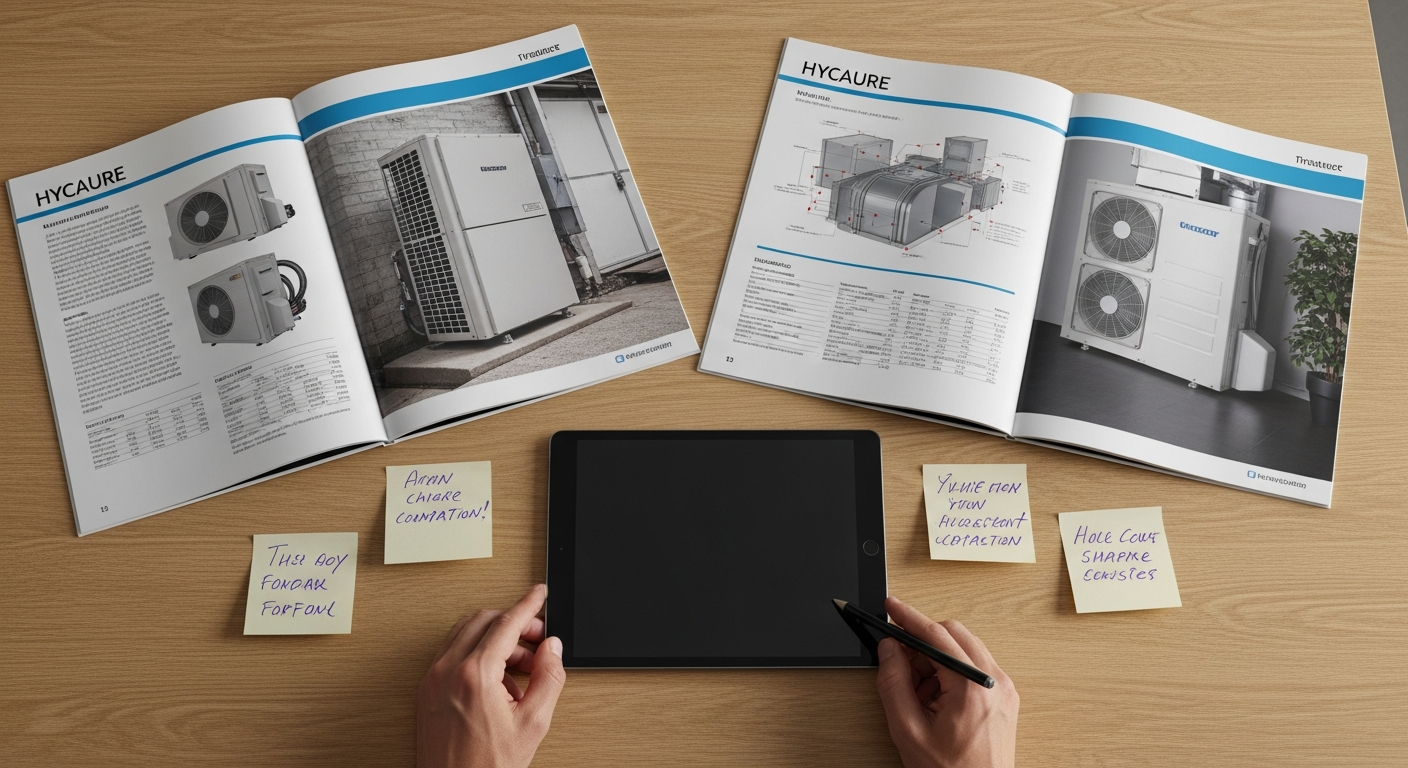
Heat Pump vs Electric Furnace for Mild Climates
Choosing between a heat pump and an electric furnace depends on your budget and climate. Learn which system offers the best efficiency and comfort for your home.
Choosing the Best Heating Solution for Mild Climates
Homeowners living in regions with temperate winters face a unique decision when it comes to home heating. Unlike extreme northern climates that require heavy-duty combustion, mild climates allow for highly efficient electric options.
The two primary contenders are the air-source heat pump and the electric furnace. While both rely on electricity, they operate on completely different principles that impact your utility bills and comfort levels.
How Heat Pumps Differ from Electric Furnaces
An electric furnace works much like a giant toaster. It uses electric resistance heating elements to generate heat directly, which is then blown through your ductwork by a fan motor.
A heat pump, however, does not actually create heat. Instead, it moves heat from one place to another. Even in cool air, there is thermal energy available that the system captures and concentrates to warm your home.
Energy Efficiency: The Great Divide
Efficiency is where the heat pump truly shines. Because it is moving heat rather than generating it, a heat pump can be 300% to 400% efficient. This means for every unit of electricity consumed, it delivers three to four units of heat.
In contrast, an electric furnace is 100% efficient. While that sounds good, it means every unit of electricity only produces one unit of heat. In a mild climate, a heat pump will almost always result in significantly lower monthly operating costs.
If you are upgrading your system, you might also consider duct cleaning vs duct replacement to ensure your new high-efficiency unit isn't hindered by restricted airflow or contaminants.
The Dual Role of the Heat Pump
One of the biggest advantages of choosing a heat pump is that it provides both heating and cooling. In the summer, the system simply reverses its refrigerant flow to pump heat out of your house, acting exactly like a standard air conditioner.
If you choose an electric furnace, you still need to purchase and maintain a separate central air conditioning unit if you want cooling. This makes the heat pump an incredibly versatile all-in-one solution for year-round comfort.
When planning your installation, it is helpful to understand how air distribution works. You might want to research manual vs automatic dampers for hvac zoning to get the most out of your new equipment.
Heat Pumps Explained
Upfront Costs vs. Long-Term Savings
The primary drawback of the heat pump is the initial investment. The equipment and installation are generally more expensive than a standalone electric furnace. However, the energy savings in a mild climate usually allow the system to pay for itself within a few years.
- Electric Furnace: Lower initial cost, higher monthly bills, simpler mechanical design.
- Heat Pump: Higher initial cost, significantly lower monthly bills, provides cooling and heating.
If you are unsure which unit fits your budget, you can find trusted HVAC contractors on HVACDatabase.com who can provide detailed quotes tailored to your local utility rates.
Reliability and Maintenance
Electric furnaces are mechanically simple and often last 20 to 30 years with minimal repairs. Because they don't have many moving parts outside of the blower motor, they rarely suffer from catastrophic failures.
Heat pumps are more complex, containing a compressor, reversing valve, and outdoor coils. This complexity requires regular professional maintenance to ensure the system remains efficient. While they are very reliable, their lifespan is typically 15 to 20 years because they run year-round for both seasons.
While focusing on your heating source, don't forget the peripheral components. For instance, knowing how to install a condensate neutralizer kit is vital for systems that produce acidic runoff, though this is more common in high-efficiency gas units.
Comparing with Other Systems
While electricity is popular in mild climates, some homeowners still look at fossil fuel options. It is worth understanding an oil furnace vs gas furnace comparison if you live in an area where electric rates are exceptionally high.
Additionally, if your home uses older infrastructure, you might be deciding between modern forced air and traditional methods. Learning about steam vs hot water radiator heating can help you decide if a total system conversion to a heat pump is right for you.
Troubleshooting Common Issues
Regardless of the system you choose, occasional issues will arise. For example, a heat pump might struggle if the outdoor unit is blocked by debris, while an electric furnace might trip a breaker if a heating element fails.
If you previously had a gas system and are switching to electric, you might be relieved to no longer deal with issues like a gas furnace lockout or wondering why your furnace cycles on and off frequently due to sensor failures.
Conclusion: Which is Right for You?
For most homeowners in mild climates, the heat pump is the superior choice. The energy efficiency gains and the dual-purpose nature of the machine provide a level of value that an electric furnace cannot match.
However, if you are on a very tight budget or only need to heat a small, well-insulated space infrequently, an electric furnace remains a viable, low-cost alternative. To make the best decision for your specific home, use HVACDatabase.com to connect with local professionals who can perform a load calculation and recommend the perfect system for your needs.