High SEER AC vs Standard SEER Cost Comparison
Discover the true cost difference between high SEER and standard AC units, including purchase price, operating savings, comfort benefits, and how to decide based on your climate and budget.
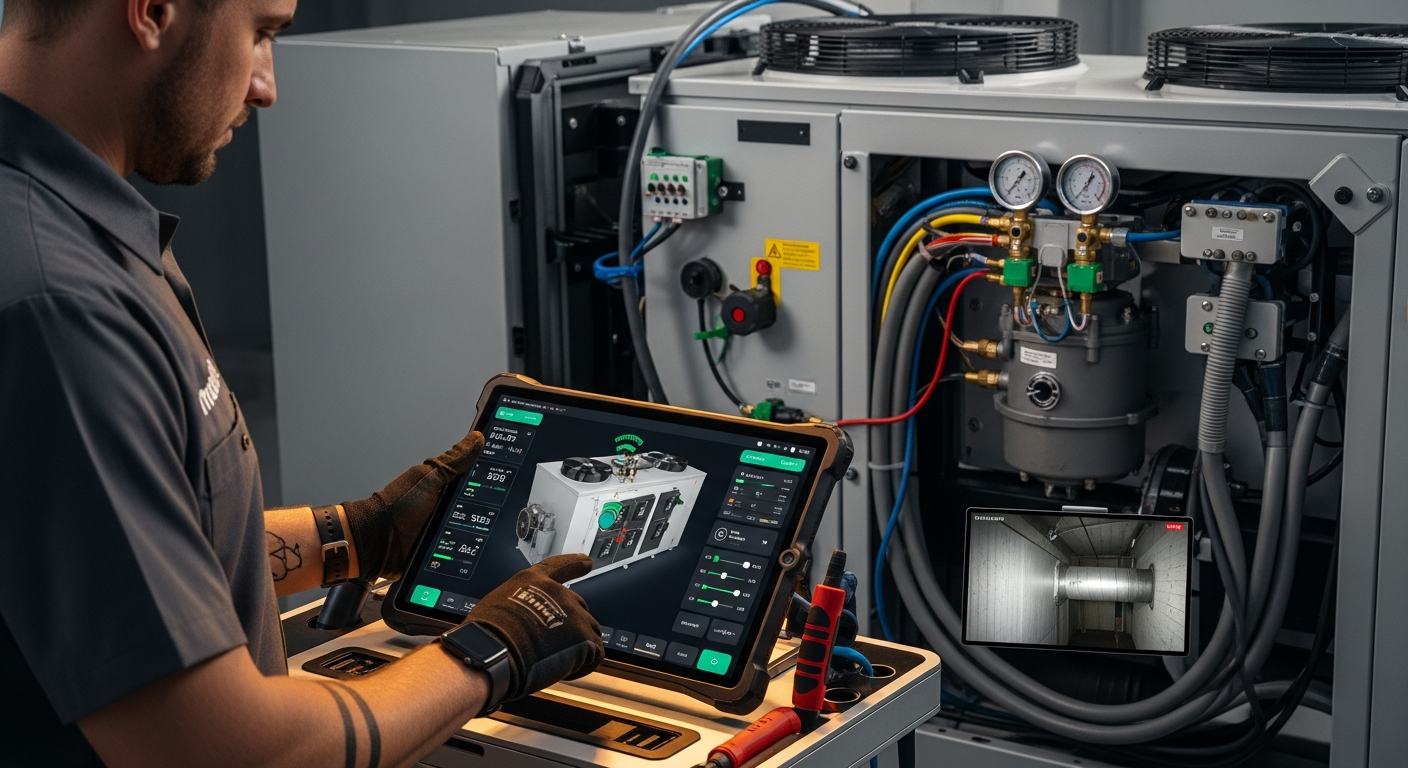
High SEER wins for long-term homeowners in hot/humid climates
A SEER 18+ system often pays back within 3–7 years in warm regions through lower utility bills, better comfort, and humidity control. For mild climates or short-term stays, a standard SEER unit remains the economical choice.
What Matters Most
- Upgrading from 14 to 20 SEER can cut cooling costs by 20–50% annually in hot climates.
- Variable-speed high SEER systems improve humidity control and are quieter.
- Payback periods range from 3 years (Phoenix) to 12+ years (Seattle).
- Always get a Manual J load calculation to avoid oversizing.
- Leverage rebates and tax credits—use our Rebate Finder to maximize savings.
Strengths
- Significantly lower operating costs over the unit's lifetime.
- Superior dehumidification, reducing the need for separate dehumidifiers.
- Eligibility for substantial utility and federal incentives.
- Quieter operation and more even temperatures.
Weaknesses
- High upfront cost—up to double the price of a standard unit.
- More complex technology can mean higher repair costs after warranty.
- Insufficient payback in mild climates or if moving soon.
- Requires compatible ductwork and professional maintenance to deliver rated efficiency.
Decision summary
| Scenario | Usually do | Why |
|---|---|---|
| Live in a hot climate and plan to stay 5+ years | Choose high SEER (18–24+) | Fastest payback; humidity control and noisy neighbor benefits |
| Mild climate (AC used only 2–3 months) | Stick with standard SEER (14–16) | Savings unlikely to cover initial price premium |
| Humidity is a major comfort issue | Opt for high SEER variable-speed | Longer, low-stage cycles pull more moisture |
| On a tight budget or moving within 3–5 years | Standard SEER | Lower upfront cost; resale value gain uncertain |
| Noisy existing unit is a headache | High SEER (or mid-range inverter) | Operates at lower decibel levels, especially at partial load |
Quick Answer: Is a High SEER AC Worth It?
For most homeowners who live in warm climates and plan to stay in their home for 5+ years, yes — a high-efficiency air conditioner (SEER 18+) typically pays back through lower energy bills, often within 3–7 years. In cooler regions where cooling runs only a few months, a standard SEER unit (14–16) may be more cost-effective. Use our calculators below to estimate your specific savings.
Cost Comparison: High SEER vs Standard SEER
| Factor | Standard SEER (14–16) | High SEER (18–24+) |
|---|---|---|
| Equipment cost range (2–3 ton unit, installed) | $3,000–$5,000 | $5,500–$10,000+ |
| Typical seasonal cooling cost (hot climate) | $400–$800/year | $250–$500/year |
| Payback period (vs standard) | — | 3–7 years in hot climates; 7–12+ in mild |
| Comfort features | Single-stage, on/off | Variable-speed, better humidity control, quieter |
| Lifespan expectancy | 10–15 years | 12–20 years (with proper maintenance) |
Editorial estimate ranges only. Prices vary by region, system size, brand, and installation complexity. Always get multiple quotes.
Safety Boundaries: What You Can Check vs. Pro-Only Work
As a homeowner, you can safely:
- Inspect and replace air filters monthly during heavy use.
- Keep the outdoor unit clear of debris, leaves, and overgrown vegetation.
- Check that supply and return vents are unobstructed.
- Verify thermostat settings and battery condition.
Do NOT attempt these — they require a licensed HVAC technician:
- Opening refrigerant lines or handling refrigerant.
- Replacing electrical components (capacitors, contactors, control boards, wiring).
- Repairing or replacing compressors, coils, or motors.
- Any work involving gas lines or combustion parts.
- Bypassing safety switches or pressure controls.
Improper work can cause injury, void warranties, and damage equipment. For pro-level issues, find a qualified contractor.
Plug In Your Numbers: Decision Tools
Use our free calculators to personalise your analysis:
- HVAC Cost Estimator – Get a local price range for equipment and installation.
- Energy Savings Calculator – See how much a higher SEER could cut your bills.
- Rebate Finder – Find utility and federal incentives for high-efficiency upgrades.
- Repair or Replace Calculator – Decide if fixing your old unit is still worthwhile.
- BTU Calculator – Estimate the right system size for your home.
Which AC Is Right for You? A Decision Guide
Use these concrete thresholds to narrow your choice:
- Hot climate (6+ months of cooling): Choose high SEER (18+) for fastest payback and superior humidity control. Example: Phoenix, Houston.
- Moderate climate (4–6 months): Mid-range SEER (16–18) balances cost and savings. Example: Nashville, Kansas City.
- Mild climate (less than 4 months): Standard SEER (14–16) is usually the economical choice. Example: Seattle, Portland.
- You plan to move in 3–5 years: Unless high SEER adds significant resale value, stick with standard.
- Humidity problems: Variable-speed high SEER units dehumidify better, letting you set the thermostat higher while staying comfortable.
- Noise sensitivity: High SEER units operate at lower sound levels, especially during part-load operation.
Rule of thumb: If your annual cooling cost is over $600, upgrading by 4+ SEER points can cut 20–35%. Plug your numbers into the Energy Calculator to see your break-even point.
Questions to Ask Before You Commit
Click to see the contractor vetting checklist
- Are you licensed and insured for HVAC work in my state? (Verify at our contractor directory.)
- Will you perform a Manual J load calculation to right-size the unit?
- Can you show me the SEER/EER ratings and AHRI certificate for the proposed equipment?
- What rebates or tax credits am I eligible for? Do you handle the paperwork?
- What’s included in the warranty — parts, labor, compressor? How long?
- Do you offer a maintenance plan, and what does it cover? (Typical annual plans run $150–$500.)
- Can you provide references from recent high-efficiency installations?
- How do you size the refrigerant lines and ductwork for the new system? Existing ducts may need modifications.
- What is the total installed price, including all labor, materials, permits, and disposal?
Climate and Home Considerations
Your local weather heavily influences savings:
- Hot & dry (Phoenix, Las Vegas): High SEER pays back quickly; also look at EER for peak heat performance. Find a Phoenix AC contractor.
- Hot & humid (Houston, Miami): Variable-speed high SEER units excel at humidity removal. Pair with ceiling fan strategies to feel cooler.
- Cold climate (Chicago, Minneapolis): Limited cooling months; standard SEER often wins. Consider a heat pump for year-round efficiency. Compare local contractors.
- Coastal (Los Angeles, Seattle): Mild summers mean lower savings; standard SEER is usually economical.
- Older homes: Before upgrading, seal air leaks and get an energy audit to avoid oversizing.
Methodology
Cost estimates and payback periods are editorial approximations based on national data, aggregated utility rates ($0.12–$0.18/kWh), and typical cooling hours per climate zone. Actual savings depend on your local electricity rate, system sizing, ductwork condition, and usage patterns. Always obtain at least three detailed quotes and verify rebate eligibility through our rebate finder. This article is for decision support only and does not replace professional load calculations or contractor advice.
Frequently Asked Questions
How much can I save per year with a high SEER unit?
For a typical 2,000 sq ft home in a hot climate, upgrading from 14 SEER to 20 SEER can save $200–$400 per year. In milder regions, savings might be $50–$150. Use the Energy Calculator for a tailored estimate.
Is a high SEER unit worth it if I might move in a few years?
Generally no. The payback period rarely beats the short timeline unless you can recoup the premium through higher resale value. In cooling-dominant markets, an efficient unit can be a selling point, but a standard unit is often the safer financial choice if moving within 5 years.
What SEER rating should I get for my climate?
Hot/humid: 18+ SEER; moderate: 16–18 SEER; mild: 14–16 SEER. Federal minimums are usually 14–15 SEER depending on region. Check our BTU Calculator to right-size your system first.
Do high SEER units require special maintenance?
They have more electronics and variable-speed components, so a professional check-up twice a year is recommended. Typical maintenance visits cost $80–$250. Homeowners can filter changes, clearance checks, and thermostat adjustments safely. Never open the electrical panel or refrigerant lines.
Can I get rebates for a high SEER unit?
Absolutely. Federal tax credits (under the Inflation Reduction Act) and many utility rebates reward SEER upgrades. Use our Rebate Finder to see what’s available in your area. Always have your contractor confirm eligibility before purchase.
Related articles
Connect this page to adjacent guides so readers keep moving deeper into the topic cluster.
Electrostatic vs Pleated HVAC Filters
Electrostatic filters are washable and budget-friendly over time, but pleated filters catch more allergens. See which fits your home's air quality and HVAC demands.

Supply vs Exhaust Ventilation Systems
Discover whether a supply or exhaust ventilation system suits your home’s climate, budget, and air quality goals. Our guide includes cost ranges, safety tips, and pro checklists.
Smart Thermostat vs Smart Vent System
Homeowners often ask: smart thermostat or smart vents? Our practical guide explains the core trade-offs, safety limits, and a clear decision path to avoid wasting money or harming your system.