Home Energy Audit Cost Guide
A professional home energy audit costs $200–$600 and pinpoints air leaks, insulation gaps, and HVAC inefficiencies. Use this guide to decide if an audit is right for you, find rebates, and connect with vetted contractors.

Get a professional audit if your home is over 10 years old or you have high bills
A professional energy audit is the most reliable way to uncover hidden energy waste and safety hazards. It typically pays for itself within a year through lower utility bills and helps you avoid oversized HVAC replacements.
What Matters Most
- A pro audit costs $200–$600 and often pays back in under 12 months.
- Focus on air sealing and insulation before replacing HVAC equipment.
- Use HVACDatabase calculators to estimate savings and right-size new systems.
- Always use a certified auditor for combustion safety and blower door testing.
- Check for utility rebates to reduce upfront costs.
Strengths
- Identifies invisible air leaks and insulation gaps with scientific accuracy.
- Prioritizes improvements by ROI so you spend money where it matters most.
- Prevents costly oversized HVAC equipment by providing accurate load calculations.
- Includes safety checks for carbon monoxide and combustion appliances.
Weaknesses
- Upfront cost may be a barrier for some homeowners, though rebates help.
- May uncover expensive repairs that can be overwhelming without a phased plan.
- Quality varies by auditor; always check certifications and references.
Decision summary
| Scenario | Usually do | Why |
|---|---|---|
| High energy bills, drafty rooms, home over 10 years old | Professional audit | Finds hidden leaks and safety issues; maximizes comfort and savings |
| New home under 5 years, minor comfort concerns | DIY walk-through | Low-cost way to catch obvious defects; pro audit if problems persist |
| Planning major HVAC replacement or renovation | Professional audit | Ensures new system is properly sized and ductwork is sealed |
| Health concerns (allergies, asthma, CO worries) | Professional audit with IAQ focus | Tests for combustion safety and moisture problems |
| Limited budget, no major complaints | Utility-subsidized audit or energy-saving tips first | Low-cost starting point; upgrade to full audit when funds allow |
Introduction
High utility bills and uneven room temperatures are signs your home is wasting energy. A home energy audit gives you a detailed roadmap to fix air leaks, insulation gaps, and inefficient HVAC operation. Professional audits cost $200–$600 on average and often pay for themselves within a year through lower energy bills. Many utilities offer free or subsidized audits. In this guide, you’ll learn what an audit includes, when it’s worth the investment, and how to find a qualified pro—all backed by our editorial cost data and HVACDatabase tools to help you decide.
Quick Answer: Home Energy Audit Costs & ROI
- Typical professional audit: $200–$600, depending on home size, location, and test methods.
- What you get: Blower door test, thermographic scan, combustion safety check, and a prioritized upgrade report.
- Payback: Many homes save 10–20% on energy bills after following audit recommendations, meaning the audit cost is recovered in under a year.
- Low-cost options: Utility-subsidized audits can be free or under $100. Check our Rebate Finder for local programs.
- DIY alternative: A free walk-through can spot obvious drafts, but misses hidden insulation gaps and safety issues.
Professional Energy Audit Cost Breakdown
| Audit Level | Typical Cost | What’s Included | Best For |
|---|---|---|---|
| Basic walk-through | $100–$200 | Visual inspection, basic leak detection, simple report | Newer homes with minor comfort complaints |
| Standard audit with blower door | $250–$400 | Blower door depressurization, infrared scan, combustion safety check, detailed report | Most homes over 10 years old |
| Comprehensive audit | $400–$600+ | All standard tests plus duct leakage testing, advanced thermal imaging, IAQ assessment | Older homes, high energy bills, health concerns |
Editorial note: Costs vary by region, home size, and contractor. The ranges above are editorial estimates based on industry data, not guaranteed prices.
What a Professional Energy Audit Includes
A certified auditor uses scientific tools to measure your home’s performance. Key tests:
Blower Door Test
A powerful fan mounted in an exterior door frame depressurizes the house, pulling air through every leak. This quantifies total air leakage and helps identify major problem areas.
Thermographic Imaging
Infrared cameras visualize temperature differences in walls, ceilings, and floors, showing exactly where insulation is missing or failing.
Combustion Safety Testing
Pro-only check: Auditors verify that fuel-burning appliances (furnace, water heater) vent properly and test for carbon monoxide. Never attempt this yourself.
Duct Leakage Testing (Optional)
Pressurizes ductwork to measure leakage, often revealing 20–30% of conditioned air is lost in attics or crawlspaces.
Safety Boundaries: What You Can Check vs. Pro-Only Work
Homeowners can safely perform a basic visual audit to spot obvious issues. However, critical safety tests require a trained auditor.
Safe Homeowner Checks
- Inspect for visible gaps around windows, doors, baseboards, and electrical outlets.
- Check attic insulation depth and look for displaced or compressed insulation.
- Feel for drafts on windy days; use incense smoke (unlit) to detect air movement.
- Change HVAC filters and look for disconnected duct sections in accessible areas.
Pro-Only Tasks (Do Not DIY)
- Blower door testing and pressure diagnostics.
- Infrared camera interpretation.
- Combustion appliance safety checks (gas leaks, carbon monoxide, venting).
- Electrical panel or high-voltage equipment inspection.
- Handling of refrigerant or sealed systems.
DIY vs. Professional Audit: Decision Rules
Ask yourself these questions to choose the right path:
- Is your home more than 20 years old? → Get a professional audit. Older homes usually have hidden air leaks and out-of-code insulation.
- Are your energy bills consistently higher than similar neighboring homes? → Professional audit pays back quickly.
- Do you experience ice dams, drafty rooms, or uneven temperatures? → Pro audit uncovers the root cause.
- Have you recently upgraded windows or HVAC? → A diagnostic test ensures they’re performing correctly.
- Is your home new (less than 5 years) with no comfort complaints? → A DIY walk-through and checking for builder defects may suffice.
If you answer “yes” to any of the first four, a professional home energy audit is worth it.
How an Audit Shapes Your HVAC Strategy
Before replacing your heating or cooling system, an audit identifies air leaks and insulation gaps. By sealing these first, you may be able to install a smaller, less expensive unit. This avoids oversized equipment that cycles on and off frequently, wasting energy and reducing comfort. Use our HVAC cost estimator to compare system sizes and our Repair or Replace calculator if your current system is aging. Once you have your audit report, learn how to seal air leaks and calculate your HVAC energy usage to track savings.
Tools & Calculators to Plan Your Energy Upgrades
HVACDatabase offers free tools to help you act on audit findings:
- Energy Calculator – Estimate how much you’ll save by sealing leaks and adding insulation.
- Rebate Finder – Discover utility and tax incentives that offset audit and upgrade costs.
- BTU Calculator – Right-size your next HVAC system based on your home’s improved envelope.
- Cost Estimator – Get localized price ranges for air sealing, insulation, and HVAC replacement.
- System Age Decoder – Check your HVAC unit’s age and efficiency rating to decide if replacement is near.
Contractor Checklist: Hiring an Energy Auditor
Ask these questions before booking an audit:
- Are you certified by BPI, RESNET, or a similar organization?
- Do you use calibrated blower door and infrared equipment?
- Will the report include a prioritized list of improvements with estimated savings?
- Can you provide references from recent audits?
- Do you offer post-audit support or verification testing after upgrades?
- Is combustion safety testing included in the price?
Use our contractor comparison tool to find and evaluate local professionals, or start with our contractor search.
Local Factors That Affect Audit Costs & Priorities
- Hot climates (e.g., Phoenix): Audits focus on AC duct leakage and attic insulation to reduce cooling loads. Find AC repair pros in Phoenix who can perform local energy assessments.
- Cold climates (e.g., Chicago): Air sealing and basement rim-joist insulation are top priorities. See heating specialists in Chicago for winter-specific audits.
- Humid climates: Auditors check for moisture intrusion and proper vapor barriers to prevent mold.
- Coastal areas: Corrosion of HVAC equipment and salt-air infiltration get extra attention.
- Older homes (pre-1960): Knob-and-tube wiring may limit insulation in walls; auditors should be aware of these constraints.
Methodology: How We Estimate Audit Costs
HVACDatabase cost guides are editorial, drawing on published pricing surveys, contractor interviews, and regional job-cost data. We update ranges annually. Audit costs assume a single-family home under 2,500 sq ft; larger homes or complex structures may cost more. Utility rebates can significantly reduce out-of-pocket costs, so we recommend checking current incentives. For more cost data across HVAC services, visit our cost guide hub.
Frequently Asked Questions
1. Is a home energy audit worth it if my home is new?
Newer homes can still have construction defects, poorly sealed ductwork, or incorrect insulation. A basic audit ($100–$200) can catch these before they lead to high bills. If your home is under 5 years old and comfortable, a DIY check may be enough.
2. How long does a professional energy audit take?
A standard audit for a 2,000 sq ft home takes 2–4 hours. A larger home or one with complex systems may take half a day. The written report is typically delivered within a week.
3. Can I get a free energy audit from my utility company?
Many utilities offer free or subsidized audits to encourage energy conservation. Check our Rebate Finder or call your provider. Some programs partner with local contractors to offer audits for as little as $50.
4. What is the most common finding in an energy audit?
Air leaks around windows, doors, and attic hatches, along with insufficient attic insulation, are the most common issues. Duct leakage is also prevalent, often accounting for 20–30% of energy loss.
5. How soon will I see savings after an energy audit?
After implementing the recommended air sealing and insulation measures, most homeowners see lower bills within the first month. Full payback typically takes 1–2 years, but immediate comfort improvements are noticeable.
Related articles
Connect this page to adjacent guides so readers keep moving deeper into the topic cluster.
Cost to Install Multiple Smart Thermostats
Get a clear cost breakdown for installing 2–4+ smart thermostats. Includes equipment, labor, zoning upgrades, and how to save with utility rebates. Practical checks and contractor questions inside.
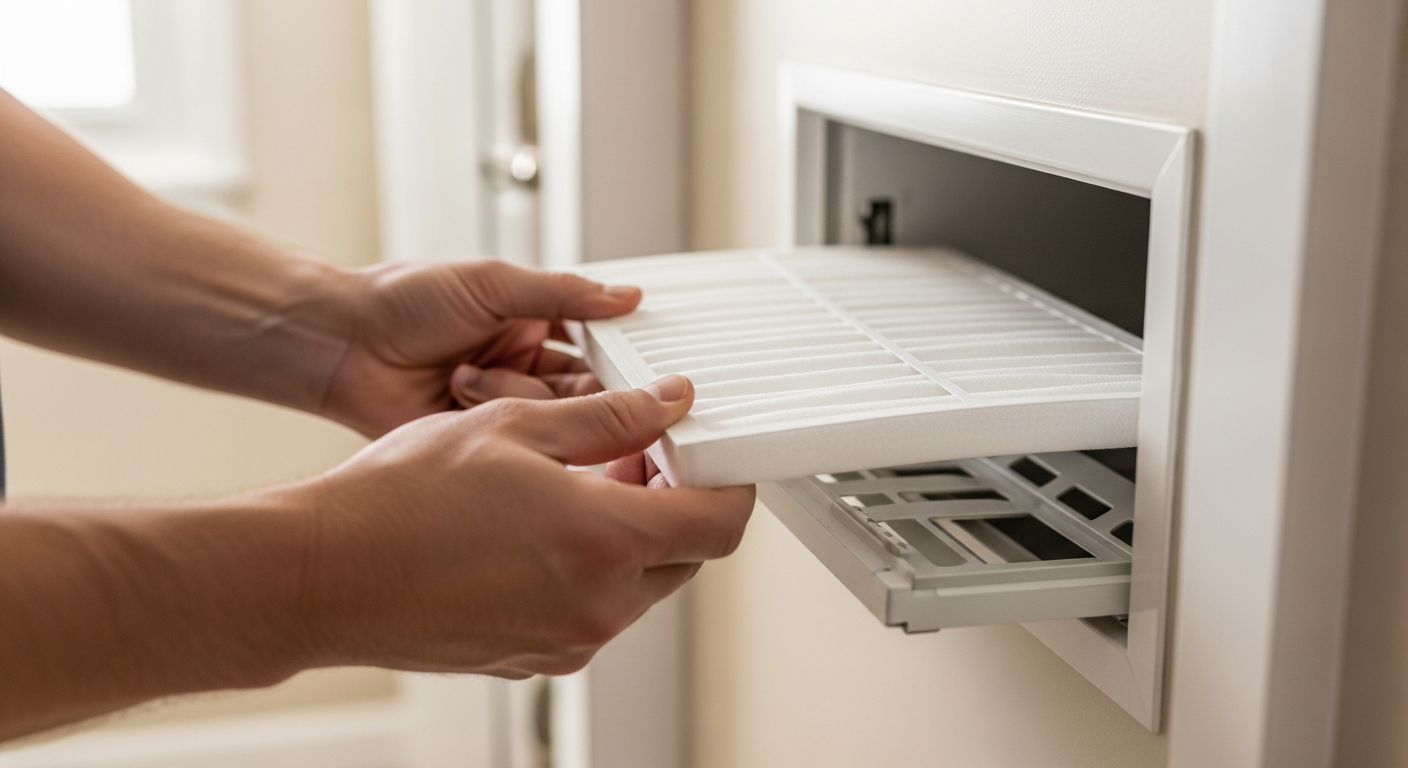
Duct Booster Fan Installation Cost
Uneven room temps? Duct booster fan installation costs: register fans $30–$100 DIY, inline fans $500–$800+ with pro. Learn when a booster works and when you need a bigger fix.
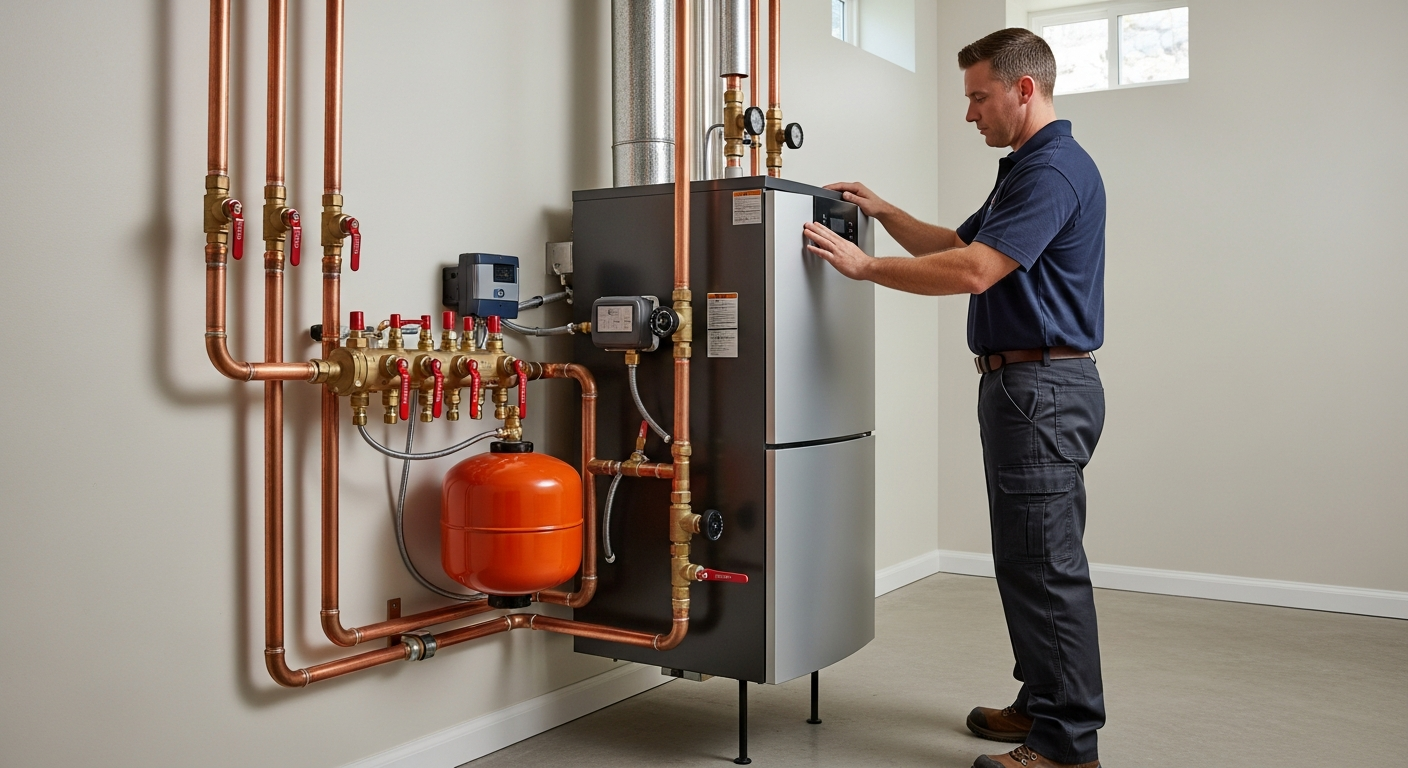
Makeup Air Unit Installation Cost Guide
Expect to pay $1,500–$4,500 for a pro-installed makeup air unit. Discover passive vs. tempered options, code triggers, and money-saving decision rules.