How Much Does a Pre-Season HVAC Inspection Cost
Pre-season HVAC inspections cost $75–$250 and prevent breakdowns. Learn what’s covered, how to save, and when annual plans make sense.
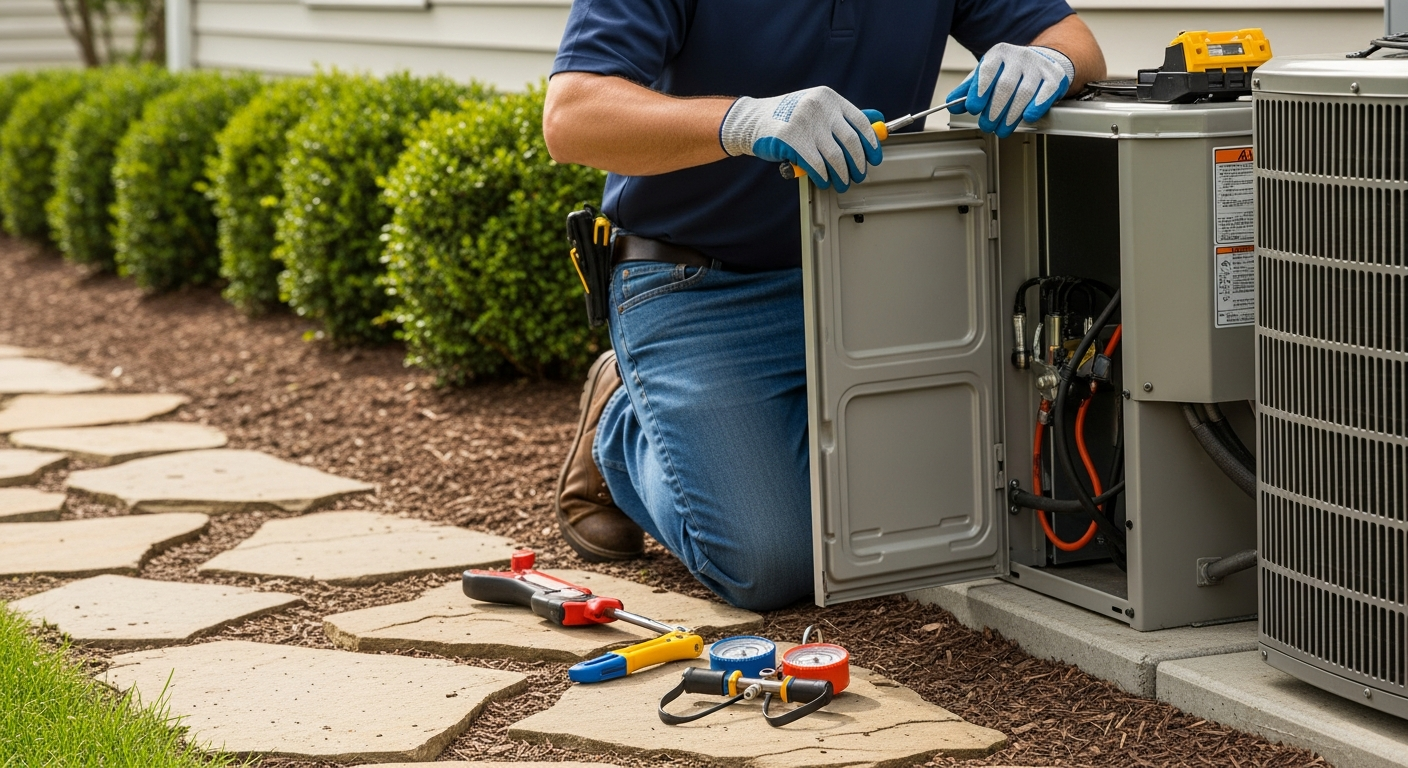
Invest in an Annual Maintenance Plan
A $150–$500 yearly plan covers two inspections, lowers energy bills, and catches small problems before they become expensive emergencies.
What Matters Most
- Twice-yearly inspections cut energy costs and extend system life.
- Annual maintenance plans usually pay for themselves with discounts and priority service.
- Always verify your technician is licensed and performs gas safety checks for combustion systems.
- Homeowners can safely change filters and clear debris, but leave refrigerant and electrical work to pros.
- Use free online tools to estimate costs and compare quotes before hiring.
Strengths
- Predictable budget via service plans.
- Reduced risk of mid-season breakdowns.
- Ensured manufacturer warranty compliance.
- Improved energy efficiency year-round.
- Early detection of safety hazards like carbon monoxide leaks.
Weaknesses
- Upfront cost if on tight budget.
- Some contractors upsell unnecessary repairs.
- Requires scheduling and being home for visits.
- Not all plans are equal—cheapest may skip critical tests.
Which Inspection Level Is Right for Your Home?
| Scenario | Usually Do | Why |
|---|---|---|
| System under 5 years, mild climate | Basic visual check ($50–$100) + DIY filter changes | Low risk of failure; catch obvious issues early |
| System 5–10 years, seasonal extremes | Standard inspection once per season ($80–$200 each) | Prevent wear from heavy loads; maintain warranty |
| System over 10 years, high humidity or cold winters | Comprehensive inspection twice a year (or maintenance plan) | Detect safety risks (CO, refrigerant) and avoid costly breakdowns |
What’s the Cost of a Pre-Season HVAC Inspection?
Typical pre-season HVAC inspections cost between $75 and $250 for a single visit, depending on system complexity and region. Homeowners who opt for an annual maintenance plan often pay $150–$500 per year, which usually includes two inspections (heating and cooling) and discounts on repairs. A professional checkup cleans coils, tests safety controls, and alerts you to pending failures—catching a $200 problem before it becomes a $2,000 emergency.
Quick Answer
A standard professional tune-up runs $80–$200 and should be scheduled twice a year. The cheapest way to maintain your system is through a service club or maintenance agreement, which lowers per-visit cost and can keep your equipment warranty valid. Budget-conscious homeowners can supplement professional care with safe DIY tasks like filter changes and debris clearing.
What Determines the Price?
| Service Level | Typical Cost | What’s Included | Best For |
|---|---|---|---|
| Basic visual check | $50–$100 | External unit cleaning, filter check, thermostat test, drain line visual inspection | Systems under 3 years old; proactive homeowners who do regular DIY upkeep |
| Standard tune-up | $80–$200 | Coil cleaning, fan and motor checks, temperature differential measurement, capacitor test, belt inspection, drain cleaning | Most homes; annual cooling or heating prep; warranty compliance |
| Comprehensive inspection | $150–$250 | All tune-up items plus combustion safety test, refrigerant level check, heat exchanger inspection, ignition system review, static pressure test | Older systems (10+ years), homes with gas furnaces, high humidity regions |
| Annual maintenance plan | $150–$500/year | Two full inspections (spring and fall), priority scheduling, discount on repairs, sometimes includes filters | Homeowners wanting predictable costs and no-hassle scheduling |
Safety Boundaries: What You Can — and Can’t — Do Yourself
Safe Homeowner Tasks
- Replace air filters every 1–3 months
- Clear debris, leaves, and vegetation around outdoor condenser unit (2-foot clearance)
- Check and adjust thermostat settings and batteries
- Listen for unusual noises during startup
- Visually inspect condensate drain for clogs (do not use chemical cleaners)
- Ensure supply and return vents are not blocked by furniture or drapes
Pro-Only Work – Do Not Attempt
These tasks require specialized tools, licensing, and safety protocols. Improper handling can cause injury, void warranties, or create lethal hazards.
- Refrigerant level checks or charging
- Gas valve, burner, or heat exchanger inspection or repair
- Capacitor, contactor, or control board testing or replacement
- Compressor diagnosis or replacement
- High-voltage electrical work (disconnect, wiring, breaker)
- Flue or venting system adjustments
If your system requires any of the above, find a licensed HVAC professional immediately.
Decision Rules: Inspection, Repair, or Replace?
- If your system is under 5 years old and has had no issues, a basic check may suffice annually, but standard tune-ups keep warranty intact.
- If the system is 5–10 years old, invest in a comprehensive inspection twice a year—failure risk rises, and a small repair now prevents a $1,500+ compressor failure later.
- If the system is over 10 years old and the repair quote exceeds 50% of a new unit’s cost, use our repair or replace calculator to decide. Frequent breakdowns or R-22 refrigerant use also tilt toward replacement.
- If your energy bills have spiked 20%+ without explanation, a thorough inspection can pinpoint the cause (dirty coils, refrigerant leak, duct leaks).
Use These Free Tools Before You Schedule
- HVAC Cost Estimator – Get localized price ranges for inspections, repairs, and new systems.
- Quote Checker – Validate your contractor’s bid against fair market rates.
- System Age Decoder – Find your unit’s manufacture date to assess warranty status.
- Repair or Replace Calculator – Input age, repair cost, and efficiency to see if replacement saves money long-term.
Contractor Vetting Checklist
- Are you licensed and insured in my state? Ask for license number.
- Do you have experience with my specific brand and system type (e.g., heat pump, dual-fuel)?
- Will you provide a written, itemized estimate before work begins?
- Does the inspection price include any diagnostics, or are those extra?
- Will you perform a combustion safety test on my furnace (if gas)?
- Do you offer an annual maintenance plan, and what exactly does it cover?
- Can you show me before/after photos of coil cleaning or other critical tasks?
- What is your warranty on inspection findings and any repair work?
Always check reviews on HVACDatabase.com and compare contractors before booking.
Local Climate Adjustments
- Hot & Humid (Southeast, Gulf Coast): Prioritize coil cleaning and drain line treatment every spring. Humidity causes mold and algae that clog drains and reduce efficiency. See our fall preparation guide for off-season tasks.
- Extreme Cold (Midwest, Northeast): Heat exchanger and carbon monoxide checks are critical. Schedule gas furnace inspection in early fall. Also, learn how to winterize your outdoor AC unit before first freeze.
- Coastal Areas: Salt air corrodes coils and controls. Inspections that include corrosion protection or coastal-rated coatings may be worth the extra cost. Use our BTU calculator to ensure proper sizing for humid summers.
- Older Homes: Duct leakage and inadequate return air are common. Ask your technician about the cost to add a return air vent if rooms are unevenly heated/cooled.
How We Estimate HVAC Inspection Costs
Our cost ranges are based on analysis of thousands of service quotes from HVACDatabase’s network, contractor surveys, and public pricing data. We also factor in regional labor rates, typical profit margins, and common system configurations. These are editorial estimates, not guaranteed prices. Actual costs vary by season, accessibility, urgency, and your home’s specific equipment. Always obtain at least three quotes and use our quote checker to identify outliers.
Frequently Asked Questions
How often should I schedule pre-season HVAC inspections?
Twice a year—once before cooling season (spring) and once before heating season (fall). Older systems or homes in extreme climates benefit from this routine. Some manufacturers require it for warranty coverage.
Can I skip an inspection if my system seems to work fine?
You can, but you risk undetected issues like refrigerant micro-leaks, corroded electrical connections, or carbon monoxide seepage. These problems rarely show symptoms until a breakdown or safety incident occurs. A missed inspection could also void your equipment warranty.
What’s the difference between a tune-up and a full inspection?
A tune-up usually focuses on cleaning and basic operational checks (filters, coils, thermostat). A full inspection adds diagnostic tests: combustion analysis, refrigerant pressure measurement, static pressure, and safety device testing. Your system age and fuel source determine which level you need.
Are HVAC maintenance plans worth the cost?
For most homeowners, yes. An annual plan averaging $250–$400 covers two inspections that would cost $160–$400 separately, plus priority service and repair discounts. They also help you remember seasonal maintenance. Read the fine print—some plans exclude parts or after-hours calls.
Does a pre-season inspection increase home value when selling?
Not directly, but a well-documented maintenance history demonstrates to buyers that the system is cared for and may reduce friction during home inspections. It can also support a higher effective asking price if the HVAC system is older but proven reliable.
Methodology
HVACDatabase estimates combine common contractor price patterns, service-category pricing ranges, equipment complexity, urgency, regional labor variation, and known HVAC safety boundaries. Actual prices vary by city, brand, system size, access, warranty status, permit requirements, and whether the visit discovers ductwork, electrical, refrigerant, gas, or drainage issues. Use these numbers to sanity-check quotes, not as a guaranteed price.
Related articles
Connect this page to adjacent guides so readers keep moving deeper into the topic cluster.

Cost to Install Multiple Smart Thermostats
Get a clear cost breakdown for installing 2–4+ smart thermostats. Includes equipment, labor, zoning upgrades, and how to save with utility rebates. Practical checks and contractor questions inside.
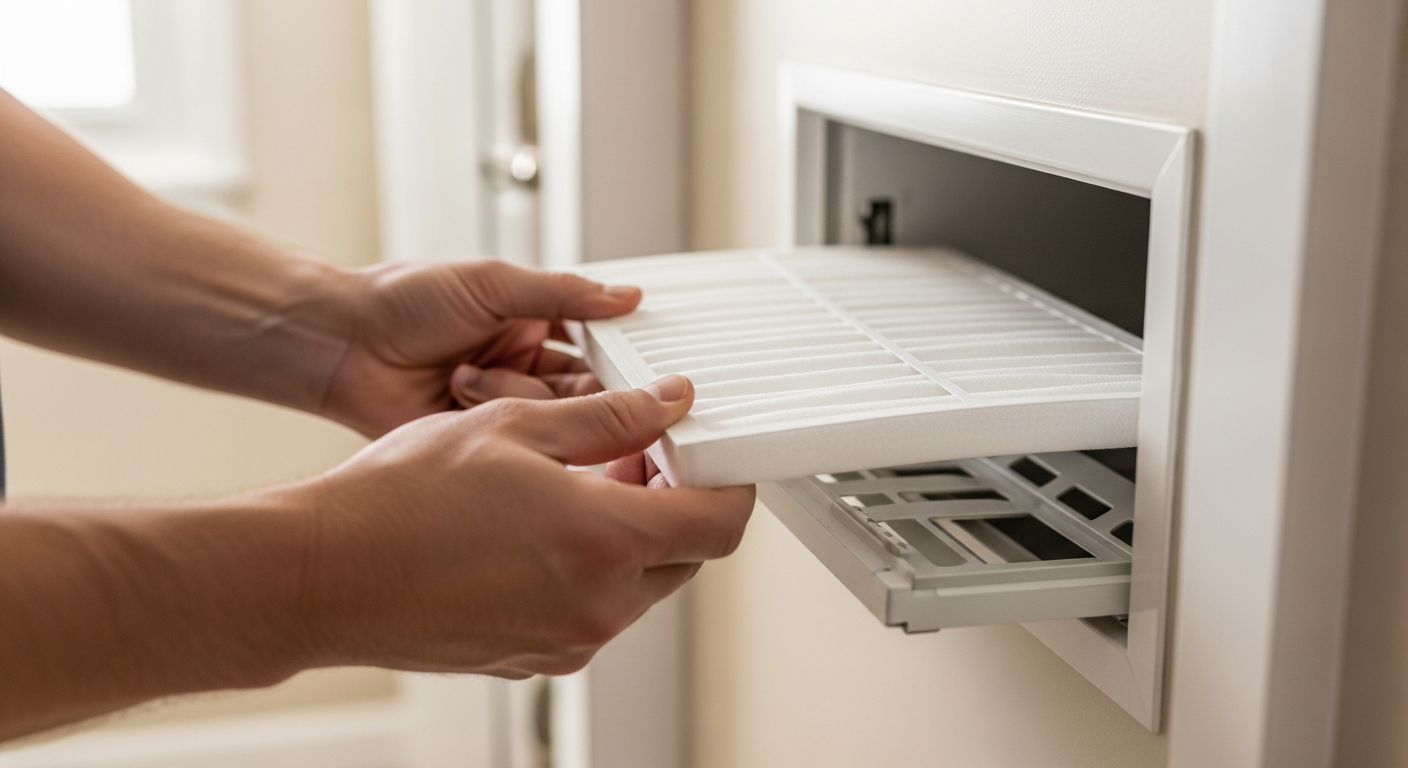
Duct Booster Fan Installation Cost
Uneven room temps? Duct booster fan installation costs: register fans $30–$100 DIY, inline fans $500–$800+ with pro. Learn when a booster works and when you need a bigger fix.
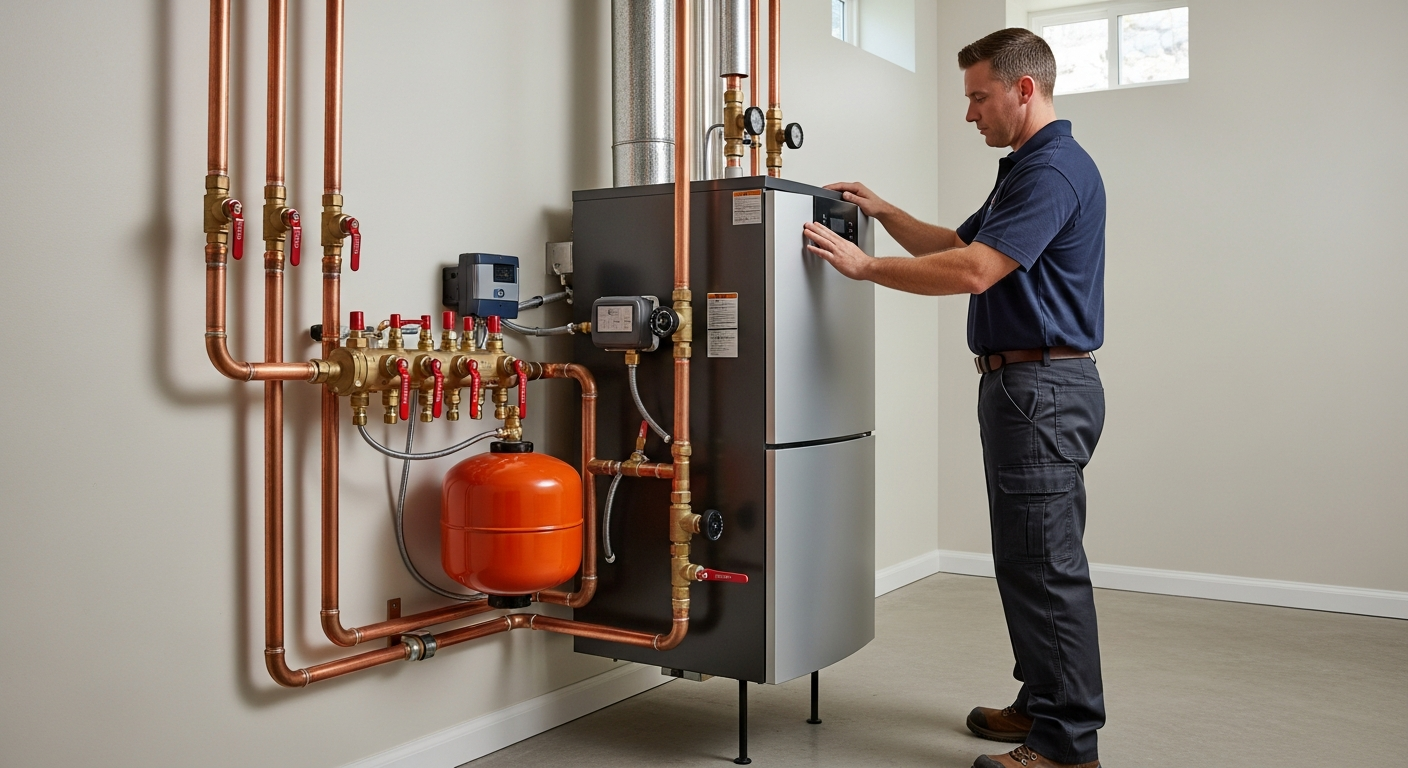
Makeup Air Unit Installation Cost Guide
Expect to pay $1,500–$4,500 for a pro-installed makeup air unit. Discover passive vs. tempered options, code triggers, and money-saving decision rules.