How to Choose HVAC for a Modular Home
Choosing the right HVAC for a modular home requires balancing space efficiency and energy performance. Discover which systems work best for your factory-built residence.
Understanding HVAC Needs for Modular Homes
Modular homes are built to the same local building codes as site-built houses, but their unique factory-constructed nature offers specific advantages for HVAC installation. Because these homes are often built with tighter seals and better insulation, your heating and cooling requirements might be lower than you expect.
When planning your system, you must consider the footprint of the home and whether it is set on a crawlspace, basement, or slab. This decision dictates where your ductwork and air handlers will live. Finding the right balance between comfort and efficiency is easier when you use a platform like HVACDatabase.com to find contractors experienced in modular construction.
Top HVAC System Options for Modular Housing
Selecting the right equipment depends on your budget and the layout of your modules. Unlike manufactured (mobile) homes, modular homes can support standard residential HVAC equipment.
Ductless Mini-Split Systems
Ductless mini-splits are increasingly popular for modular designs. Since they don't require bulky ductwork, they are perfect for homes where ceiling height or floor space is at a premium.
- Individual temperature control for different rooms.
- Extremely high energy efficiency ratings.
- Easier to install in homes with limited attic or crawlspace access.
If you are worried about noise from exterior units, it is helpful to learn how HVAC manufacturers are addressing noise complaints to ensure your yard remains a quiet sanctuary.
Central Air and Forced Air Furnaces
If your modular home is designed with a basement or a dedicated utility closet, a traditional central air system is a robust choice. This setup provides consistent airflow throughout all rooms using a network of ducts.
Before you commit to a specific layout, you should research what are the different types of HVAC systems explained to see which matches your local climate best. Central systems are often the most cost-effective for larger, multi-story modular floor plans.
The Importance of Proper Sizing
One of the most common hvac mistakes new homeowners make is installing a system that is too large for the space. In a well-insulated modular home, an oversized unit will short-cycle, leading to high humidity and premature wear on the compressor.
A professional contractor will perform a Manual J load calculation. This takes into account the square footage, window placement, and insulation values specific to your modular manufacturer’s specs.
Integrating Modern Technology
Modern modular homes often incorporate sustainable tech. If you are going green, you might want to look into how to plan HVAC for a home with solar panels to maximize your energy independence. Electric heat pumps are the ideal companion for solar arrays.
Zoning for Multi-Section Homes
Modular homes consisting of multiple sections can sometimes have uneven temperatures. Learning how to install a zoning damper system can solve this by allowing you to heat or cool the living area and bedrooms independently.
Installation Challenges in Modular Construction
The biggest challenge with modular HVAC is the marriage line—the point where two modules connect. Ductwork must be precisely aligned and sealed at these junctions to prevent air leaks.
While modular homes differ from traditional log or stone structures, some principles remain the same. For instance, tips for HVAC in homes with stone or brick walls often emphasize the importance of maintaining the building envelope, which is just as critical in modular assembly.
Maintenance Tips for New Modular Homeowners
Once your system is installed, maintaining it is key to longevity. Because modular homes are built so tightly, indoor air quality is a major factor. Consider these steps:
- Change air filters every 60-90 days to maintain airflow.
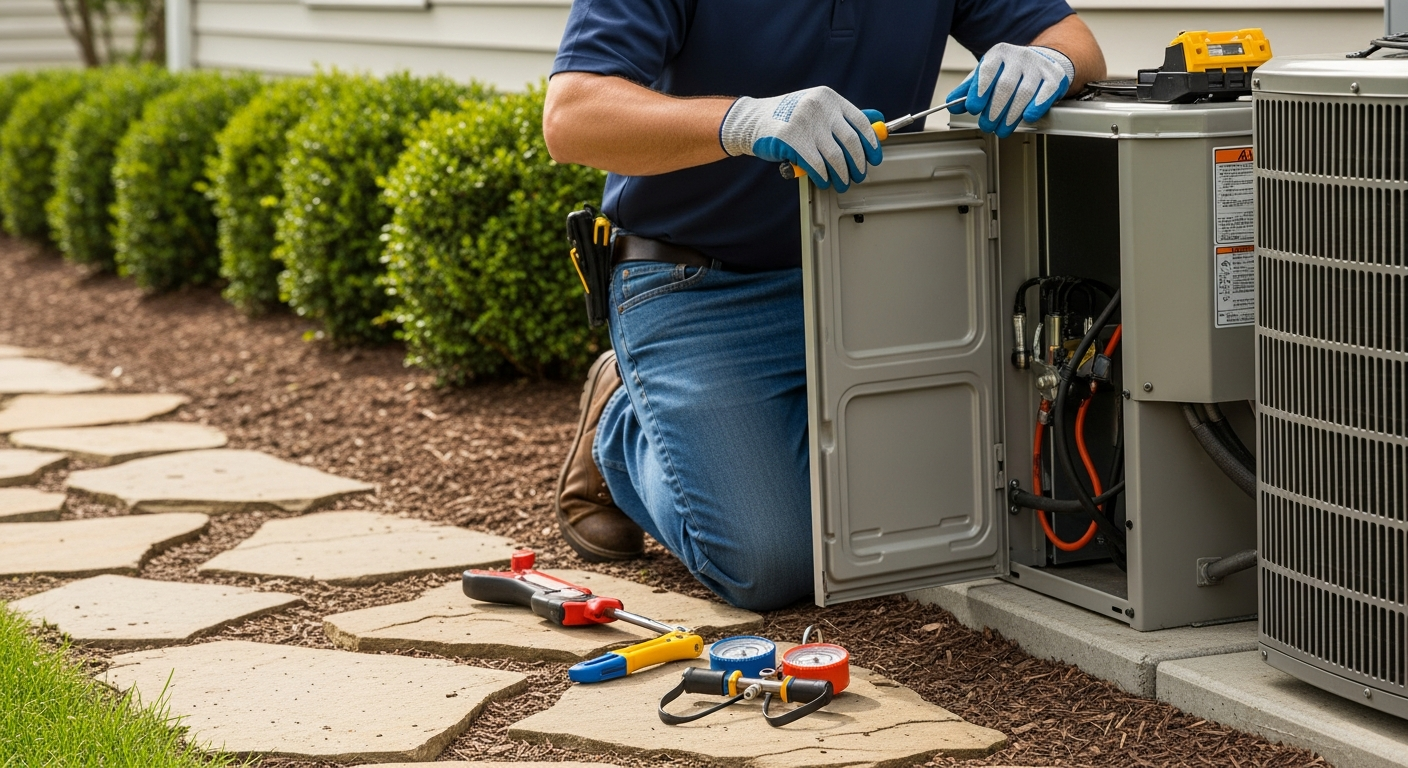
- Keep the outdoor condenser clear of debris and landscaping.
- Schedule annual professional inspections through a trusted technician found on HVACDatabase.com.
If you are moving from a traditional home to a more specialized build, you might find similarities in how to choose HVAC for a log cabin, where space-saving and efficiency are the top priorities.
Final Thoughts
Choosing the right HVAC for your modular home doesn't have to be overwhelming. By focusing on modern heat pump technology or space-saving ductless units, you can ensure your new home is comfortable from the day the modules are set. Always work with licensed professionals who understand the nuances of factory-built housing to ensure your warranty remains valid and your energy bills stay low.
Related articles
Connect this page to adjacent guides so readers keep moving deeper into the topic cluster.

How to Read HVAC Wiring Diagrams
Demystify your furnace or AC with our guide to HVAC wiring diagrams. Learn to identify symbols, colors, and components like a professional technician.
How to Choose HVAC for a Log Cabin
Selecting HVAC for a log cabin requires balancing aesthetics with efficiency. Learn which systems work best for timber structures and how to maintain comfort.

Cost of Basic HVAC Diagnostic Tools
Curious about the price of HVAC diagnostic gear? We break down the costs of essential tools for homeowners and explain when professional help is required.