How to File an HVAC Warranty Claim
Discover how to navigate the HVAC warranty claim process efficiently to save on repair costs and keep your home comfort system running smoothly.
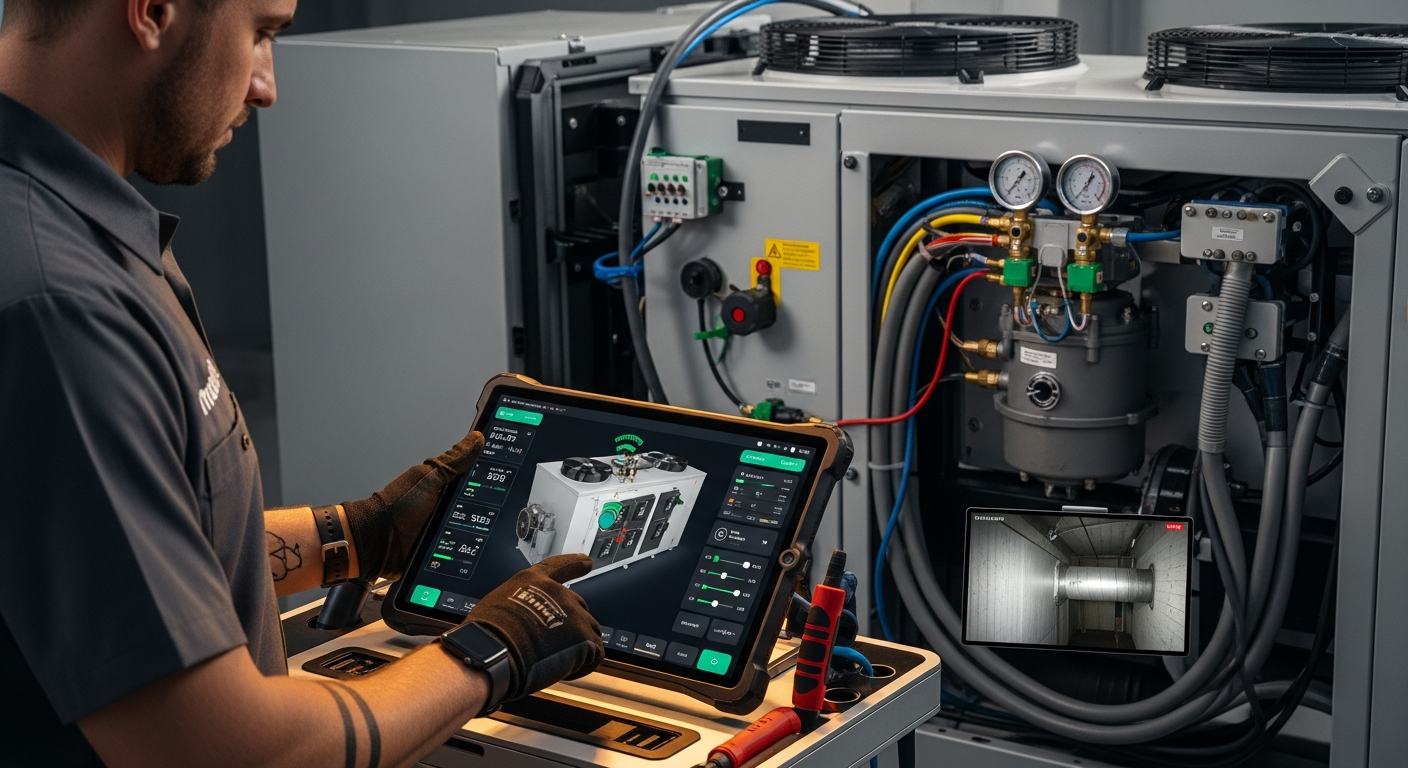
Understanding Your HVAC Warranty
When your heating or cooling system fails, the first thing you likely check is the warranty. Most modern systems come with a manufacturer warranty that covers major components. However, navigating the fine print can be frustrating for homeowners caught in the heat or cold.
Generally, HVAC warranties are split into two categories: parts and labor. The manufacturer typically covers the parts, while the contractor who installed the unit often provides a separate labor warranty. Understanding this distinction is the first step in a successful claim.
Manufacturer vs. Labor Warranties
Manufacturers like those found in our most reliable furnace brands guide usually offer a 5-to-10-year limited warranty on parts. This covers expensive items like the compressor or heat exchanger if they fail due to defects.
Labor warranties are different. These are provided by the HVAC company that performed the installation. If your unit is only two years old, the part might be free, but you could still owe hundreds of dollars in service fees if your labor warranty has expired.
Step 1: Locate Your Documentation
Before calling a technician, gather your paperwork. You will need the model number and serial number of both your indoor and outdoor units. This information is usually found on a metal data plate on the side of the equipment.
If you cannot find your original invoice, check the manufacturer's website. Most brands allow you to look up warranty status by entering your serial number. If you are comparing systems, you might notice differences in coverage when looking at a Heil HVAC equipment buying guide versus other brands.
Step 2: Verify Registration Status
One of the biggest hurdles in filing a claim is registration. Many manufacturers require homeowners to register their product within 60 to 90 days of installation to receive the full 10-year warranty. Failure to register often drops the coverage period down to just 5 years.
If you recently moved into a home, check if the warranty is transferable. Some brands allow a one-time transfer to a new owner for a small fee, provided it is done within a specific timeframe after the home closing.
Step 3: Choose a Qualified Contractor
Most manufacturers require that warranty repairs be performed by a licensed professional. Attempting a DIY fix on a warrantied part can immediately void your coverage. This is why it is essential to find a reputable local expert.
Homeowners can find trusted HVAC contractors on HVACDatabase.com to ensure the technician is experienced with their specific brand. A qualified pro will know exactly how to document the failure to satisfy the manufacturer's requirements.
Step 4: The Inspection and Diagnosis
When the technician arrives, they must diagnose the specific cause of failure. The manufacturer will only honor the claim if the part failed due to a factory defect, rather than neglect or improper installation. For instance, using the wrong chemicals during a repair might cause issues, so always follow tips for choosing the right HVAC refrigerant type to keep things standard.
Keep in mind that you will likely have to pay a diagnostic fee upfront. Even if the part is covered, the contractor must spend time and fuel to visit your home and identify the problem.
Step 5: Filing the Paperwork
In most cases, the HVAC contractor handles the actual filing with the manufacturer. They will submit the model and serial numbers along with a description of the failure. The manufacturer then ships the replacement part to the contractor or provides credit for a part pulled from local stock.
Ensure you ask for a copy of the claim confirmation. This provides a paper trail in case the replacement part also fails prematurely. If you are debating a major repair on an older unit, you might want to learn how to choose between budget and premium HVAC brands for a full replacement instead.
Common Reasons HVAC Claims are Denied
Manufacturers look for any reason to deny a claim to protect their bottom line. The most common reason for denial is a lack of maintenance. If you cannot prove the system was serviced annually, the manufacturer may argue that the part failed due to dirt or strain rather than a defect.
Other reasons for denial include:
- Improper equipment sizing for the home.
- Installation by an unlicensed individual.
- Use of non-OEM (Original Equipment Manufacturer) parts.
- Damage caused by power surges or natural disasters.
While a warranty won't cover surges, you can protect your system's performance by knowing how to size a standby generator for your HVAC to maintain power during outages.
Maximized Protection Through Maintenance
The best way to ensure your warranty remains valid is through consistent upkeep. Keep your receipts for filter changes and professional tune-ups. Small upgrades, like learning how to install an automatic vent damper or knowing how to add blown-in insulation to walls, can also reduce the overall load on your system, preventing the wear and tear that leads to claims.
If you are currently facing a breakdown, don't panic. Visit HVACDatabase.com to connect with professionals who can help you navigate the warranty process and get your home back to a comfortable temperature quickly and affordably.
Related articles
Connect this page to adjacent guides so readers keep moving deeper into the topic cluster.

How to Decode Your HVAC Unit Age From the Serial Number
Discover how to decode your HVAC unit's serial number to determine its age and plan for future maintenance or replacement.

Tips for Choosing the Right HVAC Refrigerant Type
Selecting the right HVAC refrigerant is crucial for system efficiency and environmental impact. Learn how different types affect your home comfort and costs.
Tips for Matching Indoor and Outdoor HVAC Units
Discover why pairing the right indoor and outdoor HVAC components is essential for maximum efficiency and how to avoid costly system mismatches.