How to Install a Fresh Air Intake
Improve your home’s air quality and prevent backdrafting with a fresh air intake. Practical decision guide for homeowners: when to install, what it should cost, and key safety steps.
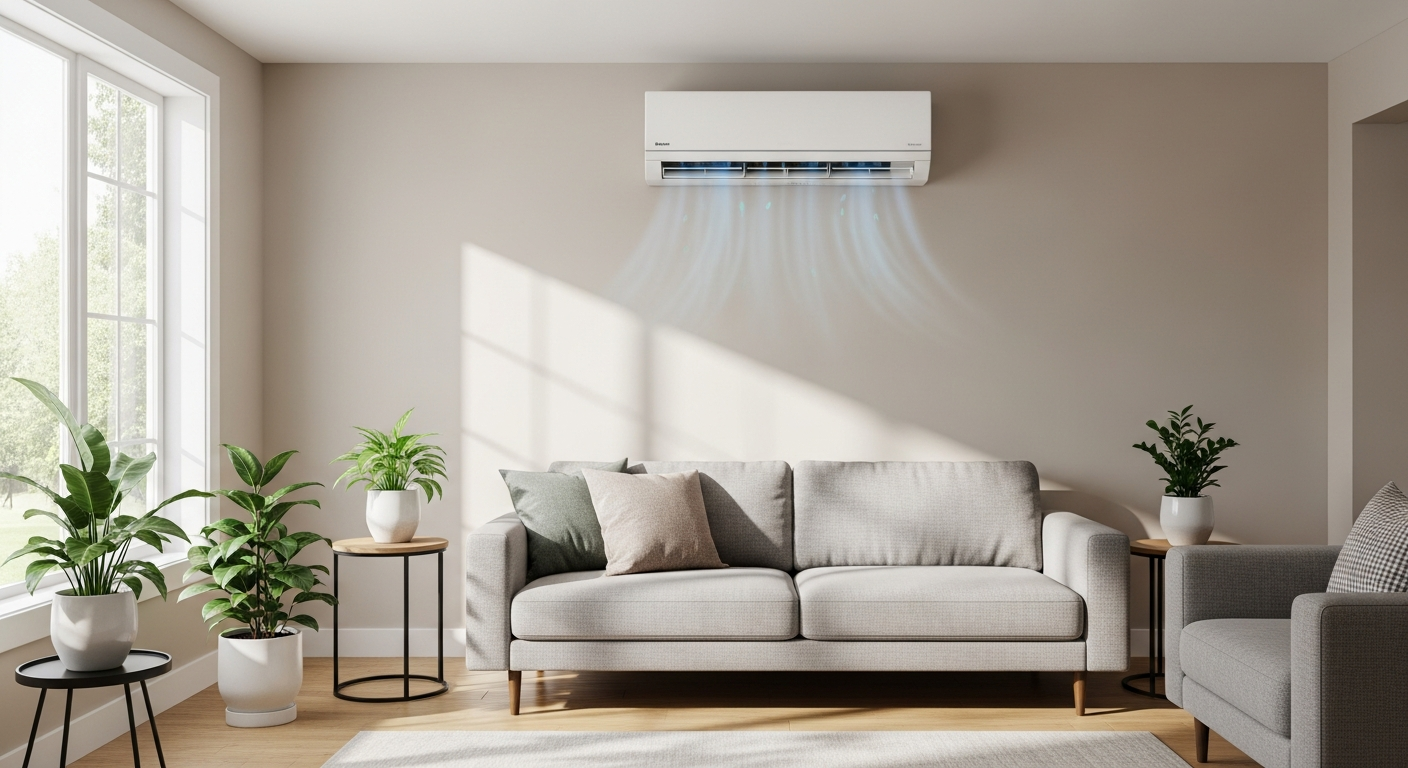
When to install a fresh air intake, and how to do it safely
If your home is tightly sealed or you smell combustion odors, a fresh air intake is a code-compliant solution. DIY installation is possible for experienced homeowners, but most should hire a pro to ensure proper sizing and avoid moisture issues.
What Matters Most
- A fresh air intake improves indoor air quality and prevents backdrafting.
- Costs range from $300 to $1,500 depending on complexity.
- Always use insulated duct and a motorized damper in cold climates.
- Professional installation is recommended for warranty and safety.
- Regularly inspect and clean the exterior vent screen.
Strengths
- Reduces indoor pollutants and CO2 buildup.
- Prevents negative pressure that can downdraft combustion appliances.
- Can be integrated with existing HVAC filtration.
- Motorized dampers maintain energy efficiency by closing when not needed.
Weaknesses
- Improper installation can cause condensation and mold in the duct.
- May increase heating/cooling load if not controlled.
- Requires careful location to avoid pulling in contaminants.
- DIY mistakes can void HVAC warranties or create safety hazards.
Decision Summary
| Scenario | Usually do | Why |
|---|---|---|
| New tightly built home (<5 ACH50) | Install a fresh air intake | Code may require it; prevents sick building syndrome |
| Older home with natural leaks (≥7 ACH50) | May not be necessary | Natural infiltration provides enough air; test first |
| Home with gas appliances and backdrafting signs | Install immediately with pro | Safety risk of CO poisoning |
| Home in cold climate | Install with insulated duct and damper | Prevents condensation and freezing |
| Home in humid climate | Install with dehumidification consideration | Excess outdoor humidity must be managed |
Quick Answer
A fresh air intake duct brings filtered outdoor air into your HVAC return plenum. It solves negative pressure, improves air quality, and is often required in newer homes. Typical costs range from $300–$1,500 installed. Many homeowners can plan the project but should hire an HVAC contractor for the actual installation to ensure proper sizing and avoid moisture problems.
Why a Fresh Air Intake Matters
Modern energy codes and tight building envelopes can trap pollutants, moisture, and CO2 indoors. Without a dedicated intake, exhaust fans and attic vents can create negative pressure, pulling in unfiltered air—or worse, backdrafting carbon monoxide from gas appliances. Adding a fresh air intake is the most reliable way to deliver controlled, filtered outdoor air to your living spaces.
When to Install: Decision Tree
Click to expand decision rules
Start here:
- Do you have a newer home (built after 2000) or after a major air-sealing retrofit? → Yes: You likely need one. Check local code (IECC requires mechanical ventilation for tight homes).
- Do you notice lingering odors, stuffy air, or excess humidity even when HVAC runs? → Yes: Fresh air intake can help.
- Do you have gas appliances (furnace, water heater, fireplace) and smell exhaust fumes or see soot? → Yes: STOP – You may have dangerous backdrafting. Evacuate and call a technician immediately. A fresh air intake may be part of the fix but professional assessment is critical.
- Is your home in a cold climate (Zone 5+) with a high-efficiency furnace? → Yes: Special considerations apply; see cold climate section below.
If you answered "Yes" to questions 1 or 2 without safety concerns, a fresh air intake is a solid investment.
What It Costs (Editorial Estimates)
| Item | Range | Notes |
|---|---|---|
| DIY materials only | $60–$300 | Duct, vent hood, damper, sealant; excludes hole saw rental |
| Professional installation | $300–$1,500 | Labor, materials, permitting; varies by region, access, insulation type |
| Motorized damper upgrade | $100–$500 add-on | Recommended for energy savings; often included in pro quotes |
| Permit (if required) | $50–$200 | Check local building department |
Estimates are editorial averages and may not reflect your exact costs. Get multiple quotes using our Quote Checker.
Safety Boundaries: What Homeowners Can Check, What Pros Must Handle
Safe for Homeowners
- Inspect exterior for proper clearance (at least 12 inches above snow line, away from dryer vents, gas meters, trash cans).
- Check existing fresh air intake screens for debris or ice buildup.
- Listen for unusual whistling or airflow noises that might indicate a stuck damper.
- Monitor indoor humidity and install a hygrometer; excessive humidity may point to a problem.
Leave to Licensed HVAC Contractors
- Cutting through exterior walls, rim joists, or siding (structural, moisture, and pest risks).
- Connecting ductwork to the return plenum (affects system static pressure and airflow balance).
- Installing automatic dampers or wiring controls (electrical integration with the HVAC system).
- Calculating required CFM and duct size based on home air changes (ASHRAE 62.2 standard).
- Any modification to a high-efficiency sealed combustion furnace or water heater (danger of compromising sealed combustion).
- Dealing with gas lines, flues, or combustion air requirements.
If you attempt a DIY install, you risk your warranty, code compliance, and safety. The steps outlined here are for educational planning, not a substitute for professional work.
Step-by-Step Overview (For Planning, Not DIY Instructions)
- Load Calculation: A pro uses Manual J or ASHRAE 62.2 to determine how much outdoor air (CFM) is needed and selects appropriate duct diameter (typically 4–6 inches).
- Exterior Hood Placement: Must be at least 10 feet from contaminant sources, 12 inches above grade/snow, and not in a known moist area.
- Hole and Seal: An insulated duct passes through the rim joist, sealed with a flashing and caulk to prevent water and air leaks.
- Motorized Damper: Installed in-line, wired to open only when the HVAC fan runs (or on a timer), to prevent unwanted infiltration.
- Insulated Flexible Duct: Routed with minimal bends, supported every 4 feet, and connected to the return plenum upstream of the filter.
- Integration: Some systems use a dedicated fresh air controller that monitors indoor pressure or CO2 levels.
Never tap into a supply duct or near a furnace combustion intake—this creates dangerous conditions. Always filter the incoming air; a basic MERV 8 filter at minimum.
Local Climate Considerations
Cold Climates (Zones 5–8)
Frigid outdoor air can freeze the duct interior or cause condensation that leads to mold. Insulated duct is a must, and a motorized damper with a low-temperature cutoff is wise. Some systems pre-heat the air with a small electric heater or route through an HRV. Expect higher costs ($1,000–$2,000+) when deep cold is a factor. See our ERV/HRV guide for whole-house balanced ventilation options.
Hot, Humid Climates (Zones 1–3)
Introducing warm, moist air can overwork your AC and raise indoor humidity. A fresh air intake should be coupled with a dehumidifier or an ERV to remove moisture before it enters the home. Motorized dampers should close when the AC isn't running to avoid latent load. Check our BTU Calculator to size equipment for added load.
Coastal and Windy Areas
High winds can force air backward through the intake. A barometric damper or a louvered hood with a backdraft damper prevents wind-driven rain and pressure fluctuations.
Older Homes (Pre-1980s)
These are often leaky enough that a fresh air intake may not be needed; focus on air sealing and balanced mechanical ventilation if you're renovating. A blower door test can guide the decision. Use our Repair or Replace Calculator if your HVAC system is aging and you’re considering upgrades.
Contractor Checklist: Questions to Ask Before Hiring
- “Will you perform a Manual J load calculation or blower door test to size the intake?”
- “What type of damper will you install, and how does it control airflow?”
- “How do you prevent condensation in the duct in my climate?”
- “Will the fresh air intake be filtered, and what MERV rating?”
- “Is the exterior hood positioned to meet IRC code clearances?”
- “Do you pull permits for this type of work?”
- “Can you provide a line-item quote that separates materials and labor?”
- “How does this installation affect my existing HVAC warranty?”
- “What maintenance do you recommend, and can you do it annually?”
Find licensed, insured contractors on HVACDatabase.com and use our comparison tool to evaluate bids.
Tools & Calculators to Help You Decide
- BTU Calculator – Understand your home’s heating/cooling load to avoid oversizing equipment.
- Quote Checker – Upload your installer quotes to see if costs are in line.
- HVAC Cost Estimator – Get a rough idea of project cost by region.
- Repair or Replace Calculator – If your furnace is old, see if adding ventilation is worth it versus a full system upgrade.
Maintenance and Upkeep
A fresh air intake is not set-it-and-forget-it.
- Quarterly: Visually inspect the exterior hood screen for blockages; clean with a brush or vacuum.
- Seasonally: Check the damper operation; listen for unusual sounds when the fan cycles. In fall, clear leaves; in winter, brush away snow.
- Annually: Have your HVAC technician inspect the duct for condensation, mold, and insulation integrity as part of a standard maintenance visit (typical cost $80–$250). Replace the inline filter if your system uses one.
A clogged intake starves your system of air and can cause the furnace to overheat or the AC coil to freeze. If you notice ice on the outdoor unit in summer, inadequate airflow may be the culprit—call for service immediately.
Methodology
The recommendations and cost estimates in this article are based on editorial review of industry standards (ASHRAE 62.2, International Mechanical Code), common installation practices, and aggregated regional pricing data. Costs are presented as broad ranges and may not reflect your actual project due to labor rates, material price fluctuations, and home-specific challenges. Always obtain multiple in-person quotes. Our decision tree draws on guidelines from ENERGY STAR and Building America Solution Center.
Frequently Asked Questions
Can I install a fresh air intake myself?
While a handy homeowner can physically cut a hole and connect ductwork, it’s not recommended. Mistakes in locating the hood, insulating the duct, or sizing the CFM can lead to moisture damage, frozen ducts, or backdrafting. If you proceed, consult your local building department and HVAC manual, but the safest path is to hire a pro.
Does a fresh air intake make my home colder in winter?
It can, but a motorized damper that closes when the HVAC fan is off minimizes cold drafts. Some systems pre-temper the air by running the fan at low speed or using a small auxiliary heater. Insulated ducting also prevents the supply air from cooling down before it mixes with return air.
What’s the difference between a fresh air intake and an HRV/ERV?
A fresh air intake is a one-way duct that brings outdoor air directly into the return. An HRV (heat recovery ventilator) or ERV (energy recovery ventilator) is a two-way balanced system that exchanges indoor air with outdoor air while recovering energy. HRVs/ERVs are more efficient but cost significantly more. A fresh air intake is simpler and often sufficient in mild climates. See our ERV/HRV article.
How do I know if my furnace already has a fresh air intake?
Look for a 4–6 inch insulated duct connected to the return plenum that leads to an exterior vent. In many basements, you’ll see a pipe near the furnace that goes up to an exterior wall. If you have a high-efficiency furnace with PVC intake and exhaust pipes, that’s for combustion air, not whole-house ventilation. A dedicated fresh air intake is separate from combustion air.
Will a fresh air intake lower my utility bills?
It’s unlikely to lower bills directly; purpose is health and code compliance. It can actually increase heating/cooling costs slightly due to the conditioning of outdoor air. However, a properly controlled intake with a damper has a negligible impact on energy use, especially compared to the cost of mold remediation or health issues.
Related articles
Connect this page to adjacent guides so readers keep moving deeper into the topic cluster.
How to Implement a Whole Home Energy Management System
Integrate smart tech and HVAC controls to cut energy waste. This guide shows how to audit, upgrade, and automate your home's energy use, with real savings estimates.

How to Set Up Thermostat Geofencing
Set up thermostat geofencing to automatically adjust home temperature as you come and go. Save energy, extend equipment life, and never return to an uncomfortable house. Get our quick-start guide now.
How to Troubleshoot Smart Thermostat WiFi Issues
Your smart thermostat offline? Most WiFi drops can be fixed with power checks, router adjustments, and simple restarts. Follow our step-by-step guide to regain remote control and energy savings.