How to Install Dryer Vent Ducting
Installing dryer vent ducting correctly prevents fires and boosts efficiency. This guide helps homeowners choose materials, plan the route, and decide when DIY is safe—or when to hire a vetted pro.
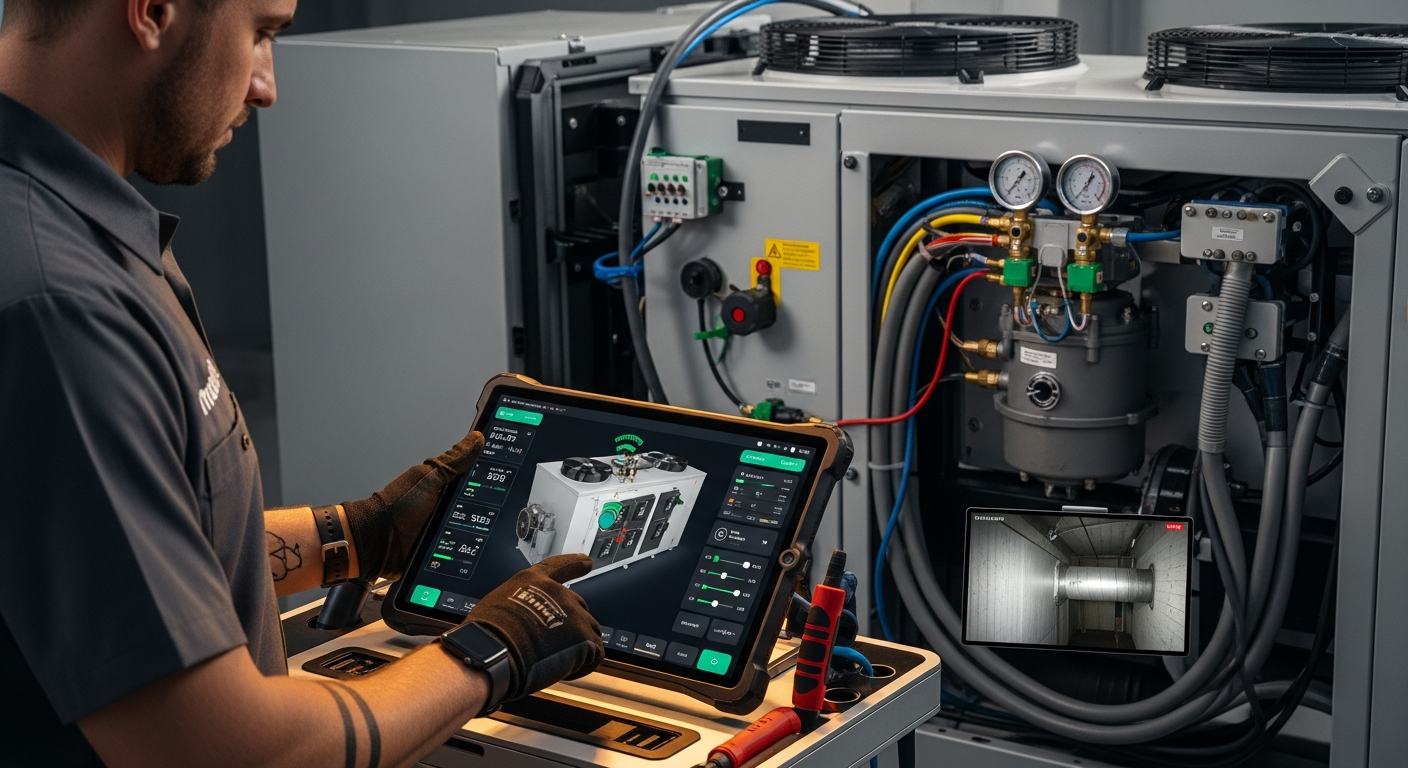
Rigid metal ducting only
For fire safety and code compliance, homeowners should use rigid metal duct and keep runs short. DIY is possible for simple electric dryer setups; otherwise, hire a pro.
What Matters Most
- Always use rigid metal ducting
- Limit vent length to 25 feet (minus 5 per elbow)
- Never use screws or fabric tape to join sections
- Test airflow before final positioning
- Clean the vent annually
Strengths
- Significantly reduces fire risk
- Improves dryer efficiency and longevity
- DIY can save $200–$500 in labor
- Straightforward for handy homeowners
Weaknesses
- Mistakes can create hidden lint blocks
- Gas dryers add complexity that may require a pro
- Cutting into exterior walls risks water leaks if not sealed properly
- Older homes may have hidden hazards like asbestos
Decision Summary
| Scenario | Usually do | Why |
|---|---|---|
| Short, simple vent route, electric dryer | DIY | Lower cost, quick; safe if rigid materials used |
| Long or twisting vent route, gas dryer, or cutting masonry | Hire a pro | Avoids code violations, fire risk, and gas hazards |
| Old foil or plastic flex installed | Replace immediately (DIY or hire) | Fire hazard; swap to rigid metal or semi-rigid |
| No existing vent | Hire a pro to create exterior opening | Requires careful wall penetration, sealing, and cap installation |
Why Dryer Vent Installation Matters
A clothes dryer exhausts heat, moisture, and lint. When the vent duct is poorly installed, lint accumulates, airflow drops, and the dryer works longer. Clogged vents are a leading cause of home laundry fires. A proper installation also prevents mold, reduces energy bills, and extends the dryer’s life. This guide helps you decide whether to do it yourself or hire a professional, and what materials and methods produce a safe, code-compliant system.
Quick Answer
For a safe dryer vent, always use rigid metal ducting, keep the total run under 25 feet (minus 5 feet for each 90° elbow), and never use plastic or foil flex hose. Seal joints with metal foil tape, not screws. A straight, short path to an exterior wall is best. If you have a gas dryer, unusual routing, or need to cut through masonry, bring in a licensed contractor. Otherwise, a handy homeowner can complete the install in a few hours with basic tools.
Choosing the Right Duct Material
The duct you select determines fire risk and maintenance needs. Here’s how common options stack up.
| Material | Pros | Cons | Typical Cost per Foot (Editorial Estimate) | Best For |
|---|---|---|---|---|
| Rigid metal (aluminum or galvanized steel) | Most fire-resistant; smooth interior limits lint build-up; durable | Harder to cut and route; heavier | $2 – $5 | Permanent installations; entire run |
| Semi-rigid metal | More flexible than rigid; fire-resistant | Can trap lint if not pulled tight; ribbed surface | $1 – $3 | Short transition from dryer to wall |
| Foil or plastic flexible | Cheapest; very easy to shape | Flammable; sags easily; lint clings to ridges; prohibited by most codes | $0.50 – $1 | Not recommended—replace immediately if found |
| Slim duct (periscope) | Fits tight spaces behind dryer | Shorter lifespan; may still need rigid metal for remainder | $20 – $40 total | Tight closet installations where standard fittings won’t fit |
Always check local codes—many require metal ducting exclusively. For more on maintaining clean air pathways, see our guide to cleaning your HVAC ductwork.
Safety Boundaries: What Homeowners Can and Cannot Do
Installing dryer vent ducting is generally within a homeowner’s skill set, but there are hard lines you should not cross:
- Safe to do: Measure & plan the route, cut drywall and siding with a hole saw (if no hidden utilities), assemble rigid or semi-rigid duct, seal with foil tape, clamp connections, test airflow, and push the dryer back.
- Call a pro for: Any gas line relocation or disconnection (gas dryer hookup), electrical outlet changes, cutting through brick or concrete, running duct in a space that requires fire-rated penetration, or if your setup exceeds 25 feet equivalent length.
- Pro only: Do not attempt to modify or service the dryer’s burner, gas valve, igniter, or high‑voltage components.
If you’re in doubt, search HVACDatabase contractors to find qualified dryer vent installers near you.
Decision Tree: DIY or Hire a Pro?
Answer these questions to decide:
- Is this an electric dryer and the existing vent route is accessible? Yes → likely DIY. No (gas dryer) → involves gas line; consult a pro if you’re not fully qualified.
- Is the total equivalent vent length under 25 feet? (count 25′ max, subtract 5′ for each 90° elbow, and 2.5′ for each 45° elbow). Exceeds limit → hire a pro to reconfigure or install a booster fan.
- Will you need to cut through masonry, stucco, or a structural wall? Yes → pro tools and skill may be needed.
- Are you comfortable using a drill, tin snips, and foil tape? No → hiring out removes frustration and risk.
For a rough idea of professional installation cost, try our HVAC cost estimator.
Planning the Vent Route
Aim for the shortest, straightest path to an exterior wall. Every turn and extra foot raises static pressure, which traps lint. Map out the route before buying materials: from the dryer’s exhaust outlet, through the wall, to the outside. In unconditioned spaces (attics, crawlspaces), use insulated rigid duct to prevent condensation in cold or humid climates. The principles are similar to installing a bathroom exhaust fan; see our guide on bathroom exhaust fan installation.
- Maximum length: 25 feet, reducing 5 feet per 90° elbow.
- Use smooth-walled metal duct throughout—no ribbed flex except the short transition.
- Place the exterior hood at least 12 inches above the ground and away from windows, doors, or air intakes.
Testing and Maintenance
After connecting, run the dryer on the “air fluff” (no heat) setting and feel for leaks at every joint. Outside, the flapper should open fully, and you should feel a strong flow of air. Use a smoke pen or incense stick to check for backdrafts. Secure all joints with more foil tape if needed.
Annual maintenance: At least once a year or whenever drying time increases, clean the entire vent run with a vacuum or brush. See our guide on ductwork cleaning for tools and techniques. For broader indoor air quality, see our air quality guide.
Contractor Checklist: What to Ask Before You Hire
When hiring a pro via HVACDatabase, confirm these points:
- Licensing & insurance: Are you licensed for this work and carrying liability insurance?
- Materials: Will you use rigid metal duct? (If they mention plastic, walk away.)
- Permits & code: Do you pull permits and ensure the install meets IRC or local code?
- Scope: Does the price include cutting the exterior opening, sealing, and cleanup?
- Experience: How many dryer vent installs like this have you done? Can you provide references?
- Warranty: Is there a warranty on workmanship?
Compare multiple bids using our contractor comparison tool.
Local Climate Considerations
Your region affects how the vent should be built:
- Hot & humid (e.g., Southeast US): Condensation can form inside the duct. Use insulated metal duct if the run goes through an air‑conditioned space. An exterior hood with a tight‑sealing damper keeps moisture out when the dryer is off.
- Cold climates (e.g., Midwest, Northeast): Warm, moist exhaust hitting cold attic air can frost and melt, causing water damage. Insulate the duct and slope it slightly downward toward the outside to drain any condensation.
- Coastal areas: Salt air corrodes galvanized steel quickly. Opt for aluminum or stainless steel duct and hood.
- Older homes: Plaster and lath walls may contain asbestos. Have a sample tested before cutting. Tight laundry closets may require a slim duct kit; measure carefully.
Methodology
This article’s recommendations follow International Residential Code (IRC) M1502 and NFPA 54 guidelines, as well as ENERGY STAR best practices. Cost ranges are editorial estimates based on national averages; actual numbers vary by region and home specifics. HVACDatabase does not provide a warranty on DIY outcomes. Always obtain local permits when required and have a licensed trade professional handle gas or high‑voltage work.
Frequently Asked Questions
1. Can I use flexible foil or white plastic ducting if it says “dryer approved”?
No. “Dryer approved” labels are misleading and do not override fire code. Most states and the IRC ban these materials. Remove any existing plastic or foil flex immediately and replace with metal.
2. How often should I clean my dryer vent?
At least once a year; twice if you have a large family or a long vent run. Also clean it whenever you notice clothes taking longer to dry, a burning smell, or the dryer getting excessively hot.
3. My dryer is in an interior room with no exterior wall nearby. What are my options?
Long interior runs are risky. If the distance is over 25 feet equivalent, a booster fan may be needed. You might also consider relocating the dryer closer to an exterior wall, or using a ventless (condensing) dryer. Always consult a contractor for complex routing.
4. How much does professional dryer vent installation cost?
Editorial estimate: For a straightforward replacement with an existing opening, labor and materials typically run $150–$350. New installations that require cutting an exterior hole can range $350–$750. Use our cost estimator for a tailored range.
5. Is it OK to use screws or duct tape to connect dryer vent pipes?
Never. Screws protrude into the air stream and catch lint, creating a clog and fire hazard. Standard (cloth) duct tape dries out and fails. Use only UL‑listed metal foil tape and gear clamps where manufacturer instructions allow.
Ready to start? If you prefer professional installation, find trusted contractors on HVACDatabase and get quotes today.
Related articles
Connect this page to adjacent guides so readers keep moving deeper into the topic cluster.
How to Implement a Whole Home Energy Management System
Integrate smart tech and HVAC controls to cut energy waste. This guide shows how to audit, upgrade, and automate your home's energy use, with real savings estimates.

How to Set Up Thermostat Geofencing
Set up thermostat geofencing to automatically adjust home temperature as you come and go. Save energy, extend equipment life, and never return to an uncomfortable house. Get our quick-start guide now.
How to Troubleshoot Smart Thermostat WiFi Issues
Your smart thermostat offline? Most WiFi drops can be fixed with power checks, router adjustments, and simple restarts. Follow our step-by-step guide to regain remote control and energy savings.