How to Maintain a Gas Fireplace
Learn how to maintain your gas fireplace with an annual checklist, glass cleaning tips, and clear rules for when to hire a pro. Ensure safe, efficient warmth all season.
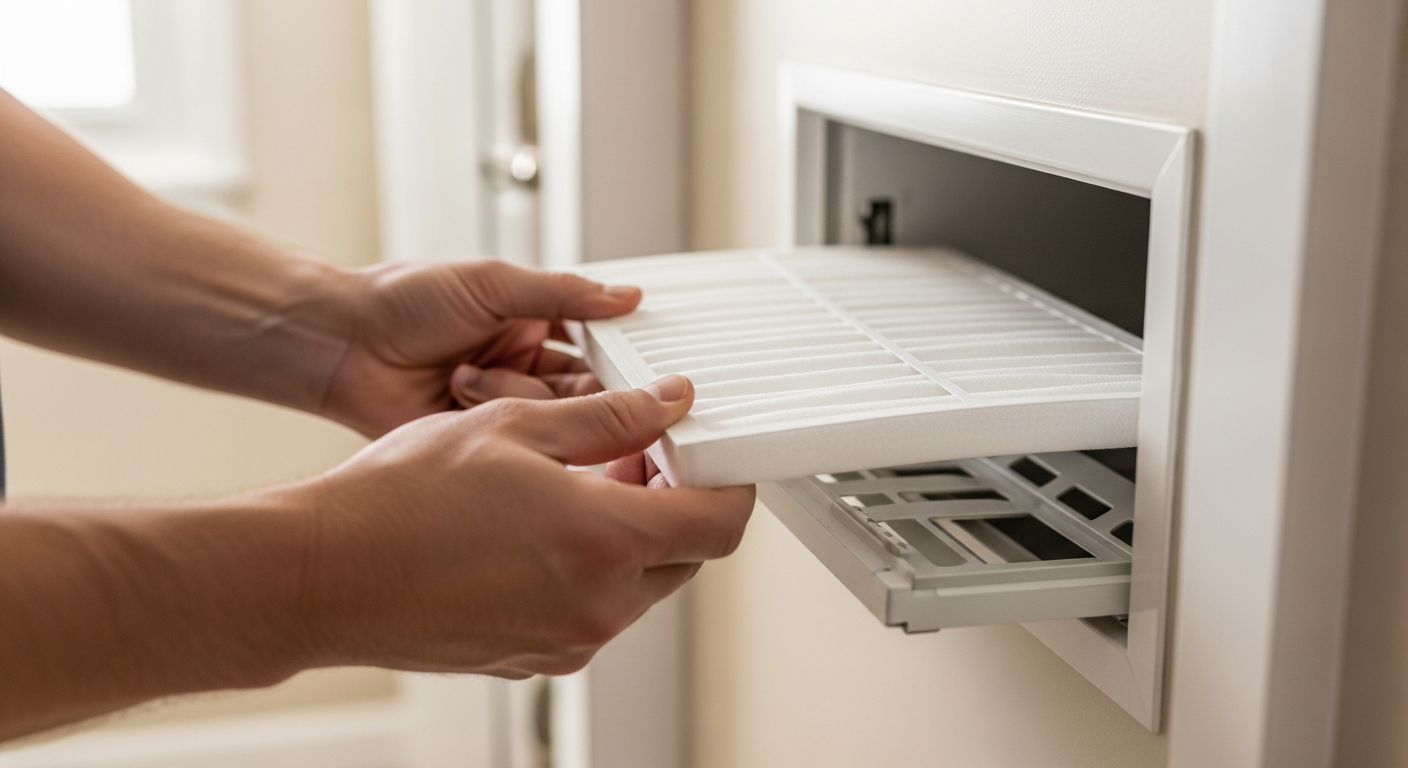
Annual DIY cleaning plus professional inspection every 1-2 years ensures safety and efficiency.
Homeowners can safely clean glass and dust the interior, but should never adjust gas components. A certified technician should perform thorough inspection and any gas-related tasks annually to prevent carbon monoxide risks.
What Matters Most
- Turn off gas and let fireplace cool before any cleaning.
- Clean glass with specialized cleaner, not ammonia.
- Dust logs gently without moving them to avoid combustion issues.
- Replace ignition batteries annually.
- If you smell gas or see a yellow pilot flame, shut off gas and call a pro immediately.
Strengths
- Increases safety by preventing carbon monoxide leaks
- Preserves flame clarity and efficiency
- Extends lifespan of components
- Reduces emergency repair costs
- Provides peace of mind
Weaknesses
- DIY cleaning is limited to surfaces; internal components need pro tools
- Annual professional maintenance costs $80-$250
- Ignoring maintenance can lead to dangerous gas leaks
- Older units may need more frequent attention
- Local codes may restrict some DIY work
DIY vs. Professional Maintenance Tasks
| Task | DIY or Pro? | Why |
|---|---|---|
| Clean glass & logs | DIY | Safe with proper products and cool-down |
| Replace batteries | DIY | Accessible without opening gas compartments |
| Check gasket | DIY | Visual and tactile inspection; replacement may require pro if glued |
| Clean pilot assembly | Pro | Requires disassembly and careful orifice adjustment |
| Gas pressure test | Pro | Specialized manometer needed; improper pressure is unsafe |
| Leak detection | Pro | Electronic detectors or bubble test must be done correctly to prevent explosion |
| Replace thermocouple | Pro | Involves wiring and gas line connection |
Quick Answer
For safe, efficient operation, follow this annual routine:
- Turn off gas and let fireplace cool completely.
- Clean glass with a non-ammonia gas fireplace cleaner.
- Gently dust logs and burner area with a soft brush; do not move logs.
- Check exterior vent for nests, leaves, or debris.
- Inspect the glass front for cracks or chips.
- Examine the gasket seal around the door; replace if brittle.
- Replace batteries in the wall switch and receiver box.
- If soot appears on logs or pilot flame is yellow, call a pro.
Safety Boundaries: What You Can and Cannot Touch
Safe homeowner tasks:
- Visual inspection of vent, glass, gasket, and flame color.
- Cleaning glass and logs (when cool).
- Vacuuming the firebox floor around the burner (do not disturb controls).
- Replacing batteries in remote and receiver (if accessible without removing panels).
- Testing and replacing the carbon monoxide detector.
Never attempt:
- Disassembling gas valves, burners, or pilot assemblies.
- Adjusting the pilot orifice or gas pressure.
- Using ammonia-based cleaners on glass.
- Attempting a gas leak check without proper equipment.
- Moving or repositioning the gas logs.
If you smell gas, evacuate immediately and call 911 and your gas utility. Once the immediate danger is resolved, you can find emergency HVAC services for inspection.
Annual Inspection Checklist
| Check | What to look for | Action |
|---|---|---|
| Exterior vent | Leaves, nests, snow | Clear debris; call pro if damaged |
| Glass panel | Cracks, chips, white film | Replace if cracked; clean film |
| Logs/burner | Soot, misalignment | Dust gently; call pro if sooty |
| Gasket seal | Brittle, gaps, tears | Replace if compromised |
| Pilot flame | Color: blue with yellow tip = good; mostly yellow/orange = problem | Call pro for cleaning |
| Carbon monoxide detector | Test button works; replace batteries | Replace unit if >7 years old |
DIY Cleaning: Step by Step
Clean the Glass
With the fireplace cool and gas off, remove the glass front per manufacturer instructions. Spray a gas fireplace glass cleaner (never ammonia or abrasive sponges) and let sit for a few minutes. Wipe with a soft microfiber cloth. Avoid scrubbing; repeat if needed.
Dust the Interior and Logs
Use a soft-bristled paintbrush to lightly dust the logs, burner tray, and pilot area. Do not alter log placement—this can affect combustion and safety. Use a vacuum with a hose attachment on low suction to pick up debris from the bottom of the firebox, keeping the nozzle away from wires and valve areas.
Clean the Surround
Wipe the exterior metal or stone surround with a damp cloth. Avoid chemical cleaners that might discolor the finish.
When to Call a Professional
Schedule professional service if you notice any of these:
- Pilot light won't stay lit after cleaning the thermopile area (if accessible).
- Flame is lazy, yellow, or lifting off the burner.
- Soot builds up quickly after cleaning.
- Unusual noises: rumbling, popping, or clicking.
- Any odor of gas, even faint.
- Glass is cracked; do not operate until replaced.
- It has been more than 2 years since the last professional inspection.
A qualified technician will: test gas pressure, clean burner and pilot assembly, inspect thermopile/thermocouple, verify ventilation, perform a leak test with a calibrated sniffer, and ensure the oxygen depletion sensor shuts off the unit properly. Typical cost: $80–$250 for a standard maintenance visit. Annual service plans often range from $150–$500 and may include priority scheduling and discounts on repairs. View detailed cost guides for your area.
DIY vs. Professional: Decision Table
| Task | DIY or Pro? | Why |
|---|---|---|
| Clean glass & logs | DIY | Safe with proper products and cool-down |
| Replace batteries | DIY | Accessible without opening gas compartments |
| Check gasket | DIY | Visual and tactile inspection, replacement may be DIY if simple peel-and-stick, but pro if glued. |
| Clean pilot assembly | Pro | Requires disassembly and careful adjustment of tiny orifices |
| Gas pressure test | Pro | Specialized manometer needed; improper pressure is unsafe |
| Leak detection | Pro | Electronic leak detectors or bubble test must be done correctly |
| Replace thermocouple | Pro | Involves wiring and gas line connection |
Budgeting for Service: Tools and Calculators
Use our HVAC cost estimator to get a personalized range for fireplace maintenance or repairs in your ZIP code. If your unit is older, the System Age Decoder can help you evaluate whether it’s time to replace. For repair vs. replace decisions, try the Repair or Replace Calculator. And before committing to any work, check quotes from local contractors to ensure fair pricing.
Contractor Checklist: Questions to Ask Before Hiring
- Are you licensed and insured for gas fireplace service?
- How many gas fireplace inspections do you perform annually?
- Will you provide a written report and estimate before starting?
- Do you use electronic leak detection and test carbon monoxide levels?
- What is included in your annual service plan, and what does it cost?
- Do you offer emergency service outside normal hours? What are the fees?
Find local gas fireplace technicians and compare their reviews and ratings.
Local Climate Considerations
- Cold regions: Schedule maintenance in early fall before heavy use. Keep vent clear of snow and ice.
- Coastal areas: Salt air accelerates corrosion; inspect metal components and fasteners annually for rust.
- Humid climates: Moisture can condense inside the firebox; check for water droplets or mold and ensure venting is unobstructed.
- Older homes: Venting may not meet current codes; a professional can assess if an insert or relining is needed.
How We Created This Guide
HVACDatabase’s editorial team researched manufacturer manuals from major brands like Heat & Glo, Mendota, and Napoleon, as well as NFPA 54 (National Fuel Gas Code) guidelines. Cost ranges are editorial estimates derived from a survey of HVAC contractors across the U.S. and reflect typical 2025 pricing. We do not guarantee prices but provide transparent ranges to help you budget. Safety recommendations align with Consumer Product Safety Commission guidance.
Frequently Asked Questions
How often should I maintain my gas fireplace?
Perform a visual check and clean the glass as needed (usually monthly during heavy use). A full professional inspection should be done annually, or every two years if lightly used. Replace carbon monoxide detector batteries every six months and the detector every 7–10 years.
What does a professional maintenance visit include?
A standard service includes checking gas pressure, cleaning the burner and pilot assembly, testing the thermopile/thermocouple, verifying the oxygen depletion sensor, inspecting the vent and gasket, performing a leak test, and cleaning the glass if needed. Many technicians also test for carbon monoxide emissions.
Can I clean the gas fireplace glass myself?
Yes, after the unit is completely cool and the gas is off. Use a cleaner specifically formulated for gas fireplace glass; never use ammonia-based or abrasive cleaners, as they can etch the glass or leave streaks. Wipe with a microfiber cloth.
My pilot light won’t stay lit—what should I do?
First, ensure the gas supply is on and the unit is not in "lockout" mode. If you can safely access the pilot area after turning off gas and cooling, you may gently clean the thermocouple tip with a soft cloth. If the problem persists, do not attempt to hold the pilot button longer than recommended or bypass safety switches; call a professional. A weak pilot often indicates a dirty or failing thermopile, which requires replacement.
Is it safe to leave the pilot light on in summer?
Leaving the pilot on during warm months can help keep the firebox dry and prevent spider nests in the burner, but it consumes a small amount of gas (about $5–$10 per month). If you turn it off, remember to have the fireplace serviced before the next heating season, as spiders and dust may clog the pilot orifice.
Methodology
HVACDatabase estimates combine common contractor price patterns, service-category pricing ranges, equipment complexity, urgency, regional labor variation, and known HVAC safety boundaries. Actual prices vary by city, brand, system size, access, warranty status, permit requirements, and whether the visit discovers ductwork, electrical, refrigerant, gas, or drainage issues. Use these numbers to sanity-check quotes, not as a guaranteed price.
Related articles
Connect this page to adjacent guides so readers keep moving deeper into the topic cluster.
How to Implement a Whole Home Energy Management System
Integrate smart tech and HVAC controls to cut energy waste. This guide shows how to audit, upgrade, and automate your home's energy use, with real savings estimates.

How to Set Up Thermostat Geofencing
Set up thermostat geofencing to automatically adjust home temperature as you come and go. Save energy, extend equipment life, and never return to an uncomfortable house. Get our quick-start guide now.
How to Troubleshoot Smart Thermostat WiFi Issues
Your smart thermostat offline? Most WiFi drops can be fixed with power checks, router adjustments, and simple restarts. Follow our step-by-step guide to regain remote control and energy savings.