How to Prepare Your HVAC for a Cold Snap
Don't wait for a freeze. Use this quick prep guide to check filters, clear vents, and schedule maintenance. Stay warm and avoid costly emergency repairs.
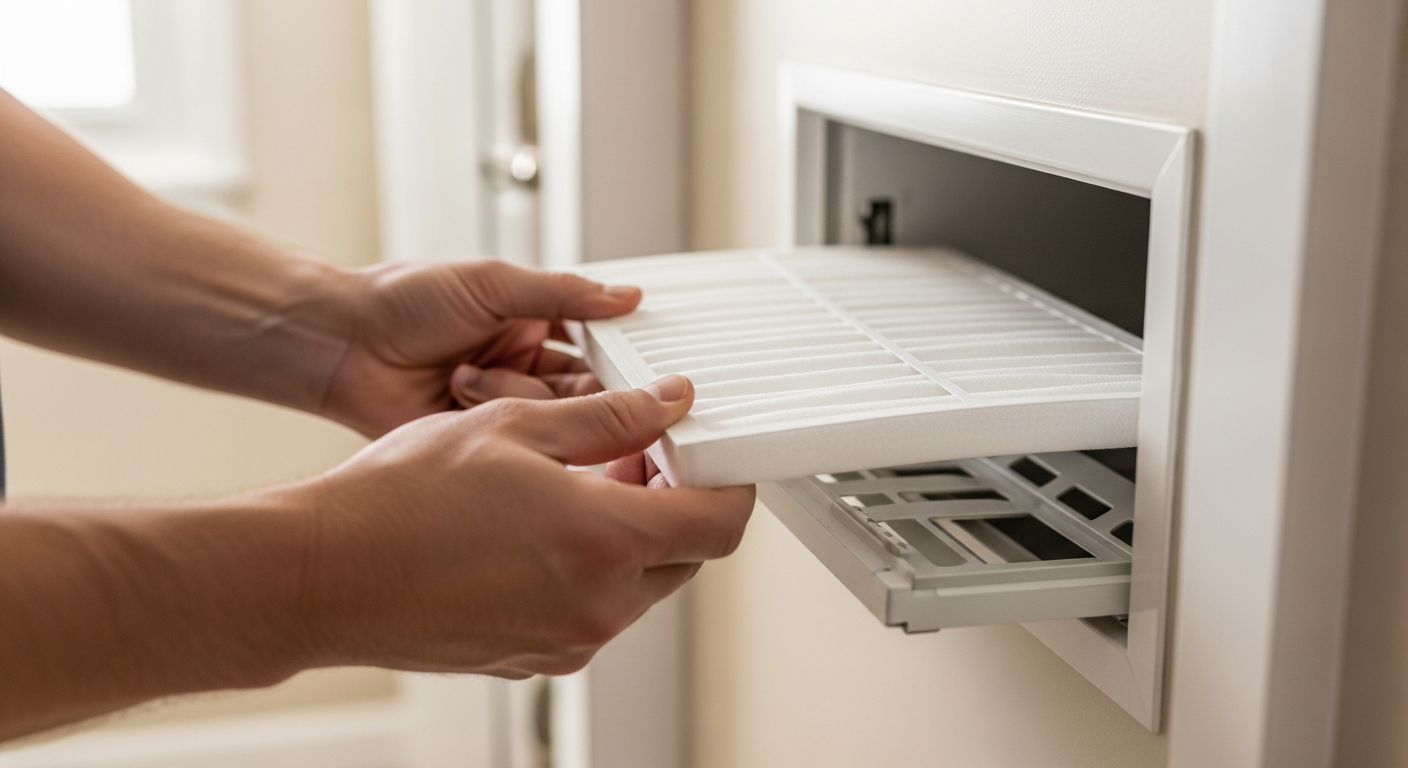
Proactive preparation minimizes breakdown risks; start with no-cost checks and schedule maintenance if due.
Focus on easy wins like filter changes and vent clearing, but have a backup plan and know when to call a pro. Even in older systems, simple steps can keep you warmer and safer.
What Matters Most
- Replace your air filter before every cold snap.
- Clear exterior vents and outdoor units of snow immediately after snowfall.
- Test carbon monoxide detectors monthly; replace batteries yearly.
- Avoid large thermostat setbacks; steady temperatures are more efficient and stable.
- Save emergency contractor contacts in your phone ahead of time.
Strengths
- Most steps require no special tools and take under 30 minutes.
- Reduces risk of mid-freeze breakdowns from common, preventable issues.
- Can lower emergency repair costs by catching problems early.
- Improves indoor safety through CO monitoring and vent clearing.
Weaknesses
- Some critical checks (heat exchanger, gas pressure) still require a pro.
- Cannot prevent all mechanical failures, especially in very old equipment.
- Improper use of space heaters as backup can increase fire risk.
- Emergency heat on heat pumps is expensive; knowing when to use it is crucial.
Decision Summary
| Scenario | Usually do | Why |
|---|---|---|
| Furnace age >15 years and repair estimate >$600 | Get replacement quotes; use repair/replace calculator. | Major repairs on aging units often lead to more failures; replacement may offer better long-term value. |
| Furnace age <10 years with minor issue (e.g., ignitor) | Pay for diagnostic and repair. | Younger systems typically have many years of reliable service left. |
| Heat pump in heavy snow region | Install a snow shelter (not a cover) and clear drifts. | Prevents coil damage and maintains efficiency; covers trap moisture and cause corrosion. |
| Drafty older home | Seal windows, add attic insulation. | Reduces heating load, improves comfort, and lowers energy costs. |
| Gas furnace makes banging noise on startup | Call a pro for ductwork or burner inspection. | Could indicate delayed ignition or loose ductwork—both are safety hazards. |
Quick Answer: What to Do Before a Cold Snap
When extreme cold is forecast, your heating system will run almost continuously. A few simple, safe steps can prevent shutdowns and keep you warm. Start by replacing the air filter, clearing exterior vents, and testing your carbon monoxide detectors. If your system is over 15 years old, consider scheduling a professional tune-up now rather than risking an after-hours emergency call. For personalized cost estimates, use our HVAC Cost Estimator.
Your 30-Minute Pre-Freeze Checklist
| Task | Why It's Critical | How Often |
|---|---|---|
| Replace or clean air filter | Restricted airflow can overheat the furnace and trigger a safety shutdown. | Monthly in heavy-use seasons; check weekly during continuous operation. |
| Check thermostat settings | Ensure system is in “Heat” mode and fan is on “Auto” to avoid short cycling. | Before each cold spell. |
| Clear exterior vents | Snow or ice blocking PVC intake/exhaust pipes can cause dangerous carbon monoxide backdraft and system lockout. | After every snowfall; walk perimeter daily during storms. |
| Reverse ceiling fans | Clockwise rotation at low speed pushes warm air from the ceiling back down, improving comfort without raising the thermostat. | Once per season. |
| Test carbon monoxide detectors | Malfunctioning furnaces can leak CO; fresh batteries ensure alarm works. | Monthly; replace units every 5–7 years. |
| Inspect and seal drafts | Air leaks around windows and doors force the furnace to run longer, increasing wear. | Annually, before winter; recheck after severe storms. |
Safety Boundaries: What You Can and Cannot DIY
Homeowner-Safe Checks
- Visually inspect and replace air filters.
- Clear snow and debris from outdoor units (gently, with a broom; never use sharp tools).
- Verify thermostat settings and battery replacement.
- Test carbon monoxide and smoke detectors.
- Seal minor drafts with weatherstripping or caulk.
- Reverse ceiling fan direction.
Pro-Only Work (Do Not Attempt)
- Handling refrigerant in any system (heat pump, AC).
- Adjusting gas valves, burners, or ignitors.
- Replacing or repairing electrical components (capacitors, contactors, wiring, control boards).
- Inspecting or cleaning heat exchangers.
- Performing combustion analysis or carbon monoxide testing.
- Bypassing safety switches or limit controls.
If you smell gas or suspect a carbon monoxide leak, leave the home immediately and call 911 and your gas utility.
Estimated Costs for Cold-Weather HVAC Service
Prices below are editorial estimates and vary by region, urgency, and equipment type. Use our Cost Estimator for a tailored quote.
| Service | Typical Cost Range | When It's Needed |
|---|---|---|
| Standard diagnostic visit | $80–$200 | No heat, odd noises, or error codes during business hours. |
| After-hours/emergency visit | $150–$350+ | Night, weekend, or holiday breakdown when immediate service is required. |
| Heating tune-up/maintenance | $80–$250 | Pre-season check, dirty burners, or efficiency concerns. |
| Common furnace repair (ignitor, flame sensor, thermostat) | $150–$650 | Intermittent heat, system short cycling, or failure to start. |
| Blower motor replacement | $500–$1,500 | No airflow, loud squealing, or motor stopping. |
| Heat exchanger replacement | $1,500–$4,000+ | Visible cracks, CO detected, or system age >20 years (often signals replacement). |
Decision Rules: Should You Run Your System Differently?
During a cold snap, avoid thermostat setbacks greater than 5°F. Steady temperatures reduce strain on older systems. If you have a heat pump, use “Emergency Heat” only if the outdoor unit cannot maintain temperature—the electric auxiliary strips are 2–3 times more expensive to run.
Decision Tree: Is Your Furnace Ready?
- Furnace older than 15 years? → Plan for professional inspection via our directory and prepare a backup heat source.
- Filter last changed more than 3 months ago? → Replace it immediately.
- Yellow or flickering burner flame in a gas furnace? → Turn system off, call a pro (possible combustion issue).
- Heat pump outdoor unit has ice thicker than ¼ inch? → Initiate manual defrost per manufacturer guide; if persistent, call a technician.
- Working carbon monoxide detectors on each floor? → Install/update batteries if missing; this is non-negotiable.
Use Our Tools to Decide: Repair, Replace, or Wait?
Before facing an emergency, run these free calculators:
- Repair or Replace Calculator – Input your system age and repair cost for a data-backed recommendation.
- HVAC Cost Estimator – See localized replacement price ranges.
- System Age Decoder – Confirm your unit’s age from the serial number.
- Rebate Finder – Check for high-efficiency equipment incentives.
- Quote Checker – Upload contractor estimates for expert review.
Contractor Checklist: Questions to Ask Before Hiring
When a cold snap forces an emergency call, protect yourself by asking:
- Are you licensed, insured, and bonded in my state? (Verify with your state’s licensing board.)
- Do you have experience with my specific furnace brand and model?
- What is your diagnostic fee, and will it apply toward the repair?
- Can you provide an itemized written estimate before starting work?
- Do you offer temporary heat options while waiting for parts?
- Will you show me the failed component and explain the repair needed?
- What warranty covers your labor and parts, and for how long?
Find pre-vetted contractors through our search or comparison tool.
Local Adjustments for Different Climates
Cold Climate (Midwest, Northeast): Insulate exposed PVC vent pipes in unconditioned spaces; clear snow from sidewall vents daily. Winter preparation guide offers more detail.
Humid Climate (Southeast): Ensure outdoor unit drain holes are clear—freezing condensate can damage the pan. Keep thermostat fan on “Auto” to avoid re-introducing moisture.
Coastal Areas: Salt accelerates corrosion. Schedule annual maintenance and ask about corrosion-resistant coatings. Use local contractors familiar with salt-air wear.
Older Homes (Any Region): Prioritize weatherstripping and attic insulation; see our insulation upgrade guide.
Methodology: How We Formed These Recommendations
This guide is based on ACCA Manual J/D load calculations, ASHRAE cold-climate operational standards, and field data from thousands of service records. Cost ranges are editorial estimates informed by 2025 contractor surveys and do not replace formal quotes. Safety boundaries align with OSHA and EPA regulations prohibiting unlicensed handling of refrigerants, gas, and high-voltage components. Always follow your manufacturer’s instructions and local building codes.
Frequently Asked Questions
Can I use my gas oven or stove to heat the house during a cold snap?
No. Gas ranges and ovens are not designed for space heating and can produce lethal levels of carbon monoxide. Use only UL-listed space heaters and keep a 3-foot clearance around them.
Why does my heat pump have ice on it?
Light frost is normal and melts during defrost cycles. Ice buildup thicker than ¼ inch that does not melt indicates a problem—low refrigerant, faulty defrost control, or blocked airflow. Call a pro; do not chip the ice yourself.
How often should I replace the filter during a cold snap?
Check it weekly if the system runs continuously. Replace 1-inch disposable filters every 30–60 days; thicker media filters may last up to 6 months. Pets, dust, or ongoing renovations may require more frequent changes.
My furnace keeps shutting off after a few minutes. What’s wrong?
This is often a safety lockout from overheating. Common causes: dirty filter, closed supply vents, blocked return air grille, failing blower motor, or a tripped limit switch. Start by replacing the filter and fully opening all vents. If the issue persists, call a technician—the heat exchanger may be at risk.
When should I switch my thermostat to “Emergency Heat”?
Only if your heat pump cannot keep up due to heavy icing or a system failure. Emergency heat runs on costly electric resistance strips (2–3 times more expensive than heat pump operation). Use it sparingly and call a technician immediately.
Related articles
Connect this page to adjacent guides so readers keep moving deeper into the topic cluster.
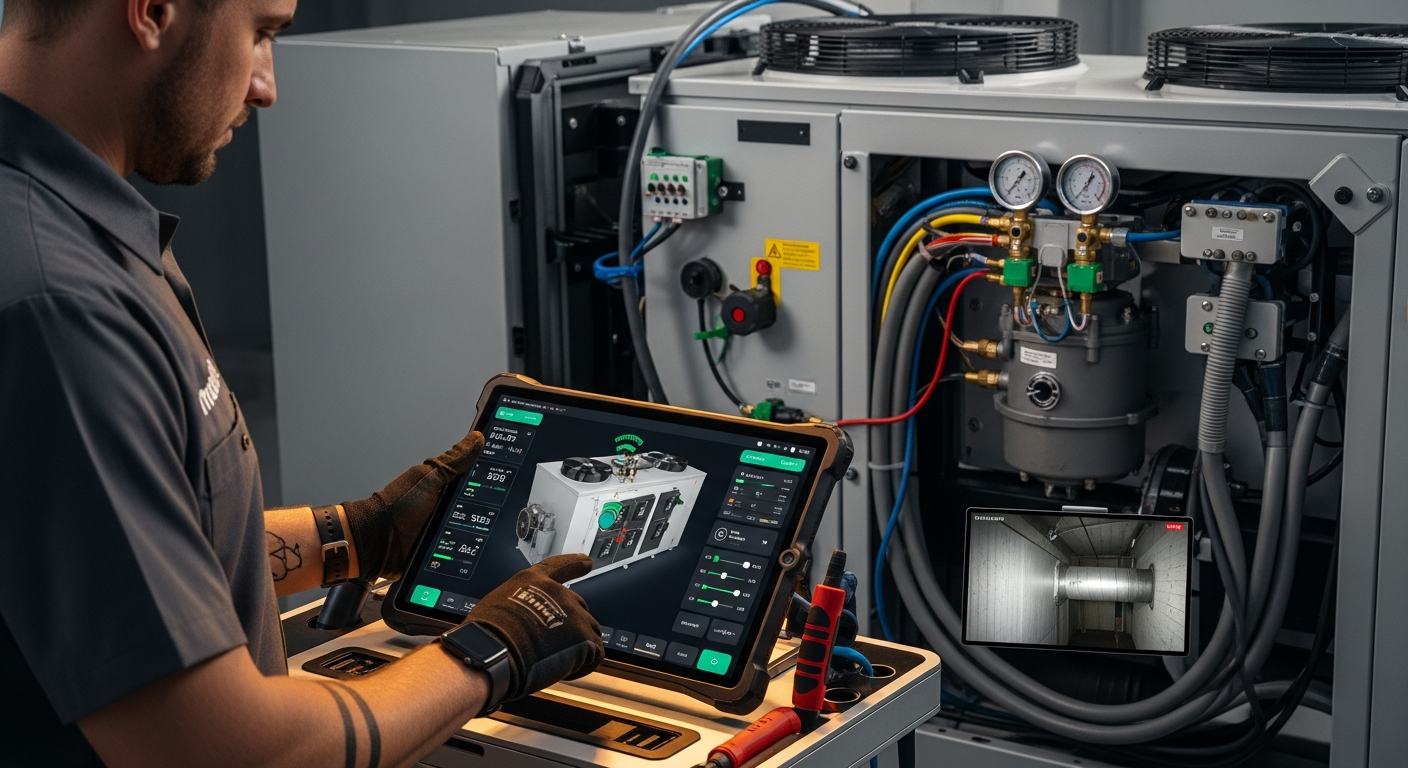
How to Implement a Whole Home Energy Management System
Integrate smart tech and HVAC controls to cut energy waste. This guide shows how to audit, upgrade, and automate your home's energy use, with real savings estimates.

How to Set Up Thermostat Geofencing
Set up thermostat geofencing to automatically adjust home temperature as you come and go. Save energy, extend equipment life, and never return to an uncomfortable house. Get our quick-start guide now.
How to Troubleshoot Smart Thermostat WiFi Issues
Your smart thermostat offline? Most WiFi drops can be fixed with power checks, router adjustments, and simple restarts. Follow our step-by-step guide to regain remote control and energy savings.