How to Read Your HVAC Energy Label
Demystify the yellow EnergyGuide label. Understand SEER2, HSPF2, EER2 ratings and choose an efficient HVAC system to lower utility bills.
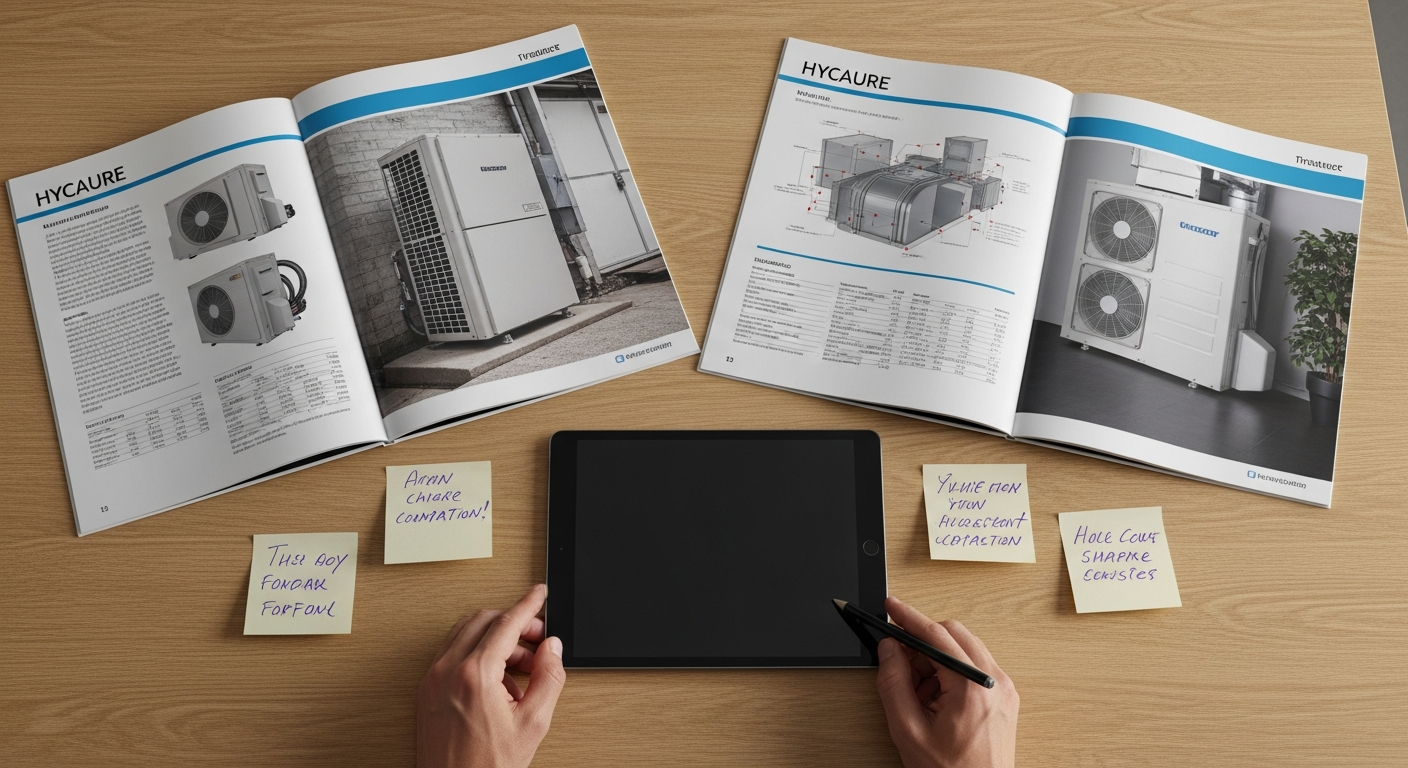
Prioritize ratings that match your climate, not the highest possible number
The yellow EnergyGuide label is your strongest tool for apples-to-apples comparison, but real savings come from matching the rating type (SEER2, HSPF2, or EER2) to your local weather and pairing the equipment with a tight home envelope and professional installation.
What Matters Most
- SEER2 ≥ 16 signals strong cooling efficiency for most regions; HSPF2 ≥ 8.5 is critical for heat pump heating in cold climates.
- EER2 is the best predictor of performance during extreme summer heat waves—aim for 12+ in hot, dry areas.
- Even a modest jump from 10 SEER to 15 SEER2 can cut cooling costs 25–40%, especially if your system is over 10 years old.
- Installation quality is just as important as the label; always demand a Manual J and commissioning report.
- Combine high-efficiency equipment with air sealing and insulation to maximize payback.
Strengths
- Standardized testing allows direct comparison across brands and models.
- The cost scale gives an instant visual of efficiency relative to similar units.
- When properly installed, high-efficiency systems provide better comfort, humidity control, and quieter operation.
Weaknesses
- Label estimates assume average conditions; your actual savings will depend on local climate and energy rates.
- High SEER2/HSPF2 equipment carries a 20–50% upfront premium, and payback may stretch beyond 10 years in mild climates.
- The label cannot account for poor installation, duct leaks, or inadequate home insulation.
Efficiency Priority by Climate
| Scenario | Usually do | Why |
|---|---|---|
| Hot, dry climate (Phoenix, Las Vegas) | Prioritize EER2 ≥ 12 and SEER2 ≥ 18 | High temperatures demand strong steady-state and seasonal efficiency; payback is fastest here. |
| Hot, humid climate (Houston, Atlanta) | Target SEER2 ≥ 16 with a variable-speed compressor | Variable-speed units dehumidify better and maintain comfort during moderate weather. |
| Mixed or cold climate (Chicago, Denver) | Choose HSPF2 ≥ 8.5; consider cold-climate heat pump | Heating efficiency matters most; cold-climate units deliver heat down to -15°F without backup strips. |
| Older home in a mild climate (Seattle, Portland) | Upgrade to 15–16 SEER2 and improve insulation first | Oversizing and duct leaks often waste more energy than the unit itself; start with an audit. |
When shopping for an air conditioner or heat pump, the yellow EnergyGuide sticker is your single best tool for comparing efficiency and long-term costs. It lists standardized ratings like SEER2, HSPF2, and EER2, which reveal how much energy a unit will use under real-world conditions. Instead of guessing, you can quickly see whether a model is a money-saver or an energy hog. This guide breaks down every part of the label so you can choose the smartest system for your home, no engineering degree required.
Quick Answer
- SEER2 (Seasonal Energy Efficiency Ratio 2): measures cooling efficiency over a typical season. The higher the number, the lower your summer bills. Look for SEER2 ≥ 16 for strong savings.
- HSPF2 (Heating Seasonal Performance Factor 2): measures heat pump heating efficiency. Aim for HSPF2 ≥ 8.5 in cold climates.
- EER2 (Energy Efficiency Ratio 2): tests efficiency at peak outdoor heat (95°F). Critical for hot, dry regions; EER2 ≥ 12 is excellent.
- Cost scale: the arrow on the horizontal bar shows where the unit ranks among similar models. Further right means greater efficiency and lower operating costs.
- Real-world savings: even a modest efficiency upgrade can save 20-40% on energy bills if your current system is over 10 years old. Use our energy savings calculator to estimate payback.
Key Efficiency Ratings Explained
The EnergyGuide label may show one or more of these ratings depending on the equipment type. Here’s a quick side-by-side comparison:
| Rating | What It Measures | Best For | Ideal Threshold |
|---|---|---|---|
| SEER2 | Seasonal cooling efficiency (ACs & heat pumps) | All cooling climates | ≥ 16 (up to 25+) |
| HSPF2 | Seasonal heating efficiency (heat pumps) | Cold climates relying on heat pump heat | ≥ 8.5 (up to 13+) |
| EER2 | Steady-state efficiency at 95°F outdoor temp | Hot, dry climates with frequent triple-digit days | ≥ 12 (up to 15+) |
These ratings are determined by AHRI testing procedures, which were updated in 2023 to better reflect real-world duct and airflow conditions. The “2” indicates the new standard; older labels used SEER, HSPF, and EER without the “2.” When comparing, be sure you’re comparing SEER2 to SEER2, not SEER.
How to Use the Cost Scale
The horizontal bar at the bottom of the label provides an instant visual of where the unit falls in the efficiency spectrum for its class. The left end represents the least efficient models on the market; the right end represents the most efficient. An arrow or marker shows the specific model’s position. A unit closer to the right will cost less to run each year. While the exact annual operating cost shown depends on national average energy prices, the relative ranking is what matters most. If two units are priced similarly, always pick the one further right.
Climate-Based Decision Rules
Efficiency ratings matter differently depending on where you live. Use these concrete thresholds to guide your choice:
- Hot & dry (Phoenix, Las Vegas): prioritize EER2 ≥ 12 and SEER2 ≥ 18. The EER2 rating directly impacts your peak summer bills.
- Hot & humid (Houston, Atlanta): target SEER2 ≥ 16 and choose a variable-speed compressor. This improves humidity removal and part-load efficiency during mild days.
- Mixed or cold (Chicago, Boston): for heat pumps, HSPF2 ≥ 8.5 is essential; consider cold-climate heat pumps rated at -15°F. For air conditioners, SEER2 ≥ 16 is still beneficial but payback may be longer if cooling hours are moderate.
- Coastal (corrosion concerns): select units with factory corrosion protection; efficiency ratings remain important but longevity takes priority.
- Older homes everywhere: even a basic 15 SEER2 system replaces older 8–10 SEER units, yielding 25–40% savings. Pair with air sealing and a home energy audit first—efficiency on paper won’t overcome a leaky envelope.
Local Market Considerations
Installed costs and utility rates vary dramatically. A 20 SEER2 unit in Phoenix may save $50–$70/month during summer versus a 14 SEER2, while the same upgrade in Seattle might only save $15/month. Use our HVAC cost estimator and local contractor quotes to determine payback. In regions with high electricity rates, such as California or the Northeast, the premium for high efficiency often breaks even in 3–5 years. Check for local utility rebates—many offset the upfront cost by $300–$1,000. If you’re in a major metro, browse vetted professionals: Phoenix AC contractors, Houston AC contractors, or Chicago heating contractors.
Safety Boundaries: What You Can and Can’t Do
Homeowner Checkpoints (safe DIY):
- Compare EnergyGuide labels before buying.
- Inspect your thermostat settings and air filter; clogged filters reduce efficiency regardless of rating.
- Look for obvious ductwork leaks in accessible attics, basements, or crawl spaces—use mastic or foil tape to seal small gaps (never duct tape).
- Check insulation levels in your attic; top up if below recommended R-value for your climate.
Pro-Only Work—never attempt these yourself due to safety and performance risks:
- Refrigerant charging, recovery, or leak repair (requires EPA certification).
- Gas furnace adjustments, burner cleaning, or combustion testing.
- Electrical work: capacitor, contactor, control board, high-voltage connections.
- Compressor or coil replacement.
- Any activity that bypasses safety switches or alters factory settings.
Even the best-rated unit will perform like a bare-minimum model if installed incorrectly. A mismatched indoor coil, undersized ductwork, or improper refrigerant charge can slash real-world efficiency by 30% or more. That’s why a manual J load calculation and commissioning report from your contractor are non-negotiable.
Tools to Estimate Your Savings
Before committing, run the numbers with these free HVACDatabase tools:
- Energy Savings Calculator: input your current system’s age, SEER, and usage to see potential dollar savings with different upgrade levels.
- Repair or Replace Calculator: compare the cost of fixing an older unit versus investing in a new high-efficiency system.
- Rebate Finder: discover utility and state incentives that can cut your upgrade cost by hundreds.
- Quote Checker: upload a contractor bid and see if the equipment and labor match fair market rates.
Contractor Checklist: Ensuring the Label Delivers
Ask these questions before signing a contract. Any reputable HVAC pro will gladly answer:
- “Will you perform a Manual J load calculation?” – Essential for correct sizing; rules of thumb like “500 sq ft per ton” often lead to oversized equipment that short-cycles and under-performs.
- “Can you provide the AHRI certificate for the matched system?” – The efficiency ratings on the label only apply when the outdoor unit, indoor coil, and furnace/air handler are a certified combination. Get the certificate number and verify it at AHRI Directory.
- “What will the installed system’s actual SEER2/HSPF2 be?” – The label shows potential; the actual efficiency depends on ductwork, airflow, and charge. Ask for the expected numbers after commissioning.
- “Do you include a commissioning report?” – This document proves static pressure, blower CFM, and refrigerant charge were measured and adjusted to spec. Without it, you’re gambling.
- “What rebates or tax credits apply, and how do I claim them?” – A good contractor will provide the paperwork for the High-Efficiency Electric Home Rebate Act (HEEHRA) or local utility programs.
- “How do you handle warranty and service after installation?” – Clarify parts and labor coverage; some high-SEER units come with 10-year limited warranties.
Methodology
This guide uses publicly available information from the Federal Trade Commission’s EnergyGuide labeling rule (16 CFR Part 305) and AHRI Standard 210/240-2023 for SEER2/HSPF2/EER2 definitions. Savings estimates and payback periods are editorial estimates based on HVACDatabase’s analysis of utility rates, climate zones, and typical equipment degradation. All cost ranges are approximate and depend on regional labor rates, home specifics, and market conditions. Our energy calculator relies on user inputs for accuracy; actual results will vary. For the most personalized advice, we recommend combining our tools with a home energy audit.
Frequently Asked Questions
1. What does SEER2 mean and why did it replace SEER?
SEER2 (Seasonal Energy Efficiency Ratio 2) is the updated standard that accounts for more realistic external static pressure in duct systems, reflecting actual installation conditions. It took effect in 2023. Older SEER ratings were optimistic because they assumed zero external static pressure. A 16 SEER2 unit today performs similarly to a 17–18 SEER under the old test—so always compare SEER2 to SEER2.
2. Does a higher SEER2 guarantee lower bills?
Not automatically. Savings depend on climate, utility rates, size of your home, and how well your ductwork and insulation are maintained. A 20 SEER2 unit in a mild climate may never pay back its premium. Use our energy calculator to model your situation.
3. How much can I save by upgrading from an old 10 SEER AC to a 16 SEER2?
Typically 30–40% on cooling costs. For an average 2,000 sq ft home in a hot climate, that could be $300–$600 per year. Enter your details in the energy calculator for a personalized estimate.
4. What’s the difference between EER2 and SEER2?
EER2 is a steady-state test at 95°F outdoor temp and fixed indoor conditions, while SEER2 averages efficiency over a range of outdoor temperatures to mimic a full cooling season. In climates with prolonged triple-digit heat, EER2 is more predictive of peak demand charges. In moderate climates, SEER2 gives a better overall picture.
5. Can I install an HVAC unit myself and still achieve the EnergyGuide ratings?
No. The ratings assume proper sizing, airflow, and refrigerant charge—all requiring specialized tools and training. DIY installation will almost certainly degrade efficiency and void the warranty. Always hire a licensed, insured contractor who provides a commissioning report.
Related articles
Connect this page to adjacent guides so readers keep moving deeper into the topic cluster.
How to Implement a Whole Home Energy Management System
Integrate smart tech and HVAC controls to cut energy waste. This guide shows how to audit, upgrade, and automate your home's energy use, with real savings estimates.

How to Set Up Thermostat Geofencing
Set up thermostat geofencing to automatically adjust home temperature as you come and go. Save energy, extend equipment life, and never return to an uncomfortable house. Get our quick-start guide now.

How to Troubleshoot Smart Thermostat WiFi Issues
Your smart thermostat offline? Most WiFi drops can be fixed with power checks, router adjustments, and simple restarts. Follow our step-by-step guide to regain remote control and energy savings.