How to Read Your HVAC Warranty
Stop leaving expensive repairs to chance. This guide clarifies warranty layers, registration deadlines, and exactly how to keep coverage valid for 10+ years.
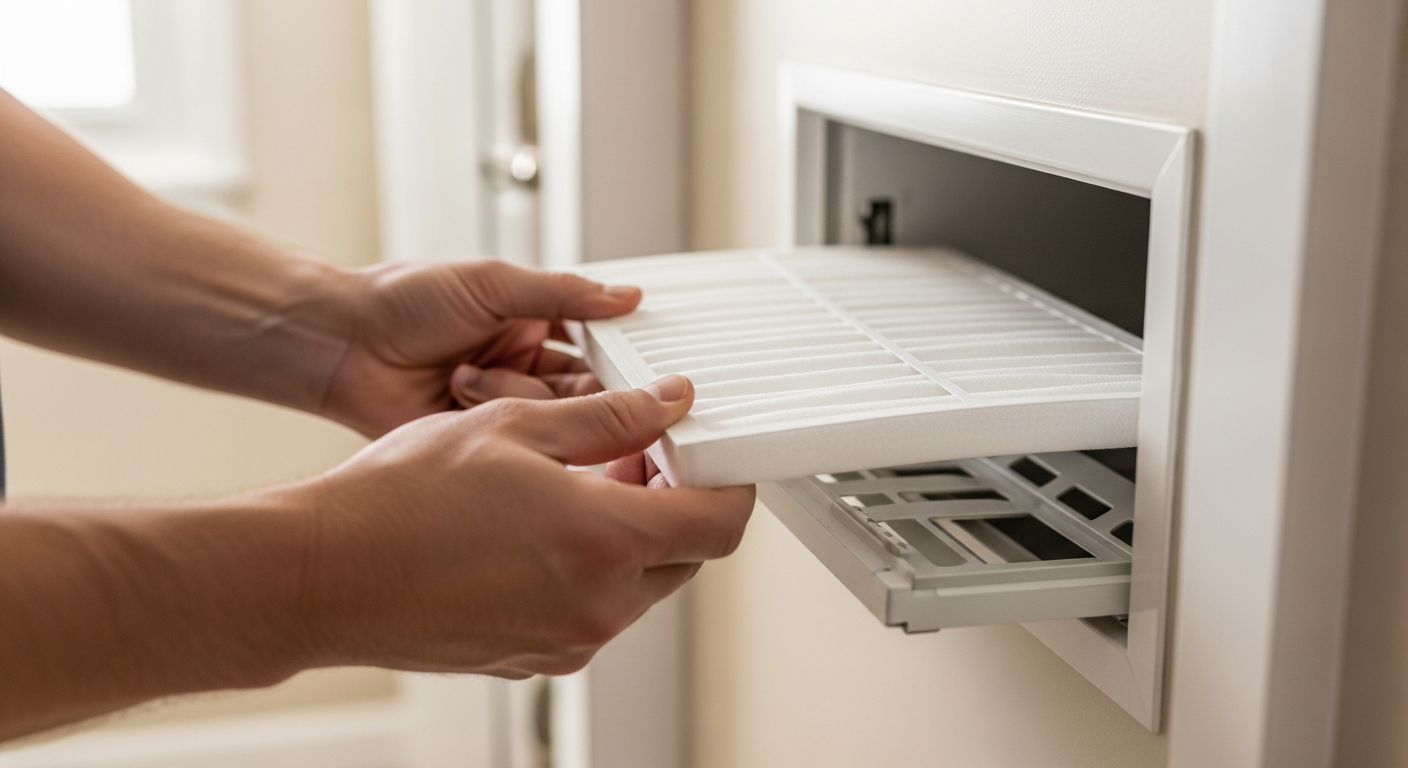
Register, Maintain, and Document—or Risk Losing Coverage
Your HVAC warranty is a contract, not a guarantee. To make it pay off, you must fulfill your obligations: register promptly, schedule annual professional tune-ups, and keep records. This article gives you the exact checklist to avoid being denied coverage when you need it most.
What Matters Most
- Register your equipment within 60–90 days to unlock the full warranty term
- Always get at least a 1-year labor warranty from your installer
- Keep proof of annual maintenance—missing it can void parts coverage
- Check warranty transferability before selling your home
- Use the repair-or-replace calculator when facing a major out-of-pocket cost
Strengths
- Provides a clear, immediate action plan (registration, documentation)
- Lays out exact warranty durations and void-actions in plain language
- Offers decision thresholds to weigh repair vs. replacement
- Includes local climate considerations rarely addressed in warranty advice
Weaknesses
- Warranty terms vary by manufacturer; always verify your specific certificate
- Labor warranty prices and availability depend on the contractor’s policy
- Does not cover self-installed systems, which often void manufacturer coverage entirely
Decision Summary: Warranty vs. Out-of-Pocket
| Scenario | Usually do | Why |
|---|---|---|
| Minor part failure (capacitor, fan motor) under parts warranty but no labor coverage | Pay out of pocket if under $300 | Filing a claim may involve diagnostic fees and paperwork; a quick fix is often cheaper. |
| Compressor fails under warranty, system is 12 years old | Use warranty for part, but consider full replacement | Labor and upgrades may approach $2,000; a new system with full warranty could be more reliable. |
| Furnace heat exchanger cracks under lifetime warranty | File warranty claim immediately | This is a safety hazard and an expensive part; replacement is a no-brainer under warranty. |
| Refrigerant leak in a coil under warranty | File warranty claim for the coil, pay for refrigerant and labor | Coils are expensive; warranty saves $500–$1,200 on the part alone. |
Quick Answer: How to Read Your HVAC Warranty
Your HVAC warranty is a binding contract that entitles you to free or discounted parts (and sometimes labor) if a covered component fails due to a manufacturing defect. To keep it valid, you must register the equipment within 60–90 days of installation, perform annual professional maintenance, and use authorized service providers. Most warranties last 5–20 years, with the longest terms for compressors and heat exchangers. This guide walks you through the fine print so you don't accidentally void coverage and get stuck with a $2,000 repair bill.
When you spend $5,000–$15,000 on a new system, the warranty is your safety net. Yet many learn too late that a missed registration or skipped tune-up slashes coverage from 10 years to 5—or voids it entirely. Here’s exactly what each layer covers, how to lock in the longest terms, and what to do before calling for service.
Warranty Types at a Glance
| Coverage Type | What It Pays For | Typical Duration | Who Provides It | Pro Tip |
|---|---|---|---|---|
| Manufacturer’s Parts Warranty | Defective components (compressor, coils, circuit boards) | 5–10 years base, 10–20 years if registered | Manufacturer | Register immediately; otherwise you may only get 5 years. |
| Labor Warranty | Installation labor to replace parts | 1–2 years (often), up to 10 years with extended plan | Installing contractor or third-party | Always ask for at least a 1-year labor warranty; some states require it. |
| Extended Warranty | Parts and/or labor beyond standard period | Up to 10 years past original coverage | Third-party insurers or manufacturer | Calculate break-even: if annual cost exceeds likely repair costs, self-insure with a savings account. |
The Registration Window: Don't Miss It
Most manufacturers require online or mail-in registration within 60 or 90 days after installation. If you miss that cutoff, your warranty reverts to a "base" term—often just 5 years on parts, instead of the promised 10 or 15. Write down your system's model and serial numbers now and set a phone reminder. No registration card? Check your owner's manual or the brand’s website. Some high-end units pre-register with the contractor, but double-check.
Key Warranty Terms Explained
- Compressor Warranty – The compressor is the most expensive part of an AC or heat pump. Many manufacturers offer a separate, longer warranty (10–20 years). If it fails, the part is free, but labor isn't covered unless you have a labor warranty.
- Heat Exchanger Warranty – For furnaces, this vital safety component often carries a 20-year or lifetime limited warranty. A cracked heat exchanger can release carbon monoxide, so this coverage is critical. Lifetime usually means as long as you own the home.
- Limited Warranty – "Limited" means coverage is restricted to specific parts and excludes labor, refrigerant, permits, and incidental damages. It rarely covers the entire system replacement.
- Transferability – If you sell your home, can the new owner use the warranty? Some brands allow one transfer (often within 90 days of sale and with a fee). Others are non-transferable. This can add resale value.
5 Actions That Void Your Warranty
Manufacturers can legally deny claims if you don't follow the rules. Avoid these common pitfalls:
- Skipping annual maintenance – Most require proof of a professional tune-up every 12 months. Without it, you're on your own.
- DIY repairs – Opening sealed systems, replacing electrical components, or using non-OEM parts can void coverage instantly. Only licensed technicians should touch refrigerant, gas valves, or control boards.
- Improper installation – If the system wasn't installed by a licensed professional per manufacturer specs (e.g., wrong size, incorrect ductwork), the warranty is often void.
- Using the wrong air filter – High MERV filters that restrict airflow can stress the blower motor and void related parts coverage. Always follow the manual's specifications.
- Neglecting to register – As noted, this is the most common and costly oversight.
How to File a Warranty Claim in 3 Steps
- Stop using the system if it's making unusual noises or not working, to prevent further damage. Then check your paperwork or the manufacturer’s website to confirm coverage.
- Call your installing contractor (if you have a labor warranty) or an authorized service provider for that brand. They'll diagnose the issue and report it to the manufacturer.
- Provide documentation – Have your model/serial number, proof of maintenance, and installation invoice ready. The technician does the rest, ordering parts if covered.
Note: Some warranties require pre-authorization. Don't let anyone start repairs until the claim is approved.
When to Use Your Warranty vs. Consider Replacement
If a major component fails under warranty, you get the part free but might pay $500–$1,500 in labor and refrigerant. Use our Repair or Replace Calculator to see if it's smarter to fix or upgrade. A good rule of thumb: if the repair cost exceeds 50% of a new system’s price, and your unit is over 10 years old, replacement often makes more financial sense.
Safety Boundaries: What Homeowners Can (and Cannot) Do
Safe checks you can perform:
- Replace disposable air filters (see our filter guide).
- Clear debris around the outdoor unit (leaves, dirt, ice).
- Check thermostat batteries and settings.
- Inspect visible duct connections for gaps and seal with metallic tape.
- Verify the circuit breaker hasn't tripped.
Pro-only tasks (do not attempt):
- Refrigerant handling, leak detection, or adding refrigerant.
- Gas furnace burner, gas valve, or heat exchanger inspection.
- Compressor, capacitor, contactor, or control board replacement.
- Any high-voltage electrical testing.
- Brazing or soldering refrigerant lines.
Trying these yourself can void your warranty, cause injury, or damage the system. Always use a licensed, insured HVAC contractor—verify credentials at our Contractor Search.
Decision Rules: Should You Pay Out of Pocket?
Consider these thresholds when a repair is quoted under warranty:
- Repair cost under $500 – Go ahead with the warranty claim if labor is covered; if not, paying out of pocket might be simpler for minor fixes like capacitors.
- Repair cost $500–$1,500 – Always use the warranty for parts, but negotiate labor with your contractor. Get a second opinion if labor seems high.
- Repair cost over $1,500 – Strongly consider replacement if the system is beyond half its expected lifespan (typically 15–20 years). Use our HVAC Cost Estimator to compare replacement quotes.
Contractor Checklist: Questions to Ask Before Approving Work
Keep your warranty safe by grilling the contractor:
- "Are you a factory-authorized dealer for this brand?"
- "Will you handle the warranty claim paperwork for me?"
- "Is your labor charge reasonable for this job? Can you itemize it?"
- "Do you have proof of my annual maintenance on file?" (If they did the tune-up.)
- "If a part is backordered, what's the timeline and do you offer loaners or temporary cooling?"
- "Does this repair affect my warranty status in any way?"
Local Factors That Affect Warranty Coverage
Hot Climates (Phoenix, Las Vegas)
Compressor strain is high. Check that your warranty explicitly covers the compressor for at least 10 years. Some coastal brands have corrosion-resistant options.
Humid Climates (Houston, Miami)
Evaporator coil corrosion is common. Ensure your warranty covers coils and that you're using the correct refrigerant metering device.
Cold Climates (Minneapolis, Chicago)
Focus on furnace heat exchanger coverage. A lifetime limited warranty is standard. Confirm transferability if you might sell during the warranty period.
Coastal Areas (salt air)
Standard warranties may not cover corrosion damage. Look for models with coastal warranty endorsements or consider an extended warranty that includes corrosion.
Older Homes
If your home has outdated electrical or ductwork, improper matching can void the warranty. Use our BTU Calculator to verify correct sizing before installation.
Methodology
This guide is written by HVACDatabase editors with 15+ years of industry research. Cost ranges come from aggregated service call data across major metropolitan areas. Warranty terms are based on analysis of top manufacturer policies (Carrier, Trane, Lennox, Goodman, etc.) as of 2025. Always review your specific warranty certificate, as terms can vary. Our recommendations are editorially independent and not influenced by any brand.
Frequently Asked Questions
Does my HVAC warranty cover labor?
Not typically. The manufacturer’s warranty covers the part only. You need a separate labor warranty from the contractor, usually 1–2 years, or purchase an extended labor plan. Some high-efficiency systems include a 5–10 year labor warranty as a promotion. Check your contract.
What happens if I didn’t register my HVAC system?
You likely reverted to the base warranty, which is often 5 years on parts instead of 10+. Some brands allow late registration with a fee—call their customer service immediately to see if you can still register.
Can I transfer my HVAC warranty if I sell my house?
It depends on the brand. Many allow a one-time transfer with a fee and within a certain time period (e.g., 90 days after closing). Some warranties are non-transferable, which could affect home sale negotiations. Request transfer paperwork from the manufacturer.
Will my warranty cover a refrigerant leak?
Yes, if the leak is due to a manufacturing defect in a covered component (like a coil). No, if it's from field-installed connections, which are the installer's responsibility. Note: refrigerant itself is rarely covered; you'll pay $100–$300 for refills.
How can I prove I had annual maintenance?
Keep receipts or invoices from your HVAC contractor that list the date, tasks performed, and technician’s name. Many contractors also keep digital records. Without documentation, your claim may be denied.
Related articles
Connect this page to adjacent guides so readers keep moving deeper into the topic cluster.
How to Implement a Whole Home Energy Management System
Integrate smart tech and HVAC controls to cut energy waste. This guide shows how to audit, upgrade, and automate your home's energy use, with real savings estimates.

How to Set Up Thermostat Geofencing
Set up thermostat geofencing to automatically adjust home temperature as you come and go. Save energy, extend equipment life, and never return to an uncomfortable house. Get our quick-start guide now.
How to Troubleshoot Smart Thermostat WiFi Issues
Your smart thermostat offline? Most WiFi drops can be fixed with power checks, router adjustments, and simple restarts. Follow our step-by-step guide to regain remote control and energy savings.