How to Reduce Phantom HVAC Energy Loss
Stop paying for conditioned air that leaks into attics and crawlspaces. This guide helps you pinpoint and fix hidden energy drains with practical tools and pro tips.

Take Control of Invisible Energy Waste
Phantom HVAC loss costs homeowners hundreds each year. A phased approach—starting with cheap air sealing, then insulation, then system upgrades—delivers the fastest payback.
What Matters Most
- Seal accessible duct leaks first for immediate impact.
- Upgrade attic insulation to recommended R-value for your climate.
- Install a smart thermostat to cut runtime by 8–15%.
- Replace systems older than 15 years with SEER2 ≥ 16 for 20–40% savings.
- Always get a blower door test before major sealing efforts.
Strengths
- Low-cost DIY fixes pay back in under a year.
- Professional air sealing can cut infiltration by over 50%.
- New HVAC units are 20–40% more efficient than units from 2005.
- Smart thermostats typically save 8–15% on heating/cooling bills.
Weaknesses
- Upfront cost of full duct replacement can exceed $5,000.
- Older homes may need costly electrical upgrades for modern HVAC.
- Rebates and incentives vary widely by state and utility.
- DIY duct sealing may be limited to visible, easy-to-reach sections.
Choosing Your Phantom Loss Fix
| Scenario | Usually do | Why |
|---|---|---|
| You feel drafts near windows | DIY weatherstrip for <$50 | Fastest payback, immediate comfort |
| Visible duct gaps in attic | Seal with mastic/foil tape | <$200, saves 20%+ duct loss |
| High bills, old system (15+ years) | Start with energy audit, plan replacement | New unit can halve consumption |
| Mold or musty smells near vents | Hire pro for duct cleaning & sealing | Safety and IAQ concerns |
Quick Answer: Stop Paying for Lost Air
Phantom HVAC energy loss—conditioned air that leaks out before reaching your rooms—costs the average U.S. home $200–$500 per year. Most homeowners can cut this waste by 30–50% with a mix of low-cost DIY fixes and professional checks. Start with the steps that pay back fastest: seal accessible duct leaks, add weatherstripping, and install a smart thermostat. Next, upgrade attic insulation to at least R-38 in cold climates or R-30 in moderate zones. For systems older than 15 years, replacing with a high-efficiency unit (SEER2 ≥ 16) often yields 20–40% annual savings. Use our Energy Savings Calculator to see your potential cuts.
Signs Your Home Is Haemorrhaging Conditioned Air
- Rooms never feel fully comfortable, even with the system running
- Energy bills spike in summer and winter despite thermostat discipline
- Vents blow weak or dusty air
- Ice forms on outdoor coils in mild weather
- You smell mustiness when the system cycles on
Top Energy Thieves at a Glance
| Culprit | Typical Energy Waste | DIY Fix Cost (editorial est.) | Pro Fix Cost | Payback Period |
|---|---|---|---|---|
| Leaky ducts | 20–30% | $50–$200 | $500–$2,000 | 1–3 years |
| Poor attic insulation | 15–25% | $1–$2 / sq ft | $1.50–$3.50 / sq ft | 2–5 years |
| Air leaks around windows/doors | 10–15% | $10–$50 | $200–$500 | <1 year |
| Inefficient thermostat use | 10–15% | $50–$250 | $150–$450 incl. install | 1–2 years |
| Aging HVAC system (15+ years, SEER <14) | 30–50% vs. new | N/A | $5,000–$12,000 | 5–10 years (after rebates) |
Costs are editorial estimates for typical 2,000 sq. ft. homes; actual costs vary by region and access. Always get multiple quotes.
Decision Rules: DIY or Hire?
Use these concrete thresholds to decide whether to tackle a fix yourself or call a pro.
- Ducts: If ducts are in an unfinished basement or open attic and you can safely reach them, sealing with mastic and metal tape is a safe DIY project. If ducts are buried in walls or you suspect significant leakage (e.g., >20% airflow loss), hire a technician for a blower door and duct test.
- Insulation: If your attic has less than 6 inches of fiberglass (< R-19) or uneven coverage, adding blown-in cellulose is DIY‑friendly. For walls or spray foam, hire an insulation contractor.
- Weatherstripping: Any homeowner can install stick-on foam or V‑strip. If a blower door test reveals major gaps in the building envelope, hire a pro for whole‑house air sealing.
- System Replacement: If your HVAC runs on R‑22 refrigerant (phased out), has multiple breakdowns per season, or is more than 15 years old with SEER ≤ 13, use our Repair or Replace Calculator to compare 5‑year costs of repairing vs. replacing.
Safety Boundaries: What a Homeowner Can (and Cannot) Safely Do
✅ Homeowner‑Safe Checks & Fixes
- Visually inspect accessible ductwork for disconnected sections, holes, or loose seams.
- Apply foil‑backed HVAC tape or brush‑on duct mastic to metal ducts (never use cloth duct tape).
- Replace disposable air filters every 30–90 days to maintain airflow.
- Install weatherstripping around doors, caulk window frames, and seal gaps around pipe penetrations with expanding foam.
- Set up a smart thermostat following the manufacturer’s app instructions.
⛔ Work for Licensed HVAC Technicians Only
- Adding or removing refrigerant—it requires EPA certification and specialized tools.
- Opening the sealed compressor compartment or replacing a compressor.
- Replacing capacitors, contactors, control boards, or high‑voltage wiring.
- Repairing gas valves or combustion burners.
- Diagnosing or repairing refrigerant leaks, frozen coils, or short‑cycling issues.
If you notice ice on the outdoor unit, a burning smell, or tripped breakers, shut off the system and find an emergency HVAC contractor.
Use HVACDatabase Tools to Calculate Your Savings
Before starting any upgrade, use our free calculators to estimate costs and payback in your specific market.
- Energy Savings Calculator: Compare your current bill to potential consumption after fixes.
- HVAC Cost Estimator: Get a personalized range for insulation, air sealing, or new equipment.
- Repair or Replace Calculator: Input your system age and recent repair quotes to see the 5‑year financial picture.
- Rebate Finder: Claim utility incentives that can cover 10–30% of a high‑efficiency upgrade.
Local Factors That Change the Math
- Hot, humid climates (Southeast, Gulf Coast): Duct sweating and mold are common. Prioritize vapor barriers and duct insulation. A ceiling fan strategy can let you raise the thermostat 4°F without losing comfort.
- Cold climates (Midwest, Northeast): Attic insulation should be R‑49 to R‑60. Basement rim joist sealing can cut a major infiltration source.
- Coastal areas: Salt air corrodes outdoor coils. Annual professional coil cleaning extends life. Consider corrosion‑resistant models.
- Older homes (pre‑1980): Knob‑and‑tube wiring may limit insulation upgrades. Wall insulation often requires pro injection. Start with an energy audit to map the biggest losses.
Contractor Hiring Checklist
When you’re ready to hire, ask each contractor these seven questions before approving work.
7 Must‑Ask Questions
- “Will you perform a blower‑door test before and after sealing?” (The before result guides the scope; the after proves the work.)
- “Do you offer a duct leakage test and provide a written report?”
- “What is your warranty on duct sealing—both labor and materials?”
- “Can you provide a Manual J load calculation to size new equipment?”
- “Are you licensed, bonded, and insured in this state?”
- “Which rebates or incentives do you handle, and will you fill out the paperwork?”
- “Do you offer a whole‑house performance guarantee (e.g., comfort, maximum duct leakage)?”
Compare quotes using our Contractor Comparison tool, and verify credentials on HVACDatabase.com.
Methodology
Our cost estimates are editorial ranges—not guaranteed prices—distilled from the U.S. Department of Energy’s residential efficiency data, the Air Conditioning Contractors of America (ACCA) manual standards, and thousands of real quotes submitted by homeowners through HVACDatabase’s network. We update ranges twice a year to reflect regional labor and material trends. Savings projections assume a 2,000 sq. ft. home with typical usage patterns and no pre‑existing major air sealing. Always obtain at least three written quotes for any work over $1,000.
Frequently Asked Questions
How much does phantom energy loss really cost me?
For a typical 2,000 sq. ft. home, duct leaks and poor insulation can waste 25–40% of heating and cooling energy—about $200–$500 per year at national average rates. In extreme climates, the figure can exceed $800.
Can I seal duct leaks myself without risking safety?
Yes, if the ducts are in an unconditioned space you can safely access (like an open attic or basement) and you use only mastic or UL‑181‑rated foil tape. Never enter a tight crawlspace without proper ventilation and a spotter. Leave wall‑concealed ducts to a pro.
How do I know if my attic insulation is enough?
Measure the existing depth. In most of the U.S., you need at least R‑38 (about 10–14 inches of fiberglass or cellulose). In colder zones (Climate Zones 5–8), aim for R‑49 to R‑60. Use our Energy Savings Calculator to model the upgrade payback.
Does a smart thermostat really save money on phantom loss?
Yes, by reducing runtime when the home is empty or asleep. Independent studies show 8–15% savings on heating and cooling. Combine with a set‑back schedule that aligns with your daily routine for the best results. The device pays for itself in 1–2 years.
When is replacing my AC or furnace better than fixing leaks?
If your system is 15+ years old, uses R‑22 refrigerant, or has a SEER below 14, replacement often yields faster net savings than chasing multiple small repairs. Use our Repair or Replace Calculator to compare total 5‑year costs. Typically, a new high‑efficiency unit (SEER2 ≥ 16) cuts consumption by 20–40%, making it the best long‑term play after basic air sealing.
Related articles
Connect this page to adjacent guides so readers keep moving deeper into the topic cluster.
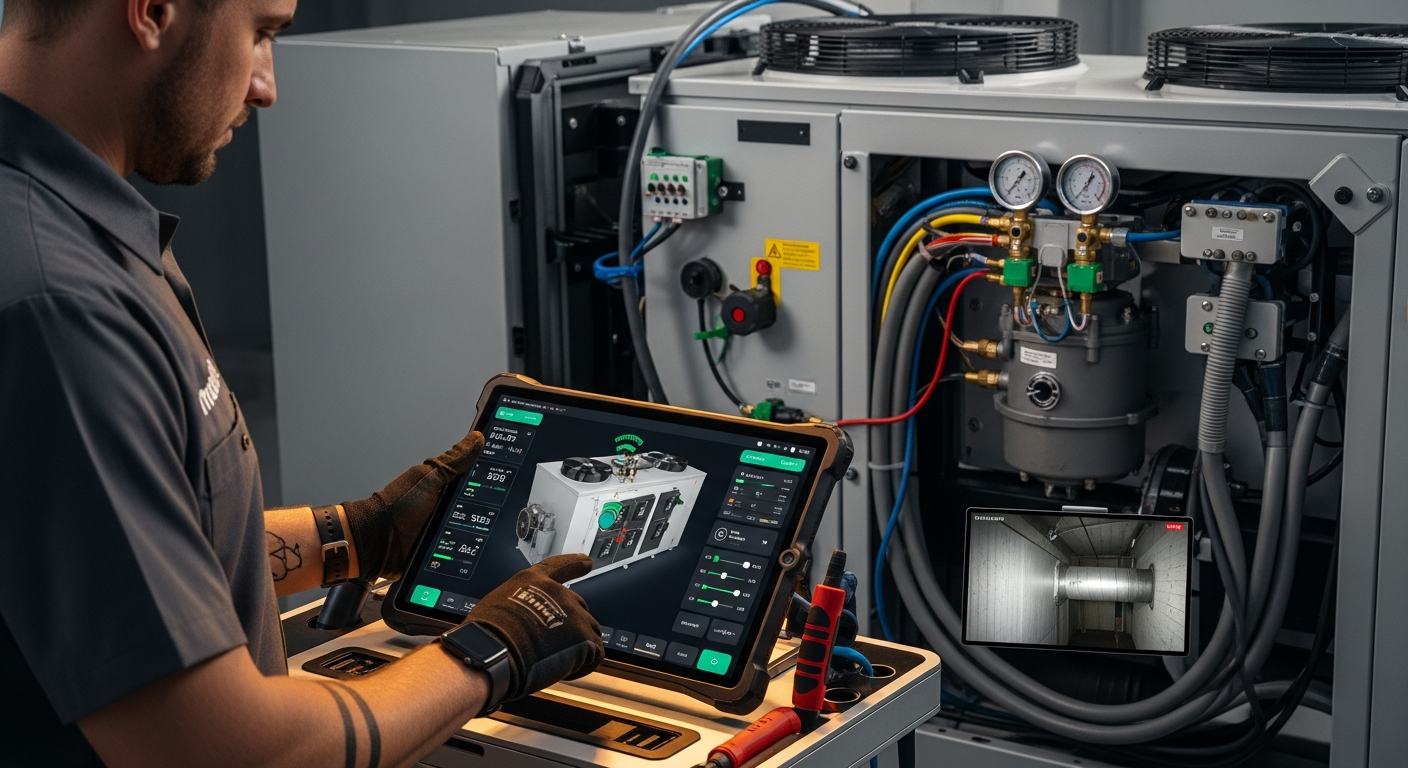
How to Implement a Whole Home Energy Management System
Integrate smart tech and HVAC controls to cut energy waste. This guide shows how to audit, upgrade, and automate your home's energy use, with real savings estimates.

How to Set Up Thermostat Geofencing
Set up thermostat geofencing to automatically adjust home temperature as you come and go. Save energy, extend equipment life, and never return to an uncomfortable house. Get our quick-start guide now.
How to Troubleshoot Smart Thermostat WiFi Issues
Your smart thermostat offline? Most WiFi drops can be fixed with power checks, router adjustments, and simple restarts. Follow our step-by-step guide to regain remote control and energy savings.