How to Reduce Pollen in Your Home With HVAC
Discover how your HVAC system can act as a powerful defense against seasonal allergies by filtering out pollen and improving indoor air quality.
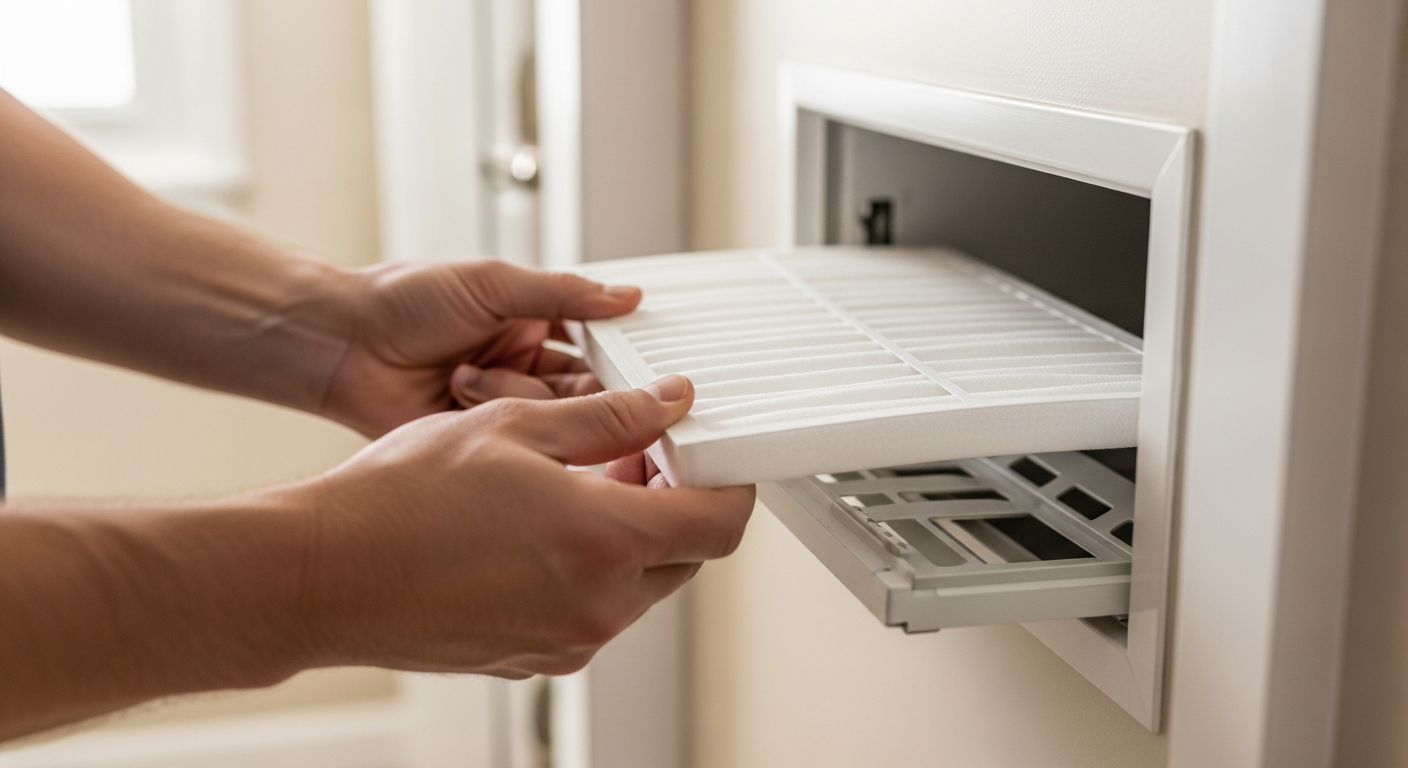
Breath Easier: Using Your HVAC to Fight Pollen
For many homeowners, spring and fall bring a beautiful change in scenery along with a miserable increase in allergy symptoms. Pollen is a relentless intruder that hitches a ride on your clothes, pets, and even through tiny gaps in your windows.
Your HVAC system is more than just a temperature regulator; it is your home's primary defense against airborne allergens. By optimizing your system, you can significantly reduce the pollen count indoors and create a true sanctuary from the outdoors.
Upgrade Your Air Filtration
The most direct way to stop pollen is to upgrade your air filter. Most standard fiberglass filters are designed to protect the equipment, not your lungs. They catch large dust bunnies but let microscopic pollen spores sail right through.
Look for a filter with a Minimum Efficiency Reporting Value (MERV) rating between 11 and 13. These filters are dense enough to trap pollen, mold spores, and fine dust without putting excessive strain on your blower motor. If you aren't sure which filter is right for your unit, you can find trusted local professionals on HVACDatabase.com to provide a professional recommendation.
The Power of HEPA Filtration
If you suffer from severe allergies, consider a HEPA (High-Efficiency Particulate Air) filtration system. These systems can remove 99.97% of particles as small as 0.3 microns. While most standard residential HVAC systems cannot handle a HEPA filter directly due to airflow resistance, a professional can install a whole-house bypass HEPA system to scrub your air clean.
Run Your System Regularly
During peak allergy season, it is tempting to open the windows for a cross-breeze. However, this invites millions of pollen grains into your carpets and upholstery. Instead, keep your windows closed and set your HVAC fan to the 'On' position rather than 'Auto'.
When the fan is set to 'On', the air is constantly being pulled through your high-efficiency filter, even when the system isn't actively cooling or heating. This continuous filtration is one of the most effective tips for managing indoor air quality during high-pollen days.
Maintain Your Outdoor Unit
The outdoor condenser unit is responsible for heat exchange, but if it is covered in debris, it works harder and less efficiently. While the outdoor unit doesn't pull air from the outside into your home, keeping the area around it clean prevents dirt and allergens from accumulating near your home's entry points.
- Clear away weeds, tall grass, and bushes within two feet of the unit.
- Gently hose down the coils to remove accumulated pollen and dust.
- Ensure no mulch or loose soil is being kicked up into the unit.
Control Humidity to Trap Particles
Humidity levels play a surprising role in how pollen behaves in your home. Extremely dry air allows pollen to remain airborne longer, making it easier to inhale. Conversely, excessive humidity can lead to mold growth, which compounds allergy issues.
Maintaining a balanced humidity level helps particles settle so they can be vacuumed or filtered out. You can learn more about the differences in equipment by reading about dehumidifier vs AC for humidity control. For many, the best solution is a dedicated system; you may want to check a whole-home dehumidifier cost guide or a whole-house humidifier cost guide to see which fits your climate needs.
Seal Your Ductwork
Even the best filter won't help if your ductwork is leaky. Small gaps in your return ducts can pull unfiltered air from crawlspaces or attics directly into your living areas. This bypasses the filter entirely, bringing in dust, insulation fibers, and pollen.
Having a technician inspect and seal your ducts ensures that 100% of the air entering your home passes through your filtration system first. This is especially critical if you live in areas prone to environmental hazards, similar to the strategies used for indoor air quality during wildfires.
Schedule Professional Maintenance
A clean system is a healthy system. Over time, pollen and dust can settle on the evaporator coil inside your air handler. This can lead to biological growth and reduced airflow, which makes your filtration less effective.
A professional HVAC tune-up includes cleaning these coils and checking the blower motor. If your system is failing to start or cycling improperly, it might be an internal issue like a faulty sensor. Understanding how to replace a furnace limit switch is helpful, but most filtration-related maintenance is best left to experts.
Final Steps for an Allergy-Free Home
While your HVAC system does the heavy lifting, you can help it by following these quick tips:
- Vacuum twice a week with a HEPA-equipped vacuum.
- Wash your bedding in hot water weekly to kill dust mites and remove pollen.
- Change your HVAC filter every 30 to 60 days during peak season.
- Remove your shoes at the door to avoid tracking in outdoor allergens.
If you are struggling with seasonal allergies, it is time to make your home a safe haven. Visit HVACDatabase.com to connect with local HVAC contractors who specialize in indoor air quality and filtration upgrades. A few simple changes to your system can lead to a lifetime of easier breathing.
Related articles
Connect this page to adjacent guides so readers keep moving deeper into the topic cluster.

How to Set Up Cross Ventilation in Your Home
Discover the science of cross ventilation to cool your home naturally, reduce energy bills, and improve air circulation without relying solely on your AC.
How to Choose a Ventilation System for a Tight Home
Modern airtight homes need mechanical ventilation to stay healthy. Discover which system is right for your home to ensure fresh air and lower energy bills.

How to Install a Makeup Air Unit
Discover how to install a makeup air unit to balance home pressure, improve air quality, and ensure your high-CFM exhaust fans operate safely.