How to Set Up a Preventive Maintenance Plan for Commercial HVAC
A structured preventive maintenance plan for commercial HVAC systems prevents costly breakdowns, lowers energy bills, and extends equipment life. This guide walks you through building a plan that fits your building and budget.
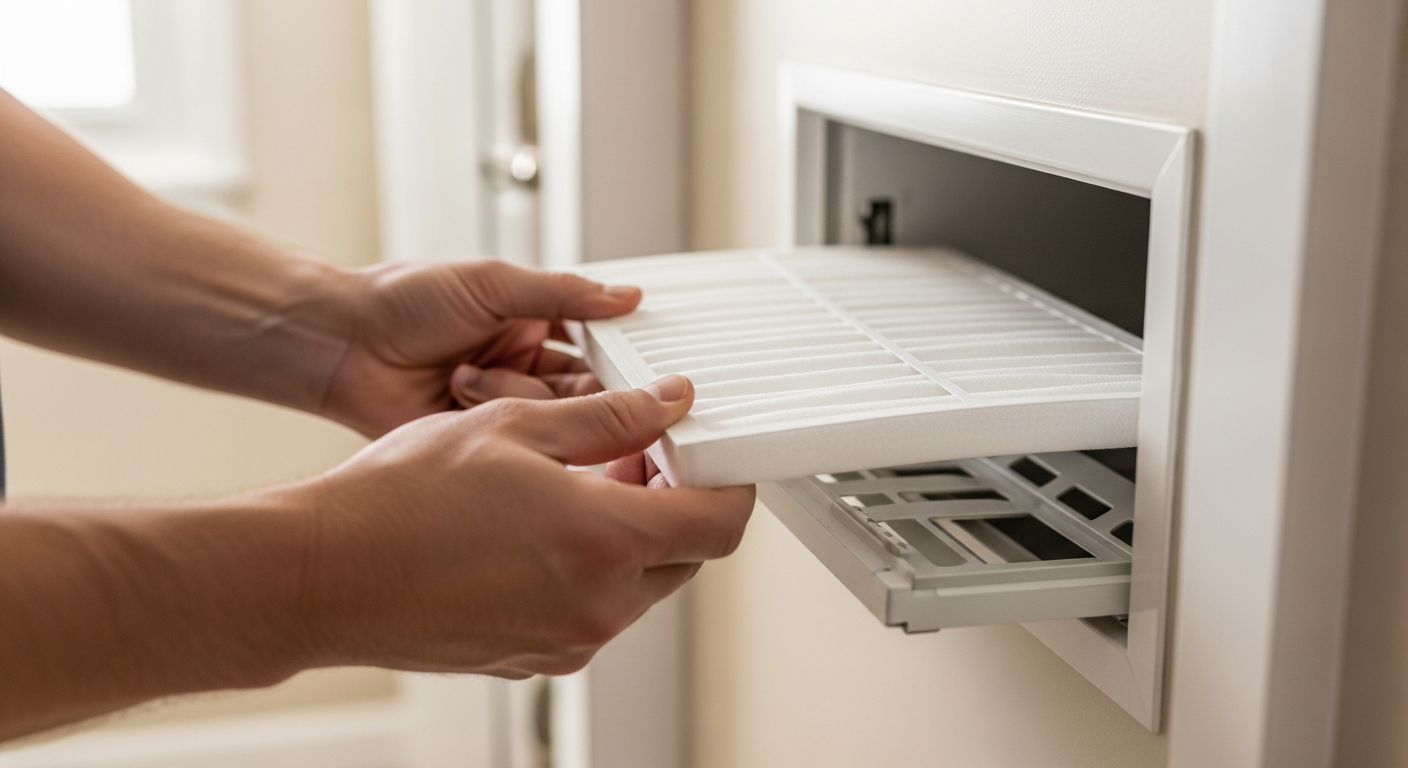
Adopt a documented, scheduled preventive maintenance plan with quarterly professional visits and monthly staff checks
This proactive strategy can reduce emergency repair costs by up to 40% and extend equipment life by 5–10 years. Avoid reactive, run-to-failure approaches that lead to high energy bills and tenant discomfort.
What Matters Most
- Inventory all HVAC equipment before designing a plan.
- Schedule maintenance based on building usage and local climate.
- Budget realistically: maintenance costs 80% less than emergency repairs.
- Only use licensed commercial HVAC contractors; verify credentials.
- Document every service event for warranty and resale value.
Strengths
- Predictable budget vs. surprise breakdowns
- Improved energy efficiency (10–20% savings)
- Longer equipment lifespan
- Better indoor air quality
- Warranty protection
Weaknesses
- Upfront annual cost commitment
- Requires coordination with tenants for access
- May temporarily disrupt business during service
- Finding a reliable contractor takes effort
Maintenance Plan Decision Summary
| Scenario | Usually do | Why |
|---|---|---|
| Small office with 1–2 packaged units | Semi-annual pro visits + monthly filter checks | Keeps costs low while catching common failures like dirty coils and loose belts. |
| High-traffic retail store | Quarterly pro visits; monthly filter replacement | Foot traffic loads the system with dust and debris; frequent attention prevents downtime during business hours. |
| Building with VRF/VRV system | Quarterly filter and coil checks; annual deep diagnostic | VRF systems are sensitive to refrigerant issues and need specialized care to maintain simultaneous heating/cooling. |
| Equipment over 15 years old | Increase frequency to quarterly; start a replacement reserve fund | Aging components fail more often; proactive replacement planning avoids being stuck with a dead system. |
Quick Answer
Set up a commercial HVAC preventive maintenance plan in 6 steps: inventory equipment, define intervals (monthly to annually), use a checklist, budget realistically, partner with a vetted pro, and document everything. Use our Maintenance Reminders tool to automate scheduling.
| Frequency | Typical Tasks (Pro Performed) | Cost Range |
|---|---|---|
| Monthly | Visual checks, filter inspection, cleaning around units | $0–$50 (filters) |
| Quarterly | Belt inspection, bearing lubrication, drain cleaning | $150–$350 |
| Semi-Annually | Coil cleaning, refrigerant check, controls test | $250–$600 |
| Annually | Deep clean, electrical safety, efficiency audit | $400–$1,200 |
Step 1: Inventory Your Commercial HVAC Equipment
Before you plan, you need a full list of every HVAC unit on the property—rooftop units (RTUs), split systems, boilers, chillers, VRF systems, and exhaust fans. Record make, model, serial number, age, and location. This inventory helps you identify units still under warranty, those approaching end-of-life, and any unique maintenance needs. For mixed-use buildings, treat each zone’s equipment separately. Use our System Age Decoder to estimate remaining lifespan.
Step 2: Plan Maintenance Intervals Based on Usage and Climate
Commercial systems work harder than residential units, so twice-a-year service is a minimum. For high-traffic or critical spaces, schedule quarterly visits. Adjust frequency for your climate:
- Hot climates (Phoenix, Las Vegas): Increase coil cleaning to quarterly; check refrigerant charge before peak summer.
- Cold climates (Chicago, Minneapolis): Inspect heat exchangers annually; ensure proper defrost cycles.
- Humid climates (Houston, Miami): Prioritize drain pan cleaning and mold prevention.
- Coastal areas: Check for salt corrosion on coils and electrical connections more frequently.
Use our Maintenance Reminders tool to set custom alerts.
Step 3: Use a Standardized Checklist to Avoid Missed Steps
A written checklist ensures every technician performs the same thorough inspection. A typical commercial checklist includes:
- Thermostat calibration and sensor verification
- Filter inspection/replacement (correct MERV rating)
- Condensate drain and pan cleaning
- Belt tension and alignment check
- Refrigerant pressure test (pro only)
- Electrical connection torque and safety controls test (pro only)
- Economizer and damper operation
- Heat exchanger and burner inspection (pro only)
Building staff can handle monthly visual checks and filter changes—but leave anything involving sealed electrical panels, refrigerant, or gas to a licensed technician.
Step 4: Budget for Preventive Maintenance — It Pays Off
Maintenance is far cheaper than emergency repairs. Typical costs per unit per year:
- Basic annual contract (2 visits): $150–$500
- Quarterly plan for a single RTU: $400–$1,200
- Large chiller/boiler: $800–$2,000
Use our HVAC Cost Estimator and commercial cost guide to budget accurately. A planned upgrade may save more than repeated repairs; check the Repair or Replace Calculator.
Step 5: Find and Vet a Commercial HVAC Contractor
Not all contractors handle commercial equipment. Look for:
- State commercial HVAC license (not just residential)
- Proof of commercial liability and workers’ comp insurance
- NAA or ASHRAE membership or similar
- Experience with your equipment brand and building automation systems
Get at least three quotes and verify with our Quote Checker. Search for pre-vetted pros at HVACDatabase contractor search or compare contractors side by side.
Step 6: Document Everything to Protect Your Investment
Keep a digital log of every service call: date, technician, tasks done, parts replaced, and any recommendations. This log is essential for warranty claims, resale value, and identifying recurring issues. A maintenance history can also help you decide when to replace equipment.
Repair vs. Replace: When Maintenance Isn’t Enough
If a unit is over 15 years old and a major component (compressor, heat exchanger) fails, replacement often costs less over time. Use our Repair or Replace Calculator to weigh repair costs against a new, more efficient system. For help sizing a replacement, try the BTU Calculator.
Safety Boundaries: What You Can Do and What Requires a Pro
Safe for Building Staff
- Change or clean air filters (use correct size and MERV rating)
- Keep outdoor units clear of debris, leaves, and snow
- Check thermostat settings and batteries
- Listen for unusual noises and report them
Requires a Licensed HVAC Technician
- Refrigerant handling or leak repair
- Electrical component testing or replacement (contactors, capacitors, control boards)
- Gas valve or burner adjustments
- Compressor or motor repair
- Bypassing any safety switch
Questions to Ask Before Signing a Maintenance Contract
- Are you licensed, bonded, and insured for commercial HVAC work?
- What does your standard preventive maintenance visit include? (Ask for a sample checklist)
- Do you offer 24/7 emergency service? What’s the guaranteed response time?
- Can you provide a fixed-price annual agreement? What’s the cost for my specific equipment list?
- How do you handle parts warranty and labor on repairs performed under the plan?
- Will you provide a digital service report with photos after each visit?
Climate-Specific Maintenance Considerations
Local weather shapes your maintenance needs. In hot, dry regions, coils collect dust faster. In humid areas, mold and drain line blockages are common. Salt-laden air near coasts corrodes coils and electrical connections. Always ask your contractor about local failure patterns and adjust your plan accordingly.
Our Approach to Cost Estimates and Recommendations
Cost ranges are editorial estimates based on market research, typical contractor pricing, and system size. They are not guaranteed quotes. Actual prices vary by region, season, labor rates, equipment brand, and access difficulty. Always get at least three written quotes and use our Quote Checker to spot overcharging. For more detailed cost data, visit our cost guide hub.
Frequently Asked Questions
How often should commercial HVAC systems be maintained?
At minimum, twice a year. For high-traffic or critical environments, quarterly visits are recommended. Use our Maintenance Reminders tool to set a custom schedule.
What is included in a basic commercial HVAC maintenance visit?
A typical visit includes filter inspection/replacement, coil cleaning (if accessible), drain check, belt and motor inspection, thermostat calibration, and a system performance report. Always confirm the checklist beforehand.
How much should I budget annually for commercial HVAC maintenance?
Plan on $150–$500 per unit per year for basic contracts. Larger rooftop units or chillers may cost $800–$2,000 annually. See our commercial HVAC cost guide for detailed breakdowns.
Can I handle filter changes myself to save money?
Yes. Replacing or cleaning filters is safe for building staff. Just ensure you use the correct size and MERV rating. Never attempt to open sealed electrical panels or refrigerant lines.
What’s the biggest mistake property managers make with HVAC maintenance?
Skipping documentation. Without a service history, you risk voiding warranties, repeating failed repairs, and losing value when selling. Always keep a digital log of all work done.
Methodology
HVACDatabase estimates combine common contractor price patterns, service-category pricing ranges, equipment complexity, urgency, regional labor variation, and known HVAC safety boundaries. Actual prices vary by city, brand, system size, access, warranty status, permit requirements, and whether the visit discovers ductwork, electrical, refrigerant, gas, or drainage issues. Use these numbers to sanity-check quotes, not as a guaranteed price.
Related articles
Connect this page to adjacent guides so readers keep moving deeper into the topic cluster.
How to Implement a Whole Home Energy Management System
Integrate smart tech and HVAC controls to cut energy waste. This guide shows how to audit, upgrade, and automate your home's energy use, with real savings estimates.

How to Set Up Thermostat Geofencing
Set up thermostat geofencing to automatically adjust home temperature as you come and go. Save energy, extend equipment life, and never return to an uncomfortable house. Get our quick-start guide now.
How to Troubleshoot Smart Thermostat WiFi Issues
Your smart thermostat offline? Most WiFi drops can be fixed with power checks, router adjustments, and simple restarts. Follow our step-by-step guide to regain remote control and energy savings.