How to Size Ductwork for Your HVAC System
Properly sized ductwork is critical for efficiency and comfort. Learn to spot undersized ducts, understand CFM and static pressure, and find a qualified contractor for Manual D design.
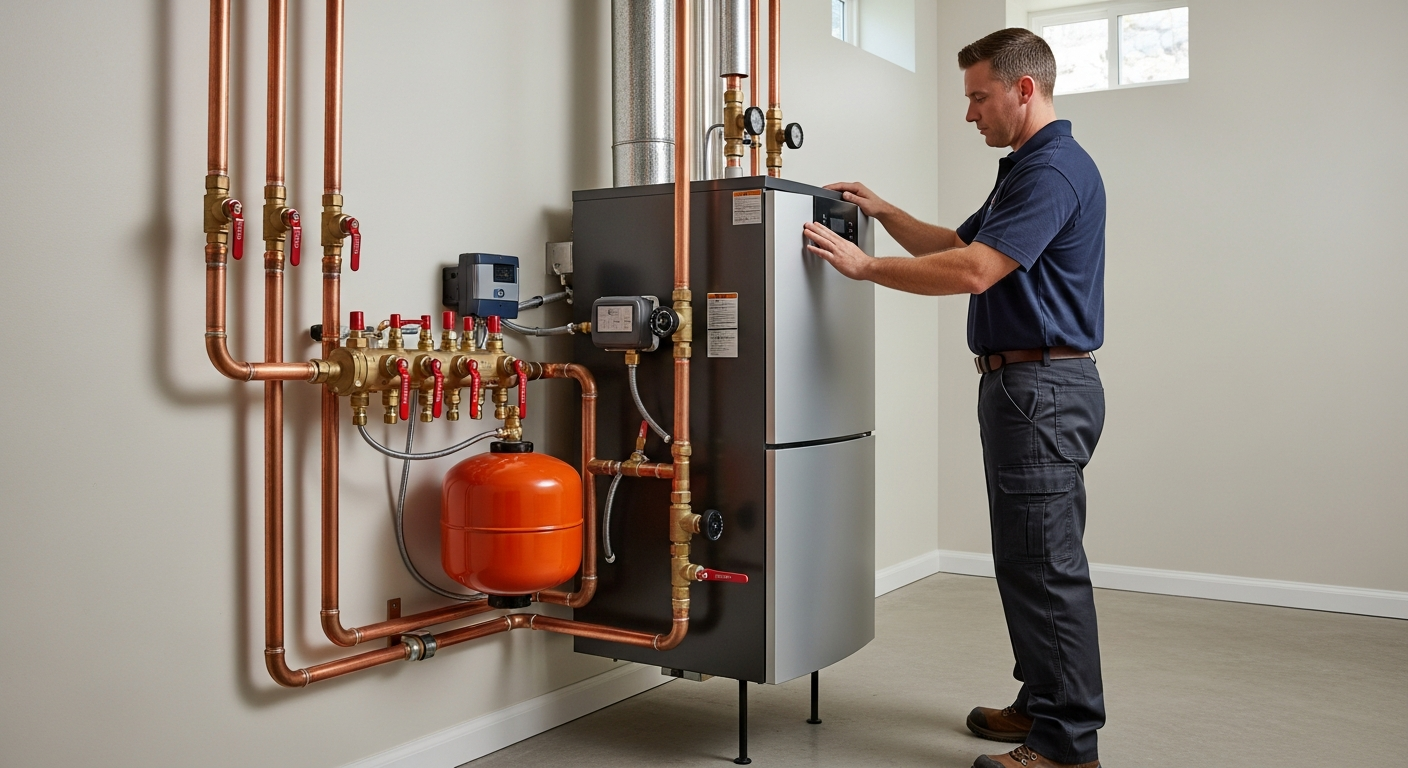
Never Guess Duct Sizes—Insist on Manual D
Homeowners should avoid rule-of-thumb duct sizing. Always require a Manual D calculation from a qualified contractor. The upfront investment in proper design pays back through comfort, efficiency, and longer equipment life.
What Matters Most
- Duct sizing is a science, not a rule-of-thumb.
- Undersized ducts waste energy, damage equipment, and cause noise.
- Use a BTU calculator and get a Manual J before duct work.
- Red flags: noisy vents, uneven temperatures, recent high-efficiency upgrade without duct evaluation.
- Hire a contractor who can show you the Manual D design and static pressure results.
Strengths
- Professionally sized ducts maximize HVAC efficiency and equipment lifespan.
- Reduces energy bills (often 20% or more savings from corrected airflow).
- Improves indoor comfort and air quality.
Weaknesses
- Proper sizing may require replacing or significantly modifying existing ducts (costly).
- In older homes, physical space limitations may force compromises.
- Some contractors skip the design step to cut costs, leading to poor outcomes.
Decision Summary
| Scenario | Usually do | Why |
|---|---|---|
| You're replacing your HVAC system and ducts are over 15 years old | Insist on a full Manual D design and likely replace or resize ducts | Older ducts often don't match modern equipment efficiency requirements |
| You have a single room that’s always uncomfortable | Have a pro evaluate that duct run and balancing; may only need a damper adjustment or small duct modification | Addressing one run is cheaper than a full redesign, but check for underlying issues |
| Your system is new but making noise | Immediate professional static pressure test | High static pressure damages blower motors and indicates duct issues |
| You want a preliminary check before calling a pro | Use our BTU calculator and note temperature differences room-by-room | Gives you data to discuss with contractors |
Introduction
Your HVAC system’s performance depends on more than the equipment—it relies on a network of ducts that distribute air. Incorrect duct sizing often goes unnoticed until rooms are uncomfortable, energy bills rise, or equipment fails prematurely. In fact, studies suggest that 50% of homes have ductwork undersized for modern high-efficiency units. This guide gives you the practical knowledge to recognize ductwork issues, understand what a correct sizing process looks like, and hire a contractor who follows industry standards, without needing an engineering degree.
Quick Answer
Proper duct sizing is not a DIY task—it requires professional calculation (Manual D) based on room-by-room load (Manual J). However, you can spot signs of trouble: noisy airflow, uneven temperatures, and high bills. To fix it, expect a pro to measure static pressure, calculate required CFM per room, and possibly resize ducts. Costs range from $500–$4,000+ depending on scope, often recouped in energy savings and equipment longevity.
Symptoms of Wrongly Sized Ducts
| Symptom | Likely Duct Issue | What to Do |
|---|---|---|
| Whistling or rushing noise from vents | Undersized ducts, high air velocity | Have a pro measure static pressure and assess duct size |
| Some rooms too hot/cold | Imbalanced airflow, possibly undersized runs | Get a Manual D review; may need dampers or larger ducts |
| High energy bills despite new equipment | Duct system causing excess static pressure | Professional duct design audit |
| Dust buildup near vents | Leaks or poor filtration exacerbated by pressure imbalance | Inspect and seal ducts; check filter |
Safety Boundaries: What You Can and Can’t Do
Safe Homeowner Checks
- Listen for unusual noise from vents.
- Check for rooms that don't match the thermostat setting.
- Visually inspect accessible ducts for disconnected joints or crushed sections.
- Ensure registers are not blocked by furniture.
Work That Requires a Licensed Professional
- Performing Manual J load calculations and Manual D duct design.
- Measuring static pressure with a manometer.
- Sizing, fabricating, and installing ductwork.
- Adjusting or replacing dampers and balancing airflow.
- Any work involving refrigerant lines, combustion flues, or electrical connections.
Tools to Help You Make Decisions
Before even thinking about ducts, confirm your home’s heating and cooling load with our BTU Calculator. This gives you a rough idea of required capacity, which drives duct sizing. For cost estimates on duct modifications or full replacement, use the HVAC Cost Estimator. If you have quotes, verify them with the Quote Checker.
Decision Rules: When to Act on Duct Issues
Use these thresholds to decide if you need professional duct evaluation:
- Noise test: If the sound from vents is noticeably louder than a quiet library, your duct velocity may be too high. A pro should measure if it exceeds 600–900 FPM depending on room use.
- Temperature split: With a thermometer, measure air temperature at supply vents and return grille. A difference less than 15°F or above 25°F could indicate airflow or equipment problems, often tied to duct design.
- Room variance: If any room is more than 3°F from the thermostat setpoint, airflow balancing or duct sizing may be the culprit.
- Age of system: If your home is over 30 years old and had A/C added later, the ducts were likely sized for heating only—they may be too small for cooling. Get a pro assessment.
Contractor Checklist: Questions to Ask Before Ductwork is Touched
When interviewing HVAC contractors for ductwork, use this checklist to ensure quality:
- “Will you perform a Manual J load calculation before sizing anything?” (Required for permit-quality work.)
- “Can you show me the Manual D duct design with CFM for each room?”
- “How will you test and document static pressure after installation?”
- “Do you include duct sealing to meet ENERGY STAR or local code standards?”
- “Are you familiar with local building codes and permit requirements?”
- “What warranty do you offer on ductwork and will you balance the system after?”
- “Can you provide references from homes where you’ve resized ducts?”
Duct Sizing and Your Local Climate
Duct design isn't one-size-fits-all. In hot, humid climates, ducts in unconditioned attics must be insulated to R-8 or better and sealed against moisture to prevent sweating. In cold climates, basement or crawl space ducts need insulation to avoid condensation and heat loss. In older homes, existing duct chases may constrain sizing; a pro might recommend high-velocity mini-duct systems as an alternative.
How We Developed This Advice
Our recommendations follow industry standards from the Air Conditioning Contractors of America (ACCA) Manual J and Manual D. Cost estimates are editorial ranges based on national averages for diagnostic visits ($80–$200), duct modifications ($500–$1,500 for a few runs), and full duct replacements ($3,000–$8,000+), as reported by contractors and aggregated data. Specific costs will vary by region, home size, and accessibility.
Frequently Asked Questions
Can I upsize my furnace or A/C without changing ducts?
Rarely. Larger equipment requires more airflow. If your ducts can’t handle the increased CFM, you’ll face high static pressure, noise, and potential equipment failure. Always have a pro verify duct capacity before upsizing.
How much does it cost to resize ductwork?
Resizing a few branch runs typically costs $500–$1,500, while a full duct replacement in an average home ranges from $3,000 to $8,000+, depending on accessibility and local rates.
What is a ductulator and can I use one?
A ductulator is a slide rule that relates CFM, duct size, and friction rate. While you can buy one, correct use requires knowing the design static pressure and friction rate from a Manual D calculation—something best left to a pro.
Will sealing my ducts fix sizing problems?
Sealing leaks improves efficiency but won’t fix fundamentally undersized ducts. It can reduce static pressure slightly, so it’s a good practice, but it doesn't replace proper sizing.
How do I know if my contractor did a Manual D?
Ask for a copy of the room-by-room CFM worksheet. It should list each room’s heating/cooling load (from Manual J) and the duct size with equivalent length. A reputable contractor will provide this documentation.
Methodology
HVACDatabase estimates combine common contractor price patterns, service-category pricing ranges, equipment complexity, urgency, regional labor variation, and known HVAC safety boundaries. Actual prices vary by city, brand, system size, access, warranty status, permit requirements, and whether the visit discovers ductwork, electrical, refrigerant, gas, or drainage issues. Use these numbers to sanity-check quotes, not as a guaranteed price.
Related articles
Connect this page to adjacent guides so readers keep moving deeper into the topic cluster.
How to Implement a Whole Home Energy Management System
Integrate smart tech and HVAC controls to cut energy waste. This guide shows how to audit, upgrade, and automate your home's energy use, with real savings estimates.

How to Set Up Thermostat Geofencing
Set up thermostat geofencing to automatically adjust home temperature as you come and go. Save energy, extend equipment life, and never return to an uncomfortable house. Get our quick-start guide now.

How to Troubleshoot Smart Thermostat WiFi Issues
Your smart thermostat offline? Most WiFi drops can be fixed with power checks, router adjustments, and simple restarts. Follow our step-by-step guide to regain remote control and energy savings.