How to Weatherize Your Home for Winter
Weatherize for winter: seal air leaks, insulate pipes and attics, and tune your HVAC. Our actionable guide saves you money and prevents frozen pipes with clear DIY steps and professional advice.
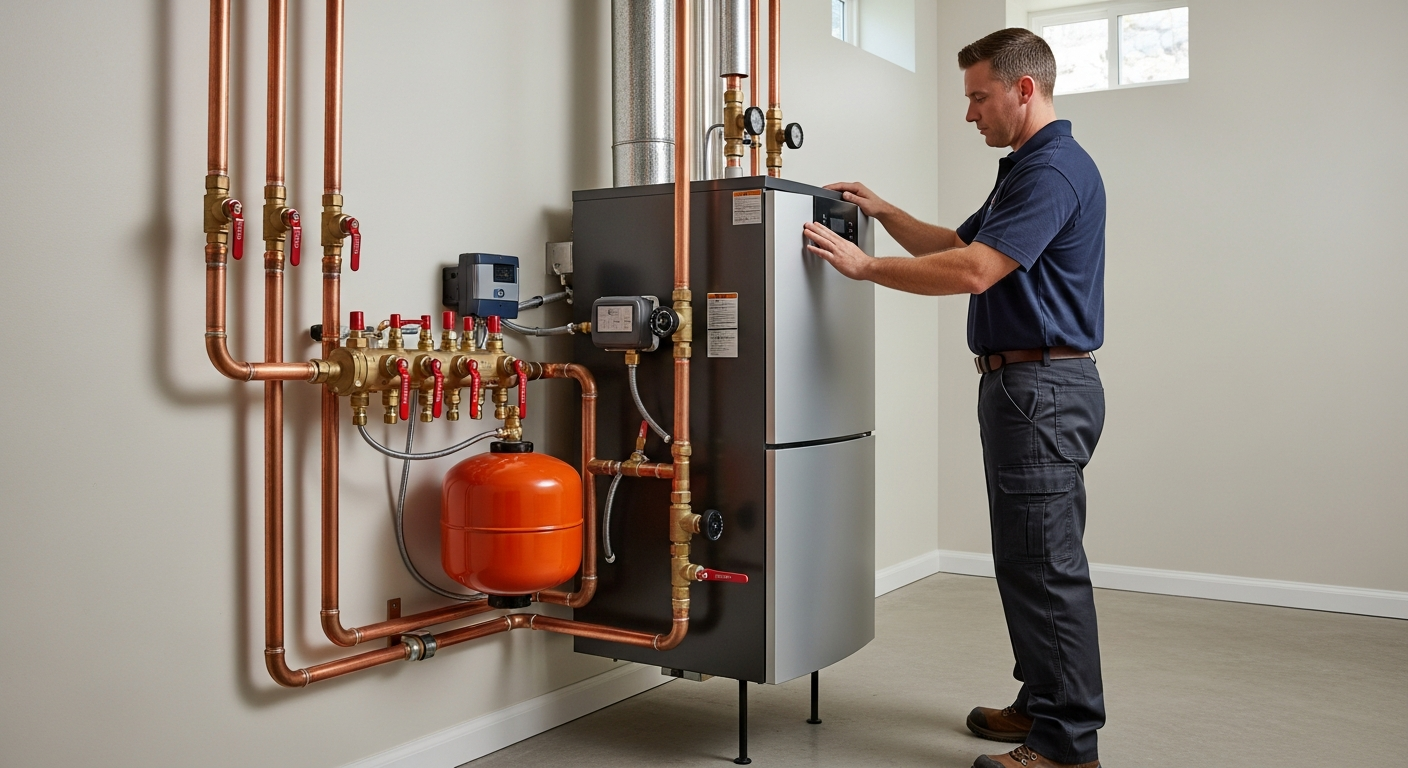
Seal and Insulate First, Upgrade HVAC Second
Always minimize heating demand before sizing a new furnace or heat pump. Air sealing and insulation deliver the fastest, cheapest comfort gains—then your system runs efficiently and lasts longer.
What Matters Most
- Seal drafts with caulk and weatherstripping for under $50 and 10–20% bill reduction
- Add attic insulation to reach R-49+ in cold zones—pays back in 2–5 years
- Install a programmable thermostat and set back 7–10°F when away or asleep
- Reverse ceiling fans clockwise to recirculate warm air and lower thermostat 1–2°
- Get a blower-door audit if your home is 20+ years old with $150+ monthly heating bills
Strengths
- Immediate comfort improvement—drafts disappear
- Long-term energy savings of 15–30% annually
- Extended HVAC lifespan from reduced cycling
- Increased home resilience against extreme cold and frozen pipes
Weaknesses
- Upfront cost of whole-house insulation can be $1,500–$3,000 before rebates
- Over-tightening without ventilation may cause humidity or indoor air quality issues
- Some air sealing requires disturbing lead paint or asbestos—demands EPA-certified pros
Decision Summary: What to Do in Your Situation
| Scenario | Usually do | Why |
|---|---|---|
| Drafty windows, no visible insulation gaps | Apply weatherstripping and caulk; install door sweeps | Cuts 10-15% heat loss, costs under $50, immediate results |
| High heating bills, visible attic joists | Blow in cellulose or add fiberglass batts to R-49+ | Attic losses account for up to 25% of total heat; insulation pays back in 2-5 years |
| Furnace over 15 years old, frequent repairs | Weatherize first, then replace with right-sized unit | A smaller furnace after load reduction costs less and runs at peak efficiency |
Introduction
A typical home leaks 25–40% of its heat through gaps, cracks, and thin insulation. Weatherizing can slash your heating bill by $200–$500 a year while making every room feel warmer. Whether you’re a homeowner or a property manager, this guide gives you concrete thresholds, cost estimates, and the exact steps to plug those leaks before the first freeze.
Quick Answer
Weatherizing means sealing air leaks, adding insulation, maintaining your HVAC, and using smart thermostat settings. The fastest payback comes from caulking and weatherstripping (under $50 DIY). A full professional weatherization package runs $1,000–$3,000 before rebates and can cut heating demand by 25–30%. Always fix air leaks before upgrading heating equipment.
Why Weatherize Now?
Beyond comfort, weatherization protects your home. Frozen pipes can burst, causing thousands in water damage. Drafts force your furnace or heat pump to cycle more often, wearing it down years early. The U.S. Department of Energy estimates the average household can save 15% on heating and cooling bills with proper air sealing and insulation.
Common Heat Loss Culprits
- Window and door frames (10–15% of loss)
- Attic hatch and recessed lights (15–20%)
- Basement rim joists and sill plates (10–15%)
- Uninsulated ducts in unconditioned spaces (20–30% if leaky)
DIY Weatherizing: Safe Steps You Can Take
Seal Air Leaks Around Windows and Doors
Use a lit incense stick or a smoke pen on a windy day—moving smoke reveals drafts. For moveable joints, apply adhesive-backed EPDM rubber weatherstripping. For stationary gaps (like where the frame meets the wall), run a bead of paintable acrylic caulk. Install a door sweep on exterior doors: choose nylon brush types for uneven thresholds. Average DIY cost: $20–$50 per door/window. Pro tip: combine with a home air sealing guide for step-by-step visuals.
Insulate Exposed Pipes
Frozen pipes burst at the weakest point, often in unheated basements, crawl spaces, or garages. Snapping on pre-slit foam pipe insulation costs $2–$8 per 6-ft. length and prevents disaster. For hot water pipes, insulation also reduces heat loss so water stays hot longer. Seal seams with duct tape or zip ties. Do this before temperatures drop below 20°F.
Check Attic Insulation
Head up with a ruler. If you see floor joists, your insulation is likely too thin. The North American Insulation Manufacturers Association recommends R-49 to R-60 in cold climates (zone 5–7). In older homes, adding blown-in cellulose or fiberglass batts can pay back in 2–5 years. Use our BTU calculator to see if your insulation matches your heating load.
Reverse Your Ceiling Fans
Flip the small switch on the fan motor to clockwise at the lowest speed. This pulls cooler air up and pushes warm air stratified near the ceiling out toward the walls and back down. Run it only when you’re in the room. For details, see our ceiling fan efficiency guide.
Install a Programmable Thermostat
A setback of 7–10°F for 8 hours a day (when you sleep or leave) slashes 10% off annual heating bills. Smart thermostats add geofencing and learning. Budget $30–$100 for a basic model, $150–$250 for a pro install. Some utilities offer free units or rebates—check our rebate finder.
Professional Weatherization Services
Some upgrades demand a contractor. Blower-door guided air sealing, duct leakage tests, and attic insulation above existing flooring require specialized tools and safety know-how. A vetted HVACDatabase contractor can perform a full energy audit for $200–$500 and identify the highest-return improvements.
| Measure | DIY Cost Range | Pro Cost Range | Estimated Annual Savings | Typical Payback |
|---|---|---|---|---|
| Seal air leaks (caulk, weatherstrip) | $20–$50 | $200–$500 | 10–20% | <1 year |
| Attic insulation upgrade | $500–$1,500 | $1,500–$3,000 | 15–25% | 2–5 years |
| Pipe insulation | $10–$30 | $100–$300 | 1–3% | 1–2 years |
| Programmable thermostat | $30–$100 | $150–$250 | 5–10% | <1 year |
| Duct sealing | N/A (pro only) | $500–$1,500 | 10–20% | 2–4 years |
Safety Boundaries
Safe for homeowners: applying weatherstripping, caulking gaps, installing door sweeps, wrapping exposed pipes with foam insulation, swapping air filters, programming thermostats, reversing ceiling fans, visually checking attic insulation thickness, and resetting circuit breakers.
Requires a licensed professional: gas furnace inspections, heat exchanger checks, ductwork sealing or modification, adding insulation that disturbs lead paint or asbestos, blower-door tests that involve high-powered fans, and any work involving refrigerants, capacitors, contactors, or high-voltage wiring. Never attempt DIY combustion appliance adjustments—carbon monoxide risks are fatal.
If you smell gas or suspect a leak, evacuate and call the gas company immediately. Combustion safety must be verified after air sealing; a pro measures oxygen and CO levels post-weatherization.
Tools to Estimate Your Savings
Use HVACDatabase calculators to see potential returns before you spend:
- Energy Calculator – model how much air sealing and insulation can slash your annual bill.
- BTU Calculator – match insulation R-values to your home’s heating load.
- HVAC Cost Estimator – price out professional air sealing or insulation jobs.
- Rebate Finder – locate utility incentives that frequently cover 50% of weatherization costs.
Decision Tree: Where to Start
Answer these questions to pinpoint your first move:
Do you feel drafts near windows or doors?
Yes: Seal with weatherstripping and caulk first (DIY under $50).
No: Move to attic inspection.
Is your attic insulation level with or below the floor joists?
Yes (or you see joists): Add blown-in insulation to reach R-49 (cold climates) or R-38 (mixed/hot).
No (deep, fluffy coverage): Insulation is likely adequate; focus on HVAC efficiency.
Is your furnace or heat pump over 15 years old?
Yes: Weatherize first, then use the Repair or Replace Calculator to decide on upgrading your unit. A smaller, efficient system will be needed after reducing heat loss.
No: Schedule a professional tune-up and check duct leakage.
Is your monthly heating bill above $150 in winter?
Yes, and your home is over 20 years old: Get a professional energy audit ($200–$500) to find hidden leakage.
No: Continue with cost-effective DIY measures.
Local Considerations
Cold climates (Zones 5–7): Attic insulation R-49 to R-60 is essential. Rim joists in basements are a prime leak point. Consider heat-tape for pipes prone to freezing.
Mixed/humid climates (Zones 3–4): Air sealing is critical; moisture control prevents mold. Balanced ventilation (like an ERV) may be needed after tightening the envelope. See our contractors in your area who know local code requirements.
Coastal areas: Salt corrosion attacks HVAC outdoor coils. Ask your contractor about coated or coastal-rated units during maintenance. Find Phoenix AC contractors or Chicago heating specialists depending on your location.
Older homes (pre-1978): Lead-safe practices are required when disturbing paint (like window frames) during air sealing. Only EPA-certified renovators should do that work. Get quotes from verified contractors.
Contractor Checklist: Questions to Ask Before Hiring
- Are you BPI- or RESNET-certified for energy audits?
- Do you perform a blower-door test before and after air sealing?
- Can you provide an itemized scope of work with guaranteed outcomes?
- Do you carry liability and workers’ compensation insurance?
- Will you provide references from homes similar to mine (age, size, climate)?
- How do you handle combustion safety checks—will you measure CO levels after sealing?
- What rebates or financing do you help me apply for?
Methodology
Our cost ranges are editorial estimates sourced from the U.S. Department of Energy, ENERGY STAR, and aggregated contractor surveys from HVACDatabase. Savings percentages are based on the DOE’s “Home Energy Saver” model for a typical 2,000 sq. ft. home. Actual results depend on local energy prices, existing insulation, and climate zone. All dollar figures in U.S. currency and subject to change. Always obtain at least three quotes for large projects; use our Quote Checker to compare them side-by-side.
Frequently Asked Questions
1. What is the single most effective weatherization task?
Sealing air leaks with caulk and weatherstripping. For under $50, you can eliminate drafts that account for up to 20% of heat loss. It pays back in weeks, not years.
2. Can I weatherize my house too much?
It’s possible to make a home “too tight,” which can trap humidity and pollutants. A professional blower-door test checks air changes per hour; if below 0.35 ACH, code may require mechanical ventilation. For DIY work, ensuring bathroom and kitchen fans vent outdoors usually maintains safe air quality until a pro can verify.
3. How do I find weatherization rebates?
Start with the HVACDatabase Rebate Finder – enter your ZIP code to see utility, state, and federal incentives. Many programs cover 50–75% of insulation and air sealing costs for income-eligible households.
4. Should I weatherize before replacing my furnace?
Absolutely. Reducing your home’s heating load by 25% means you can often choose a smaller, less expensive furnace that runs at optimal efficiency. Use the Repair or Replace Calculator to model both scenarios.
5. How often do weatherization materials need updating?
Weatherstripping and caulk degrade in 2–10 years, depending on sun and temperature swings. Inspect them each fall. Foam pipe insulation lasts decades unless chewed by pests. Attic insulation can settle 10–20% over time; check depth every 5 years.
For emergency heating system failures, visit our 24/7 emergency HVAC page. To compare contractor prices and reviews in your area, use the contractor comparison tool.
Related articles
Connect this page to adjacent guides so readers keep moving deeper into the topic cluster.
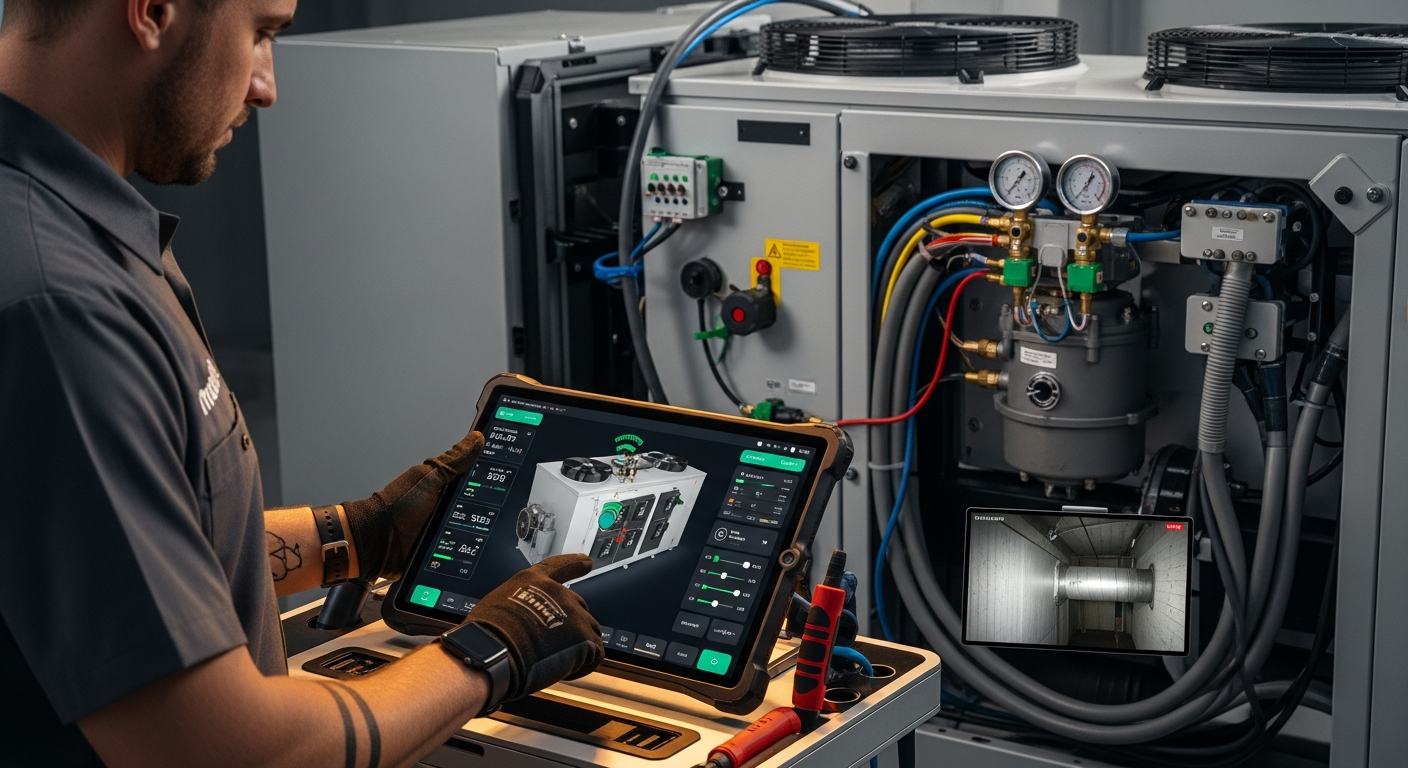
How to Implement a Whole Home Energy Management System
Integrate smart tech and HVAC controls to cut energy waste. This guide shows how to audit, upgrade, and automate your home's energy use, with real savings estimates.

How to Set Up Thermostat Geofencing
Set up thermostat geofencing to automatically adjust home temperature as you come and go. Save energy, extend equipment life, and never return to an uncomfortable house. Get our quick-start guide now.
How to Troubleshoot Smart Thermostat WiFi Issues
Your smart thermostat offline? Most WiFi drops can be fixed with power checks, router adjustments, and simple restarts. Follow our step-by-step guide to regain remote control and energy savings.