HVAC Tips for Phoenix Homeowners
Beat Phoenix heat with actionable HVAC tips: change filters every 30 days, set thermostats to 78°F, know when to repair or replace, and hire vetted pros. Lower bills and avoid breakdowns.
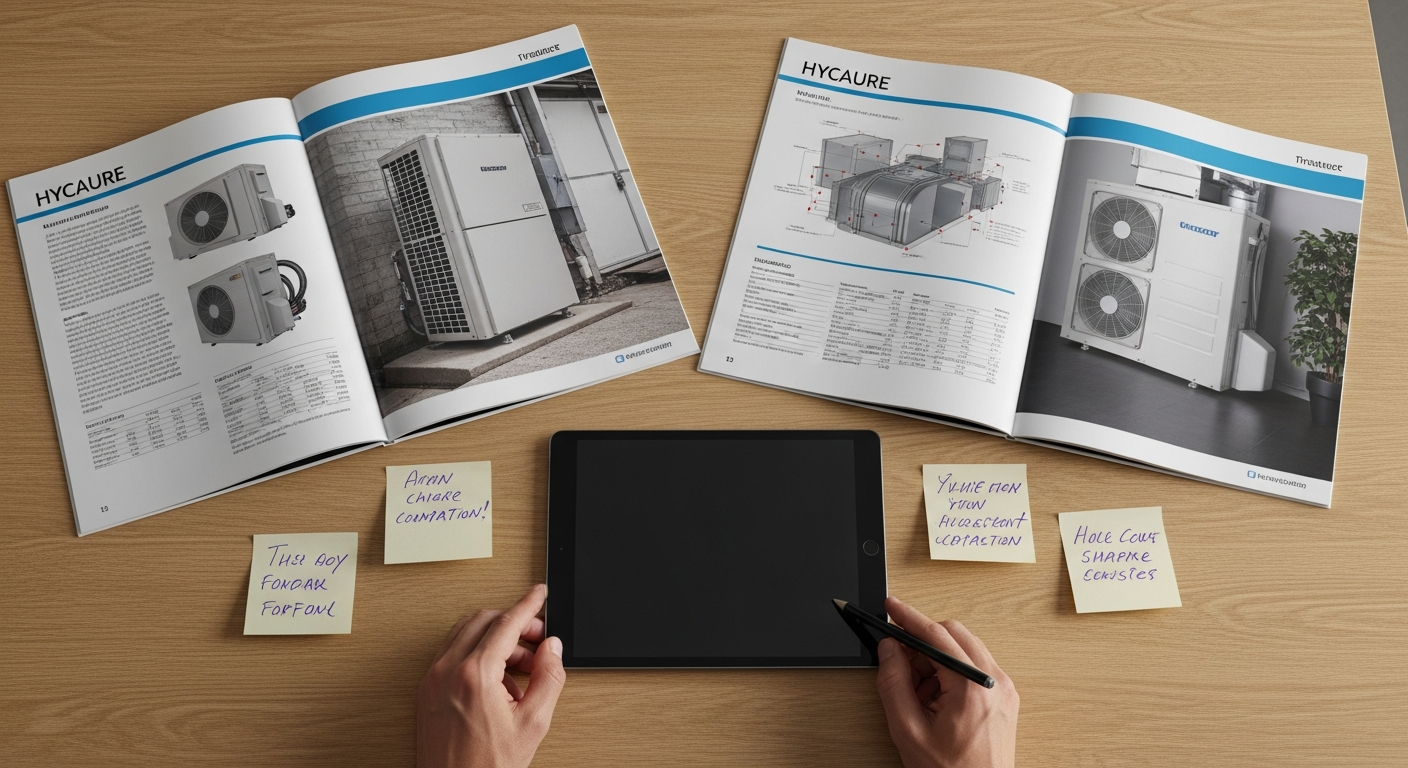
Proactive filter changes, seasonal professional tune-ups, and smart thermostat use are the three highest-ROI actions for Phoenix homeowners.
Small, consistent habits—changing filters monthly, setting thermostats to 78°F/83°F, and blocking direct sunlight—extend system life and keep bills manageable. Pair with an annual pro inspection to catch small issues before the heatwave.
What Matters Most
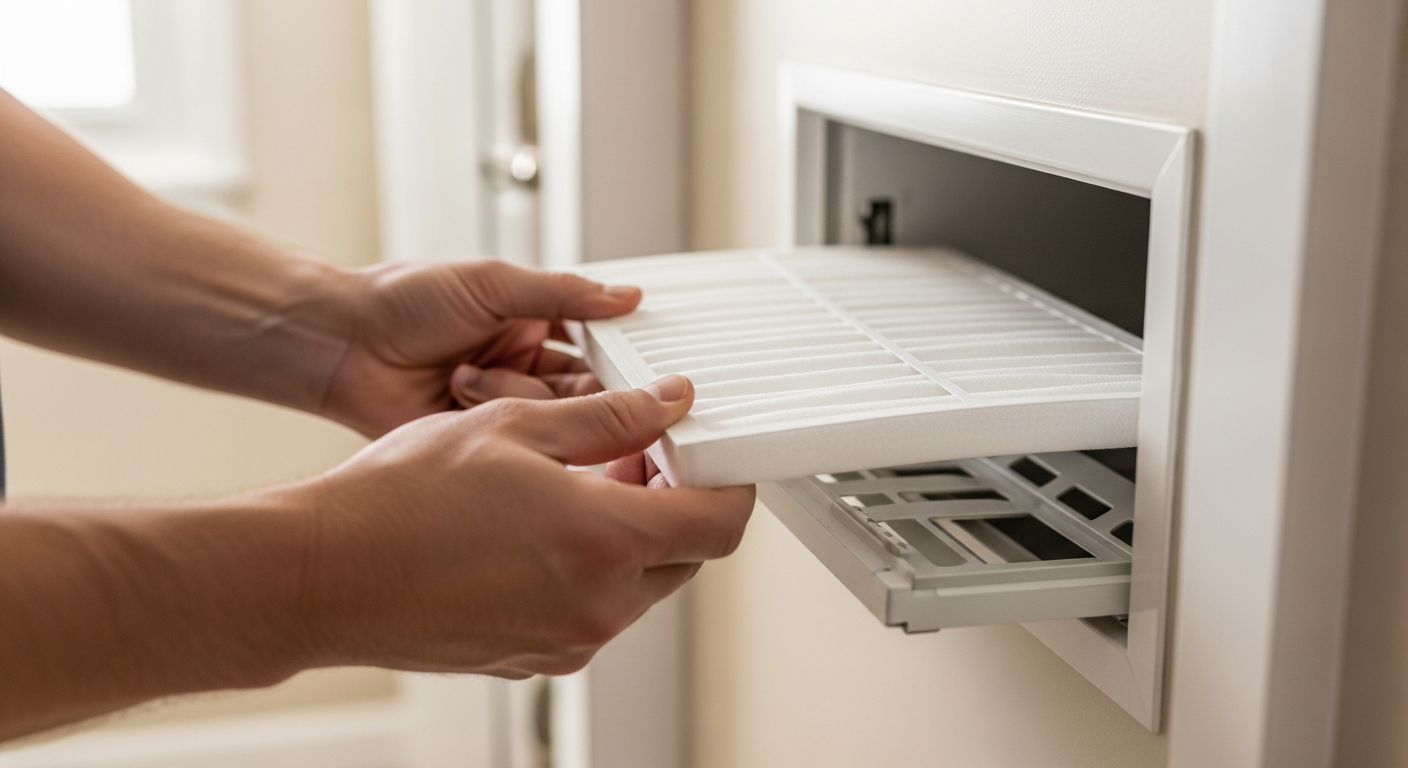
- Check and replace filters every 30 days during cooling season.
- Set thermostat to 78°F when home, 83°F when away.
- Get a professional pre-summer inspection to avoid breakdowns.
- Replace systems over 12 years old if a major repair costs more than 50% of new unit price.
- Always verify contractor license, insurance, and get a Manual J load calculation.
Strengths
- Immediate cost savings through proven thermostat and filter practices.
- Clear repair-vs-replace thresholds prevent emotional decisions.
- Safety boundaries protect homeowners from electrical/refrigerant risks.
- Localized advice (dust, monsoon, utility rebates) addresses Phoenix-specific challenges.
Weaknesses
- Annual professional inspection costs $180–$500, which some homeowners may skip despite long-term savings.
- Pre-cooling strategy (78°F early, 83°F away) may not suit households with infants, elderly, or medical needs.
- Replacement decision based on repair cost percentage ignores cash flow constraints; financing may be needed.
Decision Summary
| Scenario | Usually do | Why |
|---|---|---|
| AC not cooling, filter clean, thermostat set correctly | Call pro for diagnosis | Likely refrigerant or electrical; DIY unsafe |
| System 8 years old, needs $600 repair | Repair | Repair <20% of replacement cost, system has remaining life |
| 15-year-old system, compressor failure ($3,500) | Replace | Repair exceeds 50% of new system cost; old efficiency |
| Outdoor unit loud, breaker tripping once | Reset once; call pro if repeats | Repeated trips indicate severe fault; risking compressor |
Quick Answer: Phoenix HVAC Essentials
In Phoenix, your AC is life support, not luxury. Focus on these three high‑impact moves: change filters every 30 days (dust clogs them fast), set a programmable thermostat to 78°F when home / 83°F when away, and get a professional pre‑summer tune‑up. If your system is over 12 years old and needs a repair costing more than $2,500, replacement often pays back through reliability and energy savings. Always verify contractor licenses and insurance before work begins.
Monthly & Seasonal Maintenance Checklist
| Task | Frequency | Homeowner or Pro? |
|---|---|---|
| Check air filter; replace if dirty | Every 30 days during cooling season | Homeowner |
| Rinse outdoor condenser coils gently with garden hose | Every 2–3 months, or after dust storms | Homeowner (low pressure only) |
| Clear 2‑foot clearance around outdoor unit; trim vegetation | Monthly | Homeowner |
| Test thermostat accuracy and battery | Monthly | Homeowner |
| Professional inspection: refrigerant level, electrical connections, drain pan, coil cleaning, blower check | Annually (spring) | Licensed HVAC technician |
Decision Rules: Repair or Replace?
Use these thresholds to avoid pouring money into a dying system.
- Age: If your AC is over 12 years old and the compressor fails, replace it.
- Cost: If a single repair exceeds 50% of a new system’s installed cost (typically $5,000–$9,500 in Phoenix), replace it.
- Efficiency: If your SEER rating is below 14 and you’re facing a $1,500+ repair, consider upgrading. APS and SRP rebates can offset cost.
- Refrigerant: If your unit uses R‑22 and develops a leak, replacement is nearly always smarter than repair.
Our repair‑or‑replace calculator helps you run the numbers.
Decision Table: Common Scenarios
| Scenario | Usually Do | Why |
|---|---|---|
| AC not cooling, filter is clean, thermostat batteries fresh | Call a pro for diagnostics ($80–$200) | Likely electrical, refrigerant, or compressor issue – not DIY-safe |
| System is 8 years old, needs a $600 blower motor | Repair | Life expectancy remains; repair is less than 20% of replacement cost |
| 15‑year‑old system, compressor grounded out ($3,500 repair) | Replace | Beyond half the cost of a new, efficient unit; old coil, inefficient SEER |
| Outdoor unit loud and tripping breaker, electrical connections tight | Call a pro | Compressor or capacitor likely failing; breaker trips indicate serious load |
Smart Habits That Lower Your Electric Bill
- Programmable thermostat: Pre‑cool your home to 78°F before peak hours (3–8 p.m.) and set 83°F when away. Consider a smart thermostat with demand‑response to leverage utility programs.
- Block the sun: Close west‑facing blinds from noon onward. Use solar screens or window film on sun‑hot walls.
- Shift appliance use: Run dryer, oven, and dishwasher early morning or after 8 p.m. This keeps indoor heat gain low during AC’s hardest work.
- Ceiling fans: Use them to raise thermostat setpoint by 3–4°F without comfort loss. Turn off when leaving the room.
How to Hire a Phoenix HVAC Contractor (Without Getting Burned)
Before approving work, ask these questions:
- Are you licensed, bonded, and insured? Verify at our Phoenix AC repair directory or through the Arizona Registrar of Contractors.
- Can you provide a detailed written estimate? Get line‑item costs. Use our quote checker to compare fairness.
- Do you perform a Manual J load calculation? A proper sizing prevents short‑cycling and humidity nightmares. Don’t accept “same size as before” without verification.
- What warranties do you offer? Look for 1‑year labor minimum, 10‑year parts from manufacturer.
- Do you have references from Phoenix? Ask for recent jobs in your ZIP code.
- Will you pull permits? If replacement involves electrical or structural changes, permits protect you and ensure code compliance.
For emergency after‑hours help, use our emergency service finder.
Safety Boundaries: What Homeowners Can and Cannot Do
Safe DIY tasks
- Replace disposable air filters
- Clean debris and vegetation around outdoor unit
- Rinse outdoor condenser fins with gentle garden hose (no pressure washer, no chemicals)
- Check thermostat batteries and settings
- Inspect visible ductwork for disconnected or crushed sections (in attic/basement)
- Reset a tripped circuit breaker once—if it trips again, stop and call a pro
Pro‑only tasks (do not attempt)
- Refrigerant handling, leak repair, or recharging
- Compressor, capacitor, contactor, or control board replacement
- Electrical component testing beyond thermostat battery change
- Gas furnace or combustion system repair
- Deep coil cleaning with chemicals
- Any work requiring opening sealed refrigerant lines or electrical panels
Tools to Guide Your Next Steps
Use our calculators to make data‑backed decisions:
- HVAC Cost Estimator: See installed‑system pricing ranges tailored to Phoenix.
- Repair or Replace Calculator: Plug in age, repair quote, and SEER to get a recommendation.
- BTU Calculator: Right‑size your next system; avoid oversizing in dry Phoenix where oversized units cool too quickly and don’t dehumidify enough.
- Rebate Finder: Discover APS, SRP, and federal tax incentives for high‑efficiency heat pumps and ACs.
Need a reliable contractor? Browse our vetted network or compare local pros side by side.
Local Phoenix Context
Phoenix’s summer design temperature is 110°F; your AC is sized for that peak load. Dust storms (haboobs) clog coils in hours, not weeks. Hard water evaporative deposits coat condenser fins, reducing efficiency by up to 15%. Monsoon humidity adds latent load, so oversized systems can leave you muggy. SRP and APS offer demand‑response programs that can pay you to adjust thermostat during peak grid events. Homes built before 2000 often have aging ductwork with 20‑30% leakage; sealing ducts can save $400/year.
Methodology & Cost Transparency
All cost figures are editorial estimates, not guaranteed quotes. We aggregate national RSMeans data, Bureau of Labor Statistics labor rates, Phoenix‑area contractor surveys, and real‑world invoices shared by homeowners. Prices fluctuate with season (May–June is peak), system brand, SEER rating, attic access difficulty, and electrical upgrades. A standard diagnostic visit runs $80–$200; annual maintenance contracts range from $180–$500 for two visits. Use our tools to estimate your specific scenario, and always get three itemized quotes.
Frequently Asked Questions
How often should I really change my AC filter in Phoenix?
Check it every 30 days during cooling season (April–October). In dusty areas or during monsoon, you may need a new pleated filter every 3–4 weeks. A clogged filter can increase energy use by 5–15% and cause coil freeze‑ups.
What temperature should I set my thermostat in Phoenix summer to save money?
Set 78°F when home and awake, 83°F when away. Every degree you raise the setpoint above 72°F can save 2–3% on cooling costs. Use ceiling fans; they make you feel 4°F cooler.
My AC keeps tripping the breaker. Can I keep resetting it?
No. Reset it once. If it trips again, there’s a serious electrical fault—likely a failing compressor, shorted capacitor, or wiring issue. Continuing to reset can damage the compressor or cause a fire. Call a licensed electrician or HVAC tech immediately.
Is a yearly maintenance contract worth it in Phoenix?
Yes. Two annual check‑ups (spring cooling, fall heating) catch failing capacitors, low refrigerant, and clogged drains before the 115° day. Contractors on maintenance plans often give 10–15% discount on repairs and priority scheduling. A clean, tuned system can use 5–10% less energy.
How much does a new AC system cost in Phoenix?
A full split‑system replacement (3‑ton, 16 SEER) typically ranges from $6,000–$10,500 installed, depending on brand, ductwork modifications, and electrical service. Use our cost estimator and always get three quotes. See our Phoenix installation cost guide for deeper breakdowns.
Local Context
HVAC advice changes by market. In hot cities such as Phoenix or Las Vegas, cooling failures become urgent faster and summer schedules fill quickly. In humid markets such as Houston, Tampa, or Miami, drainage, mold risk, and humidity control matter as much as temperature. In cold markets such as Chicago or Minneapolis, no-heat calls can become safety issues during severe weather. Coastal homes may see faster outdoor-unit corrosion, while older homes often need duct, electrical, venting, or access corrections before equipment performs as advertised.
Related articles
Connect this page to adjacent guides so readers keep moving deeper into the topic cluster.
Understanding C Wire Adapters for Smart Thermostats
Missing the C wire for your smart thermostat? C wire adapters solve power issues without pulling new wiring. Compare types, costs, and installation options.

Tips for Choosing a Smart Thermostat for a Heat Pump
Learn which smart thermostat features prevent expensive auxiliary heat mistakes, how to verify compatibility, and when to call a pro.
Tips for Heating a Home With Radiant Barriers
Radiant barriers can reduce winter heat loss through ceilings, but they are not a replacement for insulation. Learn when they help and what else you need for a warm, efficient home.