New Air Quality Standards and What They Mean
Get actionable steps to meet new indoor air quality standards with HVAC upgrades, ventilation, and smart monitoring. Stay compliant, healthy, and cost-effective.
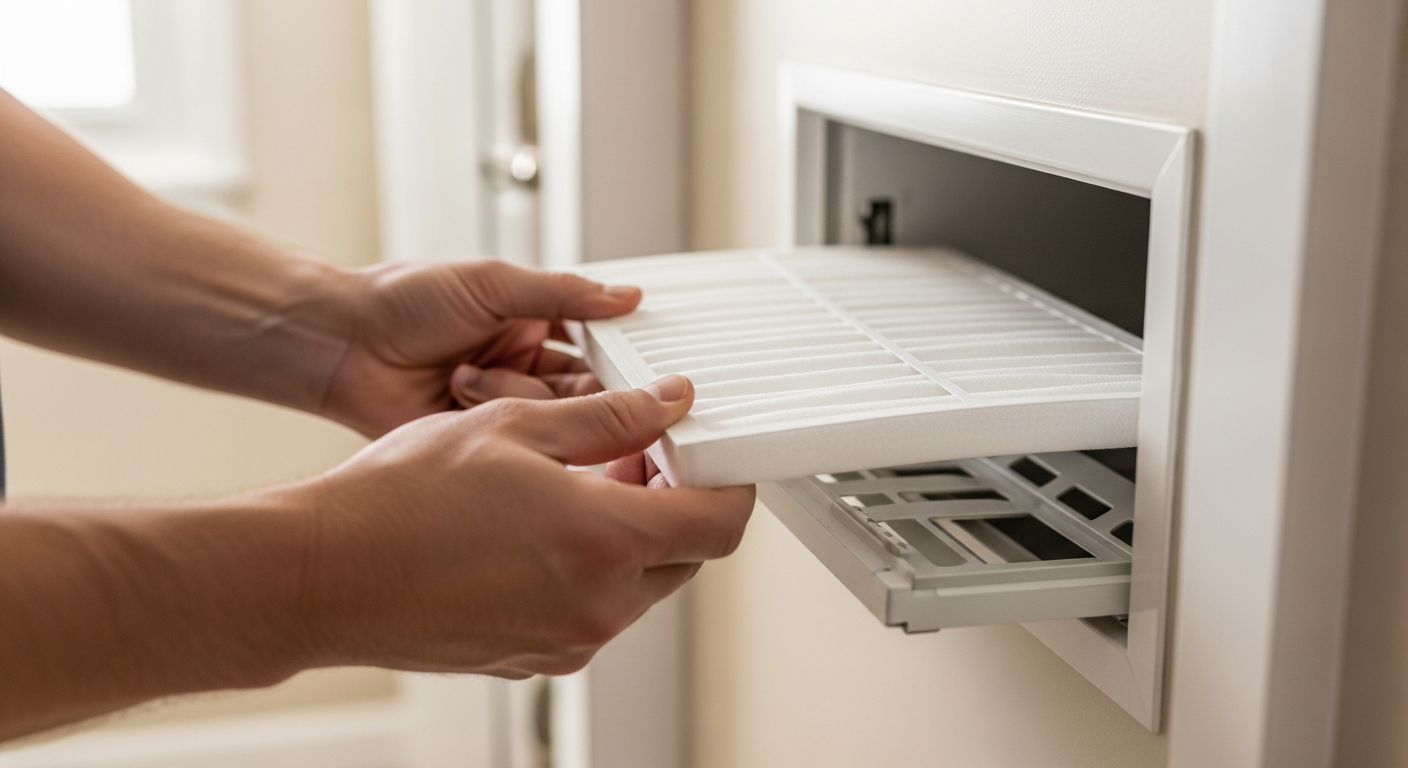
Proactive adoption of higher filtration and mechanical ventilation is the smart path for health and long-term value.
Upgrade to MERV 13 filtration where possible, add mechanical ventilation in tight homes, control humidity, and always verify compatibility with professional pressure testing. The benefits far outweigh the upfront costs.
What Matters Most
- Use at least MERV 13 filters after professional static pressure check.
- Install ERV/HRV if your home’s air changes per hour are below 0.35.
- Keep indoor humidity between 40–60% to prevent mold and respiratory issues.
- Smart IAQ monitors can automate ventilation but aren’t a substitute for proper equipment.
- Always hire NATE/ACCA-certified contractors for major IAQ upgrades.
Strengths
- Reduces asthma and allergy triggers.
- Protects home from hidden mold damage.
- Increases energy efficiency when paired with variable-speed systems.
- Qualifies for tax credits and utility rebates.
- Provides peace of mind about long-term health.
Weaknesses
- Higher upfront equipment and installation costs.
- Potential need for duct modifications in older homes.
- Risk of improper installation if contractor isn’t qualified.
- Thicker filters increase operating cost slightly due to fan energy.
- ERV requires maintenance (filters, core cleaning).
Comparison: Compliance Paths for New Air Quality Standards
| Scenario | Usually do | Why |
|---|---|---|
| Tight new construction without mechanical ventilation | Install an ERV/HRV | Meets ASHRAE 62.2 continuous ventilation; improves air exchange without losing energy |
| Existing home with standard 1-inch filter slot and allergies | Upgrade to 4-inch media cabinet with MERV 13 | Lowers pressure drop while achieving high filtration; long filter life reduces maintenance |
| Humid climate, musty odors, or high indoor humidity | Add whole-house dehumidifier + HVAC service | Controls mold risk; dehumidifier works independently of cooling load |
| Home with frequent VOC sources (paints, cleaners, attached garage) | Whole-home charcoal/carbon purifier or ERV with high exhaust rate | Activated carbon adsorbs gases; increased ventilation dilutes contaminants |
Quick Answer: What Homeowners Need to Do Now
- Upgrade to at least MERV 13 filters if your system can handle the pressure drop; otherwise, consider a whole-home air purifier.
- Add mechanical ventilation (ERV/HRV) in tightly sealed homes to meet fresh air requirements.
- Monitor relative humidity (40–60%) with a smart thermostat or standalone sensor; add a whole-home dehumidifier if needed.
- Have a professional conduct an airflow and static pressure test before changing filters or adding ventilation to avoid damaging your blower.
- Check for local rebates and tax credits for IAQ upgrades using our Rebate Finder.
Key Changes in Air Quality Standards
ASHRAE Standard 62.2 (ventilation) and 52.2 (filtration) have updated minimum requirements. The EPA’s Indoor airPLUS label for new homes now mandates MERV 13 filters, dehumidification, and fresh air systems. Even if your home isn’t new, these benchmarks are becoming the standard for renovations and HVAC replacements.
Filter Upgrades: MERV Ratings and What Your System Can Handle
The new baseline for effective particle removal is MERV 13. A MERV 13 filter captures airborne viruses, smoke, and fine dust. However, not all existing HVAC systems can handle the increased resistance. A high-MERV filter in an underpowered blower can reduce airflow, freeze the coil, or overheat the motor.
Safe approach: Ask a technician to measure external static pressure (allowable range: 0.5–0.7 in. w.c. for most residential systems). If pressure is too high, you may need to retrofit with a thicker media cabinet (4–5 inch filters) or add a bypass whole-home air purifier. A professional static pressure test and airflow diagnosis typically costs $100–$350. For more on filtration, see our article on whole-home air purification.
Ventilation: ERVs and HRVs
New standards recommend continuous mechanical ventilation of 7.5 cfm per bedroom + 3.75 cfm per additional occupant, or a whole-house rate of 15 cfm per person. Energy Recovery Ventilators (ERVs) are ideal for most climates because they transfer heat and moisture. In humid regions, they reduce outdoor humidity before it enters; in cold climates, they recover indoor moisture to prevent dryness. Learn proper maintenance with how to use an ERV/HRV system.
Humidity and Microbial Control
Elevated indoor humidity above 60% encourages mold, dust mites, and bacteria. The new standards stress the importance of keeping relative humidity between 40–60%. If your AC isn’t running enough during mild weather, consider a whole-home dehumidifier. If you notice musty odors from the vents (dirty sock syndrome), it’s likely microbial growth on the coil. Read about cleaning your ductwork and what causes dirty sock syndrome in HVAC. For a comprehensive overview, see improving indoor air quality.
Comparison: Filter Options to Meet New Standards
| Filter Type | MERV | Typical Cost (Material Only) | System Impact | Best For |
|---|---|---|---|---|
| Standard 1-inch pleated | MERV 8 | $5–$20 | Low resistance; fails to meet new IAQ goals | Budget maintenance, low allergy households |
| High-MERV 1-inch | MERV 13 | $15–$40 | May cause high static pressure in many systems; check compatibility | Confirmed compatible systems, new high-efficiency air handlers |
| 4–5 inch media cabinet | MERV 13–16 | $30–$80 (filter) + $200–$600 cabinet installation | Lower pressure drop; long life (6–12 months) | Most retrofit applications; good for allergy and asthma |
| Whole-home purifier (bypass or in-duct) | Up to MERV 16 + carbon/UV options | $500–$1,500+ installed | Minimal airflow impact; additional VOC/odor control | Homes with chemical sensitivities, smokers, or severe allergies |
Safety Boundaries: What You Can Do and What Must Be Left to Pros
Maintaining indoor air quality often involves HVAC modifications. To protect your safety and equipment warranty, respect these boundaries:
- Homeowner-safe tasks: Change disposable filters; clean return grilles and vents; vacuum accessible coils with a soft brush (power off); adjust humidistat/thermostat settings; test CO/smoke detectors; inspect ductwork visually for leaks.
- Professional-only tasks: Installing ERV/HRV units (requires ductwork, electrical, and possible gas appliance venting coordination); modifying ductwork or adding media cabinets; adding dehumidifiers to the duct system; replacing blower motors, capacitors, or control boards; any work involving refrigerant, gas, or high-voltage connections. Never attempt to clean or repair a heat exchanger, compressor, or electrical panel yourself.
Tools to Guide Your Indoor Air Quality Decision
Use our interactive tools to estimate costs and compare options:
- Air Quality Score – Check your home’s current IAQ level and get personalized improvement suggestions.
- HVAC Cost Estimator – Budget for upgrades like media cabinets, ERVs, and dehumidifiers.
- Rebate Finder – Discover local utility rebates for IAQ and high-efficiency HVAC equipment.
- BTU Calculator – Proper sizing is the foundation of both comfort and air quality.
- System Age Decoder – If your system is over 10 years old, an upgrade may be the smartest path to compliance.
Decision Tree: Should You Upgrade Your IAQ System?
Follow these thresholds to decide your next step:
- Do you live in an older home (pre-2000) with no mechanical ventilation? If yes, and your home feels stuffy or humidity/condensation issues appear, prioritize an ERV or HRV. Get a blower door test to measure natural air changes per hour (ACHnat). If ACHnat is less than 0.35, mechanical ventilation is strongly recommended.
- Are you replacing your HVAC system within 2 years? Choose an ECM variable-speed air handler that can accommodate higher MERV filters and integrate ventilation controls.
- Is your current filter 1-inch thick with a MERV below 13? First, have static pressure tested. If below 0.7 in. w.c., upgrade to MERV 13 in same slot. If above, install a 4-inch media cabinet or bypass purifier.
- Does anyone in the home have allergies or asthma? Aim for MERV 16 or whole-home purification with activated carbon. Ensure bathroom exhaust fans meet new continuous ventilation standards (see bathroom fan guide).
- Do you smell musty odors when the AC runs? Have a pro check coil cleanliness and duct leakage. Consider UV lights or photocatalytic oxidation, but only after verifying coil materials are compatible.
- Are you building a new home? Follow EPA Indoor airPLUS specification: MERV 13, ERV/HRV, whole-house dehumidifier in humid zones, and sealed combustion appliances.
Questions to Ask Any HVAC Contractor Before IAQ Work
- "Will you perform a Manual J load calculation and Manual D duct design for this IAQ upgrade?"
- "What is the current external static pressure of my system, and will the new filter or purifier keep it within manufacturer limits?"
- "Can you provide a written estimate of the annual filter replacement cost for the equipment you’re recommending?"
- "Are you certified by NATE or ACCA for indoor air quality installations?"
- "Does the proposed ventilation system require any modifications to my gas appliance venting or make-up air?"
- "Can you show me the AHRI certificate for the combined system efficiency after the IAQ add-on?"
- "Do you pull permits for ductwork and electrical modifications, and can you provide a commissioning report?"
Local Climate and IAQ: Tailoring Standards to Where You Live
Air quality upgrades aren’t one-size-fits-all.
- Hot, humid (Southeast US): Prioritize whole-home dehumidifiers and ERVs that remove moisture. Look for mold-resistant ducts.
- Hot, dry (Southwest): Evaporative cooling may introduce excessive humidity; consider HRVs to retain indoor moisture. Dust from desert storms calls for high-MERV filtration.
- Cold (Midwest/Northeast): Frost control on ERVs is critical. High-efficiency filtration helps trap furnace particulate. Avoid open combustion appliances; opt for sealed combustion.
- Coastal: Salt spray degrades coils; choose coated fins for longevity. Corrosion-resistant ductwork.
- Older homes (any region): May lack return air pathways; add transfer grilles or jump ducts to balance pressure. Test for radon, VOCs, and lead dust before sealing the envelope.
How We Developed This Guide
This article is based on ASHRAE Standards 62.2-2022 and 52.2-2017, EPA Indoor airPLUS Construction Specifications Version 2, and field experience from HVAC design professionals. Cost ranges come from aggregated contractor pricing data for typical single-family homes in the U.S. and are editorial estimates, not guaranteed quotes. Always obtain at least three estimates and check references.
Frequently Asked Questions
- Do I have to meet the new IAQ standards if my house was built before them? No, existing homes aren’t legally required to retrofit. However, upgrading your HVAC to meet these standards significantly improves health and resale value. Some insurance providers offer discounts for compliant IAQ systems.
- Will a MERV 13 filter destroy my blower motor? It can if the system’s static pressure exceeds 0.7 in. w.c. A pro can measure this and determine if a thicker filter or ECM motor upgrade is needed. Many newer variable-speed systems handle MERV 13 without issue.
- How much does an ERV installation cost? For a typical 2,500 sq. ft. home, an ERV costs $2,000–$4,500 installed, including dedicated ducts or integration with existing ductwork. Operating cost is about $50–$100 per year in electricity, while saving $200–$500 in heating/cooling energy annually.
- Can I install a whole-home air purifier myself? No. These devices require cutting into ductwork, proper sealing, and sometimes electrical connections. Incorrect installation can cause duct leakage, motor failure, and void warranties. Use our contractor search to find IAQ specialists.
- Are air quality monitors accurate enough to rely on? Consumer-grade monitors (e.g., Awair, Airthings) are reasonably accurate for trends and can trigger smart ventilation. For official compliance, a professional IAQ assessment with laboratory-grade instruments is needed. Use our Air Quality Score for a quick self-assessment.
Methodology
HVACDatabase estimates combine common contractor price patterns, service-category pricing ranges, equipment complexity, urgency, regional labor variation, and known HVAC safety boundaries. Actual prices vary by city, brand, system size, access, warranty status, permit requirements, and whether the visit discovers ductwork, electrical, refrigerant, gas, or drainage issues. Use these numbers to sanity-check quotes, not as a guaranteed price.
Related articles
Connect this page to adjacent guides so readers keep moving deeper into the topic cluster.

How Utility Demand Response Programs Use Smart Thermostats
Enrolling your smart thermostat in a demand response program can earn you up to $150/year while keeping you comfortable. Learn if it's right for your home and how to maximize benefits.

Heating Industry Trends to Watch
Smart thermostats and heat pumps headline heating industry changes. But which trends deliver real savings? Use our decision guide, cost ranges, and contractor checklist to plan your upgrade.

How Gas Bans Are Affecting Heating Choices
Gas bans in new construction and retrofit codes are pushing homeowners toward electric heat pumps. Understand your options, costs, and available incentives before you replace your furnace.