Pellet Stove Installation Cost Breakdown
See total installed costs ($2,500–$6,500), breakdowns, and decision tools to decide if a pellet stove fits your home. Includes safety, maintenance, and local factors.
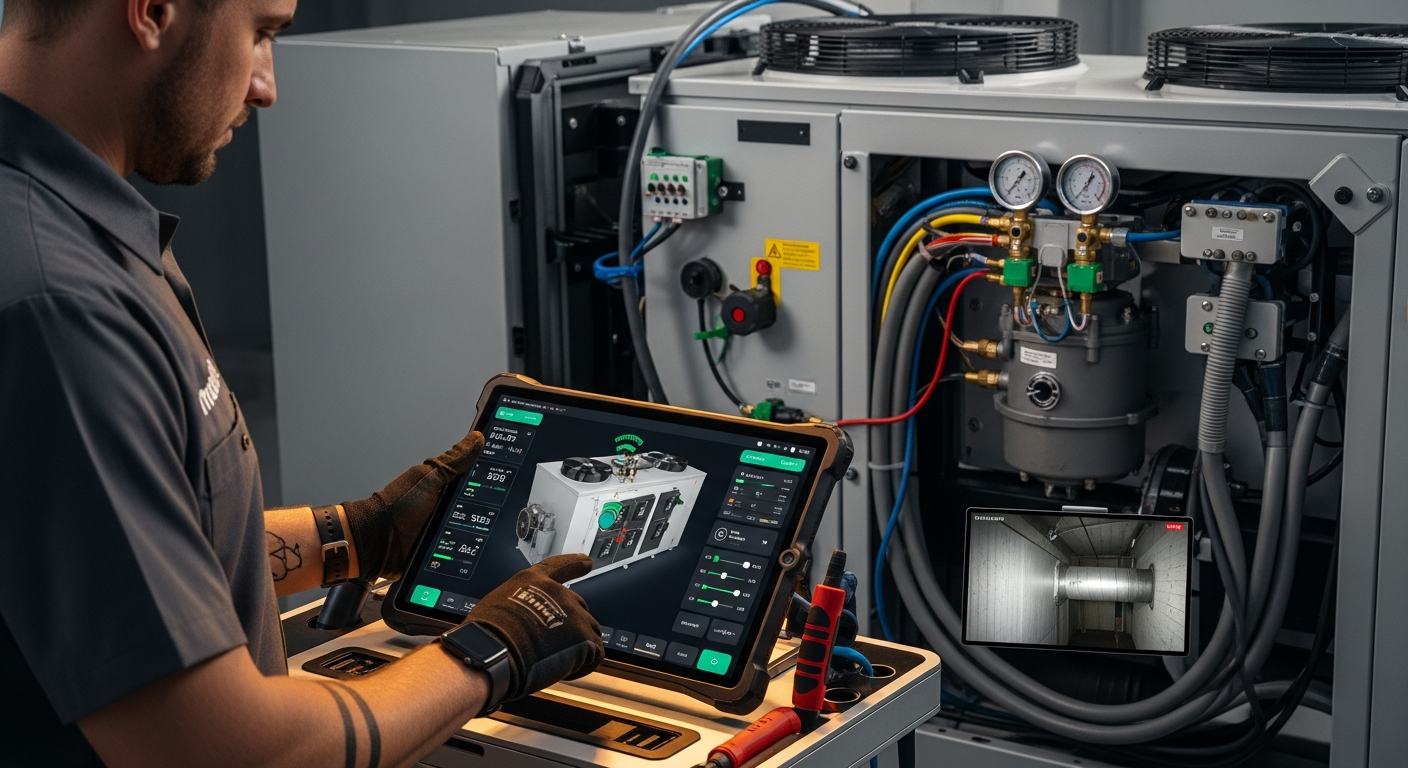
Supplemental heat with renewable fuel, not a whole-house replacement
A pellet stove is best for zone heating a frequently used room, lowering central heating costs. It requires active fuel management and professional installation to be safe and efficient.
What Matters Most
- Total installed cost averages $4,000; use our tools to budget accurately.
- Professional installation is non-negotiable for safety and warranty.
- Annual operating cost hovers around $1,000 including fuel and maintenance.
- Decision tree helps you confirm pellet is the right fit vs. gas or central heat.
- Always verify contractor credentials and get multiple itemized quotes.
Strengths
- Lower operating cost than electric resistance heat
- Renewable, carbon-neutral fuel when sourced responsibly
- Independent zone heating, reducing whole-house system runtime
- Can utilize existing fireplace opening with an insert
- Quieter and more aesthetic than many space heaters
Weaknesses
- Requires electricity—no heat during blackouts without battery backup
- Fuel storage takes space and must stay dry
- Weekly cleaning and annual professional maintenance mandatory
- Limited heating area; insufficient as sole heat source for large homes
- Pellet prices can fluctuate seasonally and regionally
Decision summary
| Scenario | Usually do | Why |
|---|---|---|
| Primary heat in large home (>2,000 sq ft) | Central furnace or heat pump | Pellet stove capacity too low for whole-house heating; may supplement |
| Supplement zone heat (living room/den) | Pellet stove | Efficient, cozy, and reduces central thermostat use |
| Existing fireplace upgrade | Pellet insert | Uses existing opening; often cheaper than full masonry rebuild |
| Off-grid or rural without natural gas | Pellet stove | Renewable fuel; no need for gas line; pellets widely available |
| Budget under $3,000 installed | Consider used or smaller unit | New high-end units with features exceed $3,000 just for the stove |
Introduction
A pellet stove can cut heating bills and add cozy warmth, but installation costs vary widely. This guide breaks down total installed costs (typically $2,500–$6,500), factors that raise or lower the price, and how to decide if it’s right for your home. Use our decision tools and contractor checklists to avoid overpaying and ensure a safe, code-compliant install.
Quick Answer
Total installed cost: $2,500–$6,500, including the unit ($1,000–$4,500), labor ($600–$1,500), venting ($300–$800), and extras like hearth pads and permits. Operating cost: $150–$300 per ton of pellets; most homes use 2–3 tons per season. Professional installation is mandatory for safety and code compliance. A pellet stove works best as supplemental heat in a frequently used room; it rarely replaces a whole-house system.
Cost Breakdown Table
| Item | Typical Cost Range | Notes |
|---|---|---|
| Pellet Stove Unit | $1,000–$4,500 | Freestanding, insert, or window unit; capacity and features affect price. |
| Labor & Installation | $600–$1,500 | Varies by vent path complexity and local rates. |
| Venting Kit | $300–$800 | Double-wall pipe for horizontal or vertical exit. |
| Hearth Pad | $200–$500 | Required for floor protection; size depends on stove. |
| Electrical Outlet | $150–$300 | Dedicated circuit may be needed; pellet stoves require power. |
| Permits | $50–$200 | Local building department; ensures code compliance. |
| Annual Maintenance | $150–$300 | Professional cleaning; extends life and efficiency. |
Factors Influencing Cost
Beyond the unit price, several variables determine your final bill. Venting route: A straight horizontal exit is cheapest; vertical or complex runs raise labor and material costs. Electrical work: Older homes may need a new circuit or panel upgrade. Hearth requirements: Non-combustible pads are mandatory—size and material type affect cost. Permits and inspections: Fees vary by municipality; skipping them risks fines and insurance issues.
Safety Boundaries
Safe Homeowner Tasks
- Weekly ash removal and glass cleaning (when stove is completely cool).
- Inspecting exterior vent termination for debris or snow blockage.
- Checking door gaskets visually for cracks; replacing gaskets only if manufacturer allows and you are comfortable.
- Testing smoke and carbon monoxide detectors monthly.
Professional-Only Work
- Installing or modifying venting, chimney liners, or any exhaust component.
- Electrical connections (outlet, wiring) and control board repairs.
- Internal component replacement (auger motor, blower, circuit board, ignitor).
- Any gas-line work if converting from gas.
- Combustion analysis or troubleshooting safety sensors.
Never attempt DIY on gas, high-voltage parts, or combustion seals. Improper work can cause fire, carbon monoxide poisoning, or void warranties.
Decision Tree: Is a Pellet Stove Right for You?
- Home size over 2,000 sq ft? Pellet stove alone likely won’t keep the whole house warm; consider it supplemental or look at central furnace solutions.
- Existing masonry fireplace? A pellet insert is often more cost-effective than a freestanding stove. See our cost comparison guides.
- Mild climate and zone-heating need? Pellet stove excels at heating a main living area while letting central heat idle.
- Natural gas available? Compare fuel costs—gas may be cheaper long-term. Use our cost estimator.
- Willing to handle pellet storage and weekly cleaning? If not, explore low-maintenance options like radiant floor heating.
Tools to Plan Your Installation
Make data-driven decisions with these HVACDatabase tools:
- BTU Calculator – Size the stove correctly for your room.
- Cost Estimator – Get a personalized installation budget.
- Quote Checker – Upload bids to spot hidden costs.
- Rebate Finder – Check for local incentives on efficient wood/pellet appliances.
Contractor Checklist
Before hiring, ask these questions:
- Are you licensed and insured for hearth appliance installation? (Verify with state/local authorities.)
- How many pellet stove installs have you completed? Can you provide references?
- Will you pull all required permits and schedule inspections?
- Does your quote itemize all costs, including the vent kit, hearth pad, and electrical work?
- Do you offer a warranty on labor? How long?
- What post-installation support do you provide (e.g., first-year maintenance check)?
Always get at least three quotes. Use our contractor comparison tool to evaluate options side by side.
Local Market Considerations
- Cold climates (Northern US): Higher BTU output and larger hopper needed; pellet consumption increases to 3–5 tons/year.
- Coastal/humid areas: Stainless-steel vent components resist corrosion; electrical connections need moisture protection.
- Older homes: May require panel upgrades or dedicated circuits; plaster walls can complicate vent routing.
- Historic districts: Exterior vent terminations may be restricted; check with local preservation board before buying.
Labor rates vary—e.g., Chicago heating contractors may charge more than rural areas. Always factor in regional demand and seasonal spikes (fall bookings fill quickly).
Methodology
All cost ranges are editorial estimates derived from industry surveys, manufacturer MSRPs, installer interviews, and permit-fee databases. They are not guaranteed prices; actual costs vary by region, season, home specifics, and product availability. Always obtain multiple written quotes and confirm final costs before work begins.
Frequently Asked Questions
How long does installation take?
A straightforward install typically takes 4–8 hours. Complex vent paths or electrical upgrades can extend to a full day.
Can I install a pellet stove myself?
No. Manufacturers require professional installation for warranty validity and safety. Local codes often mandate licensed installers, and insurance may deny claims from unpermitted work.
What is the annual operating cost?
Assuming 3 tons of pellets at $250/ton, plus $100–$300 for professional maintenance, expect $850–$1,050 per year. Electricity cost is negligible (about $5/month).
What’s the lifespan of a pellet stove?
With proper maintenance, 15–20 years. Major components like auger motors and blowers may need replacement after 10 years.
Do I need a chimney?
No. Pellet stoves use a small double-wall vent pipe that can exit horizontally through an exterior wall. This often lowers installation cost compared to a wood stove or fireplace insert.
Related articles
Connect this page to adjacent guides so readers keep moving deeper into the topic cluster.

Cost to Install Multiple Smart Thermostats
Get a clear cost breakdown for installing 2–4+ smart thermostats. Includes equipment, labor, zoning upgrades, and how to save with utility rebates. Practical checks and contractor questions inside.
Duct Booster Fan Installation Cost
Uneven room temps? Duct booster fan installation costs: register fans $30–$100 DIY, inline fans $500–$800+ with pro. Learn when a booster works and when you need a bigger fix.
Makeup Air Unit Installation Cost Guide
Expect to pay $1,500–$4,500 for a pro-installed makeup air unit. Discover passive vs. tempered options, code triggers, and money-saving decision rules.