Range Hood Installation Cost Breakdown
Range hood installation runs $400–$1,500 for most homes. Understand ducted vs. ductless, CFM rules, and get a breakdown of labor, materials, and contractor questions.
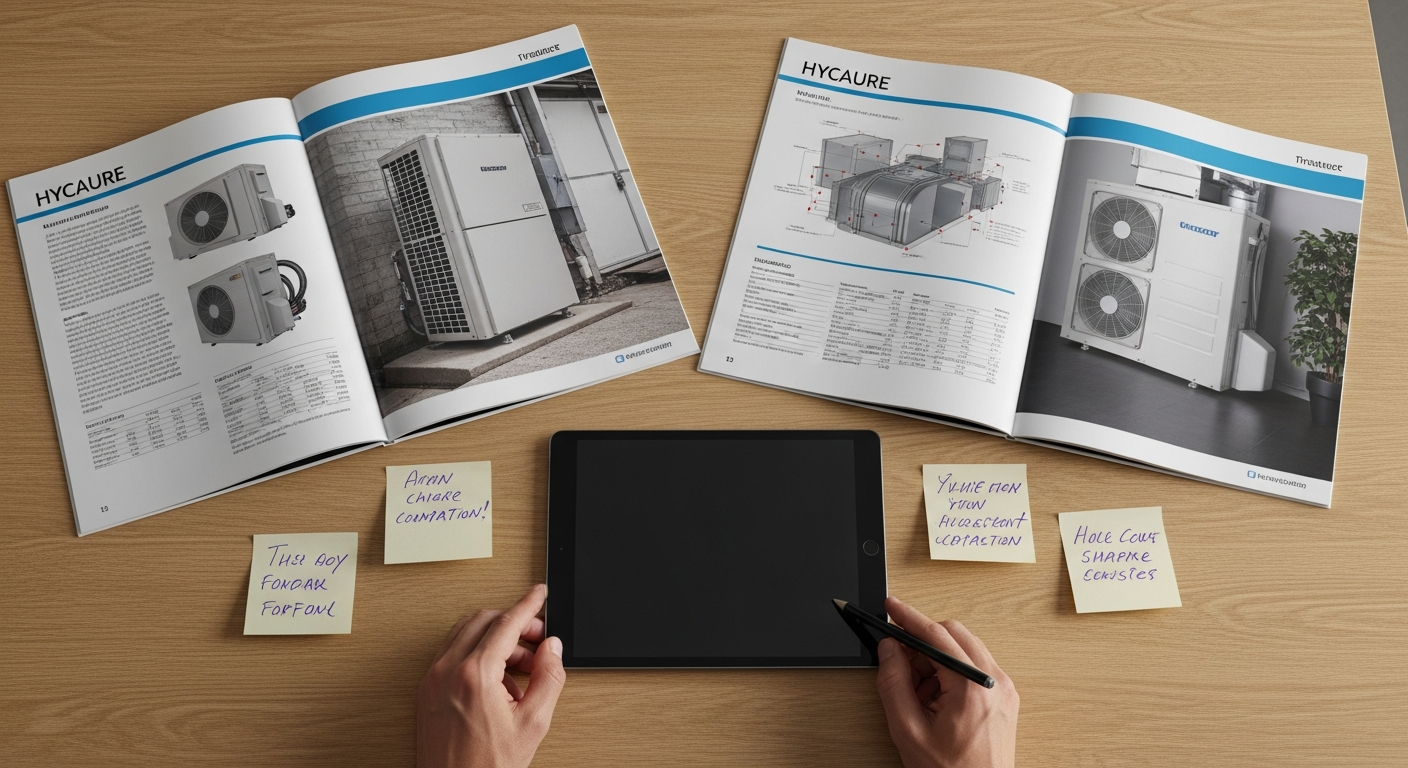
Vent outdoors with a correctly sized ducted hood—don’t settle for recirculation unless you must.
Professional ducted installation costs more upfront but protects your home from grease, moisture, and indoor pollutants long-term. Use our tools to budget accurately and find a qualified contractor.
What Matters Most
- Ducted is superior; budget $200–$600 extra for new venting.
- CFM: 100 per 10 inches of stove width, but >400 CFM may trigger make-up air requirements.
- Always pull permits for exterior penetrations.
- Use our cost estimator and quote checker to avoid overpaying.
- DIY only for simple like-for-like swaps without electrical or wall cutting.
Strengths
- Removes heat, smoke, and combustion gases.
- Increases home value and kitchen usability.
- Professional install ensures code compliance and safety.
Weaknesses
- Higher initial cost.
- May require expensive make-up air system in tight homes.
- Complex installs can uncover additional structural issues.
Ducted vs. Ductless Range Hood Installation
| Scenario | Usually do | Why |
|---|---|---|
| Replacing existing ducted hood | Hire pro to inspect old duct and swap unit | Ensures airtight connection and code compliance; prevents leaks. |
| New ductless installation (no existing electrical outlet) | Have an electrician add an outlet; homeowner can mount basic hood | Electrical work requires a license; mechanical mounting is simpler. |
| New ducted installation (no existing ductwork) | Always hire a licensed HVAC pro or sheet metal contractor | Requires cutting exterior shell, running rigid duct, and installing cap—pro-only work. |
| High-CFM hood (>400 CFM) in tight home | Hire an HVAC engineer to add a make-up air system | Prevents backdrafting of CO and pressure imbalances; often code required. |
Quick Answer: What You'll Pay
Most homeowners spend $400 to $1,500 for a complete range hood installation, including labor and basic materials. The final price depends on ventilation type (ducted vs. ductless), mounting style, CFM rating, and whether new electrical or ductwork is needed. Simple ductless swaps can fall under $300, while high-CFM ducted systems in new locations often exceed $2,500. Use our cost estimator to refine your budget, then compare quotes with local pros.
Range Hood Installation Cost Breakdown
| Cost Component | Editorial Low | Editorial High | Notes |
|---|---|---|---|
| Hood unit (materials) | $100 | $3,000+ | Basic under-cabinet to pro-style high-CFM stainless steel |
| Labor (installation only) | $200 | $500 | Higher if duct routing, electrical, or cabinetry work is needed |
| Ductwork and vent cap (for new ducted) | $200 | $600 | Includes cutting exterior wall/roof and weatherproofing |
| Electrical wiring or circuit | $0 | $400 | If an outlet exists, cost is minimal; new dedicated circuit adds cost |
| Permits and inspections | $50 | $250 | Required for most exterior penetrations and electrical work |
| Total Installed Cost | $400 | $1,500 | Median range for common under-cabinet or wall-mount ductless/ducted |
These are editorial estimates based on national averages; actual costs vary by region, home structure, and labor rates. Use our quote checker to assess fairness once you receive bids.
Ducted vs. Ductless: The Real Cost Difference
A ducted system vents cooking fumes, heat, and moisture fully outside. It delivers the best indoor air quality but significantly raises the install price because of new venting—often $200–$600 extra in materials and labor. Ductless (recirculating) hoods filter air through charcoal and return it to the kitchen. They’re cheaper and simpler to install ($100–$300 in labor), but they don’t remove heat or moisture. In most homes, especially those with gas ranges, building codes increasingly require external venting. See our indoor air quality guide for more on why venting matters.
Choosing the Right CFM Without Causing Negative Pressure
Aim for 100 CFM per 10 inches of cooktop width. So a 30-inch range needs a minimum 300 CFM hood. Professional gas ranges with high BTUs may need 600–1,200 CFM. However, running a high-CFM hood in a tightly sealed modern home can create negative pressure, pulling carbon monoxide back into the house from gas appliances or fireplaces. If your hood exceeds 400 CFM in a newer home (or you notice backdrafting), you probably need a make-up air system (ERV/HRV). The cost to add make-up air ranges from $1,000–$3,000, but it’s a code requirement in many jurisdictions for hoods above 400 CFM. Decision Rule: If you have a gas stove and are buying a hood >400 CFM, budget for a make-up air system or choose a lower-CFM hood.
Safety Boundaries: What Homeowners Can and Cannot Do
Range hood installation involves electrical connections, potential structural penetrations, and—if moving the range—gas line work. These are pro-only tasks. Here’s where the line is drawn:
- Safe homeowner tasks: Unboxing and inspecting the hood, cleaning or replacing filters, testing the fan and lights after professional installation, and mounting a ductless recirculating hood if a properly rated electrical outlet is already in place and no wall cutting is required.
- Professional-only work: Installing or modifying 120V or 240V electrical circuits, cutting into exterior walls or roofing to run ductwork, connecting or relocating gas lines, and any work that requires a permit (most ducted installations). Hiring a licensed and insured HVAC contractor or electrician prevents fire hazards, water leaks, and code violations. Find qualified pros using our directory.
Contractor Checklist: Questions to Ask Before You Hire
- Are you licensed and insured for this type of work? Get proof—general liability and workers’ compensation.
- Will you handle the permit application? A reputable pro will pull the required permits and schedule inspections.
- How do you size the duct run, and what material will you use? Rigid smooth metal duct is best; flexible duct increases resistance.
- Does my project require a make-up air system? They should know the local code and perform a simple airflow test.
- Can you provide a written, itemized quote? Breaking out materials, labor, permits, and cleanup protects you from surprise fees. Compare contractor quotes side by side.
- Do you offer a warranty on labor? At least one year is standard.
Local Market and Code Considerations
- Hot, humid climates (Southeast, Gulf Coast): In these areas, range hoods that vent outside help control indoor humidity. Insulate ductwork to prevent condensation inside the duct. Make-up air systems also need to account for outdoor humidity; an ERV is preferred.
- Cold climates (Midwest, Northeast): Uninsulated ducts can cause ice dams or freezing on the exterior termination. Use an insulated duct and a backdraft damper to stop cold air from entering when the hood is off.
- Coastal areas: Salt air corrodes standard galvanized duct. Stainless steel duct and external caps last longer.
- Older homes: Often lack existing ductwork and may have limited space for routing. Plaster walls and lathe may require more labor. Expect higher costs if the install isn’t straightforward. Access emergency contractor help if you run into unexpected issues.
Tools to Plan Your Project
- HVAC Cost Estimator: Enter your project details and see typical price ranges in your area.
- Quote Checker: Upload received bids and get objective feedback on fairness.
- Contractor Search: Find top-rated range hood installers near you.
- BTU Calculator (for your range): Helps verify the CFM you need.
Methodology
Our price ranges come from a combination of national survey data, material cost databases, and typical labor rates across the U.S. We factor in the cost of common improvements like new electrical circuits and premium hoods, but these are editorial estimates, not guaranteed quotes. Always obtain at least three itemized bids from screened pros. Visit our cost guide hub for more HVAC ventilation pricing.
Frequently Asked Questions
How much does it cost to install a range hood that vents outside?
For a new ducted installation, expect $600–$1,500 total, including the hood, labor, new ductwork, and a roof or wall cap. If replacing an existing ducted unit and the ductwork is sound, costs drop to $200–$500 for labor plus the hood price.
Is a ducted range hood worth the extra cost over a ductless one?
Yes—especially if you use a gas range or cook often. Ducted hoods remove heat, moisture, grease, and combustion byproducts. Ductless hoods only trap some grease and odors. Over time, the improved air quality and moisture control can prevent expensive repairs from humidity damage.
Can I install a range hood myself?
You can replace an existing ductless or ducted hood if the electrical outlet and ductwork are in place and you are simply swapping the unit. But installing new ductwork, adding a new electrical circuit, or cutting holes in your home requires a licensed professional. Doing it wrong risks fire, leaks, and code violations.
How many CFM do I need for my range hood?
Take the cooktop width in inches, divide by 10, and multiply by 100. Example: a 36-inch cooktop → 3.6 × 100 = 360 CFM minimum. If your range outputs more than 60,000 BTU, aim for 600–1,200 CFM. Remember to check local codes for make-up air requirements above 400 CFM.
Do I need a permit to install a range hood?
In most locations, yes—if the installation involves new ductwork that penetrates an exterior wall or roof, or if you’re running a new electrical circuit. A permit ensures the work is inspected and meets safety standards. Your contractor should handle the permit process.
Related articles
Connect this page to adjacent guides so readers keep moving deeper into the topic cluster.

Cost to Install Multiple Smart Thermostats
Get a clear cost breakdown for installing 2–4+ smart thermostats. Includes equipment, labor, zoning upgrades, and how to save with utility rebates. Practical checks and contractor questions inside.
Duct Booster Fan Installation Cost
Uneven room temps? Duct booster fan installation costs: register fans $30–$100 DIY, inline fans $500–$800+ with pro. Learn when a booster works and when you need a bigger fix.
Makeup Air Unit Installation Cost Guide
Expect to pay $1,500–$4,500 for a pro-installed makeup air unit. Discover passive vs. tempered options, code triggers, and money-saving decision rules.