Single Stage vs Two Stage Furnace
A two stage furnace offers steadier heat and lower bills, but costs more upfront. Use this guide to decide based on your climate, home layout, and budget.
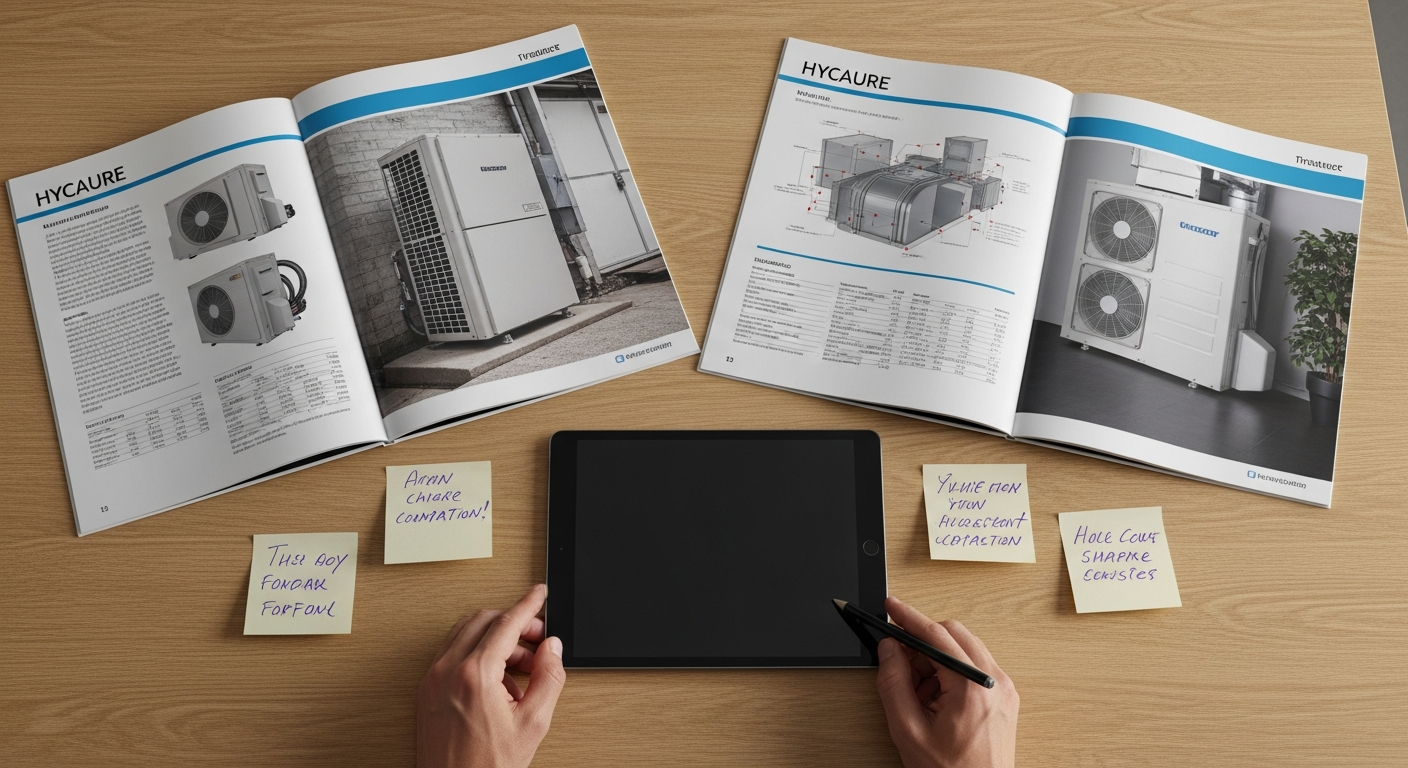
Two stage is the smarter long-term investment
For most homeowners in cold-winter climates who value comfort and plan to stay 5+ years, a two stage furnace pays for itself through lower bills and superior heat distribution. In mild climates or tight budgets, a single stage is acceptable.
What Matters Most
- Two stage furnaces reduce temperature swings to under 1°F and operate very quietly on low fire.
- Expect 10–30% gas savings, with payback typically in 4–7 years.
- Always require a Manual J load calculation—oversized furnaces cycle poorly and waste energy.
- Homeowners can safely change filters and clear vents; all gas, electrical, and refrigerant work needs a pro.
- Use the contractor checklist to compare bids and avoid unnecessary upsells.
Strengths
- Superior comfort: nearly constant, even heat.
- Energy efficiency: steady low-fire operation uses less fuel than repeated on/off cycles.
- Quiet: low stage is barely noticeable, especially at night.
- Better air quality: long run times mean more filtration.
- Flexibility: pairs well with heat pumps and dual-fuel systems.
Weaknesses
- Higher upfront cost ($1,000–$2,500+ over single stage).
- More complex controls can lead to costlier repairs if components fail outside warranty.
- May require a two-stage thermostat for full optimization, adding to the bill.
Decision Summary
| Scenario | Usually do | Why |
|---|---|---|
| Living in a cold climate, 2‑story home | Two stage | Eliminates cold spots, saves on gas, and runs quietly during long winter nights. |
| Mild climate, small ranch, limited budget | Single stage | Upfront cost is much lower; the efficiency payback would take too long with minimal use. |
| Allergy sufferer or noise sensitivity | Two stage | Extended low-fire cycles filter more air, and operation is whisper‑silent. |
| Selling home within 2 years | Single stage | You won't recoup the premium; buyers in most markets don't pay extra for two stage. |
Introduction: Why This Choice Matters
When the cold hits, the last thing you want is a furnace that leaves you shivering—or a sky-high utility bill. The choice between a single stage and two stage furnace shapes your comfort, energy costs, and peace of mind. This guide strips away the jargon and gives you clear, actionable criteria to decide. Within 5 minutes, you'll understand the real differences, see typical costs, and know which questions to ask a contractor. We'll help you match the technology to your home’s layout, climate, and budget—without overspending.
Quick Answer
A two stage furnace is the better investment for most homeowners who plan to stay in their home for more than 5 years and live in climates with real winters. It delivers steadier heat, lower bills, and quieter operation. A single stage furnace can still make sense for smaller, well‑insulated homes in mild climates or if you’re on a tight upfront budget.
Comparison Table: At a Glance
| Feature | Single Stage Furnace | Two Stage Furnace |
|---|---|---|
| Upfront cost (incl. install) | $4,500–$8,000 (editorial est.) | $5,500–$10,000+ |
| Typical heating gas savings | Baseline | 10–30% less fuel |
| Temperature swings | ±2–4°F common | ±0.5–1°F |
| Noise (low fire) | N/A | Very quiet, akin to a modern refrigerator |
| Air filtration | Runs less, so less filtration | Longer cycles improve air cleaning; helpful for allergies |
| Ideal for | Mild climates, small open-plan homes, tight budget | Cold winters, multi-level homes, noise-sensitive or allergy-prone occupants |
When to Choose a Single Stage Furnace
A single stage furnace runs at 100% capacity or off—like a light switch. It’s a proven, no-frills option that works well in certain situations:
- Your heating season is short (fewer than 30 days per year).
- Your home is small, well-insulated, and has an open floor plan.
- You’re on a strict upfront budget and can tolerate occasional temperature swings.
- You plan to sell the home within 3 years, making long-term savings less relevant.
Caveat: These units can be noisy and lead to hot/cold spots in multilevel homes.
When to Invest in a Two Stage Furnace
A two stage furnace has a low fire (60–70% capacity) and a high fire (100%). It runs on low most of the time, only using full power during extreme cold or quick warm-ups. Benefits include:
- Exceptional comfort: temperature stays within 1°F of the set point.
- Lower energy bills: less fuel wasted on repeated full-force startups.
- Quiet operation: low stage is barely audible.
- Better indoor air quality: longer cycles pull more air through the filter.
Ideal for homes with 2+ stories, high ceilings, or existing cold-room problems. Also a smart choice if you plan to stay long-term and value silent, even heat.
Safety Boundaries: What Homeowners Can (and Cannot) Do
Safe homeowner tasks:
- Change or clean the air filter every 1–3 months.
- Check that supply and return vents are open and unobstructed.
- Ensure the area around the furnace is clear of debris and flammable items.
- Test thermostat batteries and settings.
- Listen for unusual noises and schedule a pro visit if needed.
Work that must be left to a licensed HVAC professional:
- Adjusting gas valves, replacing ignitors, or touching gas lines.
- Servicing the blower motor, control board, or heat exchanger.
- Any work involving refrigerant lines (if the furnace is paired with a heat pump or A/C).
- Diagnosing electrical faults or bypassing safety switches.
Improper DIY can cause fire, explosion, carbon monoxide leaks, or system failure. If you smell gas, evacuate and call for emergency service.
Tools to Help You Decide
Use these free HVACDatabase calculators to get personalized guidance:
- BTU Calculator – Right-size your next furnace based on square footage, climate, and insulation.
- Cost Estimator – See installed price ranges for your area and system type.
- Repair or Replace Calculator – Weigh the cost of fixing your old furnace versus buying new.
- Quote Checker – Upload contractor bids to see if they’re fair.
Decision Tree: Which Furnace Is Right for You?
- Climate: Less than 30 heating days/year? → Single stage may be enough. More than 60 days? → Lean toward two stage.
- Home layout: Ranch or small open plan? Single stage can suffice. Two stories, high ceilings, or many rooms? → Two stage minimizes cold spots.
- Budget: Tight upfront funds? → Single stage will work, but budget for higher bills. Can you afford an extra $1,000–$2,500? → The two stage often pays back in 4–7 years.
- Comfort sensitivity: Do temperature swings or furnace noise bother you? → Two stage delivers near-silent, consistent warmth.
- Longevity: Will you stay in the home 5+ years? → Two stage is a better value. Selling soon? → The premium may not recoup.
Local Market Considerations
- Cold climates (e.g., Chicago, Minneapolis): Two stage is a comfort champion. In older homes, have a pro check duct leakage and insulation first—low-stage airflow requires good duct design. Find heating specialists in Chicago.
- Hot/humid climates (e.g., Houston, Phoenix): If heating is used only a few weeks, single stage may suffice. However, two stage’s extended run times can improve filtration during the cooling season if the furnace shares an evaporator coil with your A/C. Explore Phoenix area pros.
- Coastal areas: Look for corrosion-resistant options (stainless steel heat exchanger). Two stage’s steady operation helps manage indoor humidity.
- Older homes: Retrofitting a two stage furnace may deliver dramatic comfort gains, but first ensure ductwork and electrical are adequate. Use our System Age Decoder to check if your current furnace is at replacement age.
Contractor Checklist: Questions to Ask Before You Sign
Take this list to every estimate:
- “Show me the AHRI certificate for the matched furnace and coil/air handler.”
- “Will you perform a Manual J load calculation, not just replace like-for-like?”
- “What’s the total installed price, including any electrical or venting upgrades?”
- “How do you size the furnace for my home’s layout and insulation?”
- “What are the warranty terms on the heat exchanger and parts, and what regular maintenance keeps it valid?”
- “Will you do a startup combustion analysis and airflow check?”
- “Can you provide references from similar installations in this neighborhood?”
- “Is a two-stage thermostat included in the quote, and how does it optimize staging?”
Compare contractors side by side and read reviews on HVACDatabase to make the final call.
Methodology: How We Arrive at Recommendations
Cost ranges ($4,500–$10,000+) are editorial estimates based on current industry surveys, real-world bids from HVACDB partners, and national averages. They assume a standard 60,000‑100,000 BTU gas furnace swap with no ductwork changes. Actual prices vary by region, season, system size, brand, and installation complexity. Energy savings percentages reflect independent field studies and manufacturer data, tempered by real-world climate variability. Always obtain at least three in‑home quotes and check them with our Quote Checker.
Frequently Asked Questions
Is a two stage furnace really worth the higher price?
For most homes in heating-dominated climates, yes. Typical gas savings of 10–30% can yield a payback of 4–7 years. The real value, though, is improved comfort—fewer drafts and no temperature rollercoaster.
Do I need a special thermostat for a two stage furnace?
A standard thermostat can control a two stage furnace, but it will usually run only on the high or low stage based on a timer rather than demand. A two-stage thermostat or smart thermostat that supports W1/W2 wiring can intelligently stage heat for better efficiency and comfort.
How much quieter is a two stage furnace?
On low fire, many two stage units emit about 37–45 decibels—comparable to a library or modem refrigerator. High fire is roughly equivalent to a single stage furnace (55–65 dB). The noise difference is most noticeable at night when only low heat is needed.
Can I install a two stage furnace with my existing single stage air conditioner?
Yes. The furnace’s blower speed can be adjusted to match the A/C’s required CFM. A technician must ensure compatibility, especially if using a variable-speed blower. The two stage furnace will improve air filtration year-round, even when cooling.
Will a two stage furnace eliminate cold spots?
It dramatically helps by running longer, low-fire cycles that mix air more thoroughly. However, severe ductwork issues, poor insulation, or large single-zone layouts can still cause uneven temperatures. A proper diagnostic can identify root causes.
How long do two stage furnaces last?
With annual maintenance, expect 15–20 years, similar to single stage units. The extra electronic components (gas valve, control board) may fail earlier, but overall longevity is largely determined by maintenance and proper installation.
What’s the difference between a two stage and a modulating furnace?
A modulating furnace can adjust output in tiny increments (e.g., 35%–100% continuously) for even more precise temperature control. It costs significantly more but offers the ultimate in comfort. See our ducted vs ductless guide for broader system comparisons.
Final Takeaway
If you live where winters bite and you plan to stay put, a two stage furnace is one of the best HVAC upgrades you can make. It delivers whisper-quiet, consistent warmth while trimming energy bills. In milder regions or for short-term ownership, a single stage furnace still gets the job done at a friendlier entry price. Use the tools and contractor checklist above to make a confident, informed decision.
Related articles
Connect this page to adjacent guides so readers keep moving deeper into the topic cluster.
Electrostatic vs Pleated HVAC Filters
Electrostatic filters are washable and budget-friendly over time, but pleated filters catch more allergens. See which fits your home's air quality and HVAC demands.

Supply vs Exhaust Ventilation Systems
Discover whether a supply or exhaust ventilation system suits your home’s climate, budget, and air quality goals. Our guide includes cost ranges, safety tips, and pro checklists.
Smart Thermostat vs Smart Vent System
Homeowners often ask: smart thermostat or smart vents? Our practical guide explains the core trade-offs, safety limits, and a clear decision path to avoid wasting money or harming your system.