Smart Ventilation Systems and IoT Integration
Smart ventilation uses IoT sensors to automate fresh air, control humidity, and cut energy waste. This guide helps you decide if the upgrade is worth it, with cost ranges, contractor checklists, and decision rules.
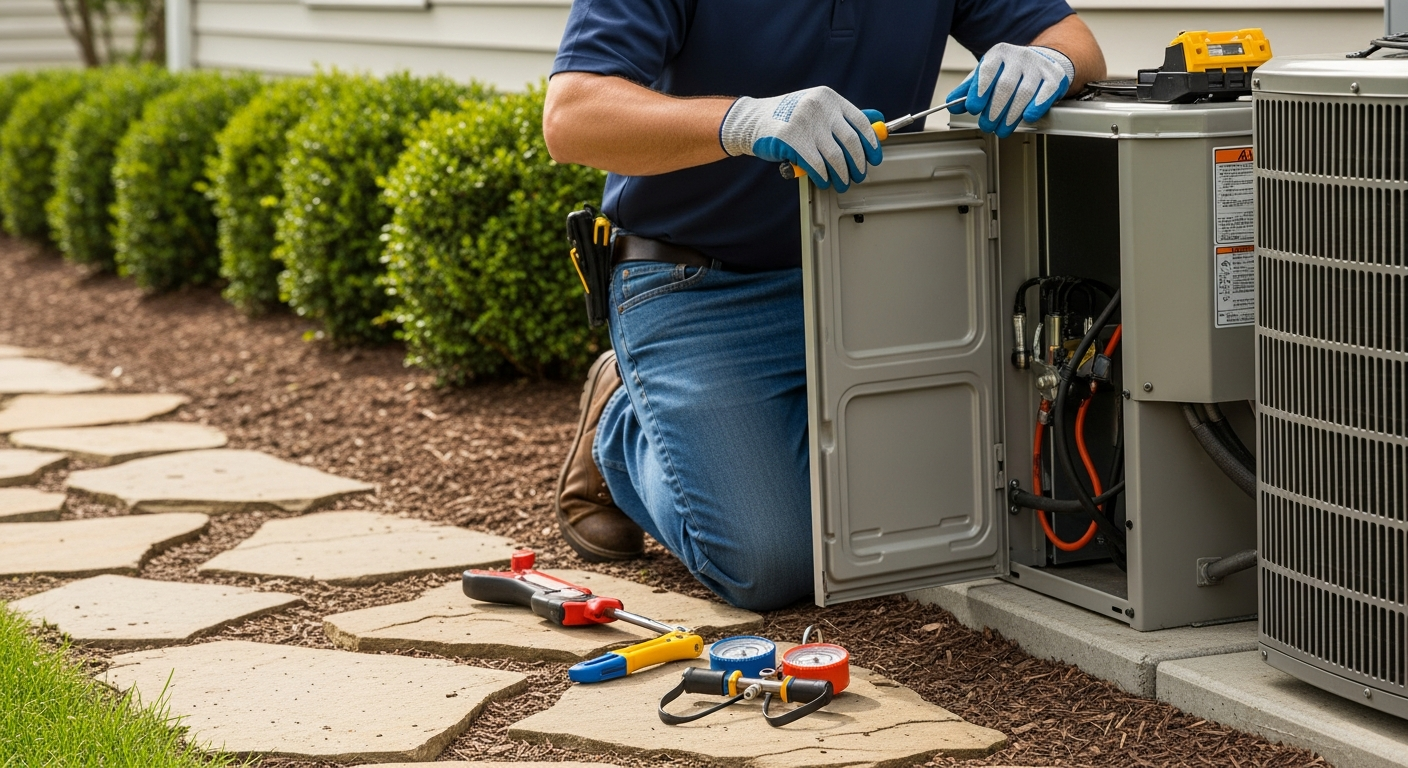
Recommendation: Smart ventilation is a solid upgrade for homes with persistent IAQ problems, provided a professional installs and commissions the system. For m
If you face ongoing humidity, odors, or respiratory sensitivity and plan to stay put, a professionally installed IoT‑ventilation system can automate healthier air. Otherwise, start with lower‑cost improvements.
What Matters Most
- Smart ventilation uses sensors and IoT to automatically control fresh air, humidity, and energy recovery.
- Installed costs range from $2,000 for a single‑zone ERV to $8,000+ for a multi‑sensor whole‑house system.
- Payback hinges on local climate, home air tightness, existing ductwork, and your length of stay.
- Use the decision tree and tool links to gauge whether your situation justifies the investment.
- Always vet contractors with the included checklist and demand a commissioning report.
Strengths
- Reduces allergens, VOCs, and mold‑causing humidity automatically.
- Provides remote monitoring, historical IAQ trends, and maintenance alerts via smartphone.
- Can cut ventilation‑related energy use by 30–50% compared to timer‑based systems.
- Enables precise zone control and coordinates with smart thermostats for whole‑home efficiency.
Weaknesses
- Higher upfront cost than basic mechanical ventilation; may not payback in short‑term stays.
- Relies on stable Wi‑Fi and occasional firmware updates; some systems have cloud‑dependency.
- Complex installation often requires electrical and ductwork modifications.
- Sensor calibration drift over time may require professional recalibration.
Decision Summary: When to Go Smart
| Scenario | Usually do | Why |
|---|---|---|
| Persistent humidity, musty smells, or window condensation | Install a smart whole‑house ERV or dehumidifying ventilator | Sensors trigger ventilation only when needed, minimizing energy waste and mold risk. |
| Occasional stuffiness or mild allergy symptoms | Try improved filtration, portable purifiers, or a smart bath fan first | Cheaper targeted fixes may resolve the issue; if not, escalate to a central system. |
| Rental or plan to sell within 2 years | Skip the full smart system | You won’t recoup the investment; portable solutions offer immediate relief for less. |
| Tight, newly built home in cold climate | Strong candidate for a smart HRV with integrated controls | Automated heat recovery and demand‑based ventilation keep air fresh without heat loss. |
Is Smart Ventilation the Right Move for Your Home?
Modern homes are built tighter to save energy, but that can trap stale air, moisture, and pollutants. Smart ventilation uses sensors and IoT connectivity to automatically manage airflow—responding to humidity spikes, high CO2, or poor outdoor air quality. It can reduce allergens, prevent mold, and trim energy waste. But it’s not a one-size-fits-all fix. This guide helps you decide based on your home’s specific needs, local climate, and budget.
Quick Answer
Smart ventilation with IoT integration is worth considering if your home has persistent humidity, odors, or allergy issues and you plan to stay for 5+ years. Installed systems typically range from $2,000 to $6,000+ depending on complexity and sensor count. DIY “smart vent” add-ons exist but lack full home integration. For mild IAQ problems, simpler solutions like better filtration or a standalone dehumidifier often cost less and deliver adequate relief.
What Makes a Ventilation System “Smart”?
Unlike basic bathroom fans or timed whole-house ventilators, smart systems continuously monitor:
- Humidity – to prevent condensation and mold
- Carbon dioxide (CO2) – a proxy for stale, stuffy air
- Volatile organic compounds (VOCs) – from paints, cleaners, furniture
- Particulate matter (PM2.5) – smoke, dust, pollen
- Outdoor conditions – temperature, humidity, air quality index (via internet)
When levels breach thresholds, the system adjusts fan speed, opens dampers, or activates ERV/HRV cores. You can monitor and override everything from a smartphone app. Many integrate with Alexa, Google Home, or Apple HomeKit.
Cost Ranges and What Drives Them
| System Type | Typical Installed Cost* | Best For |
|---|---|---|
| Smart bathroom fan upgrade (single unit) | $250–$600 | Targeted humidity/odor relief |
| Central smart ERV/HRV with basic sensors | $2,000–$4,500 | Whole‑house fresh air in most climates |
| Full IoT‑optimized central system (multi‑sensor, damper control, integration) | $4,500–$8,000+ | Large or complex homes needing precise zone control |
*Editorial estimate ranges based on HVACDatabase market research. Final price varies by region, ductwork condition, electrical upgrades, and contractor overhead. Obtain at least three quotes.
Safety Boundaries: What Homeowners Can and Cannot Do
Homeowner‑Safe Checks
- Replace filters according to manufacturer schedule (see filter and duct care guide).
- Use the system’s app to review sensor readings and system alerts.
- Ensure supply and return vents are not blocked by furniture or drapes.
- Schedule professional annual maintenance to clean sensors and inspect fans.
Professional‑Only Tasks (Do Not Attempt Yourself)
- Installation or relocation of hard‑wired sensors, fans, dampers, or control boards.
- Any work on electrical panels, high‑voltage connections, or circuit breakers.
- Refrigerant loop modifications (if integrated with a smart AC).
- Network configuration and cybersecurity hardening of IoT devices.
- Calibration of CO2, VOC, or humidity sensors—requires specialized equipment.
Decision Tree: Should You Invest?
Answer these questions. If you answer “yes” to three or more, smart ventilation likely offers a strong payback.
- Do you notice musty smells, window condensation, or sticky indoor air even when the AC runs?
- Has a home air quality test (or a DIY IAQ monitor) shown high CO2, VOCs, or humidity?
- Does anyone in the household have asthma, allergies, or chronic respiratory issues?
- Are you planning to live in the home for at least five more years?
- Is your home in a hot‑humid, coastal, or tightly air‑sealed cold‑climate zone?
If you answered mostly “no,” consider lower‑cost improvements first, such as upgrading filters, adding a portable air purifier, or installing a quiet bath fan with a timer.
When smart ventilation is usually NOT the best next step
- Your home is a short‑term rental or you plan to sell within 2 years (recoup time is longer).
- Existing ductwork is severely undersized or leaky—address that first; smart sensors alone won’t fix airflow.
- Your budget is under $1,500; that limits you to point‑solutions like smart bath fans or IAQ monitors without integrated control.
- You’re unwilling to maintain a stable Wi‑Fi network and occasional firmware updates.
Use Our Tools to Sharpen Your Decision
- Repair or Replace Calculator: Is your current ventilation equipment worth upgrading, or should you start fresh?
- BTU Calculator: Helps size the heating/cooling load so a smart ERV/HRV can be matched correctly.
- Quote Checker: Upload your local quotes to see if they align with regional norms.
- Rebate Finder: Many utilities offer rebates for energy‑efficient ventilation equipment.
Local Considerations: Hot, Cold, Coastal, and Old Homes
- Hot‑humid climates (Southeast US): Smart ERV/ERV systems can reduce latent load by automatically engaging dehumidification mode when outdoor dewpoints are high. Look for systems with enthalpy wheel or membrane cores.
- Cold climates (Northeast, Midwest): Units must have frost‑protection cycles and heat recovery. IoT controls can defrost on demand and adjust ventilation rates during extreme cold.
- Coastal areas: Salt‑air corrosion is real. Specify marine‑grade components and smart sensors that alert you to filter degradation.
- Older homes: Verify that electrical panels can handle additional breakers and that knob‑and‑tube wiring isn’t present. Smart systems may require dedicated circuits. Use our contractor directory to find pros experienced with retrofit work in your area.
Contractor Checklist: Questions to Ask Before You Sign
- What sensor types (CO2, PM, TVOC, RH) are included, and can they be expanded later?
- Will the system integrate with my existing smart thermostat or home hub (Alexa, Google, etc.)?
- How does the system protect my data? Is local control possible, or does it rely solely on cloud services?
- What is the warranty on sensors, fans, and dampers? On‑site service or factory replacement?
- Can you provide a commissioning report showing sensor calibration and airflow verification?
- Do you offer an annual maintenance plan that includes cleaning sensors, checking firmware, and testing all zones?
- May I see the installation plan, including new wiring runs and any required electrical upgrades?
Use our contractor comparison tool to evaluate multiple bids side by side.
Methodology
Cost ranges and payback estimates are based on HVACDatabase’s analysis of thousands of contractor quotes, installer surveys, and manufacturer MSRPs. They represent editorial opinion, not guaranteed pricing. Every home is unique; final costs depend on local labor rates, system size, accessibility, and necessary electrical or ductwork modifications. Always get at least three written quotes before proceeding.
Frequently Asked Questions
1. Can I add smart sensors to my existing ventilation fan?
Yes, if the fan uses a standard control interface. Some third‑party smart switches can add humidity or CO2 sensing, but they won’t achieve full home integration like a dedicated system. Professional retrofits can tie into smart thermostats like ecobee or Nest to coordinate with the HVAC.
2. How much does a full smart ERV installation cost?
Plan on $3,000–$6,000, including the unit, sensors, ductwork modifications, electrical hook‑up, and commissioning. Complex layouts or premium brands can push the total to $8,000. Check for utility rebates via our rebate finder.
3. Will smart ventilation really lower my energy bills?
Potentially. By running only when needed and recovering heat/moisture, a smart ERV can cut ventilation energy use by 30–50% compared to a constant‑speed unit. However, savings depend on climate, home tightness, and whether you pair it with a smart thermostat that coordinates heating/cooling.
4. Do smart vents require a subscription?
Most systems do not require a subscription for basic control. Some advanced features like cloud‑based IAQ analytics or extended warranty may have an optional monthly fee. Confirm with the contractor before purchase.
5. Can I install a smart ventilation system in an apartment or condo?
Condos often have limited duct access and shared ventilation shafts; many associations prohibit alterations to central ventilation. Point‑solutions like smart bath fans or standalone IAQ monitors are more feasible. Always check building rules and consult a contractor familiar with multi‑family units.
Related articles
Connect this page to adjacent guides so readers keep moving deeper into the topic cluster.

How Utility Demand Response Programs Use Smart Thermostats
Enrolling your smart thermostat in a demand response program can earn you up to $150/year while keeping you comfortable. Learn if it's right for your home and how to maximize benefits.

Heating Industry Trends to Watch
Smart thermostats and heat pumps headline heating industry changes. But which trends deliver real savings? Use our decision guide, cost ranges, and contractor checklist to plan your upgrade.

How Gas Bans Are Affecting Heating Choices
Gas bans in new construction and retrofit codes are pushing homeowners toward electric heat pumps. Understand your options, costs, and available incentives before you replace your furnace.