Spring vs Fall HVAC Tune-Up Which Matters More
Spring and fall HVAC tune-ups both improve efficiency, but which one should come first? Learn how to choose based on climate, age, and equipment type, with tools to compare costs and find reliable contractors.
Clear Recommendation: Twice-Yearly Tune-Ups Are Worth It, But Priorities Vary
In nearly all climates, a spring AC tune-up and a fall furnace check offer the best balance of efficiency, safety, and cost avoidance. However, in extreme climates, you might lean more on one season's check.
What Matters Most
- Match tune-up priority to your dominant season: cooling or heating.
- Even in mild climates, annual maintenance prevents costly emergencies.
- Safety checks in fall are non-negotiable for gas furnaces.
- Use tools to time visits and compare contractor quotes.
- Never attempt DIY work on refrigerants, gas, or high-voltage parts.
Strengths
- Prevents emergency breakdowns at peak demand.
- Maintains energy efficiency and lowers bills.
- Extends equipment lifespan.
- Confirms safe operation of combustion appliances.
Weaknesses
- Upfront cost of two visits may feel unnecessary.
- If done poorly, tune-ups may not catch all issues.
- Requires finding a trustworthy contractor.
- Not a substitute for eventual replacement of old systems.
Decision Summary
| Scenario | Usually do | Why |
|---|---|---|
| Hot summers, mild winters (e.g., Phoenix) | Spring AC tune-up priority; fall check optional but beneficial | AC runs most of the year; minor heating use |
| Cold winters, mild summers (e.g., Minneapolis) | Fall furnace tune-up priority; spring AC check annual | Heating is essential for safety; AC serves fewer months |
| Balanced climate with heat pump | Both spring and fall tune-ups every year | System runs year-round, wear is even |
| System older than 10 years | Two tune-ups per year, regardless of climate | Older parts are more prone to failure under load |
Quick Answer
Both matter, but priority depends on climate and equipment. In hot climates, spring AC tune-up is critical; in cold climates, fall furnace inspection is essential for safety. In mixed climates, both are needed, but you might schedule them six months apart.
Why Spring and Fall Tune-Ups Serve Different Purposes
Spring focuses on cooling efficiency and preventing summer breakdowns. Fall focuses on heating safety and reliability.
What Happens During Each Tune-Up?
| Task | Spring (AC) | Fall (Furnace/Heat Pump) |
|---|---|---|
| Inspect/clean coils | Yes | No |
| Check refrigerant | Yes (pro only) | No |
| Test safety controls | No | Yes |
| Inspect heat exchanger for cracks | No | Yes (pro only) |
| Clean burners/ignition | No | Yes (pro only) |
| Check carbon monoxide levels | No | Yes (pro only) |
| Test thermostat operation | Yes | Yes |
| Replace air filter | Yes (homeowner task) | Yes (homeowner task) |
| Inspect ductwork for leaks | Yes (visual) | Yes (visual) |
Safety Boundaries: Know Your Limits
Safe Homeowner Checks
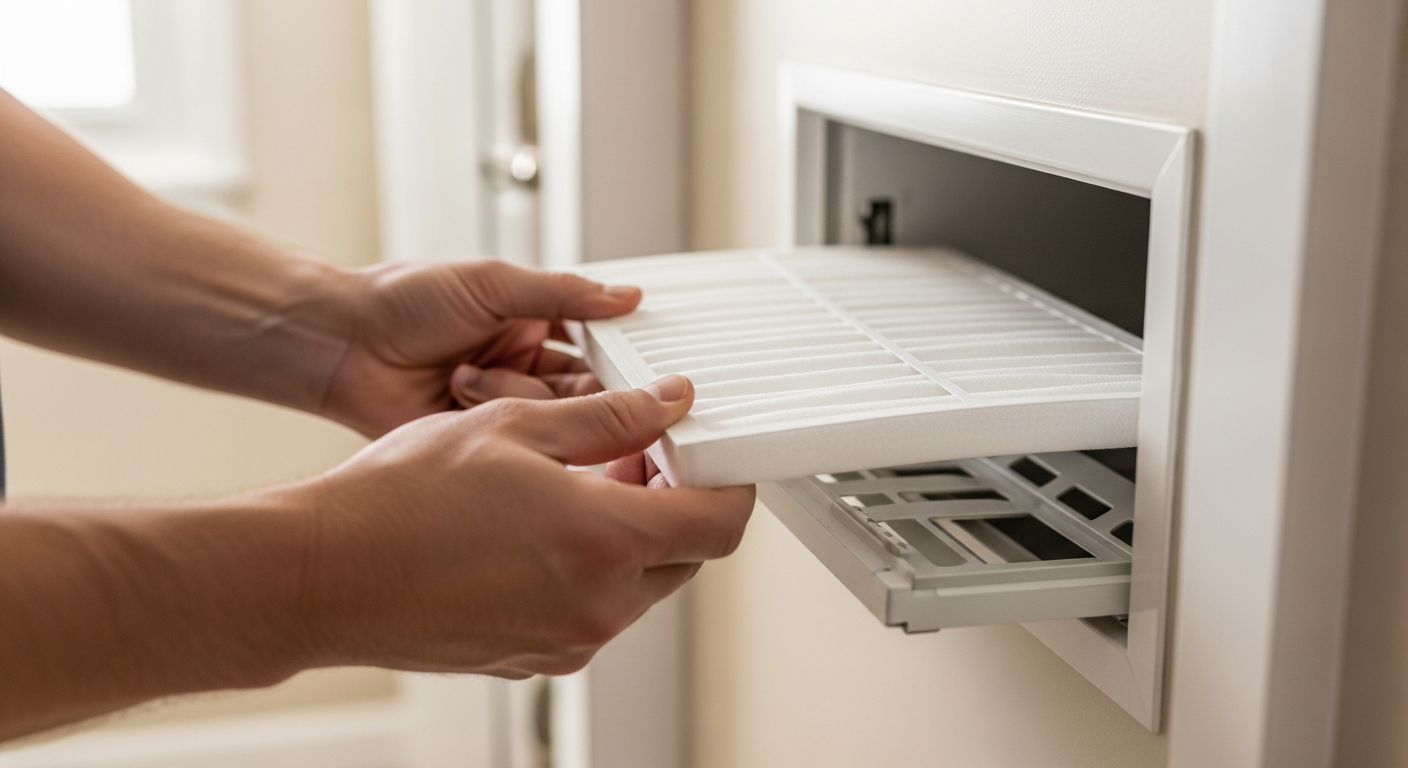
- Replace air filters every 1–3 months.
- Keep outdoor units clear of debris, leaves, and overgrown plants.
- Check that vents and returns are unobstructed.
- Test your thermostat by switching modes and comparing the displayed temperature with a room thermometer.
- Listen for unusual noises and note any odors.
Leave These to a Trained Pro
- Refrigerant handling or leak repair.
- Gas line inspection, burner cleaning, or combustion analysis.
- Heat exchanger inspection—cracks can lead to carbon monoxide leaks.
- Electrical component testing or replacement (capacitors, contactors, control boards).
- Compressor or motor replacement.
- Any work requiring panel removal where high-voltage is present.
Decision Rules: Should You Prioritize Spring, Fall, or Both?
- Hot summers, mild winters (e.g., Phoenix): Spring AC tune-up is priority; fall check optional but beneficial. AC runs most of the year; minor heating use.
- Cold winters, mild summers (e.g., Minneapolis): Fall furnace tune-up is priority; spring AC check annual. Heating is essential for safety; AC serves fewer months.
- Balanced climate with heat pump: Both spring and fall tune-ups every year. System runs year-round, wear is even.
- System older than 10 years: Two tune-ups per year, regardless of climate. Older parts are more prone to failure under load.
What It Costs (Editorial Estimates)
- Standard tune-up per visit: $80–$250
- Annual maintenance plan (2 visits): $150–$500, often including priority scheduling and discounts on repairs.
- Diagnostic visit if an issue is found: $80–$200 (may be waived with repair).
- Common repairs: See our HVAC cost guide for detailed breakdowns.
Use our HVAC Cost Estimator to get a personalized range.
Tools to Plan Your Tune-Up
- Maintenance Reminders: Set emails for filter changes and seasonal tune-ups.
- Repair or Replace Calculator: If your system is aging, see whether a tune-up is enough.
- Quote Checker: Compare contractor quotes to market averages.
- BTU Calculator: Ensure your system is sized right—wrong sizing can void tune-up benefits.
Contractor Checklist: 7 Questions to Ask Before Booking
- Are you licensed, insured, and NATE-certified? Ask for proof.
- What does your standard tune-up include? Get a written checklist.
- Will you provide a written report with measurements (e.g., temperature differential, static pressure)?
- Do you carry combustion analyzers and gas leak detectors for fall visits?
- How do you handle refrigerant checks? Are you EPA-certified?
- What is your pricing structure: flat-rate or hourly? Ask about service call fees.
- Do you offer maintenance plans, and what are the terms? Read the fine print.
Find vetted contractors near you and compare reviews and credentials.
Local Climate Matters
- Hot, dry climates (Phoenix, Las Vegas): Spring AC tune-up is priority. Fall can be basic if you have a heat pump. Phoenix AC pros understand desert conditions.
- Hot, humid climates (Miami, Houston): Both spring and fall are important because AC runs heavily and dehumidification matters. Look for contractors experienced with high humidity. Search local contractors.
- Cold climates (Minneapolis, Boston): Fall furnace safety check is critical. Spring tune-up still needed for AC. Chicago heating specialists can handle cold-weather needs.
- Coastal areas: Salt air corrodes coils. Schedule spring tune-up to clean corrosion; fall for inspecting rust. Compare coastal-savvy contractors.
- Older homes: Ductwork may be leaky or outdated. Ask about duct sealing during tune-up. See our guides on ducted vs. ductless systems.
How We Form Recommendations
Our advice is based on industry standards, manufacturer guidelines, and aggregated data from thousands of service records across the U.S. We collaborate with NATE-certified technicians and HVACDatabase’s network to understand regional failure patterns. Cost estimates come from actual project data and are adjusted regionally. We exclude DIY instructions for dangerous tasks to prevent injury and property damage.
FAQs
1. Can I do my own HVAC tune-up?
Homeowners can replace air filters, keep outdoor units clear, and check thermostat settings. Any work involving refrigerant, gas, combustion, or high-voltage electrical components must be performed by a licensed professional to avoid safety hazards and code violations.
2. How often should I really get tune-ups?
For most climates, twice a year—once in spring for AC, once in fall for heating. In mild climates or with new systems, annual checks might suffice, but skipping a season increases the risk of breakdowns. Use our maintenance reminder tool to stay on schedule.
3. What happens if I skip spring maintenance?
You risk reduced cooling efficiency, higher energy bills, and potential summer breakdowns. Dirty coils and low refrigerant are common issues that lead to costly repairs, such as compressor failure ($1,500–$4,000+).
4. Is a fall tune-up really about safety?
Yes. Gas furnaces can develop cracks in the heat exchanger, which may leak carbon monoxide—a colorless, odorless, deadly gas. A professional inspection includes combustion analysis and checking for leaks.
5. Should I get a maintenance plan or pay per visit?
If you plan to schedule two tune-ups yearly, a maintenance plan often saves $50–$150 overall and includes perks like priority service and parts discounts. Check terms: some require multi-year commitments. Use our Quote Checker to compare plan pricing.
Methodology
HVACDatabase estimates combine common contractor price patterns, service-category pricing ranges, equipment complexity, urgency, regional labor variation, and known HVAC safety boundaries. Actual prices vary by city, brand, system size, access, warranty status, permit requirements, and whether the visit discovers ductwork, electrical, refrigerant, gas, or drainage issues. Use these numbers to sanity-check quotes, not as a guaranteed price.
Related articles
Connect this page to adjacent guides so readers keep moving deeper into the topic cluster.
Electrostatic vs Pleated HVAC Filters
Electrostatic filters are washable and budget-friendly over time, but pleated filters catch more allergens. See which fits your home's air quality and HVAC demands.

Supply vs Exhaust Ventilation Systems
Discover whether a supply or exhaust ventilation system suits your home’s climate, budget, and air quality goals. Our guide includes cost ranges, safety tips, and pro checklists.
Smart Thermostat vs Smart Vent System
Homeowners often ask: smart thermostat or smart vents? Our practical guide explains the core trade-offs, safety limits, and a clear decision path to avoid wasting money or harming your system.