The Push for All Electric Homes
Explore the financial, safety, and comfort advantages of all-electric homes. This guide helps homeowners decide if heat pump technology fits their climate and budget.
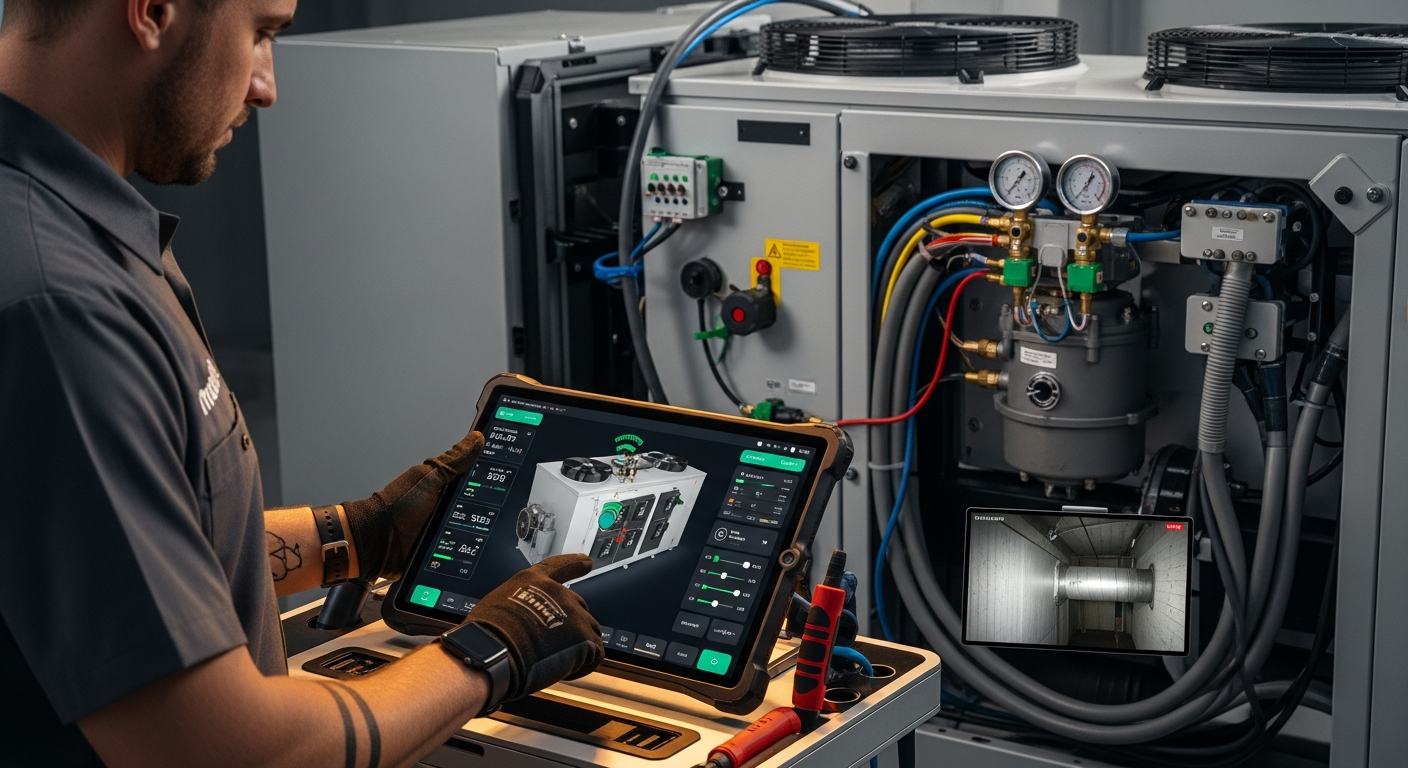
Heat pumps are the smart long-term choice for most homes
An all-electric heat pump can cut your carbon footprint and monthly bills, especially when paired with solar. However, the best choice depends on climate and local utility rates—use our tools to decide.
What Matters Most
- For mild to moderate climates, heat pumps provide cheaper, safer, and more consistent heating than gas furnaces.
- Always get a Manual J load calculation and compare at least three quotes before committing.
- Stack federal, state, and utility rebates to reduce upfront cost by 30-50%.
- Cold climates require specific cold-climate heat pumps or a dual-fuel backup.
- All-electric systems improve indoor air quality and eliminate carbon monoxide risk.
Strengths
- Up to 400% efficiency vs. max 98% for gas.
- One system for heating and cooling, reducing maintenance and space.
- Eliminates gas line fees and indoor combustion.
- Better humidity control with variable-speed compressors.
- Future-proof as building codes tighten.
Weaknesses
- Higher upfront cost, especially if panel upgrade is needed.
- Reduced heating capacity in extreme cold may require backup.
- Power outages require larger backup power solution.
- Installation quality varies widely; poor ductwork or sizing negates benefits.
- Older refrigerants in some models may face future restrictions.
Decision Summary: Is an All-Electric Heat Pump Right for You?
| Scenario | Usually do | Why |
|---|---|---|
| Mild climate (winter lows >20°F, all electric possible) | Standard heat pump | High annual efficiency, lowest operating cost |
| Cold climate (frequent <5°F) | Cold-climate heat pump or dual-fuel | Maintains capacity below 0°F, avoids cold‑weather discomfort |
| No existing ducts | Mini‑split heat pump | Ductless avoids expensive ductwork installation |
| Older home with 100‑amp panel | Panel upgrade + heat pump | Necessary for safety; rebates may offset cost |
| Furnace and AC both >12 years old | Replace with heat pump | One efficient system, often cheaper than two separate replacements |
Introduction
The shift to all-electric homes is driven by advances in heat pump technology, rising gas prices, and a push for safer indoor air. Instead of burning fossil fuels, a heat pump moves heat—making it up to 300–400% efficient. Homeowners can eliminate gas line fees, carbon monoxide risks, and combine heating with cooling in one system. This guide walks you through costs, climate considerations, and when an all-electric upgrade makes financial sense.
Quick Answer
For most homeowners in climates where winter lows stay above 5°F, an all-electric heat pump system can cut utility bills, improve safety, and simplify home maintenance. The ideal candidate is someone with an older gas furnace who also needs new air conditioning, or anyone building a new home. Use the tools below to calculate your personalized savings.
What Does “All-Electric” Mean for HVAC?
Going all-electric typically replaces a gas furnace, boiler, or water heater with electric alternatives. The core is an air-source heat pump: it provides both heating and cooling. Mini-split systems offer ductless options for homes without existing ductwork. The transition may also include an electric heat pump water heater and induction cooktop, but this article focuses on heating and cooling.
Costs & Savings: Heat Pump vs. Gas Furnace
Upfront costs are higher for heat pumps, but rebates and efficiency gains often close the gap. Below is a comparison based on editorial estimates.
| System | Equipment + Install (before rebates) | Typical Efficiency | Avg. Annual Heating Cost * |
|---|---|---|---|
| Standard gas furnace (80% AFUE) | $2,500–$6,000 | 80% AFUE | $850 |
| High‑efficiency gas furnace (95‑98% AFUE) | $4,000–$8,000 | 95‑98% AFUE | $700 |
| Air‑source heat pump (up to 10 HSPF2) | $4,000–$12,000 | 300‑400% (HSPF2 8‑10+) | $500‑$600 |
| Cold‑climate heat pump | $6,000–$15,000 | Works to ‑15°F | $450‑$550 |
| Dual‑fuel (heat pump + gas backup) | $5,000–$12,000 | Heat pump + 95%+ gas | $550‑$700 |
* Estimated for a 2,000 sq ft home in a mid‑Atlantic climate at average 2024 utility rates. Actual costs depend on insulation, thermostat settings, and local prices.
Rebates can reduce heat pump costs by 30‑50%. Use our Rebate Finder to see what’s available in your area.
Safety Boundaries: What You Can (and Cannot) Do
✅ Safe Homeowner Checks
- Change or clean air filters every 1–3 months to maintain airflow.
- Ensure outdoor unit has at least 2 feet of clearance from debris, plants, or snow.
- Visually inspect supply and return vents for blockages.
- Test thermostat accuracy; set to “heat” or “cool” mode as needed.
- Listen for unusual noises (grinding, screeching) and report to a pro.
🚫 Pro‑Only Work (Never DIY)
- Handling refrigerant – it’s regulated and requires EPA certification.
- Making or altering gas connections (capping a gas line, for instance).
- Installing or replacing electrical circuits, breakers, or wiring for 240‑volt equipment.
- Opening the sealed system (compressor, coils, refrigerant lines).
- Replacing capacitors, contactors, control boards, or any high‑voltage components.
If you suspect a refrigerant leak or electrical fault, immediately shut down the system at the thermostat and breaker, then call a qualified HVAC company via Emergency HVAC.
Use Our Calculators to Personalize the Decision
Before calling a contractor, run your own numbers with these free tools:
- BTU Calculator – Right-size your heating and cooling loads.
- HVAC Cost Estimator – Get localized installation price ranges.
- Repair or Replace Calculator – Weigh fixing an older system against a new heat pump.
- System Age Decoder – See how old your current equipment is and whether it qualifies for incentives.
Decision Rules: When Does All-Electric Make Sense?
Use these concrete thresholds to guide your next step. They are based on typical performance and economic assumptions.
- Climate check: If your area’s 99% winter design temperature is above 5°F, a standard heat pump will likely meet all heating needs without expensive backup. (Find your local design temperature via ASHRAE or ask a contractor for a Manual J report.)
- Fuel cost ratio: If your electricity cost (kWh) is less than 4× your natural gas cost (therm), a heat pump usually provides lower operating cost. For example, $0.11/kWh and $1.20/therm: 0.11 × 29.3 = $3.22 vs 1.20 → heat pump is cheaper. (29.3 converts therms to kWh equivalent.)
- Existing system age: If your furnace and central AC are both over 12 years old, replacing both with a heat pump is often simpler and more cost‑effective than repairing one at a time.
- Ductwork condition: In a home without ducts, or with severely leaky ducts, ductless mini‑splits are the most practical path to electrification. If ducts are in good shape, a ducted heat pump can use them.
- Solar synergy: If you have or plan to install solar panels, a heat pump lets you literally “fuel” your heating with the sun. See our take on solar‑powered heating and cooling.
- Backup power: In areas prone to outages, a dual‑fuel system (heat pump + gas backup) can run on a small generator, whereas all‑electric might require a larger standby generator. Factor that into your decision.
Contractor Checklist: Key Questions Before You Hire
An electrification project is a major investment. Vet installers thoroughly.
- Will you perform a room‑by‑room Manual J load calculation? (Never accept a “rule of thumb” size based on square footage alone.)
- What brand and model of heat pump do you recommend, and what are its HSPF2 and SEER2 ratings? (Higher is better; look for ENERGY STAR Most Efficient designation.)
- Does the system use a low‑GWP refrigerant (R‑32 or R‑454B)? (Future regulations may penalize older refrigerants.)
- Are you factory‑trained and insured for this brand? (Get proof of insurance and certifications.)
- What is the total installed price, itemized, and does it include electrical work and permitting? (Ask about panel upgrade costs if needed.)
- What warranties are offered – parts, compressor, labor? (Expect 10‑year parts, 1‑year labor at minimum.)
- How will you handle the gas line capping if I remove my furnace? (Only a licensed professional should cap or remove gas lines.)
- Do you offer a maintenance plan? (Regular check‑ups protect efficiency and warranty.)
Compare multiple quotes with our Contractor Comparison Tool and read verified reviews.
Local Climate & Home Considerations
- Hot, humid (Southeast, Gulf Coast): High SEER2 is critical for cooling bills. Variable‑speed compressors improve dehumidification. Corrosion‑resistant coils are wise in coastal salt air.
- Cold (Midwest, Northeast): Demand a cold‑climate heat pump with a proven low‑temperature cutoff (ideally below ‑13°F). In upstate New York or Minnesota, a dual‑fuel setup with a small gas furnace as backup can provide peace of mind.
- Older homes (pre‑1970): The electrical panel may have only 100‑amp service. Upgrading to 200‑amp costs $1,500–$3,000. Factor this into your budget. Knob‑and‑tube wiring must be addressed first.
- New construction: All‑electric is a no‑brainer: you avoid the cost of running a gas line and diff venting.
How We Form These Estimates and Recommendations
Our editorial team bases cost ranges on aggregated data from thousands of homeowner quotes, contractor surveys, and DOE energy pricing. We combine this with real‑world system performance studies and local utility rate structures. The decision rules are grounded in thermodynamic principles (heat pump efficiency vs. outdoor temperature) and typical gas/electric rate spreads. Always get at least three written quotes for your specific home and use our Cost Estimator to benchmark pricing.
Frequently Asked Questions
1. Can a heat pump really heat my home when it’s freezing outside?
Yes. Modern cold‑climate heat pumps deliver 100% capacity down to 5°F and can still operate efficiently at ‑15°F. Look for units with an HSPF2 rating of 9 or higher and a manufacturer‑backed low‑temperature performance table. In extreme cold, an electric resistance backup (or dual‑fuel gas) kicks in during the rare hours below design temperature.
2. How much does a full‑home electrification cost, and are there rebates?
For a 2,000 sq ft home, expect $4,000–$15,000 for the heat pump system (depending on ductwork, cold‑climate spec, and region). Add $1,500–$3,000 if a panel upgrade is needed. Federal tax credits (25C) cover 30% of the project cost up to $2,000 for heat pumps. Many states and utilities offer additional rebates. Use the Rebate Finder to stack incentives.
3. What happens if the power goes out? Gas furnaces work in outages, right?
Gas furnaces usually still require electricity for the blower, controls, and ignition. A simple portable generator can run a gas furnace, whereas an all‑electric heat pump may need a higher‑power standby generator or battery backup. However, pairing an all‑electric home with a home battery (like a Tesla Powerwall) can keep the heat pump running for hours. Assess your outage frequency and budget accordingly.
4. Is it true that heat pumps are noisy?
Older models were, but new inverter‑driven heat pumps operate at 40‑55 dB—often quieter than a dishwasher. Proper installation on vibration isolators and away from bedroom windows makes noise a non‑issue.
5. How long does a heat pump last compared to a furnace?
Air‑source heat pumps typically last 15‑20 years, similar to a gas furnace. Mini‑splits can exceed 20 years. Lifespan depends on maintenance; change filters regularly and schedule a professional tune‑up every year using our maintenance locator. Key tip: copper‑coil units in coastal areas may corrode faster; ask for coated coils.
Ready to explore your options? Find a qualified heat pump installer near you.
Methodology
HVACDatabase estimates combine common contractor price patterns, service-category pricing ranges, equipment complexity, urgency, regional labor variation, and known HVAC safety boundaries. Actual prices vary by city, brand, system size, access, warranty status, permit requirements, and whether the visit discovers ductwork, electrical, refrigerant, gas, or drainage issues. Use these numbers to sanity-check quotes, not as a guaranteed price.
Related articles
Connect this page to adjacent guides so readers keep moving deeper into the topic cluster.

How Utility Demand Response Programs Use Smart Thermostats
Enrolling your smart thermostat in a demand response program can earn you up to $150/year while keeping you comfortable. Learn if it's right for your home and how to maximize benefits.
Heating Industry Trends to Watch
Smart thermostats and heat pumps headline heating industry changes. But which trends deliver real savings? Use our decision guide, cost ranges, and contractor checklist to plan your upgrade.

How Gas Bans Are Affecting Heating Choices
Gas bans in new construction and retrofit codes are pushing homeowners toward electric heat pumps. Understand your options, costs, and available incentives before you replace your furnace.