Tips for Avoiding HVAC Emergencies
Prevent costly HVAC breakdowns with a proactive approach: filter changes, seasonal tune-ups, and learning to spot early warning signs. Use our cost tools and contractor checklists to stay ahead of emergencies.
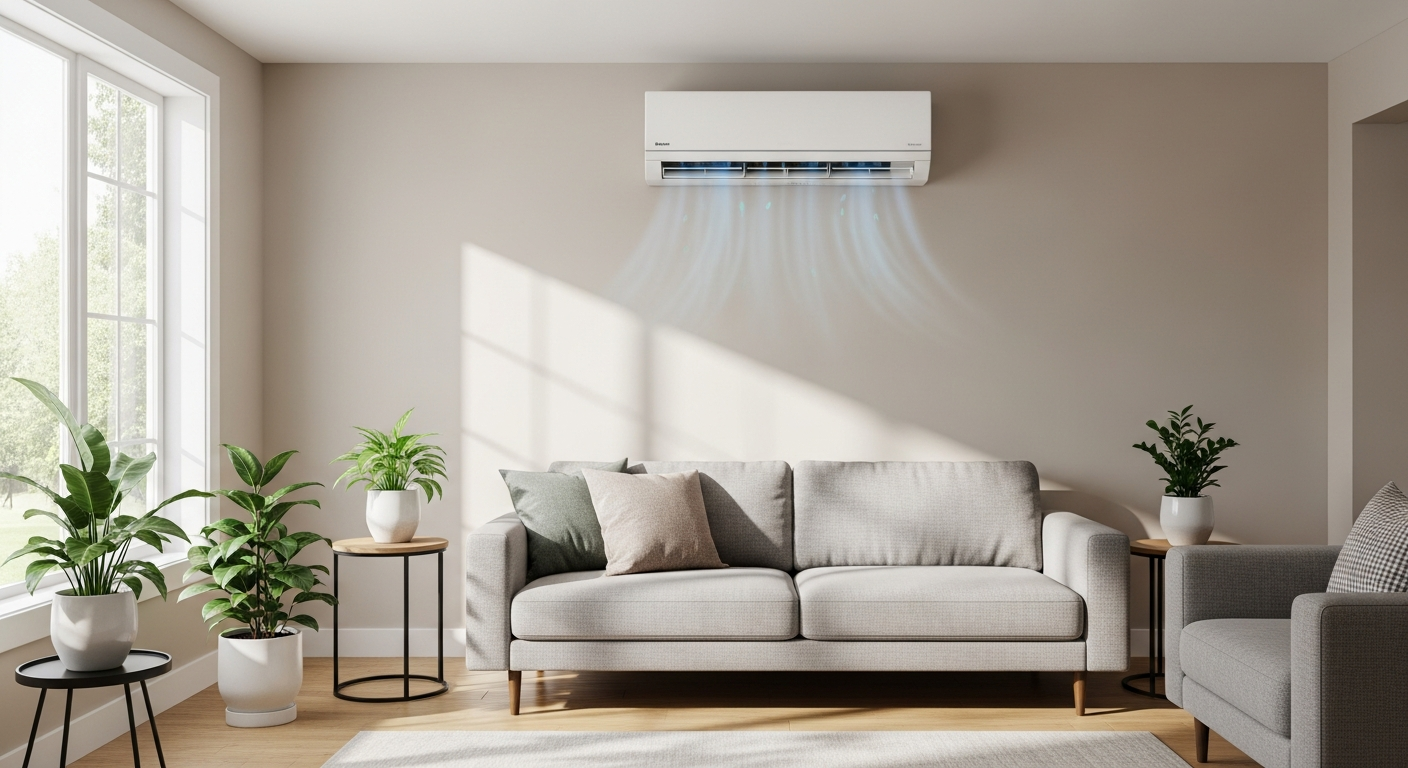
Take a Proactive Maintenance Approach
Regular filter changes, seasonal professional tune-ups, and knowing when to shut down the system are the three most effective ways to avoid a costly HVAC emergency. Putting off small issues almost always leads to larger, more expensive failures.
What Matters Most
- Replace filters every 30–90 days and keep outdoor unit clear
- Schedule professional maintenance twice yearly—spring and fall
- Learn the noise and smell warning signs so you can act early
- Always shut down the system if you suspect a gas leak or burning smell
- Use our free tools to estimate costs before a breakdown happens
Strengths
- Prevents up to 80% of common system failures
- Lowers energy bills through better efficiency
- Extends equipment lifespan by 3–7 years on average
- Increases safety by catching gas and electrical hazards early
Weaknesses
- Annual maintenance costs money upfront (though less than emergency repairs)
- Requires consistent attention—easy to forget filter changes or seasonal checks
- Doesn't eliminate all risk; wear-and-tear parts will eventually fail
- If your system is already beyond 15 years old, some failures may still occur despite good care
Preventative vs. Reactive HVAC Care
| Scenario | Usually do | Why |
|---|---|---|
| Get ahead of problems | Proactive maintenance | Reduces surprise breakdowns by up to 80%; keeps warranty valid; total annual cost predictable |
| Wait for system to break | Emergency-only repairs | Higher total cost (labor, after-hours fees, damaged parts); multiple weeks without comfort; often leads to early replacement |
Quick Answer: How to Prevent HVAC Emergencies
- Replace air filters every 1–3 months depending on usage and filter type.
- Keep the outdoor unit free of debris and at least 2 feet of clearance.
- Schedule professional maintenance twice a year (spring A/C check, fall heating tune-up).
- Learn to recognize early warning signs like odd noises, strange smells, or weak airflow.
- Test carbon monoxide detectors monthly and keep backup heating/cooling plans ready.
The Cost of Waiting vs. Acting Now
| Approach | Typical Cost Range | What You Get |
|---|---|---|
| Annual Maintenance Plan | $150–$500 per year | Two seasonal checkups, priority scheduling, fewer breakdowns, longer equipment life |
| One-Time Professional Tune-Up | $80–$250 per visit | Cleaning, safety checks, minor adjustments; lower risk of surprise failures |
| Emergency Repair (no maintenance) | $200–$4,000+ depending on failure | Reactive fix, often after hours; average emergency visit $300–$500 just to show up |
Safety Boundaries: What Homeowners Can—and Shouldn’t—Touch
You can safely do the following without specialized training:
- Inspect and replace air filters
- Gently clean the outdoor condenser unit’s exterior fins with a soft brush or garden hose (with power off)
- Check and replace thermostat batteries
- Ensure vents and returns are not blocked by furniture or curtains
- Reset a tripped circuit breaker once (if it trips again, call a pro)
- Test carbon monoxide and smoke alarms
These tasks must always be left to a qualified HVAC technician:
- Refrigerant leak detection and charging
- Gas valve or combustion chamber repairs
- Electrical component replacements (capacitors, contactors, control boards, wiring)
- Compressor diagnostics and replacement
- Any repair involving natural gas or propane lines
- Bypassing safety switches or altering control logic
If you smell gas or suspect a leak: evacuate immediately and call your utility company from outside. Do not operate light switches, phones, or anything that could create a spark.
Know the Warning Signs: Noise & Smell Diagnostic Table
| What You Notice | Possible Cause | Safe Homeowner Check | When to Call a Pro |
|---|---|---|---|
| Loud banging or thumping | Broken blower wheel, loose part | Check for visible debris; if noise persists, shut off system | Immediately—risk of further damage |
| Squealing or screeching | Worn belt or motor bearing | Check if noise changes with fan speed | Schedule service; belt replacement is pro work |
| Metallic burning smell | Overheating motor or electrical short | Turn system off, check filter, reset breaker once if tripped | Call immediately if smell persists after breaker reset |
| Musty or moldy odor | Mold on evaporator coil or in ductwork | Inspect visible duct openings; pour 1 cup of water into floor drain traps | Schedule cleaning if DIY steps don't resolve |
| Rotten egg smell (natural gas only) | Gas leak | Do not operate any electrical devices; evacuate | Emergency—call gas company and fire department |
Decision Rules: When to Schedule Maintenance vs. Call for Emergency Help
Use these thresholds to decide your next step:
- Maintenance visit: System is running but hasn't been serviced in 12+ months; slight increase in energy bills; mild noise during startup; visible dirt on outdoor coils.
- Urgent repair (within 24–48 hours): System runs but makes loud grinding or screeching noises; warm air from A/C or cool air from heat; frequent short cycling; water pooling around indoor unit.
- Emergency (immediate shutdown): Burning smell or smoke; sparking or visible electrical damage; total system failure during extreme weather; carbon monoxide alarm sounding; refrigerant leak (hissing, icy coil); gas odor.
When in doubt, shut down the system and call a professional. Continuing to run a damaged unit can multiply repair costs by 2–5 times.
Maintenance Schedules for Every Climate
Your local weather shapes the strain on your HVAC. Adjust your care routine:
- Hot & dry (e.g., Phoenix): Dust clogs coils quickly; check filters monthly, clean condenser with water every 30–60 days during peak summer. Consider sunshade for outdoor unit.
- Hot & humid (e.g., Houston, Miami): Algae and mold love drain pans; pour 1 cup of vinegar down the drain line quarterly. Have coil and drain pan cleaned during spring tune-up.
- Cold & snowy (e.g., Minneapolis, Chicago): Protect outdoor unit from ice dams and falling icicles. Keep intake/exhaust vents clear of snowdrifts. Test furnace before first freeze.
- Coastal (salt air): Salt corrosion accelerates metal wear; apply protective coil coating or rinse outdoor unit with fresh water monthly. Schedule annual corrosion inspection.
- Older homes: Duct leakage can be significant; ask technician to measure static pressure and check return air sizing. See our guide on return duct sizing.
Use Our Free Tools to Estimate Your Risk and Costs
Make data-driven decisions with these calculators:
- Emergency Cost Estimator – See how much a breakdown might cost you out of pocket.
- Repair vs. Replace Calculator – Input age, repair cost, and efficiency to decide if it's time to upgrade.
- HVAC Cost Estimator – Get a personalized idea of what new systems or major repairs run in your area.
- System Age Decoder – Decode your unit's serial number to find manufacturing date.
- Rebate Finder – See if utility or tax incentives can lower the cost of an efficient replacement.
Hiring a Contractor: Your Pre-Hire Checklist
Before you authorize any work, ask these questions:
- Are you licensed and insured? Ask for a license number and verify with your state’s contractor board.
- Do you have experience with my system type? Not all brands are the same; some require proprietary diagnostics.
- What is the total cost, including diagnostic fee? Emergency diagnostic calls often range $100–$200, but confirm if that fee applies toward the repair.
- Will you provide a written estimate before starting work? Reputable contractors give a detailed scope and price in writing.
- Do you offer a guarantee on parts and labor? Look for at least 90 days labor warranty; manufacturer parts warranties vary.
- Can I see a service breakdown? Ask them to explain the specific failure and what it will take to prevent recurrence.
- What maintenance plans do you suggest? Compare details: some include discounts on repairs and priority scheduling.
Use our Contractor Comparison tool to evaluate quotes side by side, or find pre-screened pros in your area.
Methodology: How We Form Recommendations and Cost Estimates
All cost ranges are editorial estimates compiled from aggregated industry data, contractor surveys, and typical market pricing for common system sizes (up to 5 tons) and standard efficiency levels. They are not guaranteed quotes and vary by brand, region, season, access difficulty, permit fees, warranty status, and whether additional electrical or ductwork is required. Urgent or after-hours work often carries a premium of 50–100% over standard rates. Always obtain at least two written estimates from local contractors for comparison. Safety recommendations follow manufacturer guidelines and the National Electric Code, and never advise untrained individuals to open sealed refrigerant systems, handle natural gas or combustion equipment, or replace high-voltage components.
Frequently Asked Questions
How often should I really change my HVAC filter?
In a typical home with no pets and no allergies, replace 1-inch filters every 90 days. If you have shedding pets, dusty location, or a family member with allergies, change every 30–60 days. High-density media filters (4–5 inches) can last 6–12 months. Set a calendar reminder; a $15 filter change can prevent a $500 motor replacement.
Is professional maintenance worth the cost?
Yes. A typical $150–$500 annual plan catches small issues before they become breakdowns that cost $1,000–$3,000. It also keeps your system running 5–10% more efficiently, lowering monthly bills. Many plans include priority scheduling and repair discounts, which can offset the plan cost after just one avoided emergency.
Can I clean my own AC coils?
You can gently rinse the outdoor condenser coil with a garden hose (power off) to remove light dirt. Avoid strong pressure or chemical cleaners unless directed by a pro. The indoor evaporator coil is enclosed and often requires partial disassembly; leave that to a technician. Dirty indoor coils reduce efficiency by 20–30% if neglected.
What should I do if my furnace smells like something burning?
A dusty smell on first startup is normal and usually harmless, burning off after a few hours. A persistent metallic, electrical, or plastic burning smell can signal motor overheating or wiring issues—turn off the system at the thermostat and breaker, and call a technician immediately. If you smell gas (rotten egg odor), evacuate and call 911 from outside.
How do I know if my HVAC is about to fail?
Watch for these clues: loud noises that weren't there before, frequent on/off cycling, uneven temperatures, rising energy bills without a change in usage, and system age over 12–15 years. A professional can test components for wear—capacitors and contactors often fail gradually and show signs like bulging or pitting that you can't see safely.
Related articles
Connect this page to adjacent guides so readers keep moving deeper into the topic cluster.

Tips for Choosing a Smart Thermostat for a Heat Pump
Learn which smart thermostat features prevent expensive auxiliary heat mistakes, how to verify compatibility, and when to call a pro.

Understanding C Wire Adapters for Smart Thermostats
Missing the C wire for your smart thermostat? C wire adapters solve power issues without pulling new wiring. Compare types, costs, and installation options.

Best Smart Thermostats for Multi Zone Homes
Discover which smart thermostats deliver accurate zoning, remote sensors, and energy savings for homes with multiple HVAC zones. Our guide helps you pick the right model and avoid costly compatibility mistakes.