Tips for HVAC Maintenance in Coastal Areas
Coastal HVAC systems face salt corrosion, sand abrasion, and humidity overload. Use our monthly rinse schedule, decision tree, and pro-coating guide to extend equipment life and prevent costly breakdowns.
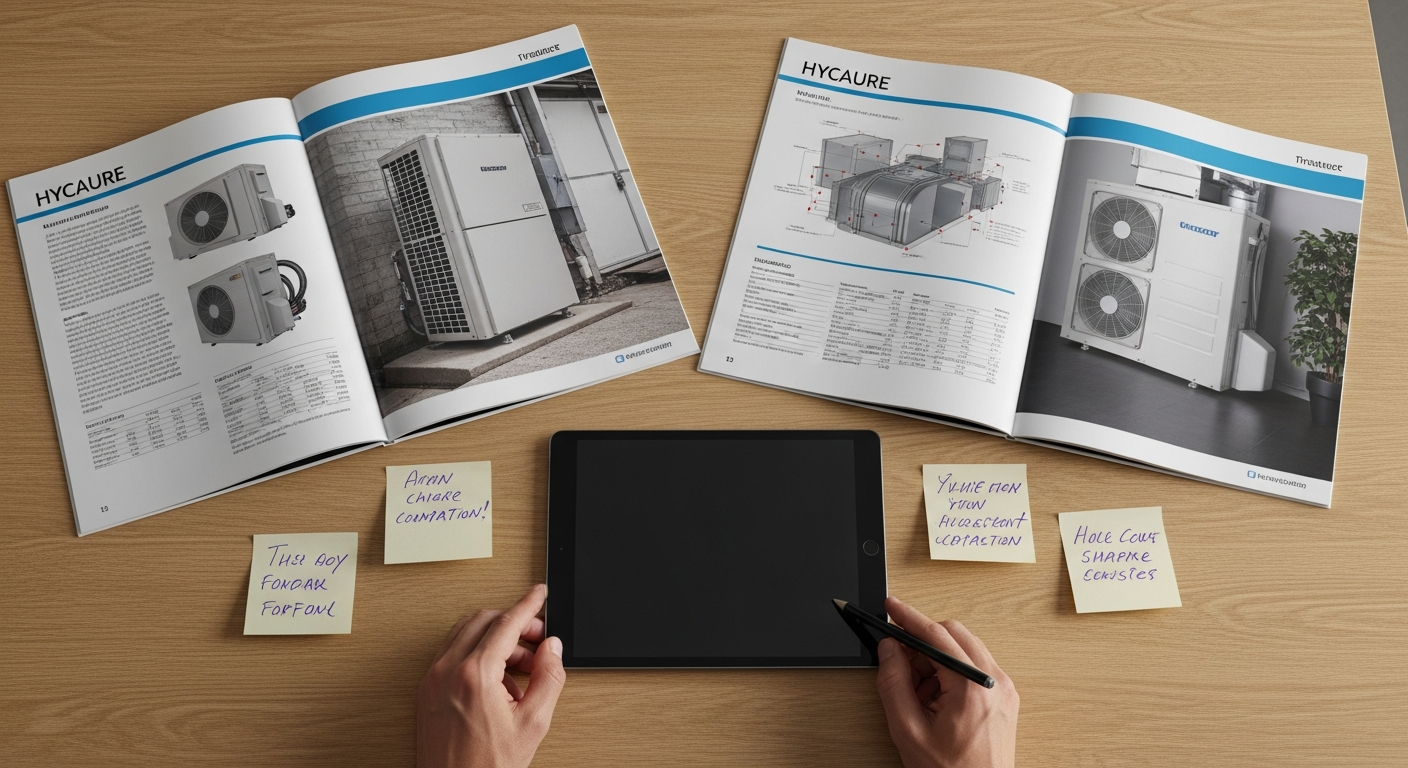
Adopt a proactive coastal maintenance routine
Homeowners in coastal areas should immediately implement a monthly freshwater rinse schedule, use high-MERV filters, inspect for rust, and invest in professional anti-corrosion coatings. These steps significantly reduce the risk of premature corrosion and extend the system’s useful life by years.
What Matters Most
- Rinse the outdoor condenser coil monthly with low-pressure water to remove salt deposits.
- Replace air filters every 30 days during windy or high-salt seasons; MERV 8–11 is ideal for most systems.
- Install a windbreak at least 2 feet from the unit to block sand while preserving airflow.
- Schedule a professional coating application every 2–3 years—costs $150–$500 and slows pitting.
- Replace units older than 10 years that show deep corrosion or refrigerant leaks to avoid costly emergency repairs.
Strengths
- Simple freshwater rinsing dramatically cuts the rate of salt-induced corrosion.
- Early visual inspection for pitting can catch leaks before they destroy the compressor.
- Professional coatings and wax add a sacrificial layer that buys years of extra service life.
Weaknesses
- Monthly rinsing requires consistent homeowner effort; neglecting it quickly undoes benefits.
- Coatings cannot restore metal already compromised by deep pitting—replacement may still be needed.
- Windbreaks or enclosures can starve the unit of airflow if placed too close, reducing efficiency.
Decision summary
| Scenario | Usually do | Why |
|---|---|---|
| New system (< 5 years) with surface rust | Rinse, wax, pro-coat | Preventative care extends life drastically |
| Mid-life (5–10 years) with pinhole leaks | Pro coating + leak repair if cost effective; consider replacing | Corrosion accelerates; balance repair vs replacement |
| Aging system (>10 years) with frequent failures | Replace with coastal-rated unit | Avoid escalating repair costs and inefficiency |
| High indoor humidity despite cooling | Check filters, drain line; pro dehumidifier assessment | System may be oversized or undersized for latent load |
Quick Answer
Coastal HVAC units fail early from salt corrosion and sand. Protect yours by rinsing the outdoor coil monthly with fresh water, changing filters every 30 days, keeping sand cleared, and investing in a professional anti-corrosion coating. Use our decision tree below to decide when to repair or replace.
Why Coastal Air Attacks Your HVAC
Salt spray from the ocean corrodes aluminum fins and copper tubing, causing pinhole leaks and efficiency loss. High humidity overloads the dehumidification cycle, and blowing sand erodes fan blades and clogs drains. Without intervention, coastal systems can fail in 5–8 years instead of 15+.
DIY vs. Pro Coastal Maintenance Tasks
| Task | Frequency | Who Does It | Notes & Cost Range |
|---|---|---|---|
| Rinse outdoor unit with garden hose | Monthly (weekly after storms) | Homeowner | Use low pressure; no power washer. Free. |
| Clear sand/debris from unit base | Monthly | Homeowner | Ensure 2-foot clearance around unit. |
| Replace air filters (MERV 8–13) | Every 30 days in coastal seasons | Homeowner | $5–$25 per filter. |
| Visual check for rust or blistered paint | Quarterly | Homeowner | Note any missing fins or white powdery deposits. |
| Apply manufacturer-approved wax to cabinet | Annually | Homeowner/Pro | Use automotive wax on painted surfaces only; avoid coil fins. |
| Professional anti-corrosion coil coating | Every 2–3 years | Licensed HVAC tech | $150–$500, often part of a maintenance plan. |
| Inspect and tighten electrical connections | Annually | Licensed HVAC tech | High-voltage danger; pro only. |
| Check refrigerant levels and coil integrity | Annually | Licensed HVAC tech | Only pros handle refrigerant; DIY is illegal and dangerous. |
Safety Boundaries
Safe Homeowner Checks
- Rinsing cabinet and coils with water (system off, electrical components covered).
- Clearing debris and sand from around the unit.
- Visually inspecting for rust, bent fins, or unusual noises.
- Changing indoor air filters.
- Checking the condensate drain line for clogs (pour a cup of water, see if it flows).
Professional-Only Work
- Handling refrigerant – leaks or recharges require EPA-certified techs.
- Removing panels to access electrical components, capacitors, or contactors (shock risk).
- Applying chemical anti-corrosion coatings—improper application can void warranties.
- Repairing or replacing compressors, fan motors, or control boards.
- Any work involving combustion equipment, gas lines, or flue pipes (fire/CO hazard).
Decision Tree: Repair, Protect, or Replace?
Use this simple guide based on system age and visible corrosion.
- System 0–5 years old, minor surface rust only: Rinse monthly, apply cabinet wax, schedule professional coil coating. Continue annual pro inspections.
- 5–10 years old, visible pitting on fins: Hire pro to apply coating and check for leaks. If leak-free, continue. Budget for replacement in 3–5 years.
- Over 10 years old, with rusted bottom pan, refrigerant leaks, or frequent breakdowns: Strongly consider replacement. Use our Repair or Replace Calculator to compare costs.
- Any age with ice on indoor coil in cooling season: This often indicates airflow or refrigerant issues—call a pro immediately. Don't run the system.
Contractor Checklist for Coastal HVAC Work
Before hiring, ask these questions to ensure they’re experienced with salt-air environments:
- “Do you have experience with coastal corrosion in this area?” Local references matter.
- “What anti-corrosion coating do you use and is it manufacturer-approved?” Some coatings can void warranties.
- “Can you provide a maintenance plan specific to salt-air exposure?” Look for plans with quarterly inspections.
- “Will you check for electrical corrosion and tighten connections?” Salt accelerates electrical degradation.
- “What’s your cost for coil coating and how often should it be re-applied?” Typical range: $150–$500 per application.
- “Do you offer a discount for combining coating with a maintenance visit?” Many companies bundle services.
Local Coastal Considerations
In coastal zones, humidity often exceeds 70%, forcing the AC to run longer and work harder. Salt spray can travel miles inland, so even homes a block from the beach are at risk. Sand and wind demand extra shielding. If you’re in a hurricane-prone area, tie-downs and elevated platforms may be required. Search our contractor directory for professionals familiar with your microclimate.
Tools & Calculators
- Maintenance Reminders: Set monthly alerts for coil rinsing and filter changes.
- HVAC Cost Estimator: Get ballpark replacement costs if corrosion has taken its toll.
- Repair or Replace Calculator: Enter system age and repair quotes to see the financial break‑even.
- Rebate Finder: High‑efficiency coastal‑rated units may qualify for rebates.
Methodology
Our recommendations come from independent HVAC technicians who service coastal communities, manufacturer guidelines for corrosion-prone environments, and Department of Energy best practices. Cost ranges are editorial estimates based on national averages and may vary by region, season, and technician. Always obtain multiple quotes.
Frequently Asked Questions
How often should I rinse my outdoor HVAC unit if I live near the ocean?
Rinse the unit at least monthly with a gentle stream of water. If a storm blows salt spray or sand directly onto the unit, rinse it within 48 hours to prevent caking.
Can I use a pressure washer to clean salt off the coils?
No—high pressure bends aluminum fins, reducing airflow and efficiency. Use a garden hose with a spray nozzle set to a fan pattern, and keep water flow parallel to the fins, not head-on.
Do anti-corrosion coatings really help coastal HVAC units?
Yes. Factory-applied or professional-grade coatings can slow pitting by 2–3 years. They act as a sacrificial barrier. However, they don't stop corrosion on already-damaged metal; that must be replaced.
What MERV rating filter should I use in a coastal home?
MERV 8–11 offers a good balance between filtration and airflow. In heavy sand areas, a MERV 13 may be used if your system can handle the pressure drop. Check with a technician; overly restrictive filters can freeze the coil.
How can I tell if my HVAC condenser coil has salt corrosion pitting?
Look for small white or gray spots on fins, rough texture, or a powdery residue. If you see tiny dark spots or holes, that's advanced pitting. A pro can confirm with a leak detector. Don't touch damaged fins—they can crumble.
Related articles
Connect this page to adjacent guides so readers keep moving deeper into the topic cluster.

Tips for Choosing a Smart Thermostat for a Heat Pump
Learn which smart thermostat features prevent expensive auxiliary heat mistakes, how to verify compatibility, and when to call a pro.

Understanding C Wire Adapters for Smart Thermostats
Missing the C wire for your smart thermostat? C wire adapters solve power issues without pulling new wiring. Compare types, costs, and installation options.

Best Smart Thermostats for Multi Zone Homes
Discover which smart thermostats deliver accurate zoning, remote sensors, and energy savings for homes with multiple HVAC zones. Our guide helps you pick the right model and avoid costly compatibility mistakes.