Why Indoor Air Quality Is Getting More Attention
IAQ affects health and comfort. Discover why homeowners now prioritize filtration and ventilation, plus cost ranges and tools to decide on upgrades.
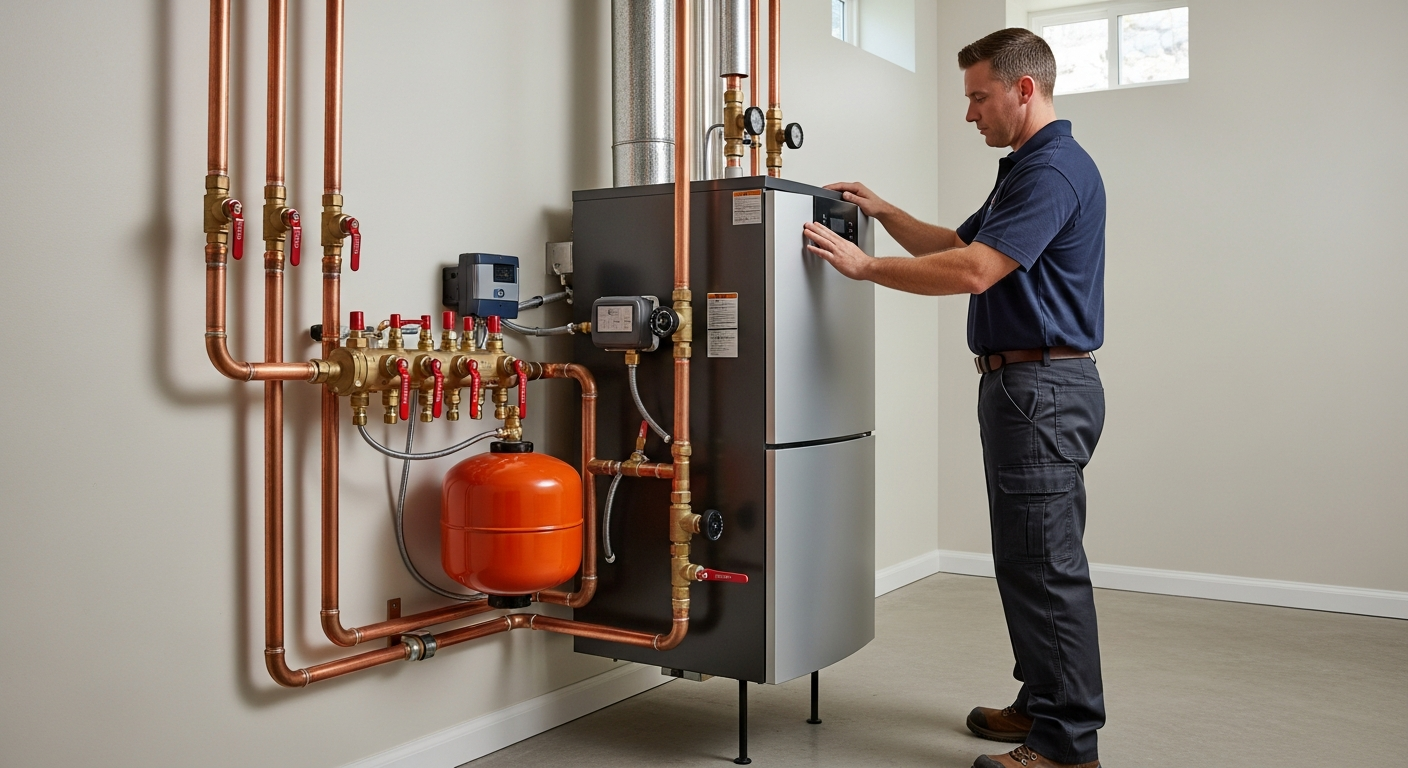
Invest in IAQ upgrades based on your home's specific issues—use data, not guesses.
Start with measurement (humidity, static pressure) and a professional assessment to choose the right filtration and ventilation, ensuring whole-home benefit with verified contractors.
What Matters Most
- Diagnose before upgrading: use a hygrometer and our Air Quality Score.
- Ventilation solves stale air better than filters alone.
- Upgrade to MERV 13 only after a static pressure test.
- Control humidity to 30–50% to stop mold and dust mites.
- Get three quotes and verify NATE certification.
Strengths
- Targets root causes like stale air and high humidity
- Provides decision rules and cost transparency
- Emphasizes professional verification and safety
- Links to free tools for personalized guidance
Weaknesses
- Upfront costs for whole-home systems can exceed $1,500
- Filter upgrades may require duct modifications
- DIY fixes only address surface-level issues
- Effectiveness varies by climate and house layout
Which IAQ Upgrade Fits Your Home?
| Scenario | Usually do | Why |
|---|---|---|
| Stuffy, stale air year-round | Install HRV or ERV | Provides balanced fresh air without energy loss |
| Allergies or asthma flare-ups | Whole-home air purifier + MERV 13 filter | Removes particles and allergens from all rooms |
| High humidity (over 60%) | Add dehumidifier or check ventilation | Prevents mold and dust mites |
| Strong odors or chemicals | Source control + activated carbon filtration | Removes VOCs before they spread |
| Older home with leaky ducts | Seal ducts and test airflow | Improves efficiency and distribution |
Why Indoor Air Quality Drives Today’s HVAC Decisions
As homes become tighter for energy savings, the air inside often traps dust, chemicals, and moisture. That stale, recirculated air can aggravate allergies, asthma, and even spread illness. Homeowners now recognize that HVAC isn't just about temperature—it's about health. This guide helps you turn IAQ concerns into a practical plan, covering filter upgrades, mechanical ventilation, humidity control, and what they realistically cost—so you can decide what's worth it for your home.
Quick Answer
For most homes, the single biggest IAQ improvement is adding controlled fresh-air ventilation (like an HRV or ERV) paired with a MERV 13 filter upgrade—if your system can handle the resistance. Costs typically start at $1,500–$4,000 for a professional HRV/ERV install, and $300–$1,200 for a whole-home purifier. Use our Air Quality Score to see your starting point, and get multiple quotes using our contractor search.
Why Airtight Homes Need Mechanical Help
Modern building codes and energy-efficiency goals have made homes far less leaky. While that cuts heating and cooling bills, it also means that cooking fumes, off-gassing furniture, pet dander, and even viruses stay trapped. Without fresh-air intake, dilution doesn't happen naturally. The fix is mechanical ventilation—systems that exchange stale indoor air for filtered outdoor air while recovering energy. For a deeper dive, read How to Use an ERV or HRV System.
IAQ Upgrade Costs at a Glance
| Upgrade | Editorial Range (Materials + Labor) | Best For | Key Consideration |
|---|---|---|---|
| MERV 13 filter (1" or 4") | $10–$60 (filter only); may need pro airflow check $100–$350 | Dust & pollen reduction | May restrict airflow if ductwork is undersized |
| Whole-home air purifier | $500–$2,500+ installed | Allergies, asthma, smoke | Often needs UV or PCO; ask about ozone |
| HRV / ERV | $1,500–$4,000 installed | Stale air, high occupancy | Requires ducting; ERV for humid climates |
| Standalone dehumidifier (whole-home) | $1,200–$2,800 installed | Basements, coastal humidity | Must drain automatically |
| Duct cleaning | $300–$800 | Visible mold or debris | Only effective if source is fixed first |
These are editorial estimates from HVACDatabase research—not guaranteed quotes. Prices vary widely. Use our HVAC Cost Estimator for a personalized range.
Safety Boundaries: What You Can Do – and What Needs a Pro
Safe DIY Checks
- Inspect and replace air filters monthly—note the arrow direction.
- Clean supply and return grilles with a damp cloth.
- Monitor humidity with a $10 hygrometer; keep between 30–50%.
- Run bathroom and kitchen exhaust fans during and after use.
- Seal obvious gaps around windows and doors with weatherstripping.
Professional-Only Work
Do not attempt to install or service electrical components, refrigerant lines, gas connections, combustion venting, or high-voltage parts. Tasks like adding an ERV/HRV, modifying ductwork, upgrading furnace blowers, or installing whole-home air purifiers often involve these risks. Always hire a certified HVAC contractor and verify insurance and NATE or equivalent certification.
Decision Rules: Which Upgrade First?
Use these rules to pinpoint your highest priority. If multiple apply, combine improvements for best results.
- Allergy or asthma symptoms indoors: Start with a MERV 13 filter (check static pressure first) and a whole-home purifier with true HEPA or PCO. See whole-home air purifier installation.
- Stale, stuffy air that lingers: Your home lacks ventilation—add an HRV (cold/dry climates) or ERV (humid climates). Click for HRV vs ERV guide.
- High humidity (over 60%): First check that dryer and bathroom fans vent outside. If still high, install a whole-home dehumidifier or add an ERV in humid regions. Proper air distribution is key; learn about air balancing.
- Strong chemical smells or new-renovation odors: Source control is first (use low-VOC products). Then add activated carbon filtration, either stand-alone or in a whole-home purifier.
- Energy bills are climbing: Have a professional run a duct leakage test and blower-door test. Sealing leaks improves both IAQ and efficiency. Use the Repair or Replace Calculator to weigh options.
Local Climate Twists
Your region shapes the right IAQ strategy:
- Hot & Humid (Gulf Coast, Florida): Dehumidification is critical. ERV preferred over HRV. Consider UV light to prevent coil mold.
- Cold & Dry (Midwest, Northeast): HRV recovers heat and adds humidity in winter. Avoid over-ventilating in deep freeze without pre-heating.
- Coastal (salt air): Corrosion-resistant materials for outdoor air intakes. Higher maintenance schedules.
- Older Homes in Mild Climates: Leaky ducts and building envelope often waste energy and pull in attic dust. Sealing ducts and adding insulation can improve IAQ more than a filter upgrade.
Contractor Checklist: 7 Questions Before You Hire
- Can you perform a static pressure test before recommending a filter upgrade? If not, find another contractor.
- What’s the total installed cost including any duct modifications and electrical? Get a breakdown.
- Is there an ozone emission risk with this purifier? Avoid ozone-producing devices in living spaces.
- Will you do a blower door test and duct leakage test? They diagnose the whole house, not just the box.
- Are you NATE-certified or equivalent? Verify credentials.
- Can you provide references for similar IAQ installations?
- What’s the warranty on labor and equipment? Ask about maintenance plans to keep it running.
Use HVACDatabase’s Contractor Comparison to feel confident.
Tools to Diagnose Your Home’s Air Quality
Before spending, use these free or low-cost tools:
- Air Quality Score: 2-minute survey estimates your IAQ baseline.
- BTU Calculator: Proper sizing prevents short-cycling that worsens humidity.
- Repair or Replace Calculator: If your equipment is old and inefficient, upgrading might solve IAQ issues along with comfort.
- Rebate Finder: Many utilities offer incentives for ventilation and purification.
Methodology: How We Form Recommendations
All cost ranges are editorial estimates based on HVACDatabase’s analysis of nationwide contractor quotes, manufacturer data, and industry surveys. Prices do not include permits, ductwork modifications, or emergency fees unless stated. Always verify with at least three local bids. Our safety boundaries follow EPA, ASHRAE, and OSHA guidelines, and we never recommend DIY refrigerant or high-voltage work. Links to tools and internal articles are provided for deeper, impartial guidance.
Frequently Asked Questions
How often should I change my air filter?
Check monthly; replace every 1–3 months. Higher MERV filters may load faster. If you have pets, kids, or open windows often, monthly changes may be needed.
Can a MERV 13 filter damage my HVAC?
It can if the system’s static pressure exceeds manufacturer specs. Thicker filters (4-5 inch) often have lower resistance. Always have a professional measure airflow before upsizing MERV. Use our Air Quality Score for guidance.
What’s the difference between HRV and ERV?
HRV transfers heat only; ERV transfers both heat and moisture. In humid climates, an ERV helps keep outdoor humidity from entering. In dry, cold climates, an HRV prevents excessive drying. For more, see this comparison.
Do portable air purifiers work as well as whole-home systems?
They clean one room effectively. For whole-house treatment, a duct-mounted purifier or a properly maintained HVAC filter is more consistent. Portable units can be a good supplement, especially in bedrooms.
How much does a whole-home air purifier installation cost?
Editorial range is typically $500–$2,500+ installed, depending on the technology (HEPA, PCO, bipolar ionization) and whether ductwork is needed. Get local quotes via our contractor search.
Related articles
Connect this page to adjacent guides so readers keep moving deeper into the topic cluster.

How Utility Demand Response Programs Use Smart Thermostats
Enrolling your smart thermostat in a demand response program can earn you up to $150/year while keeping you comfortable. Learn if it's right for your home and how to maximize benefits.
Heating Industry Trends to Watch
Smart thermostats and heat pumps headline heating industry changes. But which trends deliver real savings? Use our decision guide, cost ranges, and contractor checklist to plan your upgrade.

How Gas Bans Are Affecting Heating Choices
Gas bans in new construction and retrofit codes are pushing homeowners toward electric heat pumps. Understand your options, costs, and available incentives before you replace your furnace.