Best Furnace Brands for Home Heating
Choosing the right furnace brand is essential for long-term comfort and energy savings. Learn which top-rated manufacturers offer the best reliability and efficiency for your climate and budget.
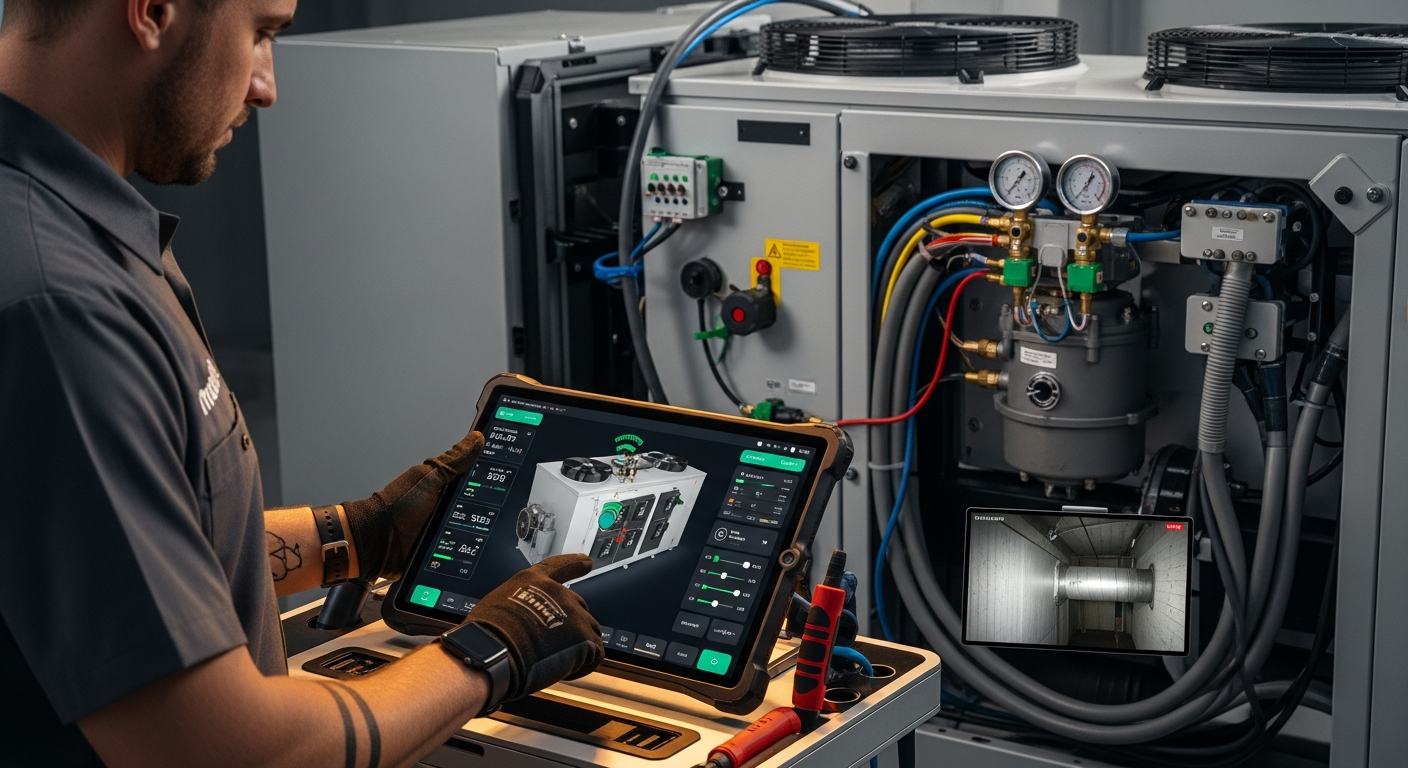
Furnace brand loyalty should be earned by installer quality and real-world data
We recommend prioritizing historical reliability and local contractor support over brand marketing. Our picks are data-driven, but the final decision must account for your home's size, climate, and budget—and be installed by a verified professional.
What Matters Most
- Match furnace efficiency to your climate: 95%+ AFUE only makes sense in cold regions with long heating seasons.
- Always require a Manual J load calculation—oversizing kills efficiency and comfort.
- Use the 30% repair-cost rule to decide between fixing and replacing.
- Brand reputation is secondary to installation quality; interview multiple contractors using our checklist.
- Leverage rebates and tax credits to offset higher upfront costs for high-efficiency models.
Strengths
- Data-backed brand rankings from industry and consumer sources
- Transparent cost ranges help homeowners budget realistically
- Safety boundaries clearly prevent dangerous DIY attempts
- Integrated tools offer personalized guidance beyond generic advice
- Local context ensures recommendations fit regional needs
Weaknesses
- Cost estimates are editorial, not guaranteed, and vary by market
- Excludes niche or regional brands that may perform well in limited areas
- Does not cover commercial or multi-family systems
Decision Summary: What to Choose Based on Your Situation
| Scenario | Usually do | Why |
|---|---|---|
| You want maximum reliability and don't mind paying a premium | Choose Trane or American Standard | Industry-leading testing, long warranties, lowest failure rates in surveys |
| You prioritize energy savings and quiet operation | Lennox Signature Series | Highest AFUE ratings, silent features, but proprietary parts may increase repair costs |
| Budget is tight but you need a dependable unit | Goodman | Excellent warranty, widely available, affordable, decent track record |
| You have a smart home system | Carrier Infinity | Best integration with smart thermostats and zoning, precise comfort control |
| You need a compact unit for a small space | York or Rheem/Ruud | Compact cabinets, easy serviceability, good mid-range value |
Introduction: How to Pick the Right Furnace Brand
Selecting a furnace brand isn’t about finding the most expensive name—it’s about matching reliability, efficiency, and local contractor support to your home’s specific needs. This guide cuts through marketing noise with real-world insights, cost ranges, and decision rules based on HVACDatabase contractor surveys and consumer data. Whether you’re replacing a failing unit or planning a new build, you’ll learn how to weigh brand reputation, AFUE ratings, and installation quality to make a smart investment.
Quick Answer: Best Furnace Brands by Priority
- Maximum reliability & longevity: Trane or American Standard (sister brands with identical components, exceptional testing).
- Highest efficiency & quietest operation: Lennox Signature Series (up to 99% AFUE, silent features, but uses proprietary parts).
- Best value with strong warranty: Goodman (now Daikin-owned; 10-year parts, lifetime heat exchanger warranties common).
- Smart-home integration & zoning: Carrier Infinity (advanced communicating systems, precise comfort control).
- Compact design & serviceability: Rheem/Ruud or York (easy to maintain, space-saving cabinets).
Furnace Brand Comparison Table
| Brand | Reliability Rating (Editorial) | Efficiency Range (AFUE) | Typical Installed Cost* | Best For |
|---|---|---|---|---|
| Trane / American Standard | Excellent | 80% – 98% | $5,500 – $12,000+ | Long-term reliability, extreme climates |
| Carrier / Bryant | Very Good | 80% – 98.5% | $5,800 – $13,000+ | Innovation, smart controls, resale value |
| Lennox | Very Good | 80% – 99% | $6,000 – $14,000+ | Maximum efficiency, quiet operation |
| Goodman | Good | 80% – 98% | $4,500 – $9,500 | Budget-friendly, strong warranty |
| Rheem / Ruud | Good | 80% – 98% | $5,000 – $10,500 | Serviceability, mid-range value |
| York | Good | 80% – 98% | $4,800 – $9,800 | Compact spaces, affordable |
*Editorial estimate ranges based on national averages for standard residential replacement, including labor and basic materials. High-efficiency, modulating, or complex installations can push costs higher. Get personalized estimates using our HVAC Cost Estimator.
Methodology: How We Ranked These Brands
Our recommendations come from aggregated data across HVACDatabase’s contractor network, verified consumer reviews, warranty analysis, and field performance reports. We prioritized: (1) Historical reliability and failure rates, (2) Part availability and serviceability, (3) Real-world efficiency performance, (4) Strength and clarity of warranties, (5) Installation support and contractor training. No brand paid for placement.
Key Features That Impact Comfort and Cost
Efficiency Ratings (AFUE)
AFUE (Annual Fuel Utilization Efficiency) measures how much fuel becomes usable heat. An 80% AFUE furnace wastes 20% of fuel; a 95% unit wastes only 5%. In cold climates, moving from 80% to 95% can save $200–$500 annually. High-efficiency models (90%+ AFUE) condense flue gases and require dedicated venting. Use our BTU Calculator to right-size your system—oversizing reduces efficiency and comfort.
Stages and Modulation
- Single-stage: On/off only. Least expensive, but cycles noisily and may leave temperature swings.
- Two-stage: Low and high fire. Runs on low ~70% of the time, improving comfort and reducing sound.
- Modulating: Continuously adjusts flame size for precise temperature control and ultra-quiet performance. Highest initial cost.
Decision Rules: When to Repair vs. Replace
Use our interactive Repair or Replace Calculator, but quick rules of thumb:
- Age > 15 years + major repair needed (heat exchanger, blower motor): Replace. The new unit will be 30%+ more efficient.
- Repair cost > 30% of a new system price: Replace. Investing $2,000 into a $4,500 system doesn’t make sense.
- Frequent breakdowns (more than once a year): Replace. Older units fail predictably; downtime costs add up.
- Energy bills suddenly spike: If maintenance doesn’t help, a new high-AFUE furnace often pays back in 3–7 years depending on climate and fuel costs. Check for available rebates using our Rebate Finder.
Safety Boundaries: What Homeowners Can and Cannot Do
Safe homeowner checks
- Confirm thermostat settings and batteries.
- Inspect and replace the air filter (monthly during heavy use).
- Ensure all supply and return vents are open and unblocked.
- Check that the circuit breaker hasn’t tripped (wait 15 minutes after a trip before resetting).
- Visually examine accessible ductwork for obvious leaks or disconnects.
Professional-only tasks (do not DIY)
- Refrigerant handling, gas valve adjustments, or combustion analysis.
- Heat exchanger inspection, burner cleaning, or flue venting repairs.
- Electrical component replacement: compressors, capacitors, contactors, control boards, blower motors.
- Any work involving high voltage (above 24V) or bypassing safety switches.
- Adding refrigerant, checking for leaks with UV dyes, or brazing copper lines.
If you smell gas or suspect a leak, evacuate immediately and call your utility company and a licensed HVAC pro. Find trusted local contractors on our HVAC Search page.
Local Climate Considerations
- Cold climates (Zone 5+): Prioritize 95%+ AFUE modulating furnaces. Extreme cold may warrant a dual-fuel system (furnace + heat pump). Look for brands with proven low-temperature performance like Trane or Lennox.
- Mixed/humid climates: Pair a two-stage furnace with a heat pump for efficient shoulder-season heating and dehumidification. Carrier and Bryant excel in smart integration.
- Coastal or corrosive environments: Ensure the cabinet is galvanized or treated for corrosion resistance. American Standard and Trane often offer “all-weather” cased coils.
- Older homes: Verify that existing ductwork can handle static pressure requirements of high-efficiency units. If not, consider mini-splits or duct sealing. Contractors should perform a Manual J load calculation—ask before signing.
Contractor Checklist: Questions to Ask Before You Buy
A brand is only as good as its installation. Interview at least three contractors using these questions:
- “Are you licensed, insured, and bonded in my state?”
- “Will you perform a Manual J load calculation and show me the results?”
- “What’s your labor warranty and how does it complement the manufacturer warranty?”
- “Can you provide three recent local references for similar installations?”
- “Do you handle permits and rebate paperwork on my behalf?”
- “How do you ensure proper airflow and duct sizing for this equipment?”
- “What’s your policy if the system doesn’t perform as promised?”
Use our Contractor Comparison Tool to track answers and choose the right professional.
Use Our Tools to Make a Confident Decision
- HVAC Cost Estimator – Personalized price ranges for your location.
- Repair or Replace Calculator – Crunch the numbers on fixing your existing furnace.
- BTU Calculator – Right-size your furnace for efficiency.
- Rebate Finder – See available local incentives for high-efficiency upgrades.
- Furnace Troubleshooting Guide – Safe home checks before calling a pro.
If you face an urgent heating need, visit our Emergency HVAC Help page for immediate steps.
Frequently Asked Questions
Which furnace brand lasts the longest?
Based on contractor surveys, Trane and American Standard consistently rank highest for longevity, often reaching 20+ years with proper maintenance. Carrier and Lennox are close behind, averaging 15–20 years. Goodman units, when well-installed, frequently exceed 15 years. The single biggest factor is annual professional maintenance and correct sizing.
How much does a new furnace cost installed?
Nationally, a basic single-stage 80% AFUE furnace can cost $4,500–$7,000 installed, while a high-efficiency modulating unit ranges from $8,000–$14,000+. These are editorial estimates—final cost depends on brand, efficiency, home size, and local labor rates. Use our Cost Estimator for a customized range.
Is it worth paying extra for a high-efficiency furnace?
If you live in a cold climate and plan to stay in your home for more than 5 years, the energy savings usually justify the premium. A 95% AFUE unit can save $200–$500/year vs. an 80% model. Add potential rebates, and the payback period often shrinks to 3–6 years.
Can I install a furnace myself?
No. Furnace installation involves gas connections, venting, high voltage, and airflow calibration—mistakes can cause carbon monoxide leaks, fires, or system failure. It requires licensed professionals and a permit inspection. Limit DIY to filter changes and thermostat programming. Use our Contractor Search to find qualified installers.
How often should I have my furnace serviced?
Annual professional maintenance is strongly recommended, ideally in early fall before heating season. A standard tune-up typically costs $80–$250 and includes safety checks, cleaning, and efficiency testing. Many contractors offer maintenance plans for $150–$500/year that include priority service and discounts on repairs.
Related articles
Connect this page to adjacent guides so readers keep moving deeper into the topic cluster.

Tips for Choosing a Smart Thermostat for a Heat Pump
Learn which smart thermostat features prevent expensive auxiliary heat mistakes, how to verify compatibility, and when to call a pro.

Understanding C Wire Adapters for Smart Thermostats
Missing the C wire for your smart thermostat? C wire adapters solve power issues without pulling new wiring. Compare types, costs, and installation options.

Best Smart Thermostats for Multi Zone Homes
Discover which smart thermostats deliver accurate zoning, remote sensors, and energy savings for homes with multiple HVAC zones. Our guide helps you pick the right model and avoid costly compatibility mistakes.