Bosch vs Carrier Heat Pumps
Choosing between Bosch and Carrier heat pumps? This guide compares their inverter technology, performance, and efficiency to help you decide.
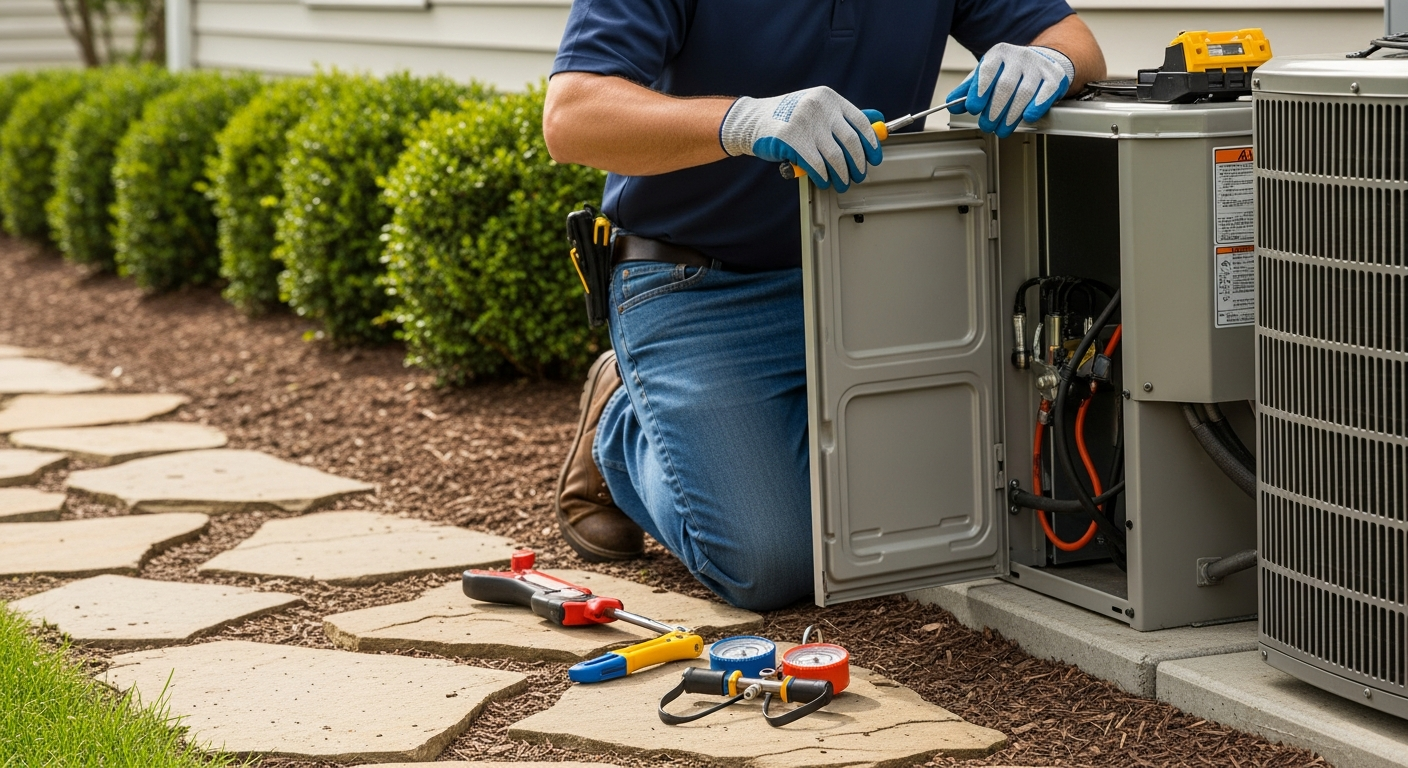
Choosing the Right Heat Pump for Your Home
Deciding between Bosch and Carrier heat pumps often feels like choosing between a high-tech newcomer and a seasoned industry titan. Both brands offer incredible efficiency and reliable heating, but they approach climate control with different philosophies.
In this guide, we will break down the differences in technology, pricing, and performance. This will help you make an informed decision before you search for a professional at HVACDatabase.com.
Bosch Heat Pumps: The Inverter Specialists
Bosch has disrupted the HVAC market by focusing heavily on inverter-driven technology. Unlike traditional systems that turn fully on or off, Bosch systems vary their speed to match your home’s exact cooling or heating needs.
The Bosch Inverter Ducted Split (IDS) system is their flagship product. It is known for its ability to maintain incredibly stable indoor temperatures while operating at very low noise levels.
The Power of Non-Communicating Inverters
One unique advantage of Bosch is that their inverter technology is 'non-communicating.' This means you can often use a standard 24V thermostat rather than an expensive, brand-specific proprietary controller. This flexibility saves money and allows for easier smart home integration.
If you are interested in how this differs from traditional units, you may want to read about single vs dual stage compressors to see why inverter tech is superior.
Carrier Heat Pumps: The Industry Standard
Carrier is the original name in air conditioning. They offer a massive range of products, from the budget-friendly Comfort series to the top-of-the-line Infinity series with Greenspeed Intelligence.
Carrier systems are known for their durability and the massive network of authorized dealers available for repairs and maintenance. They have refined their heat pump designs over decades to handle extreme temperatures effectively.
Greenspeed Intelligence
The Carrier Infinity system with Greenspeed is their answer to high-efficiency demands. These units are among the most efficient on the market, offering incredible SEER2 and HSPF2 ratings that can significantly lower your monthly utility bills.
While Carrier excels in efficiency, they are also a top choice for indoor air quality. Check out our guide on the best HVAC systems for allergy sufferers to see how Carrier filters compare.
Key Differences: Bosch vs Carrier
When comparing these two brands, several factors stand out. Here is a breakdown of how they stack up against one another in real-world applications.
- Thermostat Compatibility: Bosch works with almost any thermostat. Carrier Infinity systems require a specific, often expensive, Infinity Control for full functionality.
- Technological Philosophy: Bosch focuses on universal inverter compatibility. Carrier focuses on a fully integrated, proprietary ecosystem for maximum precision.
- Product Variety: Carrier has a much broader range of models across different price points, whereas Bosch focuses mainly on high-efficiency inverter units.
If you are also considering other top brands, you might find our comparison of Lennox vs Trane HVAC systems helpful for your research.
Efficiency and Performance
Both brands offer units that reach well over 20 SEER. However, Bosch simplifies the high-efficiency market by offering a 'one-size-fits-all' approach with their outdoor units, which can be paired with various indoor air handlers.
Carrier provides more granular options. If you have a specific budget or a very small home, Carrier likely has a specific model tailored to that footprint. This is similar to the variety found in the Bryant vs Carrier HVAC systems comparison, as both brands share the same parent company.
Cold Climate Performance
Modern heat pumps are no longer just for the South. Both Bosch and Carrier have models designed for cold climates. Bosch units are particularly praised for their ability to provide heat down to -5 degrees Fahrenheit without relying heavily on expensive electric backup strips.
Carrier’s high-end heat pumps also perform exceptionally well in the cold, though their mid-range models might require supplemental heat sooner than a Bosch inverter unit would.
Installation and Cost
Generally, a Bosch heat pump system will have a lower upfront cost than a top-tier Carrier Infinity system. Because Bosch units are simpler to install and don't require proprietary wiring, labor costs can sometimes be lower as well.
Carrier systems, especially the Infinity line, are premium products. You are paying for a legacy of reliability and a sophisticated control system that monitors every aspect of your home's humidity and airflow.
For those looking for even more budget-friendly alternatives, you may want to look at Goodman vs Rheem HVAC systems to see how they compare to these premium brands.
Maintenance and Long-Term Reliability
Reliability often depends more on the quality of the installation than the brand on the box. This is why we recommend finding a qualified expert through HVACDatabase.com to ensure your system is sized and commissioned correctly.
Carrier parts are widely available across North America, making repairs relatively straightforward for most technicians. Bosch has rapidly expanded its supply chain, but in some rural areas, finding a Bosch-certified tech might take a bit more effort.
Comparing Inverter Technology
If you want to dive deeper into why these systems are so quiet and efficient, read our article on inverter AC vs non-inverter AC technology.
Conclusion: Which Brand is Right for You?
Choose Bosch if you want high-end inverter technology at a more accessible price point and prefer to use your own smart thermostat like a Nest or Ecobee. Their systems are quiet, efficient, and versatile.
Choose Carrier if you want the absolute best in integrated home comfort technology and are willing to pay a premium for a fully proprietary system. Carrier is also the better choice if you have a very specific application that requires a wide range of model choices.
Regardless of which brand you choose, the most important step is a professional installation. Visit HVACDatabase.com today to find trusted HVAC contractors in your area who can provide a detailed load calculation and expert installation for your new heat pump.
Related articles
Connect this page to adjacent guides so readers keep moving deeper into the topic cluster.
Online HVAC Troubleshooting vs In Person Service
Deciding between a DIY fix and a service call? Learn when online guides are enough and when you need a professional HVAC technician.

DIY HVAC Filter vs Professional Filter Service
Choosing between DIY filter changes and professional service involves balancing cost, convenience, and technical expertise to ensure your home's air quality remains high.

Scroll vs Rotary HVAC Compressors
Discover the key differences between scroll and rotary compressors, including efficiency, noise levels, and which technology is right for your HVAC system.