Flat Rate vs Hourly HVAC Billing
Understand the true cost difference between flat rate and hourly HVAC billing. Learn which model protects your wallet for common repairs, diagnostics, and installations.
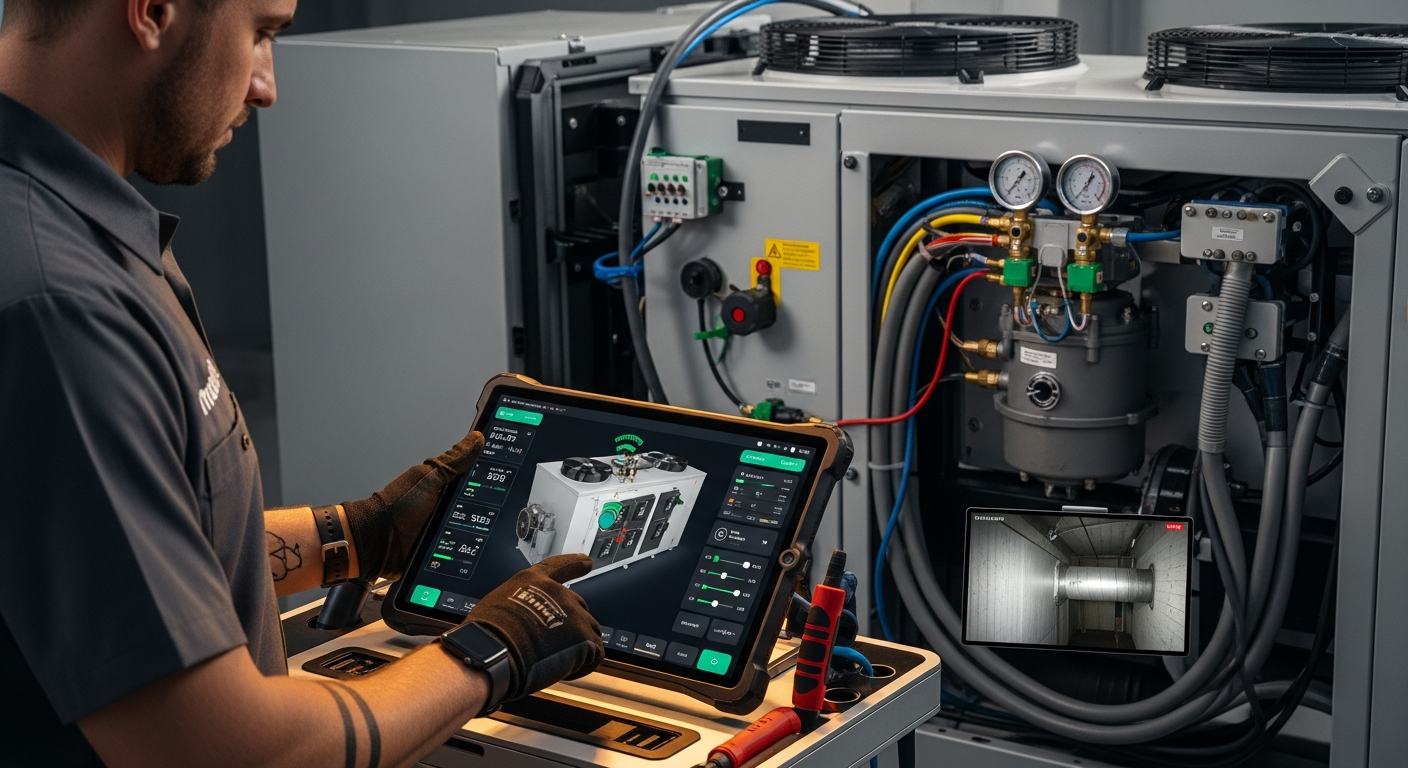
Flat rate is the safer bet for most repairs
Homeowners facing straightforward part replacements should choose flat rate pricing to lock in costs. For open-ended diagnostics or custom work, negotiate an hourly rate with a time cap and always get at least three quotes.
What Matters Most
- Flat rate shifts risk to the contractor and prevents surprise bills.
- Hourly billing may save money on quick fixes, but only if you trust the tech's efficiency.
- Always get a written estimate regardless of billing model.
- Use online tools to benchmark repair costs before committing.
- Verify contractor license and reviews before scheduling.
Strengths
- Guaranteed price before work starts
- Technician is motivated to work efficiently
- No stress about time overruns
- Simplifies comparison between quotes
Weaknesses
- Higher floor for very quick repairs
- Less transparency into labor vs. part costs
- Some contractors may inflate flat rates to cover unknown risks
Decision Summary: Flat Rate vs. Hourly
| Scenario | Usually do | Why |
|---|---|---|
| Standard part replacement (capacitor, fan motor) | Flat rate | Fixed cost eliminates overtime risk; job duration is predictable. |
| Complex or intermittent diagnostics | Hourly with a 2-hour cap | Pay only for actual time, but cap prevents runaway costs. |
| Full system installation | Fixed project bid | Combines equipment, labor, permits in a flat price for the defined scope. |
| Emergency after-hours repair | Flat rate with emergency surcharge | Avoids open-ended hourly charges during high-demand times; surcharge is known upfront. |
Quick Answer
For standard HVAC repairs with known timeframes—like a capacitor or blower motor replacement—flat rate pricing usually gives you the best value and peace of mind. The contractor assumes the risk if the job runs long, and you won't be watching the clock. Hourly billing can be cheaper for simple fixes completed quickly, but exposes you to cost overruns if complications arise. For complex diagnostics or custom installations, request written estimates from multiple contractors and compare total project costs.
How Flat Rate and Hourly HVAC Pricing Work
Flat Rate Pricing
With flat rate, you pay a fixed price for a specific repair or service. The technician may use a pricing guide (often based on national labor averages and part costs) to quote the job after diagnosis. Common flat rate repair ranges: $150–$400 for a capacitor replacement, $300–$650 for a blower motor, and $500–$1,200 for a condenser fan motor. The diagnostic fee (typically $80–$200) is often credited toward the repair if you proceed.
Hourly Billing (Time & Materials)
You pay a set hourly rate plus parts at retail cost. Hourly rates commonly run $75–$200 per hour depending on region, season, and skill level. A simple capacitor swap might take one hour and cost less than a flat rate, but an unexpected compressor issue could add hours and escalate costs. This model is best when the repair scope is hard to predict.
Flat Rate vs. Hourly: At a Glance
| Feature | Flat Rate | Hourly (T&M) |
|---|---|---|
| Price certainty | Fixed before work begins | Depends on actual time taken |
| Risk holder | Contractor (if job runs long) | Homeowner (if complications arise) |
| Transparency | Lower — labor vs. parts not separated | Higher — you see hours and material costs |
| Speed incentive | Technician works faster | Risk of slower work or padding |
| Best for | Common, predictable repairs | Complex diagnostics, custom jobs |
Safety Boundaries for Homeowners
Before calling a pro, you can safely check breakers, thermostat settings, and air filter condition. Shut off power to the outdoor unit if it's making unusual noises or tripping breakers to prevent further damage. But never attempt to open sealed electrical panels, handle refrigerant, test capacitors, or adjust gas valves. These tasks involve risks of electrocution, chemical burns, gas leaks, and equipment damage. Only licensed HVAC technicians should perform electrical, refrigerant, or combustion-related work. Always verify your contractor's license and insurance via our guide.
Smart Tools to Compare Costs
Get a ballpark estimate for your repair using our HVAC Cost Estimator. If you already have quotes, run them through the Quote Checker to spot inflated numbers. For older systems, decide if repair makes sense with the Repair-or-Replace Calculator. These tools use regional averages and system details to give you data-backed guidance.
Decision Rules: When to Choose Flat Rate vs. Hourly
- If the repair is a common component replacement (capacitor, contactor, relay, blower motor, fan motor) → flat rate is usually your safest bet. The job's typical duration is well-known, so flat rate pricing is competitive.
- If the issue is intermittent or requires hours of diagnostic time → hourly billing may be more economical, but negotiate a cap (e.g., 2 hours max for diagnosis) before work starts.
- If you're getting a new system installed → always request a fixed project bid that includes equipment, labor, permits, and any ductwork modifications. This is essentially flat rate for the whole job.
- If your system is over 10 years old and repair cost exceeds 50% of a new unit's price → consider replacement. Use the Repair-or-Replace Calculator to see the numbers.
Contractor Checklist: Questions to Ask Before Work
- "Do you charge a diagnostic fee? Is it waived if I approve the repair?" (Typically $80–$200.)
- "Is your repair pricing flat rate or time and materials? Will I see the price upfront?"
- "Can you give me a written estimate, and how long is it valid?"
- "What's your labor warranty? For how long? Parts warranty?"
- "Are you licensed and insured for HVAC work in my state?" (Check here)
- "Can you provide recent customer reviews or references?" (How to check)
- "Do you offer any maintenance plan that includes priority service or discount?"
Local Market Factors That Affect Pricing
Your location significantly influences what you'll pay and which billing model is better. In hot climates (e.g., Phoenix, Las Vegas), demand spikes in summer can drive up hourly rates and make flat rate agreements more attractive for emergency repairs. In cold regions, heating season urgency does the same. Humid areas like the Gulf Coast may require additional coil cleaning or mold treatment, which some flat-rate packages include. Coastal environments necessitate corrosion‑resistant parts, so ask if quoted part costs reflect that. Older homes (pre‑1990) may require electrical panel upgrades or duct modifications—scope creep that can blow up an hourly bill. Always get a thorough site inspection and a detailed written estimate. Use our contractor search to find rated pros in your area, and check our comparison tool.
Methodology: How We Develop Cost Estimates
The price ranges in this article are editorial estimates based on national HVAC industry data, technician wage surveys, equipment cost databases, and thousands of homeowner-quote submissions. They reflect typical costs for common residential repairs in moderate-cost regions during normal business hours. Actual pricing can vary due to system brand, size, accessibility, part availability, permit fees, urgency, season, and local market competition. We update our cost data quarterly. No estimate is a guaranteed price; always obtain written quotes from at least three licensed contractors before proceeding.
Frequently Asked Questions
Which billing method is usually cheaper for a capacitor replacement?
Flat rate often ranges $150–$400, including labor and part. Hourly could be less if the job takes under 30 minutes, but many contractors have a one‑hour minimum. With diagnostic fees, the final cost often ends up similar. Flat rate removes risk of overtime charges, so it's the safer choice for this common repair.
Can I ask a contractor to switch from hourly to flat rate after diagnosis?
Yes, many reputable contractors will provide a flat-rate price once they know what the repair involves. Always request a written quote before giving the go‑ahead. If a contractor refuses to commit to a price after diagnosis, it may be a red flag.
Is a diagnostic fee separate from the repair cost?
Typically, yes. Most companies charge a diagnostic fee ($80–$200) to cover the technician's time and expertise to identify the problem. If you proceed with the repair, that fee is often applied toward the total bill. Always clarify this when scheduling the appointment.
What's a reasonable hourly labor rate for HVAC work?
In 2025, most skilled HVAC companies charge between $100 and $200 per hour. Factors include local cost of living, technician certification level, and service demand. Emergency or after‑hours rates can be 1.5–2x higher. Compare multiple quotes using our Quote Checker to spot unusually high or low rates.
Does flat rate pricing cover parts if they cost more than expected?
Yes, the quoted price is all‑inclusive for the specific repair. If the technician discovers the repair requires extra materials (like a new refrigerant line because of a clog), they should present a change order before proceeding. A reliable contractor won't surprise you with extra charges after the fact.
Related articles
Connect this page to adjacent guides so readers keep moving deeper into the topic cluster.
Electrostatic vs Pleated HVAC Filters
Electrostatic filters are washable and budget-friendly over time, but pleated filters catch more allergens. See which fits your home's air quality and HVAC demands.

Supply vs Exhaust Ventilation Systems
Discover whether a supply or exhaust ventilation system suits your home’s climate, budget, and air quality goals. Our guide includes cost ranges, safety tips, and pro checklists.
Smart Thermostat vs Smart Vent System
Homeowners often ask: smart thermostat or smart vents? Our practical guide explains the core trade-offs, safety limits, and a clear decision path to avoid wasting money or harming your system.