Geothermal Heating Tips for Homeowners
Get the most from your geothermal heating: filter care, thermostat strategies, and pro maintenance schedules. Keep your home efficient and comfortable.
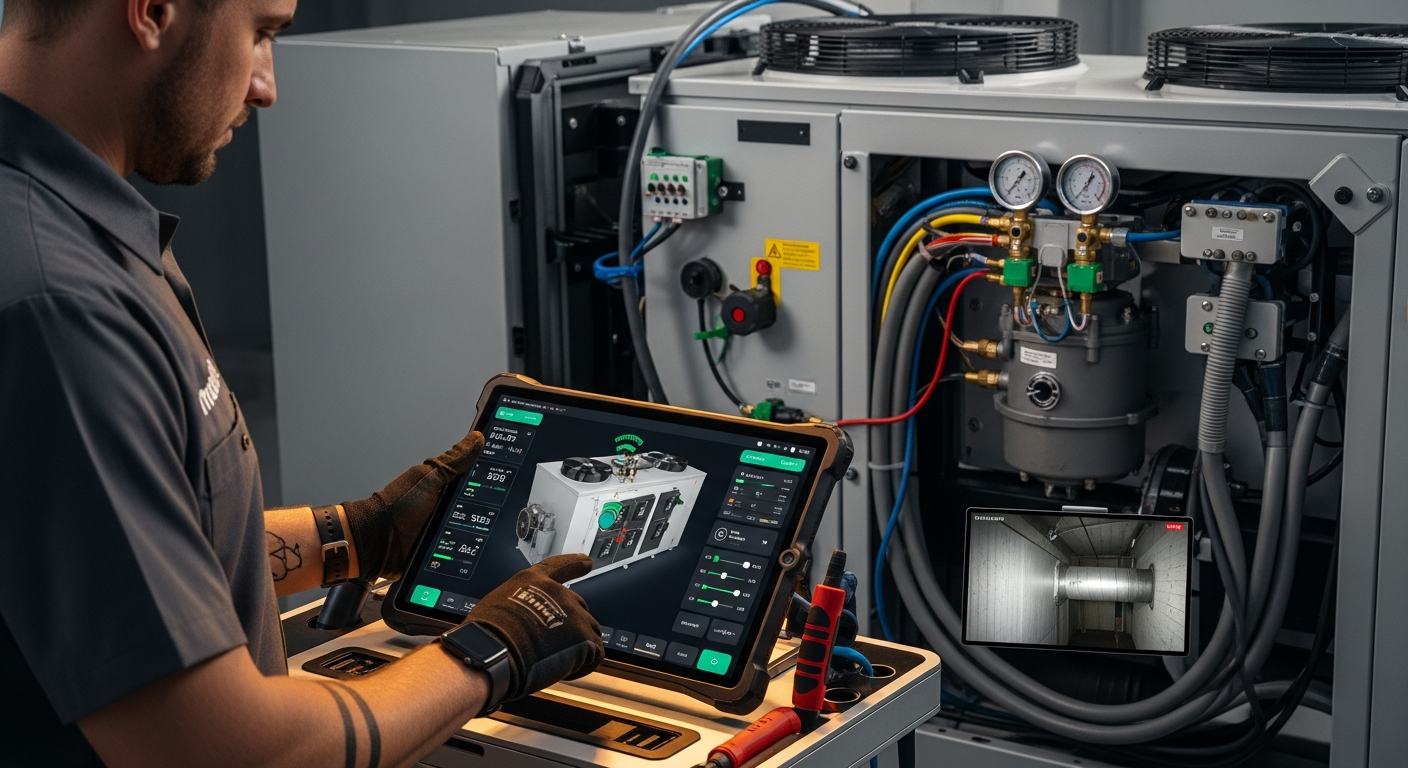
Steady Operation Is Key
Geothermal systems reward consistent thermostat settings and diligent filter changes. Avoid large temperature setbacks and always use a trained pro for loop or refrigerant work.
What Matters Most
- Check and replace air filters monthly/quarterly.
- Set thermostat to a consistent temperature; avoid frequent adjustments.
- Keep the ground loop area free from deep roots and heavy equipment.
- Schedule professional maintenance annually.
- Use financial tools to capture rebates and compare repair costs.
Strengths
- Low operating cost after installation.
- Consistent indoor comfort without hot/cold spots.
- Long system lifespan (20–25 years heat pump, 50+ years loop).
- Eco-friendly with high efficiency.
Weaknesses
- High upfront installation cost.
- Electricity-dependent; no heat during outages without backup.
- Landscape disruption during loop installation.
- Not ideal for rapid temperature changes.
Geothermal Maintenance Decision Guide
| Task | Usually Do | Why |
|---|---|---|
| Replace air filters | Homeowner monthly | Prevents airflow blockage and compressor strain. |
| Program thermostat | Homeowner seasonally | Set steady temps to avoid auxiliary heat activation. |
| Inspect loop pressure | Pro annually | Requires specialized tools and training. |
| Test antifreeze | Pro annually | Handling chemicals safely ensures correct concentration. |
| Ductwork sealing | Pro every 3–5 years | Improves efficiency; needs blower-door testing. |
| Landscaping near loop | Homeowner with map | Avoids root damage; never dig without loop map. |
Quick Answer: Geothermal Heating Best Practices
Geothermal heat pumps are efficient when you let them run steadily. Change air filters every 1-3 months, set your thermostat to a consistent temperature, and keep the ground loop area free of deep-rooted plants. Schedule professional inspections annually. Use our cost estimator to compare maintenance plans.
Understanding Your Geothermal System
Geothermal heating moves heat from the ground into your home. Unlike combustion furnaces, it doesn't create heat—it transfers it. This makes it highly efficient, but it also means proper care is essential to protect your investment. The underground loop and indoor heat pump work together, so issues in either part affect performance.
Geothermal Maintenance Schedule
| Task | Frequency | Who Does It | Editorial Cost Range* |
|---|---|---|---|
| Replace air filter | Monthly check; replace every 90 days (or sooner if dirty) | Homeowner | $10–$30 per filter |
| Inspect thermostat settings | Seasonally | Homeowner | Free |
| Visual check of ground loop area | Quarterly | Homeowner | Free |
| Professional annual inspection | Annually | Pro | $150–$500 depending on plan |
| Loop pressure check & antifreeze test | Annually (during inspection) | Pro | Included in inspection; separate check may cost $100–$200 |
| Ductwork inspection & sealing | Every 3–5 years | Pro | $300–$1,500 depending on extent |
* Editorial estimates based on national averages; actual costs vary by region and system specifics. See our cost guide hub for details.
Safety Boundaries: What Homeowners Can and Cannot Do
Safe Homeowner Tasks:
- Checking and replacing air filters.
- Adjusting thermostat settings (avoid large swings).
- Visually inspecting the ground loop area for erosion, water pooling, or invasive roots.
- Keeping outdoor unit (if applicable) clear of debris.
- Monitoring your electricity usage for unusual spikes.
Leave These to Licensed Pros:
- Checking or adjusting refrigerant levels (if your system uses a direct expansion loop).
- Testing or changing loop fluid (antifreeze).
- Repairing electrical components, compressors, capacitors, or control boards.
- Handling any work involving combustion or gas connections (some geothermal systems have backup gas).
- Diagnosing low loop pressure or suspected leaks.
Attempting these tasks can void warranties, cause system damage, or create safety hazards. Find qualified geothermal technicians on HVACDatabase.com.
Optimize Thermostat Settings for Geothermal
Geothermal systems work best with steady temperatures. Avoid setbacks of more than 3–5°F in winter. Larger drops can trigger expensive auxiliary heat. Use a programmable thermostat but aim for consistent settings.
Decision rule: If your auxiliary heat kicks on frequently, check your thermostat differential setting and reduce the temperature swing.
Landscaping Around the Ground Loop
The loop field is buried underground, usually 4–6 feet deep. To avoid damage:
- Do not plant trees or large shrubs with invasive roots within 30 feet of the loop.
- Keep heavy equipment off the loop area.
- If adding a patio or pool, consult your original installation map.
If you don't have the map, contact the installer or use our contractor search to find a local expert who can locate the loop lines.
Backup Power Considerations
Geothermal heat pumps rely on electricity. In a winter outage, a backup generator can keep your system running. Evaluate your risk: if you live in an area with frequent storms, the cost to install a generator may be worthwhile. Explore generator options and costs on our cost estimator.
When to Call a Professional: Decision Rules
Click for decision thresholds
- Filter: If the filter looks dense or clogged on a monthly check, replace it immediately.
- Loop pressure: A drop of more than 5 PSI from the installer's baseline warrants a service call.
- Electric bills: A sudden 25%+ spike without a rate increase could indicate a problem.
- Noises: Grinding, gurgling, or hissing from the indoor unit or loop field needs inspection.
- Ice or condensation: Unusual frost on the heat pump in winter or excessive condensation in summer may signal a refrigerant or airflow issue.
Contractor Checklist for Geothermal Service
Before hiring a technician for geothermal repair or maintenance, ask these questions:
- Are you certified for ground-source heat pump installation and service?
- How many geothermal systems do you service annually?
- Will you provide a written estimate with a breakdown of costs?
- Do you carry liability insurance and workers' compensation?
- Can you share references from local geothermal customers?
- What is included in your annual maintenance plan?
Use our contractor comparison tool to evaluate multiple bids side by side.
Regional Tips for Geothermal Systems
- Cold climates: Ensure your loop is installed below the frost line. Use a dual-fuel setup if temperatures frequently drop below 10°F.
- Hot, humid climates: Geothermal excels at dehumidification. Set your fan to "auto" to maximize moisture removal.
- Coastal areas: Salt air can corrode outdoor components. Request corrosion-resistant coils if your system has an outdoor unit.
- Older homes: Ductwork may need upgrading to handle the lower-temperature air. Use our BTU calculator to check proper sizing.
Financial Tools to Maximize Savings
Geothermal systems qualify for federal tax credits and local rebates. Check your eligibility with our rebate finder. For repair or replacement decisions, use the repair or replace calculator.
Methodology: How We Formed These Tips and Cost Ranges
Our recommendations are based on manufacturer guidelines, energy efficiency research, and feedback from certified geothermal installers across the U.S. Cost ranges are editorial estimates gathered from nationwide contractor surveys and service-pricing databases, adjusted for typical geothermal equipment. They are not guaranteed prices and do not replace on-site quotes. Always obtain multiple bids and verify credentials before hiring.
Frequently Asked Questions
How often should I change my geothermal system's air filter?
Check monthly. Replace at least every 90 days. If you have pets or allergies, consider monthly replacements. A clogged filter reduces airflow, forcing the compressor to work harder and increasing energy use.
Can I set back my thermostat at night to save money?
With geothermal, it's better to maintain a steady temperature. A setback of more than 3–5°F in cold weather often triggers the auxiliary electric heat, erasing any savings. Use a modest setback if you must, but monitor your energy bills.
What is the typical lifespan of a geothermal ground loop?
Underground loops are designed to last 50+ years. The indoor heat pump typically lasts 20–25 years with proper maintenance. Annual inspections help ensure both components reach their full lifetime.
Does geothermal heating work during extremely cold winters?
Yes, as long as the ground loop is properly sized and buried below the frost line. In extreme cold (-10°F or lower), supplemental heat may be needed. Our BTU calculator can help you verify proper sizing.
How can I find a qualified geothermal contractor?
Start with our contractor search and filter by geothermal expertise. Look for certifications from the International Ground Source Heat Pump Association (IGSHPA) or North American Technician Excellence (NATE). Get at least three quotes and check reviews.
Related articles
Connect this page to adjacent guides so readers keep moving deeper into the topic cluster.

Tips for Choosing a Smart Thermostat for a Heat Pump
Learn which smart thermostat features prevent expensive auxiliary heat mistakes, how to verify compatibility, and when to call a pro.

Understanding C Wire Adapters for Smart Thermostats
Missing the C wire for your smart thermostat? C wire adapters solve power issues without pulling new wiring. Compare types, costs, and installation options.

Best Smart Thermostats for Multi Zone Homes
Discover which smart thermostats deliver accurate zoning, remote sensors, and energy savings for homes with multiple HVAC zones. Our guide helps you pick the right model and avoid costly compatibility mistakes.