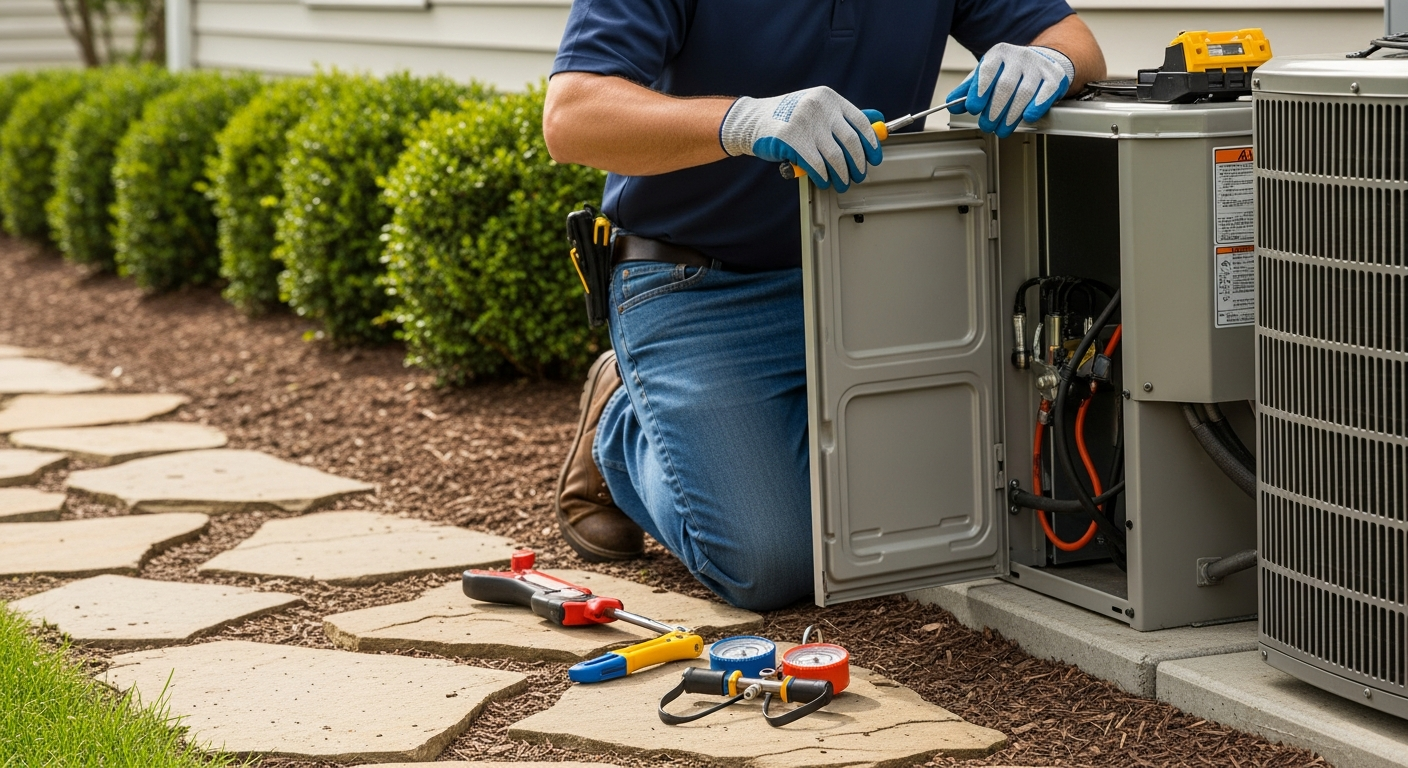
How to Replace a Bathroom Exhaust Fan Motor
Is your bathroom fan making a grinding noise? Our comprehensive guide walks you through replacing the motor yourself to restore quiet ventilation.
Is Your Bathroom Fan Screeching or Failing?
A bathroom exhaust fan is essential for moisture control. When the motor fails, you risk mold growth and poor air quality.
If you hear a grinding noise or the blades won't turn, you don't necessarily need to replace the entire housing. Swapping the motor is a cost-effective DIY project that takes less than an hour.
Signs You Need a New Fan Motor
Before buying parts, confirm the motor is the culprit. Sometimes a simple cleaning can restore performance.
- Excessive Noise: Grinding or rattling suggests worn-out bearings.
- Slow Start: If the fan takes several seconds to reach full speed, the motor is failing.
- No Movement: If you have power but no rotation, the motor has likely burned out.
Proper ventilation is a key part of your home's ecosystem. Keeping these units running helps improve indoor air quality by removing humid air quickly.
Tools and Materials You Will Need
Replacing a motor is straightforward, but having the right tools on hand prevents unnecessary trips to the hardware store.
- New replacement motor (check the model number on the old unit)
- Screwdrivers (Phillips and Flathead)
- Needle-nose pliers
- Vacuum with a brush attachment
- Non-contact voltage tester
Step 1: Identify Your Fan Model
Not all motors are universal. You must find the model number, which is usually printed on a metal plate inside the fan housing.
Remove the plastic cover (grille) by pulling it down and squeezing the metal tension springs. Once the cover is off, use a flashlight to locate the manufacturer's label.
Step 2: Safety First - Cut the Power
Never work on electrical components with the power on. Turn off the fan at the wall switch and the circuit breaker.
Use a non-contact voltage tester to ensure no electricity is flowing to the unit. This step is critical for preventing electrical shock during the removal process.
Step 3: Remove the Old Motor Assembly
Most modern bathroom fans use a "plug-and-play" design. The motor is typically mounted to a metal plate called a bracket or scroll.
- Unplug the motor from the internal power outlet located inside the housing.
- Remove the screws or undo the tabs holding the motor plate in place.
- Carefully lower the entire assembly out of the ceiling.
Step 4: Swap the Motor and Fan Blade
Once the assembly is on a flat surface, you need to separate the motor from the bracket and the blower wheel (the plastic blades).
Remove the nut or clip holding the blower wheel to the motor shaft. Be gentle, as these plastic parts can become brittle over time.
Unscrew the old motor from the mounting bracket and install the new one in the same orientation. Reattach the blower wheel, ensuring it spins freely without hitting the sides.
How to Replace a Bathroom Fan Motor
Step 5: Clean the Housing and Ductwork
Since you have the fan open, take a moment to vacuum out dust and lint from the housing. This improves airflow and reduces fire risks.
If you notice significant debris, you might want to look into advanced filtration technologies for your wider HVAC system. Excess dust in the bathroom often indicates a need for better whole-home filtration.
Step 6: Install the New Assembly
Lift the updated motor plate back into the ceiling housing. Secure it with the original screws or snap the tabs back into place.
Plug the motor back into the internal outlet. Before putting the cover back on, turn the power on briefly to test the unit. It should run quietly and smoothly.
When to Call a Professional
While motor replacement is a simple DIY task, some issues require an expert. If you find scorched wires, rusted housing, or if the fan still doesn't work after replacement, it’s time to call a pro.
If your home has unique architectural challenges, such as if you need to choose HVAC for a home with a crawl space, professional guidance ensures your ventilation meets local building codes.
You can find trusted, licensed HVAC contractors in your area by searching the HVACDatabase.com directory. Our platform connects homeowners with experts who can handle everything from simple fan repairs to complex ductwork installations.
Enhancing Your Home’s Ventilation Strategy
A working bathroom fan is just one part of a healthy home. If your bathroom stays humid even with a new motor, you may have ducting issues.
For instance, if your bathroom is far from the main HVAC unit, you might consider how a professional would install a duct booster fan to improve overall air movement. Additionally, ensuring your home has proper return air is vital. You can learn about the cost to add a return air vent to balance pressure and improve comfort.
Maintenance Tips for Longevity
To prevent your new motor from burning out prematurely, follow these maintenance steps:
- Clean the grille every six months with soapy water.
- Vacuum the motor and blades annually to prevent dust buildup.
- Run the fan for at least 15-20 minutes after every shower to fully exhaust moisture.
By maintaining your ventilation, you also reduce allergens in your home. Moisture control is the best defense against mold spores and dust mites.
If you are unsure about the electrical work or need a full ventilation audit, HVACDatabase.com makes it easy to find a qualified technician near you to get the job done right.