How Tree Shade Reduces Your Cooling Costs
Discover how planting the right trees in strategic locations can naturally cool your home, boost AC efficiency, and significantly lower your energy costs. Includes cost estimates, tree selection guidance, and a decision tool.
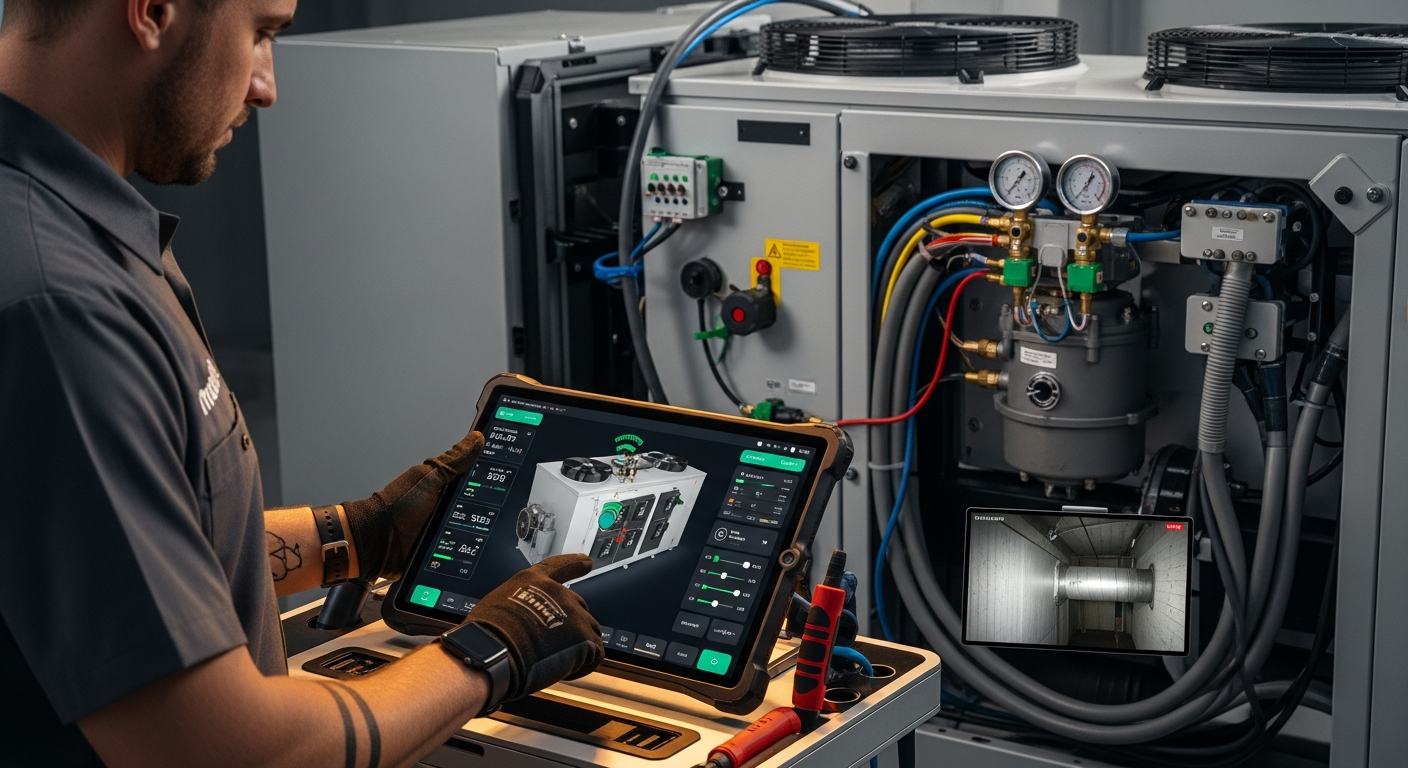
Plant Shade Trees Today, Reap Cooling Savings for Decades
Strategic tree planting is one of the most cost-effective, permanent ways to lower your AC bills. Even a single well-placed tree on the west side of your condenser can cut energy use by 10-30% once mature.
What Matters Most
- Focus on west and east exposures first; south-side trees offer seasonal flexibility.
- Shade the outdoor AC unit but keep 2–3 feet clearance for airflow.
- Call 811 before digging and avoid planting under power lines.
- Fast-growing trees give quicker returns but may need replacement sooner; sturdy hardwoods last longer.
- Track your savings with our Energy Calculator to see the payoff grow.
Strengths
- Permanent reduction in cooling load without ongoing costs.
- Increases property value and outdoor comfort.
- Works in every climate with appropriate species selection.
- Reduces wear on HVAC equipment, potentially extending its life.
- Environmentally friendly carbon sequestration.
Weaknesses
- Long maturity time; full benefits may take 5-15 years.
- Possible root damage to foundations, plumbing, or sidewalks if planted too close.
- Maintenance required to keep leaves and debris out of the AC unit.
- May not be feasible in rented properties or heavily shaded lots.
- Tree removal costs can be high if wrong species or location chosen.
Shade Strategy Decision Summary
| Scenario | Usually Do | Why |
|---|---|---|
| AC unit bakes in afternoon sun | Plant a deciduous tree 8-10 feet west of unit | Lowers air temp around unit, cutting compressor strain |
| West-facing windows cause afternoon overheating | Plant a tall deciduous tree 15-20 feet from windows on west side | Blocks intense low-angle sun, reducing indoor heat gain |
| South-facing windows heat up home even in winter | Plant a broad deciduous tree on south side with high canopy | Provides summer shade but allows winter sun through leafless branches |
| New home in cooling-dominated climate | Integrate shade trees into landscape design immediately | Maturity takes years; early action locks in future savings |
Quick Answer: How Tree Shade Cuts Cooling Costs
Planting deciduous trees on the west and east sides of your home can slash air conditioning bills by 15% to 50% — a proven, low-tech way to boost HVAC efficiency. Shade blocks solar heat before it hits your walls and windows, while the trees’ natural evaporation cools the surrounding air by up to 6°F. The key is smart placement: shade the outdoor condenser unit (with at least 2–3 feet of clearance), block west-facing afternoon sun, and use south-side trees for seasonal control. Start planning now—trees take years to mature, but the payoff lasts decades. Use our Energy Calculator to estimate your potential savings.
How Shade Impacts HVAC Performance
Direct sunlight on your roof and windows is the main cause of indoor heat gain. When your AC unit sits in the baking sun, it has to work harder to dump heat. A shaded condenser can reject heat more efficiently, reducing compressor stress and lowering electricity use. Trees also cool the air through evapotranspiration—releasing water vapor that chills the immediate environment. This means the air your system pulls in is already cooler, so it takes less energy to reach your desired thermostat setting.
Tree Shade Strategy at a Glance
| Scenario | Usually Do | Why |
|---|---|---|
| AC unit in full afternoon sun | Plant a deciduous tree with high canopy 8–10 feet away on west side | Lowers air temp around unit by 5–10°F, cutting runtime by 10–15% |
| Large west-facing windows | Plant tall deciduous trees 15–20 feet from house on west side | Blocks low-angle afternoon sun, dramatically reducing indoor heat gain |
| South-facing windows that overheat in summer | Add a broad-canopy deciduous tree 15–20 feet from house on south side | Summer shade + winter sun when leaves fall |
| New construction or major landscaping | Integrate shade trees now; choose fast-growing but sturdy species | Maturity takes years; early action brings cooling benefits sooner |
Safety Boundaries: What You Can—and Shouldn’t—Do Yourself
Homeowner-Safe Tasks
- Call 811 before you dig – It’s free and marks utility lines to avoid gas, electric, or water line strikes.
- Measure and maintain at least 2–3 feet of clearance around your outdoor AC unit for proper airflow and service access.
- Choose tree species suited to your climate and soil; consult local arborists or extension services.
- Water, mulch, and prune small branches (ground level) to keep trees healthy.
- Clean leaves and debris from around the condenser regularly.
Always Hire a Professional For
- Pruning near power lines or large limbs – serious injury risk.
- Tree removal near structures or overhead wires.
- Diagnosing and treating root damage to foundations, septic systems, or underground utility lines.
- Relocating the outdoor AC unit – this is HVAC pro territory, involving refrigerant and electrical work. Find a vetted contractor via our contractor search.
- Any electrical, gas, or combustion work – never DIY. No exceptions.
Decision Rules: Is a Shade Tree Worth It for You?
Use these concrete thresholds to decide when tree planting makes sense:
- If your AC unit runs almost nonstop on summer afternoons and sits in full sun, a west-side shade tree can cut energy use by 10-30%.
- If your monthly summer electric bill exceeds $200 and your home lacks east/west shade, planting trees could save $30–$100+ per month once mature.
- If you plan to stay in your home 5+ years, the long-term payoff is strong; trees also boost property value.
- If you’re in a hot climate (cooling degree days > 2,000), prioritize fast-growing deciduous trees. In cold climates, stick to south side for passive solar gain in winter.
- If your condenser is already shaded by a fence or structure, ensure at least 2 feet of open air space around it—too much enclosure can trap heat. Instead, focus on shading windows.
Tools to Calculate Your Savings and Plan
Use HVACDatabase.com tools to size up your potential:
- Energy Calculator – Estimate how much shading could reduce your cooling kWh and dollars.
- BTU Calculator – Properly size your AC when shade reduces your cooling load; oversized systems cycle inefficiently.
- Rebate Finder – Some utilities offer rebates for planting shade trees or energy-efficient landscaping. Check your ZIP code.
- Already have mature trees? Plug your actual energy data into our Energy Calculator to quantify the difference.
Contractor Checklist: Hiring a Landscape or Arborist Pro
If you’d rather not DIY the planting, hire smart with these questions:
- Are you licensed, bonded, and insured? Confirm coverage for property damage and worker injuries.
- Will you call 811 to mark underground utilities before work? It’s the law; reputable contractors do this automatically.
- Can you provide a planting plan that considers HVAC clearance and airflow? Demand at least 3 feet from the condenser and strategies to avoid debris buildup.
- What tree species do you recommend for energy savings in my climate? Beware of pushy sales of fast-growing but weak trees like silver maple near structures.
- Do you offer a warranty on tree establishment (typically 1 year)? Healthy planting practices matter.
- Will you show me proper pruning and maintenance after planting? Long-term health keeps savings going.
Local Context: Matching Shade to Your Climate & Home
Hot-Dry Climates (Phoenix, Las Vegas)
Intense sun and high AC use mean every bit of shade pays back fast. Plant desert-adapted trees like mesquite or palo verde on west and south exposures. Keep irrigation lines clear of AC unit to avoid moisture damage.
Humid Climates (Houston, Orlando)
Shade reduces AC strain but can also increase moisture near foundations. Choose trees with high, airy canopies (live oak, crape myrtle) to promote airflow. Ensure gutters direct water away to prevent AC pad erosion.
Cold Climates (Chicago, Boston)
Deciduous trees on the south side are your best friend: they block sun in summer and let it through in winter. Avoid shading morning east windows too much—you want solar gain on crisp mornings. Check out heating and cooling cost comparisons for your region.
Coastal Areas
Salt spray corrodes outdoor coils. Plant salt-tolerant windbreaks (e.g., live oak, wax myrtle) to shield the unit without restricting airflow. Consider corrosion-resistant condenser coatings—ask your HVAC pro.
Older Homes
Mature trees near old foundations can cause root issues. Use root barriers when planting within 20 feet of the house. If roots are already a concern, consult an arborist before adding more trees. Combine shading with air sealing for compounded savings.
Methodology: How We Arrive at These Recommendations
Our editorial team bases guidance on U.S. Department of Energy research (which finds that shading can reduce cooling energy by 15-50%), EPA landscaping best practices, and HVAC industry field data. The savings projections are estimates; actual results depend on local climate, energy rates, tree maturity, and home insulation. Tree cost estimates ($100-$500 installed) reflect typical nursery and planting labor in 2025. Always verify site conditions with a local professional. Where we suggest contractor searches or tools, we link to our vetted database of HVAC and landscaping pros. We do not receive incentives for any vendor recommendations.
Frequently Asked Questions
How much can tree shade really reduce my cooling bill?
Studies show savings of 15% to 50% in hot climates once trees are mature. In Phoenix, a single well-placed tree can cut annual AC electricity use by 10-20%. Use our Energy Calculator to get a customized estimate based on your home.
What are the best trees for shading an AC unit?
Deciduous trees with high canopies and minimal debris are ideal. Options include northern red oak, tulip poplar, or red maple (avoid silver maple near structures). Plant 8-10 feet from the unit, on the west side, with a clear trunk in the unit’s airflow path.
Can planting trees too close damage my HVAC equipment?
Yes. Insufficient clearance (less than 2 feet) can choke airflow, cause leaves and debris to clog the coils, and make servicing difficult. Maintain at least 2-3 feet of open space and clean the unit regularly.
When should I plant shade trees to get cooling benefits quickly?
Plant in fall or early spring to allow root establishment before summer heat. Fast-growing species like hybrid poplar can start providing shade in 3-5 years, though they may have shorter lifespans. For long-term value, pair fast growers with slower, sturdier trees.
Do I need to trim trees around my outdoor AC unit?
Yes, annual pruning keeps branches and leaves from interfering with airflow or falling into the unit. Trim back to maintain the 2-3 foot clearance zone; hire an arborist for anything above head height to avoid injury.
Related articles
Connect this page to adjacent guides so readers keep moving deeper into the topic cluster.

Tips for Choosing a Smart Thermostat for a Heat Pump
Learn which smart thermostat features prevent expensive auxiliary heat mistakes, how to verify compatibility, and when to call a pro.

Understanding C Wire Adapters for Smart Thermostats
Missing the C wire for your smart thermostat? C wire adapters solve power issues without pulling new wiring. Compare types, costs, and installation options.

Best Smart Thermostats for Multi Zone Homes
Discover which smart thermostats deliver accurate zoning, remote sensors, and energy savings for homes with multiple HVAC zones. Our guide helps you pick the right model and avoid costly compatibility mistakes.