York vs Lennox Air Conditioners
York vs Lennox: A practical homeowner's guide comparing upfront cost, SEER2 efficiency, noise levels, parts availability, and long-term value. Find which fits your climate and budget.
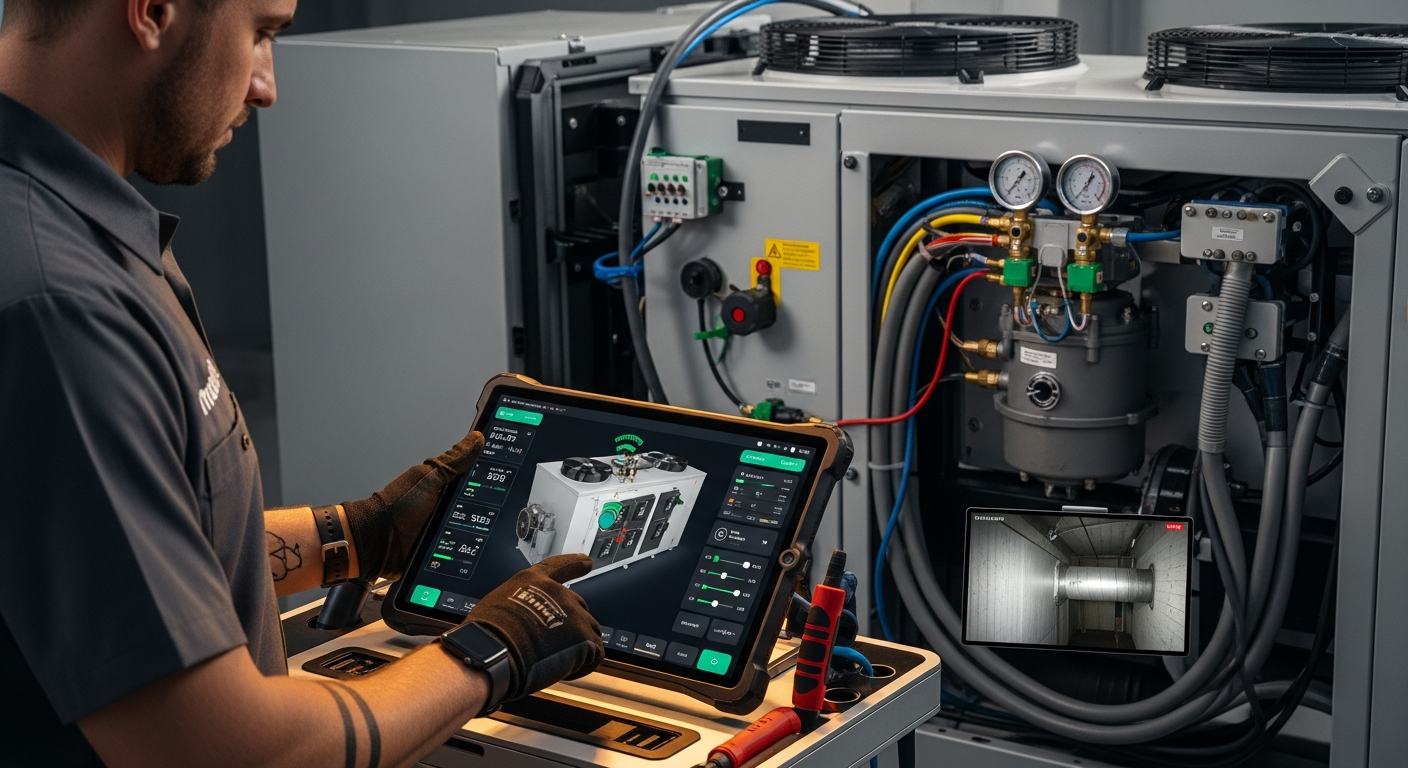
Most homeowners are better served by York unless quiet and extreme efficiency are worth a 30%+ premium
York delivers solid reliability and lower lifetime repair costs for a substantially lower upfront price. Lennox is the specialist’s choice for noise-sensitive locations and long-term energy savings in harsh climates.
What Matters Most
- York costs $4,500–$7,500 installed; Lennox $6,000–$12,000+ for comparable size
- Lennox leads with 28 SEER2 and 56 dB operation; York maxes at 20 SEER2 and 65 dB
- York’s generic parts make repairs faster and cheaper; Lennox proprietary parts can delay service
- The best brand is the one installed by a top-tier contractor – vet them thoroughly
Strengths
- York’s lower initial investment frees budget for duct sealing, insulation, or a better thermostat
- Lennox’s ultra-high SEER can cut cooling bills by 20–40% in hot climates
- York’s wide parts network minimizes downtime, a huge plus in peak summer
Weaknesses
- Lennox’s premium price rarely pays back in moderate climates or short stays
- York’s noise levels, while acceptable, can’t match Lennox’s near-silent operation
- Choosing a low‑SEER York in a brutal climate may erase any initial savings through high bills
Decision Summary
| Scenario | Usually do | Why |
|---|---|---|
| Budget under $7,500 | Choose York LX or Affinity 16 SEER2 | Solid brand, keeps install cost low, still efficient enough for most regions |
| Bedroom or patio near AC | Choose Lennox Signature with SilentComfort | 56 dB is essential for peace; York’s 65 dB may disturb light sleepers |
| Plan to stay 10+ years in hot climate | Choose Lennox Signature 20+ SEER2 | Annual savings add up; payback typically 10–12 years |
| Want lowest lifetime repair risk | Choose York LX or Affinity | Standard parts, lower repair bills, faster service – peace of mind |
| Selling home within 5 years | Choose York LX 14–16 SEER2 | Buyers recognize the brand, you recoup investment; high‑SEER premium is wasted |
Quick Answer
Choose York if you want a dependable, budget-friendly system with widely available parts and standard installation. Choose Lennox if you prioritize maximum efficiency, ultra-quiet operation, and are willing to pay a premium for top performance. The right call depends on your climate, home layout, and how long you plan to stay.
York vs Lennox: At-a-Glance Comparison
| Feature | York (Affinity / LX Series) | Lennox (Signature / Elite Series) |
|---|---|---|
| SEER2 Range | Up to 20 SEER2 | Up to 28 SEER2 |
| Noise Level | As low as 65 dB | As low as 56 dB (SilentComfort) |
| Average Installed Cost (3‑ton)1 | $4,500 – $7,500 | $6,000 – $12,000+ |
| Parts Availability | Widely available, many generic options | Proprietary parts; longer lead times possible |
| Typical Repair Cost (non‑refrigerant) | $150 – $650 | $200 – $800 (proprietary parts can raise cost) |
| Warranty (registered) | 10‑year compressor, 10‑year parts | 10‑year compressor, 10‑year parts; optional extended |
1 Editorial estimates based on HVACDatabase aggregated data. Actual prices vary by region, system size, ductwork needs, and contractor rates. Use our HVAC Cost Estimator for a personalized range.
Decision Rules: Which Brand Fits Your Situation?
- Stay in home <5 years: A mid‑range York (14–16 SEER2) offers the best return; the premium Lennox price won’t pay back in time.
- Stay >10 years: A high‑SEER Lennox (20+ SEER2) can slash utility bills enough to offset the initial premium in hot climates.
- Bedrooms or patio near outdoor unit: Lennox SilentComfort models (56 dB) are nearly whisper‑quiet; York’s QuietDrive still audible but not intrusive.
- Worried about future repairs: York’s generic‑friendly design means faster, cheaper fixes. Lennox needs proprietary parts that may delay repairs.
- Extreme hot/humid climate: The extra SEER on Lennox can save $200–$400/year; check Repair or Replace Calculator to model savings.
- Tight budget but want brand name: York delivers solid performance at $1,500–$4,000 less than equivalent Lennox.
Efficiency and Utility Bills
Higher SEER2 means lower monthly bills. Lennox pushes efficiency to 28 SEER2 with their Signature series; York tops out at 20 SEER2. In moderate climates, the bill difference may be negligible – a 16 SEER2 York can keep costs in check. For homes in the Sun Belt or humid Southeast, every SEER point counts; here, Lennox often pays for itself over 10–12 years.
SEER2 Ranges You’ll Encounter
- York LX Series: 14–17 SEER2 – solid, affordable.
- York Affinity Series: Up to 20 SEER2 – premium efficiency, still at a value price.
- Lennox Elite Series: 16–20 SEER2 – strong mid‑tier.
- Lennox Signature Series: 20–28 SEER2 – industry leaders.
Noise Levels and Comfort
Lennox invests heavily in sound reduction: insulated compressor blanket, swept‑wing fan blades, and variable‑speed compressors. The result is as low as 56 dB – quieter than a normal conversation. York’s QuietDrive system brings noise down to about 65 dB, acceptable for most yards but still noticeable if the unit is near a window. If outdoor peace is critical for your patio or nursery, Lennox justifies its premium.
Parts Availability and Repair Costs
York uses industry‑standard components, meaning any licensed HVAC technician can source parts quickly from multiple distributors. Repairs average $150–$650 for common fixes. Lennox builds many proprietary controls and coils; if a board fails during a heat wave, you may wait days for a factory‑shipped part, and the repair can run $200–$800 due to part cost. For older Lennox units, some parts are discontinued, forcing expensive retrofits. If long‑term service simplicity matters, York has the edge.
Investment and Payback
York 3‑ton systems typically install for $4,500–$7,500; Lennox for $6,000–$12,000+. The gap narrows when comparing top‑end York vs. mid‑tier Lennox. To estimate your actual price, use our HVAC Cost Estimator. If you plan to sell within 5 years, the lower cost of York boosts your return. For a forever home, Lennox’s energy savings can add up: in a 2,000 ft² Phoenix home, upgrading from 16 to 22 SEER2 might save $250/year, breaking even in about 10–12 years. Run the numbers with the Repair or Replace Calculator.
Safety Boundaries: What Homeowners Can (and Cannot) Do
Safe homeowner checks:
- Replace or clean air filters monthly during heavy use. How to replace an AC air filter
- Keep outdoor unit clear of debris, leaves, and 2‑foot clearance. How to clean your AC condenser coils
- Verify thermostat settings and circuit breaker positions.
- Inspect condensate drain for clogs and flush with vinegar. How to clean your AC condensate drain pan
Always call a licensed pro for:
- Refrigerant handling, leak searches, or recharging.
- Compressor, capacitor, contactor, or control‑board diagnostics/replacement.
- Any work involving gas lines, high‑voltage wiring, or combustion components.
- Opening the sealed refrigeration circuit.
Tools to Help You Decide
- HVAC Cost Estimator – Get a realistic installed price range for your zip code.
- Repair or Replace Calculator – See if upgrading beats repairing your old unit.
- BTU Calculator – Right‑size your system; oversizing kills efficiency.
- Rebate Finder – Local utility incentives can narrow the York‑Lennox price gap.
- Find a local contractor – Search our vetted directory of pros certified for York and Lennox.
Contractor Interview Checklist
Before approving a York or Lennox installation, ask every bidder:
- Are you factory‑trained and authorized for this brand? (Verify on the manufacturer’s website.)
- Will you perform a Manual J load calculation? (Never trust a rule‑of‑thumb size guess.)
- What SEER2 model are you quoting, and can I see the AHRI certificate?
- Does the quote include a new thermostat, disconnect box, whip, and pad?
- How do you handle refrigerant transitions for older homes – will you replace the line set?
- What are your labor warranty terms? (Ask for 1‑year minimum.)
- Can you provide 3 recent local references for same‑brand installs?
- Do you pull permits and handle local inspections?
Use our Contractor Comparison Tool to weigh quotes side‑by‑side.
Climate and Region Considerations
- Hot, dry climates (Phoenix, Las Vegas): High SEER Lennox pays off; also look for thermal‑protected components. Find Phoenix AC contractors
- Humid Southeast (Houston, Miami): Variable‑speed compressors (available in both brands’ premium lines) improve dehumidification. Check latent capacity ratings.
- Cold northern regions (Chicago, Minneapolis): If pairing with a furnace, ensure AHRI match; York’s Affinity and Lennox Elite both have cold‑climate heat pump options.
- Coastal/ salt air (Tampa, Long Island): Look for factory‑coated “seaside” coils; Lennox offers optional coatings, York’s Affinity includes MicroChannel coils that resist corrosion better.
- Older homes: Ensure the electrical panel can handle the new unit’s amp draw; a System Age Decoder can help you assess existing equipment.
Frequently Asked Questions
Which brand is more reliable, York or Lennox?
Both have similar reliability when installed correctly. Industry surveys show Lennox with slightly fewer compressor failures, but York’s simpler design leads to more predictable repair costs. The installer’s quality matters more than the badge.
How much more does a Lennox AC cost than York?
For comparable SEER2 ratings, Lennox typically costs $1,500–$3,000 more installed. At the high end, a 28 SEER2 Lennox can be $4,000+ more than a 20 SEER2 York. Use our Cost Estimator for local pricing.
Are Lennox proprietary parts really a problem?
They can be. During peak cooling season, a proprietary control board might take 3–7 days to arrive, leaving you without AC. York’s off‑the‑shelf parts are often in the technician’s truck. Factor this into your peace‑of‑mind calculation.
Can I mix a York condenser with a Lennox coil or furnace?
Not recommended. It voids warranties and efficiency. AHRI‑matched systems are required for rebates and proper performance. Insist on a matched system from one brand.
Which brand is quieter?
Lennox is the clear winner – their SilentComfort models hit 56 dB, while York’s best is around 65 dB. A difference of 9 dB is perceived as roughly half the loudness. For units near living spaces, the extra cost of Lennox may be worth it.
Methodology
This comparison is built from HVACDatabase’s aggregated data: contractor submitted quotes, manufacturer specification sheets, and public repair‑cost reports. Installed cost ranges are editorial estimates reflecting national averages for a standard 3‑ton replacement with existing ductwork. Actual prices depend on region, home specifics, seasonal demand, and contractor overhead. Efficiency and noise data come from AHRI‑certified ratings and brand‑published literature. Always verify with a local professional and obtain at least three quotes using our Contractor Search.
Related articles
Connect this page to adjacent guides so readers keep moving deeper into the topic cluster.
Electrostatic vs Pleated HVAC Filters
Electrostatic filters are washable and budget-friendly over time, but pleated filters catch more allergens. See which fits your home's air quality and HVAC demands.

Supply vs Exhaust Ventilation Systems
Discover whether a supply or exhaust ventilation system suits your home’s climate, budget, and air quality goals. Our guide includes cost ranges, safety tips, and pro checklists.
Smart Thermostat vs Smart Vent System
Homeowners often ask: smart thermostat or smart vents? Our practical guide explains the core trade-offs, safety limits, and a clear decision path to avoid wasting money or harming your system.