AC Mistakes That Increase Your Energy Bill
Top AC mistakes that inflate your energy bill and how to fix them. From filter neglect to thermostat abuse, get actionable advice to cut cooling costs.
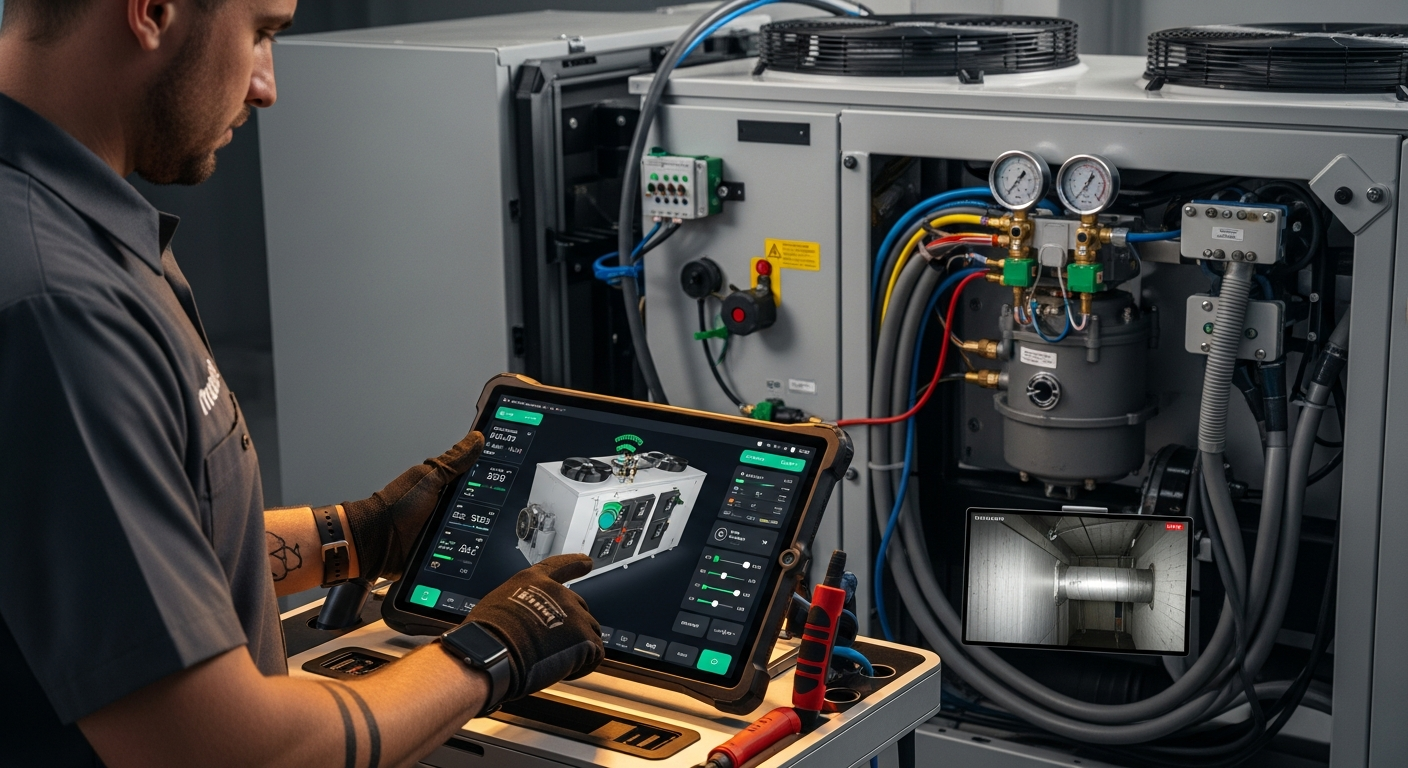
Your air conditioner fights heat daily, but simple habits could be wasting up to 30% of your cooling budget. From filter neglect to thermostat myths, these mistakes strain equipment, slash comfort, and send bills soaring. Whether you’re in a muggy Gulf Coast summer or a dry Arizona heatwave, a few adjustments can turn your AC from a money pit into an efficient powerhouse. Read on for the top errors and fixes that pay for themselves quickly.
Quick Answer: Stop These Energy-Draining AC Mistakes
- Check (and replace) your air filter monthly; a clogged filter hikes consumption 5–15%.
- Set thermostat to 78°F when home, not 60°F; ACs cool at one speed, and a lower setting only runs longer.
- Keep blinds closed on sunny windows; solar gain can add up to 30% more load.
- Schedule annual maintenance—systems lose up to 15% efficiency per year without it.
- Don’t close vents in unused rooms; it creates duct pressure that causes leaks and motor strain.
- Manage humidity with right-sized gear; an oversized AC cools fast but leaves clammy air.
- Replace aging units (12+ years) if repairs exceed $1,500 or SEER is below 13.
Table: What Each Mistake Costs You
| Mistake | Immediate Impact | Long-Term Risk | Recommended Action |
|---|---|---|---|
| Dirty air filter | Longer run times, 5–15% higher bill | Compressor stress, frozen coil | Check monthly; replace when gray or every 90 days |
| Thermostat set too low | Overshoots comfort, wastes energy | Excess cycling wear | Set 78°F; use a programmable schedule |
| Skipping maintenance | Reduced efficiency each season | Premature failure, expensive repairs | Annual tune-up ($80–$250) |
| Uncovered sun-facing windows | Up to 30% extra load | Constant short-cycling, humidity issues | Close blinds or install solar film |
| Blocked/closed vents | Pressure imbalance, 20%+ leakage | Motor burnout, uneven temps | Keep all supply and return vents open |
| Old, inefficient unit | High electric bills, frequent repairs | Total breakdown during extreme weather | Use our Repair or Replace Calculator if age >12 |
Safety Boundaries: What You Can Tackle and What You Must Leave to a Pro
Many AC tasks are safe for homeowners, but some carry risk of injury, property damage, or voiding warranties. Know the line.
✅ Safe Homeowner Checks
- Replace air filters (see our guide).
- Clear debris, leaves, and vegetation from around the outdoor unit—2 feet of clearance is ideal.
- Check that supply and return vents are unblocked and open.
- Test thermostat batteries and program settings.
- Pour a cup of vinegar down the condensate drain to prevent clogs (check our drain pan cleaning tips).
- Inspect ductwork in accessible areas for obvious disconnects or kinks (do not tape yourself; note for pro).
⚠️ Professional-Only Work (Never DIY)
These tasks involve high voltage, pressurized refrigerant, or gas, and require specialized tools and licensing. DIY can be deadly and illegal.
- Adding or checking refrigerant levels.
- Repairing or replacing compressors, capacitors, contactors, or control boards.
- Cleaning indoor evaporator coils deeply (removing case panels).
- Servicing gas furnace components (for packaged units).
- Brazing or soldering refrigeration lines.
- Diagnosing electrical wiring or circuit issues.
If your system trips a breaker, smells like burning, makes loud grinding noises, or doesn’t cool after basic checks, find a vetted technician through HVACDatabase.com/search.
Decision Rules: When to Fix vs. Replace
Use these benchmarks to avoid pouring money into a dying system.
- Age over 12 years and one major repair: If a repair exceeds $1,500 and the unit is past its typical lifespan, replacement is often smarter. Check with our Repair or Replace Calculator.
- SEER below 13: Current minimum efficiency is 14 SEER in the South, 13 in the North. A unit with SEER 10 or less can cut energy costs 30–50% by upgrading.
- Frequent breakdowns: Two or more repairs in a cooling season signal systemic decline.
- R-22 refrigerant: If your system uses R-22 (phased out), a leak means expensive refill or mandatory upgrade. Replacement is usually best.
- Uneven cooling or humidity: Persistent problems after ductwork inspection may mean the system is mismatched; a proper load calculation justifies a new unit.
Contractor Checklist: 8 Questions to Ask Before You Approve Any Work
Hiring the right pro prevents mistakes and ensures you get efficient, code-compliant service.
- Are you licensed, bonded, and insured in my state? — Ask for license number and verify online.
- Will you perform a Manual J load calculation? — Rule-of-thumb sizing often leads to oversized units.
- Can you measure static pressure and duct leakage? — Duct leaks waste up to 30% of conditioned air.
- Do you offer annual service plans? — Plans with cleaning and priority service cost $150–$500/year.
- Is your quote itemized with equipment model numbers? — Avoid lump-sum bids without specifics.
- How do you determine the correct refrigerant charge? — Right answer: superheat/subcooling method, not just gauges.
- What rebates or tax credits apply to my installation? — Use our Rebate Finder to verify.
- What warranty do you provide on labor and parts? — Look for minimum 1-year labor warranty.
Climate-Specific Adjustments
Your location dictates which mistakes hit hardest and which fixes matter most.
- Hot & Humid (Southeast, Gulf Coast): Oversizing is enemy #1. A unit that short-cycles leaves humidity high, encouraging mold. Demand a right-sized system with a thermostat that controls humidity (e.g., a dehumidify mode). Keep windows sealed; infiltration spikes latent load.
- Hot & Dry (Southwest, Arizona): Sun gain is brutal. Reflective window film, awnings, and outdoor unit shade (while maintaining airflow clearance) reduce head pressure. Consider a variable-speed unit that can run at low speed for long cycles to better dehumidify what little moisture there is.
- Mild Coastal (California, Pacific NW): Salt air corrodes coils. Wash outdoor coils with approved cleaners annually and inspect for fin damage. Smart thermostats that use “free cooling” (bringing in cool night air) can slash AC runtime.
- Cold Climates (Upper Midwest, Northeast): AC sits idle 8+ months. Winterize properly: cover outdoor unit (with breathable cover) after cleaning; switch off power at breaker. In spring, have a tune-up before first use to catch frozen or seized parts.
- Older Homes (pre-1980, any region): Ducts may be undersized, leaky, or uninsulated. Even a new high-SEER AC can’t overcome bad ducts. Ask contractor to assess entire distribution system. Prioritize sealing and insulation before upsizing equipment.
Tools & Calculators to Pinpoint Savings
Estimate your current spending and potential cuts with these free HVACDatabase resources:
- Energy Calculator: See how efficiency upgrades affect your bill.
- Repair vs. Replace Calculator: Crunch the numbers for your system’s age and conditions.
- HVAC Cost Estimator: Get price ranges for common repairs and new installations.
- BTU Calculator: Approximate the cooling capacity your home truly needs.
- System Age Decoder: Read your unit’s serial number to confirm age.
Methodology: How We Form These Recommendations
Our guidance draws from:
- U.S. Department of Energy (DOE) data on typical HVAC energy losses and savings.
- ASHRAE standards for ventilation, load calculations, and comfort.
- Manufacturer maintenance guidelines (e.g., Carrier, Trane, Lennox).
- Contractor interviews and field reports aggregated in HVACDatabase’s national network.
- Actual homeowner utility bill analyses showing improvement after implementing these steps.
Cost ranges cited are editorial estimates based on regional averages, not guaranteed quotes. Labor rates and part prices vary widely; always get multiple quotes from vetted contractors through our comparison tool.
Frequently Asked Questions
How often should I really change my AC filter?
Check monthly, replace at least every 90 days. If you have pets, allergies, or run the AC constantly, change every 30–45 days. A thicker filter (MERV 8–13) improves air quality but may need more frequent changes if it loads up quickly.
Can leaving the AC on all day save more than turning it off?
No. It’s more efficient to let the temperature rise when you’re away and cool down upon return, especially with a programmable thermostat. The idea that “it works harder to cool a hot house” is false; steady-state operation still consumes energy continuously. Setback saves 5–15%.
What temperature should I set my thermostat in summer?
78°F is the DOE-recommended balance of comfort and efficiency when you’re home and awake. Raise it 7–10°F when you’re away for 8+ hours to maximize savings. Pair with ceiling fans to feel cooler at higher temps.
Is closing vents in unused rooms a good idea?
No. It raises duct static pressure, causing leak points and forcing the blower to work against resistance. This can overheat the motor and imbalance the home. If some rooms are consistently unused, have a pro adjust zone dampers or consider a mini-split for those areas.
Do I really need annual AC maintenance if it’s cooling fine?
Yes. Maintenance catches small issues before they cause breakdowns. A dirty condenser can increase energy use 15%, and a low refrigerant charge (often unnoticed) can destroy a compressor over time. Annual checks typically cost $80–$250, while a compressor replacement runs $1,500–$4,000+.
Related articles
Explore related maintenance, equipment, and hiring questions.

Nest Learning Thermostat (4th gen) vs ecobee Premium
Both models offer remote room sensors. Compare the exact generation, wiring compatibility, controls, and installed quote before choosing.

MERV 11 vs MERV 13: check filtration and equipment compatibility
Compare particle filtration, verify the filter your equipment supports, and use a buying checklist without assuming a universal health or energy saving.

How to check an HVAC contractor before hiring
Use a documented shortlist: business identity, applicable credentials, job experience, a written scope, and a clear handover.