AC Tips for Homes With Multiple Pets
Multi-pet homes demand specialized AC care. Learn how to reduce dander, odors, and system strain with targeted filter changes, grooming routines, and professional maintenance.
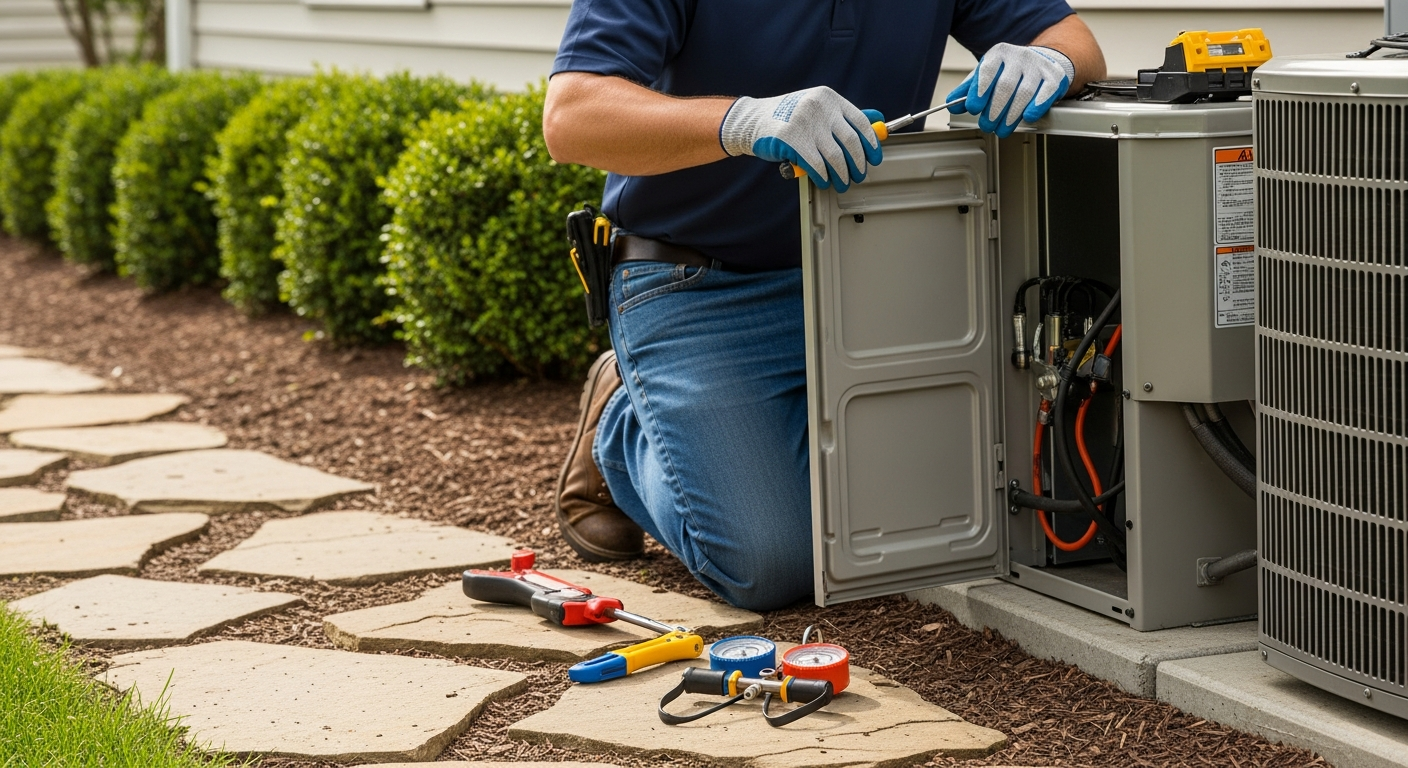
Quick Answer: Keep Your AC Running Smoothly with Multiple Pets
- Check your air filter every 30 days; replace if you see a layer of fur or dust.
- Use a pleated filter with a MERV rating between 8 and 11.
- Brush pets daily and vacuum with a HEPA-filter vacuum at least twice a week.
- Install a barrier around the outdoor condenser to prevent urine corrosion; keep 2 feet of clearance.
- Schedule professional tune-ups twice a year; ask for coil and blower cleaning specifically.
Homes with multiple cats or dogs produce significantly more hair, dander, and dust than average. Without adjustments, your air conditioner can lose 10–15% efficiency within months and odors can become embedded in ductwork. This guide gives you a practical, step-by-step plan to protect your system, improve comfort, and avoid unnecessary repair bills.
Filter Strategy: The Heart of Pet-Proofing Your AC
In a multi-pet home, the air filter is your first and most important defense. A clogged filter can cause a 15% increase in energy use and lead to frozen evaporator coils. Use this table to choose and maintain the right filter:
| Filter Type | MERV Rating | Change Frequency (Pets) | Pros & Cons |
|---|---|---|---|
| Basic fiberglass | 1–4 | Every 30 days | Low cost but captures almost no dander; not recommended for pet homes. |
| Pleated | 8–11 | Every 30–45 days | Good balance of airflow and particle capture; check monthly. |
| High‑efficiency (HEPA‑type) | 13+ | Check every 30 days; may last 45–60 | Excellent for allergens and odors; can restrict airflow in older systems—consult a pro before upgrading. |
For detailed filter replacement steps, see our guide: How to Replace an AC Air Filter.
Grooming & Cleaning: Reduce the Source
The less hair that enters your HVAC system, the less stress it faces. Adopt these habits:
- Brush pets daily to capture loose fur before it becomes airborne.
- Bathe pets regularly to reduce dander—check with your vet for recommended frequency.
- Vacuum carpets and rugs at least twice a week using a HEPA-filter vacuum.
- Wipe down hard floors and baseboards to prevent hair from being pulled into return vents.
Protect Your Outdoor Condenser
Dog urine is highly acidic and can corrode the aluminum fins on your condenser coil. To prevent damage:
- Install a small decorative fence or barrier with at least 2 feet of clearance on all sides.
- Check the unit regularly for debris, leaves, or pet hair stuck in the fins.
- Learn safe cleaning techniques: How to Clean Your AC Condenser Coils (water-only method is safe for homeowners).
Ductwork & Odor Control
Pet dander and hair can settle deep in air ducts, leading to persistent smells and even biological growth when moisture is present. If you notice a musty odor:
- First, inspect your condensate drain pan for standing water or algae—a common source of smells. Try our guide: How to Clean Your AC Condensate Drain Pan.
- If the drain is clear, consider professional duct cleaning. In humid climates, this is especially important; Florida and Gulf Coast homes may need cleaning every 2–3 years.
Safety Boundaries: What Homeowners Can (and Cannot) Do
- Safe to do yourself: Replace air filters, vacuum return grilles, clear debris from around the outdoor unit, pour white vinegar down the condensate drain line, visually inspect duct openings, brush pets and clean floors.
- Leave to a professional: Any work involving refrigerant, gas lines, electrical components (capacitors, contactors, control boards), opening the sealed compressor, or cleaning the evaporator coil with chemicals. Aluminum fins can be sharp; coil cleaning should be done with water only unless a tech uses approved cleaners.
When to Act: Homeowner Decision Rules
Use these concrete thresholds to decide your next step:
- Filter: Check every 30 days. If you can’t see light through it or it feels heavy with fur, replace immediately.
- Musty odor: First, check the condensate drain pan. If it’s clean and odor persists, hire a professional for a duct inspection.
- AC runs constantly but house isn’t cooling: Replace the filter. If no improvement, call a pro—low refrigerant or dirty coils may be the cause.
- Ice on indoor coil or outdoor pipes: Turn off the AC and call a technician immediately. This often signals airflow blockage or a refrigerant leak.
- Outdoor condenser fins corroded or bent: Hire a pro for coil cleaning or repair. Do not attempt to comb fins yourself without experience.
Use HVACDatabase Tools to Estimate Costs
Before calling a contractor, get a ballpark figure with our HVAC cost estimator. For major repairs, compare the cost of a fix versus replacement using the Repair or Replace Calculator. Also, check for available rebates with our Rebate Finder—upgrading to a more efficient system can offset pet-related wear and tear.
Contractor Questions Before You Book
Print this list and ask before hiring:
- Are you licensed and insured in my state? (Ask for license number.)
- Do you have experience with homes that have multiple pets—specifically cleaning hair‑clogged coils and blowers?
- Will you inspect and clean the evaporator coil, blower wheel, and condensate drain as part of the tune‑up?
- Do you offer a maintenance agreement that includes filter delivery or reminders?
- What’s the cost breakdown for a diagnostic visit, routine cleaning, and any parts that commonly fail from pet dander?
- Can you provide written estimates before starting work?
To find vetted local contractors, use our HVAC contractor search.
Climate-Specific Advice
- Hot, dry climates (e.g., Phoenix, Las Vegas): Dust and pet hair combine quickly. Check filters every 3 weeks and protect the outdoor unit from direct sun and dust. Local example: Phoenix AC contractors.
- Humid climates (e.g., Houston, Atlanta, Miami): Dander becomes sticky, promoting mildew on coils. Consider a UV light or whole‑home dehumidifier. Condensate drains clog faster—pour vinegar monthly.
- Cold climates (e.g., Chicago, Boston): Pets bring in salt and moisture; protect outdoor condenser from snow cover and animal nesting. Schedule a fall tune‑up before heating season. See Chicago heating contractors.
- Older homes: Leaky ducts can suck in attic dust and pet hair. Have ductwork inspected and sealed by a pro.
Methodology: How We Form Our Recommendations
This guide draws on HVAC industry standards (ACCA, ASHRAE), manufacturer guidelines, and aggregated service data from thousands of technician reports. Cost ranges—such as diagnostic visits ($80–$200), standard maintenance visits ($80–$250), or common repairs ($150–$650 for minor electrical, $500–$1,500 for refrigerant work, $1,500–$4,000+ for compressor/coil)—are editorial estimates based on national averages and regional multipliers. Actual prices vary by location, system size, brand, access, and urgency. Always get multiple quotes.
Frequently Asked Questions
How often should I change my AC filter with two dogs?
For two or more medium‑sized dogs, check the filter every 30 days. If you see a visible layer of fur or dust, replace it. A pleated MERV 8–11 filter typically lasts 30–45 days in multi‑pet homes.
Can pet hair really cause an AC breakdown?
Yes. Hair and dander accumulate on the evaporator coil and blower motor, reducing airflow and causing the system to overwork. This can lead to frozen coils, compressor strain, and premature failure.
Will a higher MERV filter eliminate pet odors?
A MERV 13+ filter captures more odor‑causing particles, but it won’t eliminate smells entirely. For persistent odors, combine a high‑efficiency filter with source control (frequent cleaning) and consider a UV light or duct cleaning.
Should I get duct cleaning if I have pets?
If you notice musty smells, visible dust blowing from vents, or allergy symptoms that correlate with AC use, professional duct cleaning is worth considering. In humid or coastal regions, every 2–3 years is common for pet‑heavy homes.
Does pet urine damage outdoor AC units?
Yes. Dog urine is acidic and will corrode the aluminum fins and coil, reducing efficiency and eventually causing leaks. A physical barrier is the best prevention.
Contractor Checklist
Before approving HVAC work, ask for a written scope rather than a one-line price.
- What failed, and what evidence did the technician use to diagnose it?
- Is the part or system still under manufacturer, labor, home warranty, or installer warranty?
- Does the price include diagnosis, parts, labor, taxes, disposal, permits, and return visits?
- Will any refrigerant, gas, combustion, electrical, or code-related work be handled by a qualified technician?
- For replacement quotes, did the contractor verify sizing, duct condition, electrical capacity, drain routing, and warranty registration?
- What happens if the repair does not solve the problem?
Related articles
Explore related maintenance, equipment, and hiring questions.

Nest Learning Thermostat (4th gen) vs ecobee Premium
Both models offer remote room sensors. Compare the exact generation, wiring compatibility, controls, and installed quote before choosing.

MERV 11 vs MERV 13: check filtration and equipment compatibility
Compare particle filtration, verify the filter your equipment supports, and use a buying checklist without assuming a universal health or energy saving.

How to check an HVAC contractor before hiring
Use a documented shortlist: business identity, applicable credentials, job experience, a written scope, and a clear handover.