AC Tips for Multi-Zone Homes
Maximize your multi-zone AC's efficiency with these practical tips on temperature differentials, airflow management, and professional maintenance. Avoid common mistakes that lead to high bills and uneven cooling.
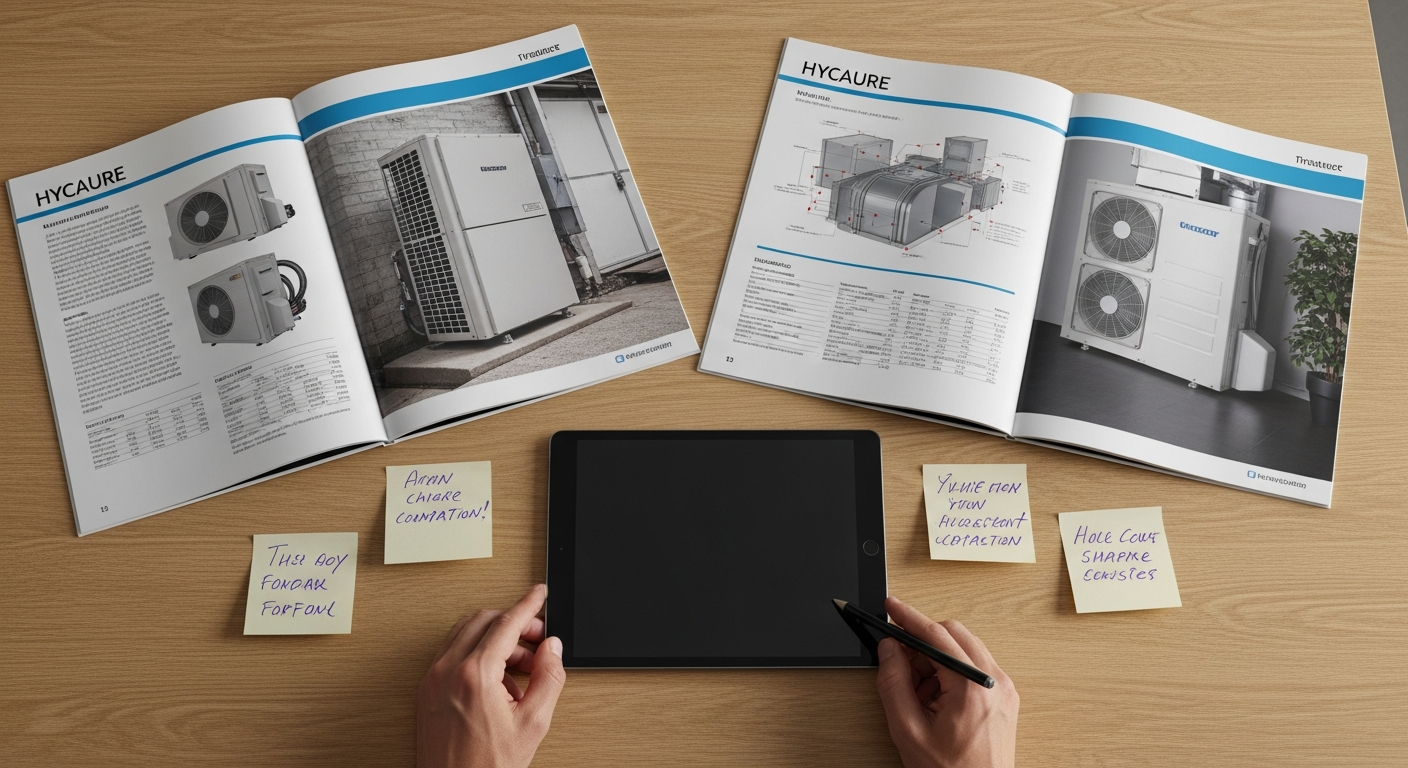
Your Multi-Zone AC Must Be Treated as a System, Not a Collection of Rooms
The most effective way to run a multi-zone home is to minimize temperature gaps between zones, maintain adequate overall airflow, and invest in annual professional calibration. Erratic settings lead to higher bills and premature equipment failure.
What Matters Most
- Keep temperature spread between zones to 3–5°F for steady, efficient operation.
- Never close more than 25% of dampers at once to protect your blower and coil.
- Schedule annual pro maintenance to catch damper failures before they ruin comfort.
- Use HVACDatabase calculators to estimate repair costs and compare quotes before committing.
Strengths
- Reduces energy waste by avoiding thermal fighting between zones.
- Prolongs equipment life by keeping static pressure in safe ranges.
- Empowers homeowners to diagnose simple issues before calling a pro.
- Combines editorial expertise with real-time cost data for budgeting.
Weaknesses
- Requires discipline to avoid frequent manual overrides, which undermine schedules.
- Initial cost of zoned installation or smart thermostat integration can be high.
- Not all HVAC contractors are proficient in zoned diagnostics; vetting is essential.
- Older ductwork may need retrofitting to support zoning without excessive leakage.
Decision Summary
| Scenario | Usually do | Why |
|---|---|---|
| Retrofitting zoning onto existing ductwork | Upgrade to variable-speed blower and install bypass damper | Prevents high static pressure and ensures even airflow across all zones |
| Adding a room (sunroom, bonus room) | Install a ductless mini-split zone | Avoids overloading central system and provides independent control |
| Upstairs always 5°F warmer than downstairs | Add a second zone with a motorized damper | Directly addresses stack effect and different load requirements |
| Two zones have dramatically different usage (guest suite rarely used) | Set that zone to a wide setback (10°F) but don't fully close damper | Saves energy without causing stagnant air and pressure problems |
Quick Answer
To optimize a multi-zone AC, keep thermostat differences between neighboring zones within 3–5°F, never close more than 25% of dampers at once, and schedule annual professional maintenance. Upgrade to a two-stage or variable-speed compressor if your current unit short-cycles. Use our cost estimator to budget for zoning upgrades.
Understanding Your Multi-Zone System
Multi-zone cooling can be achieved through ducted systems (one central unit with motorized dampers that open or close to direct airflow) or ductless mini-splits (multiple indoor air handlers connected to a single outdoor unit). Ducted zoning is common in homes with existing ductwork, while ductless is ideal for additions or homes without ducts. Both allow room-by-room temperature control, but the maintenance and operation priorities differ.
Smart Temperature Settings That Save Money
The biggest efficiency mistake in zoned homes is setting wildly different temperatures across zones. If your upstairs is set to 70°F and the main floor to 78°F, the system works harder to fight heat transfer through floors and walls. Limit the spread to 3–5°F between adjacent zones. Program smart thermostats to gradually adjust setpoints: cool the bedrooms before bedtime while letting the living areas rise a few degrees, then reverse in the morning. This reduces compressor runtime and smooths peak demand.
Airflow Management: The Damper Rules
In ducted zoned systems, dampers control airflow. Closing dampers in unused rooms may seem smart, but it increases static pressure. Excess pressure strains the blower motor, can cause duct leaks, and may freeze the evaporator coil. A safe rule: keep at least 75% of your total zone capacity open at all times. If you need to shut off more than one zone, consider a bypass damper or upgrade to a variable-speed blower – discuss these options with a qualified contractor using our contractor comparison tool.
Symptom of high static pressure: whistling from vents, frequent filter clogging, or the system shutting down on high-limit safety. If you suspect this, ask a technician to measure static pressure during a maintenance visit (typical diagnostic visit: $80–$200).
Maintenance That Prevents Costly Repairs
Multi-zone systems have more moving parts than single-zone: dampers, actuators, multiple coils, and often more wiring. Neglected maintenance leads to uneven cooling and water damage. Do this yourself:
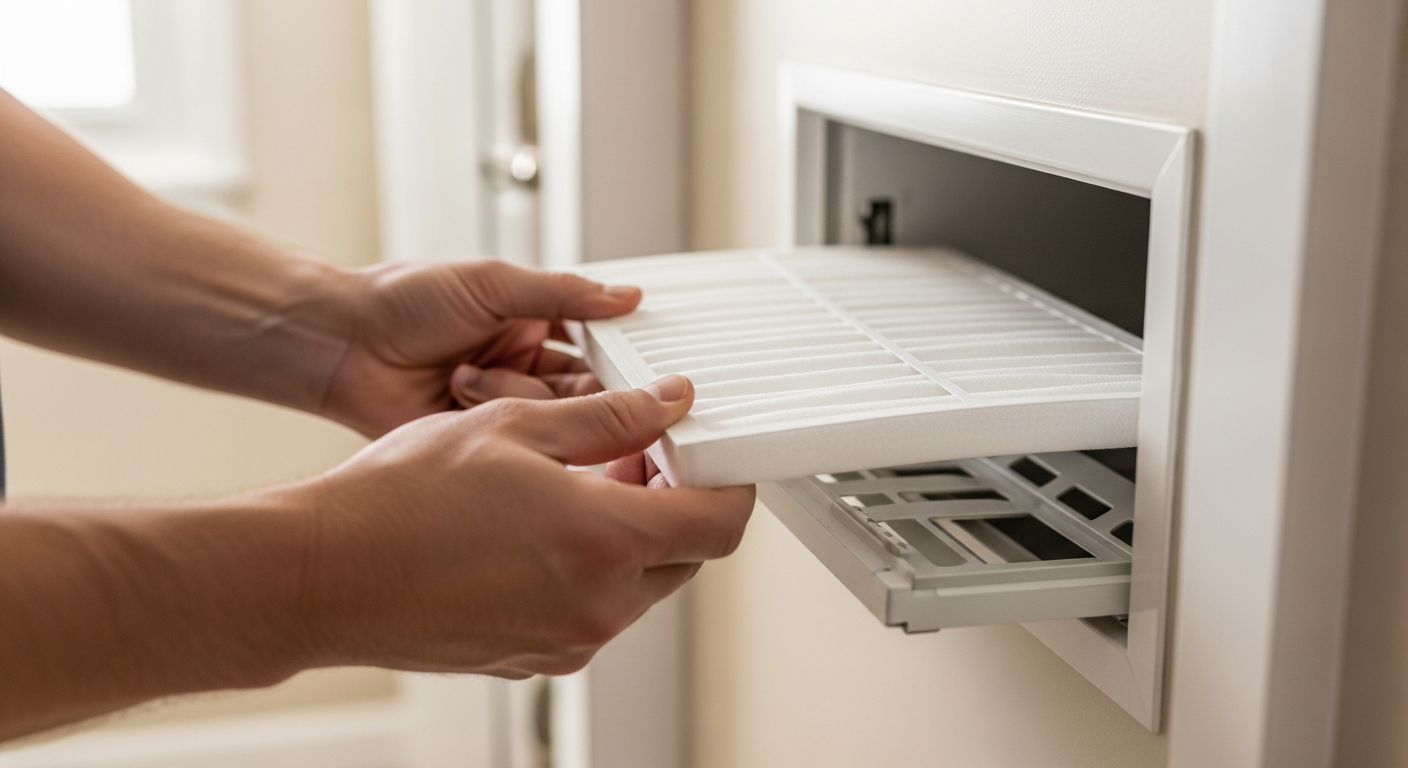
- Check and replace air filters monthly during heavy-use seasons (guide).
- Inspect indoor units for water drips or standing water in drain pans.
- Keep outdoor condensers clear of debris and vegetation (clean coils safely).
Schedule a professional tune-up annually, ideally in spring. A standard maintenance visit costs $80–$250 and should include damper calibration, refrigerant check, condensate drain cleaning, and electrical inspection. Annual plans ($150–$500) often cover two visits and offer repair discounts.
What’s Safe for Homeowners (and What’s Not)
Homeowner Safety Checks
- Replace filters and clean accessible drain pan ports.
- Verify all vents and returns are unobstructed.
- Confirm thermostat schedules are correct.
- Listen for unusual noises (grinding, rattling).
- Look for ice on refrigerant lines – if seen, turn off the system and call a pro.
Leave These to a Licensed Pro
- Refrigerant handling, charging, or leak repair.
- Damper motor or actuator replacement.
- Control board or zoning panel diagnostics.
- High-voltage electrical work (compressor, capacitor, contactor).
- Modifying ductwork or installing bypass dampers.
Never attempt to force a stuck damper open or closed yourself – internal gears can strip, and you may disrupt system air balance. If you need emergency service, find a 24/7 contractor through HVACDatabase.
When to Repair vs. Replace Your Multi-Zone AC
| Symptom | First Step | Likely Issue | Editorial Cost Estimate |
|---|---|---|---|
| One zone not cooling, others fine | Check thermostat and vents | Stuck damper, bad actuator, or refrigerant issue in that zone | $200–$600 if damper; $500–$1,500 if refrigerant |
| System short-cycling (frequent on/off) | Replace clogged filter, check setpoints | Oversized unit for small zone calling, low refrigerant, or failing bypass | $150–$2,000+ depending on cause |
| All zones warm at same time | Check air filter and outdoor unit | Compressor failure, major refrigerant leak | $1,500–$4,000+ for compressor; replacement may be smarter over 12 years old |
| Water leaking from ceiling | Shut off system, clean drain line | Clogged primary drain, cracked pan | $100–$500 if drain cleaning; $500–$2,500 for pan replacement or ceiling repair |
All cost ranges are editorial estimates based on HVACDatabase community data. Actual prices vary by region, equipment type, and urgency. Use the repair or replace calculator for a personalized recommendation.
Decision Tree for Uneven Cooling
Follow this logic before calling for service:
- Are all dampers in open position? If not, open them. Give the system 15 minutes.
- Is the thermostat in the problem zone set correctly? Confirm mode (cool), temperature, and schedule. Replace batteries if applicable.
- Is the air filter clean? A dirty filter reduces airflow across all zones. Replace if in doubt.
- Are neighboring zones set more than 5°F apart? Narrow the gap to reduce cross-zone heat gain.
- Still not cooling? It could be a mechanical issue (damper actuator, refrigerant, control board). Call a pro who has experience with zoned systems. Use our contractor search to find certified technicians. For example, if you're in Phoenix, search top-rated AC contractors.
Local Climate Considerations
Multi-zone strategies should adapt to your environment:
- Hot/Humid (Southeast, Gulf Coast): Prioritize humidity control. Set fans to “Auto” (not “On”) to reduce moisture re-evaporation. Ensure drain lines are cleaned and trapped properly. In coastal areas, ask about corrosion-resistant condenser coatings.
- Cold Climates (Midwest, Northeast): If you use a heat pump multi-zone, be aware that defrost cycles can temporarily blow cool air. Program zones so that bedrooms are maintained but unused zones set back, but not so low that recovery takes hours. Consider backup heat strips for very cold days.
- Older Homes: Duct leakage can ruin zoning efficiency. Have a pro perform a duct leakage test. Sealing ducts can improve zone isolation and may cost $300–$800, often saving 10–30% on cooling bills.
Use Our Calculators to Make Data-Driven Choices
HVACDatabase offers several free tools to help you decide:
- HVAC Cost Estimator – Compare installed pricing for multi-zone systems in your area.
- BTU Calculator – Properly size each zone to avoid short-cycling or undersized units.
- Repair or Replace Calculator – Input your system age and symptoms to see if a fix or new unit makes financial sense.
- Quote Checker – Upload a contractor quote for validation against local labor rates and equipment pricing.
- Rebate Finder – See if your multi-zone upgrade qualifies for utility rebates or tax credits.
Questions to Ask Before Hiring an HVAC Contractor
Zoned systems are more complex. Vet candidates with these questions:
- “How many zoned systems have you installed or serviced in the last year?” Look for specialization.
- “Do you perform static pressure and airflow measurements as part of maintenance?” Essential for damper health.
- “Will you provide a written, itemized estimate with equipment model numbers?” Avoid vague quotes. Use our contractor comparison feature to evaluate side-by-side.
- “Do you offer a maintenance plan that includes damper calibration?” Annual damper checks prevent stuck zones.
- “Are you NATE-certified or factory-trained in the equipment you recommend?” Manufacturers often require it for full warranty coverage.
How We Develop Our Recommendations
HVACDatabase editorial content is based on three pillars: industry standards (ACCA Manual J/S/D, ASHRAE), real-world community feedback from thousands of homeowners, and aggregated contractor pricing data from our network. All cost ranges are editorial estimates that reflect typical national averages and are not guaranteed quotes. We reinforce safety boundaries defined by EPA Section 608 and NEC/NFPA codes. Articles are reviewed by subject-matter experts and updated as technology evolves. When we link to external tools, we only use our own calculators and vetted contractor search, never sponsored content. This article is not a substitute for on-site professional diagnosis.
Frequently Asked Questions
Why is my upstairs still hot with a multi-zone system?
Heat rises, so the upstairs zone carries a heavier load. Check that the upstairs damper is fully open and the thermostat calibration is accurate. If the system has a bypass, it may be improperly sized. Also, attic duct insulation deficiencies can lose 20–30% of cooling. A pro can evaluate with a thermal camera. In the meantime, keep the upstairs zone set 2°F higher than downstairs during the day to reduce run time.
Can I close vents in unused rooms to save money?
In a zoned system, you should use the dampers, not just close vents. Closing too many supply vents raises static pressure just like closing a damper. The safe approach: use the zone controller to reduce airflow to that room (not fully close) or set the thermostat to a less demanding temperature. If the room is truly unused long-term, have a pro adjust the damper stop so it never fully closes, maintaining minimum airflow.
How often should I have my multi-zone AC serviced?
At least once per year, before the cooling season. A spring tune-up lets a tech calibrate dampers, check refrigerant, and clean coils. If you have a heat pump and use year-round, schedule a second check in fall. Many manufacturers require annual professional maintenance to keep the warranty valid. Budget $80–$250 per visit, or $150–$500 for an annual plan with two visits.
What’s the ideal temperature differential between zones?
Keep the difference between adjacent zones within 3–5°F. For example, if your main floor is 75°F, the upstairs shouldn't be below 70°F. Larger gaps cause the system to run continuously as heat transfers through interior walls. Additionally, setback more than 8°F when the system is off can lead to long recovery times and high humidity swings. Smart thermostats can help you manage this automatically.
When should I upgrade from a single-zone to a multi-zone system?
Consider an upgrade if you have rooms that are consistently uncomfortable despite tuning, if you have a large, multi-story home, or if you're replacing an existing single-zone unit anyway. Ductless multi-zone mini-splits can be cost-effective for additions. Use the repair or replace calculator to compare costs and payback. Warning: retrofitting zoning onto an undersized or leaking duct system often fails; ensure ductwork is evaluated first.
Methodology
HVACDatabase estimates combine common contractor price patterns, service-category pricing ranges, equipment complexity, urgency, regional labor variation, and known HVAC safety boundaries. Actual prices vary by city, brand, system size, access, warranty status, permit requirements, and whether the visit discovers ductwork, electrical, refrigerant, gas, or drainage issues. Use these numbers to sanity-check quotes, not as a guaranteed price.
Related articles
Connect this page to adjacent guides so readers keep moving deeper into the topic cluster.
Understanding C Wire Adapters for Smart Thermostats
Missing the C wire for your smart thermostat? C wire adapters solve power issues without pulling new wiring. Compare types, costs, and installation options.

Tips for Choosing a Smart Thermostat for a Heat Pump
Learn which smart thermostat features prevent expensive auxiliary heat mistakes, how to verify compatibility, and when to call a pro.
Tips for Heating a Home With Radiant Barriers
Radiant barriers can reduce winter heat loss through ceilings, but they are not a replacement for insulation. Learn when they help and what else you need for a warm, efficient home.