Carbon vs HEPA Air Purifier Filters
Activated carbon adsorbs odors and chemicals; HEPA traps particles like dust and pollen. Use this guide to match filter type to your air quality priorities and HVAC setup.
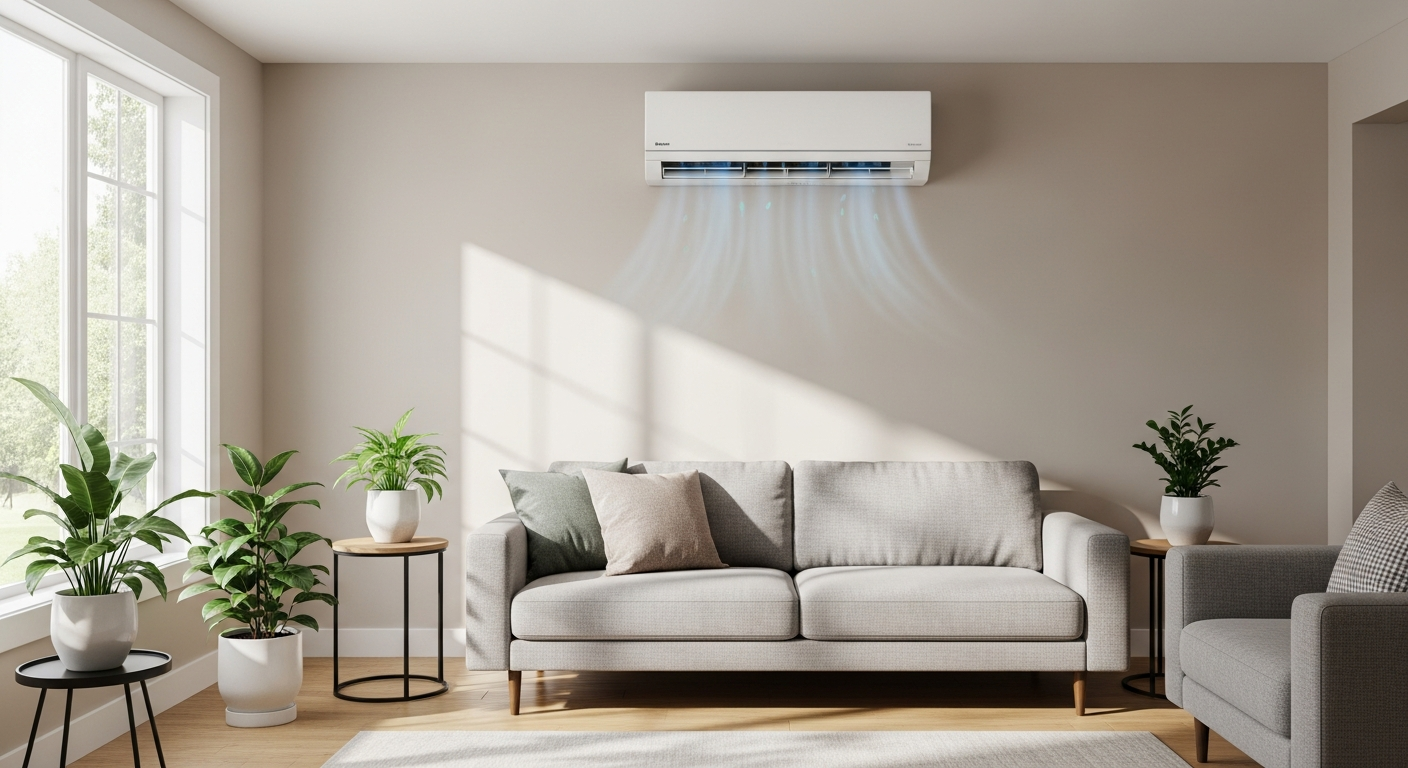
Clear Recommendation
For most homes, start with HEPA if you have allergies or visible dust, and add activated carbon if you notice persistent odors. For wildfire smoke or chemical sensitivity, use both in a multi-stage system.
What Matters Most
- Match filter technology to your primary symptom: particles = HEPA, gases/odors = carbon
- Do not put a high-MERV filter in an old HVAC system without a static pressure test
- Replace carbon filters every 3–6 months; once saturated, they stop working
- Use the HVACDatabase filter finder tool to check compatible options before buying
- Get at least three written quotes before installing whole-house filtration equipment
Strengths
- HEPA is the gold standard for allergy relief, backed by tested 99.97% efficiency
- Activated carbon removes the chemicals and smells that HEPA misses, making it indispensable for VOCs
- Combination systems address both particulate and gaseous pollutants simultaneously
- Central HVAC integration can provide whole-home filtration without room-by-room devices
Weaknesses
- HEPA offers zero odor or gas removal; it must be paired with carbon for complete coverage
- True HEPA in a central system often requires costly duct and blower modifications
- Carbon filters have a short lifespan and can become a source of odors if not replaced on time
- High-MERV filters can damage older blowers or crack heat exchangers if airflow is too low
Decision Summary
| Scenario | Usually do | Why |
|---|---|---|
| Dust and allergy symptoms | Install a HEPA purifier or upgrade to MERV 13 filter (if system allows) | Captures the microscopic particles that trigger sneezing and asthma |
| Pet and cooking odors | Use a purifier with substantial activated carbon (≥5 lbs) | Adsorbs the gaseous compounds responsible for smells |
| Wildfire smoke | Combine HEPA (MERV 13+) and heavy carbon (≥10 lbs) in portable or whole-house system | Particles and toxic gases both require separate capture mechanisms |
| New furniture or renovation | Run a dedicated carbon filter continuously for 2–3 weeks | VOCs off-gas heavily at first; carbon adsorption reduces chemical exposure |
Quick Answer
Activated carbon filters excel at removing odors, smoke, and chemical fumes (VOCs) through adsorption. HEPA filters capture 99.97% of airborne particles as small as 0.3 microns, including dust, pollen, and pet dander. For most households, a combination of both technologies in a multi-stage purifier or HVAC filter setup provides the most complete protection. Use this guide to match your symptoms to the correct filtration and avoid overpaying for features you don’t need.
Introduction
Indoor air can be two to five times more polluted than outdoor air, according to the EPA. If you’re staring at a shelf of purifiers wondering whether to buy a unit with a carbon pre-filter, a True HEPA filter, or both, the right answer depends on what’s actually floating in your air. This article translates the technical specs into a practical decision tool. You’ll find a “symptom-first” decision table, cost estimates, maintenance timelines, and a contractor checklist to help you buy with confidence or upgrade your central HVAC filtration.
How Carbon and HEPA Filters Work
HEPA: Particle Bouncer
HEPA stands for High-Efficiency Particulate Air. To earn the label, a filter must trap 99.97% of particles at 0.3 microns—the size most likely to slip through. Dense fiberglass fibers form a maze that catches dust mites, mold spores, pollen, and bacteria. It does nothing for gases or odors.
Activated Carbon: Smell Sponge
Activated carbon is treated with oxygen to open millions of microscopic pores, creating a vast surface area for adsorption (not absorption). Gases, chemicals, and odors stick to the carbon surface. This is your weapon against cooking smells, tobacco smoke, paint fumes, and volatile organic compounds (VOCs) from new furniture. Carbon filters are rated by weight and thickness; more carbon means longer odor control.
Symptom-First Decision Table
| What You Notice | Main Pollutant | Filter Priority | Pro Tip |
|---|---|---|---|
| Sneezing, itchy eyes | Allergens (pollen, dust) | HEPA | Pair with a vacuum that has a HEPA exhaust filter. |
| Musty smell or visible mold | Mold spores | HEPA | Add dehumidification; HEPA catches spores but carbon helps odor. |
| Lingering food or pet odors | Gases / VOCs | Activated Carbon | Look for at least 5 lbs of carbon media in portable units. |
| Smoke or wildfire haze | Fine particles + gases | HEPA + heavy carbon | Portable units: minimum 10 lbs carbon; whole-house: MERV 13 + carbon prefilter. |
| New furniture or renovation smell | VOCs | Activated Carbon | Ventilate first, then run carbon 24/7 for 2–3 weeks. |
| General dust buildup | Dust | HEPA | Check ductwork for leaks; consider upgrading HVAC filter to MERV 11–13. |
Decision Rules: When to Choose What
- If you smell it and can't see it, you need carbon.
- If you see it floating in sunlight or on surfaces, you need HEPA.
- If you have a diagnosed allergy or asthma, prioritize HEPA.
- If you live within 10 miles of a wildfire zone or have a smoker indoors, get both.
- If your home was built after 2010 and tightly sealed, add carbon for VOC accumulation.
Safety Boundaries
Safe for Homeowners
- Measure your existing filter slot dimensions and buy a correctly sized disposable filter.
- Replace a standard 1-inch filter monthly (or per manufacturer) with one of the same thickness and MERV rating.
- Clean washable pre-filters on portable units.
- Check that the filter arrow points toward the furnace/air handler.
- Always shut off the system at the thermostat and main switch before touching the filter slot.
Call a Professional For
- Installing a high-MERV or "HEPA-type" filter without measuring static pressure—restrictive filters can overheat the blower motor, crack heat exchangers, or freeze AC coils. This requires a professional airflow diagnosis ($100–$350 editorial estimate).
- Modifying ductwork, adding an electronic air cleaner, or wiring a UV lamp.
- Handling refrigerants or opening sealed compartments.
If your HVAC system struggles with a new filter (whistling, short cycling, higher electric bills), switch back to a lower MERV immediately and call a pro.
Free Tools to Simplify Your Decision
- Filter Finder: Enter your HVAC model or measure the slot, and get compatible filter options ranked by MERV and pressure drop.
- HVAC Cost Estimator: See what a whole-house air purifier installation might cost in your ZIP code, including labor and permits.
- Quote Checker: Upload a contractor’s proposal and we’ll flag unusually high line items or missing details.
- Contractor Search: Find local pros with verified reviews for indoor air quality projects.
Local Climate and Home Age Considerations
Hot & Humid (e.g., Houston, Orlando)
Mold spores and dust mites thrive. HEPA is critical; add carbon for musty odors. Ensure AC drain pans and ducts are clean. Find a local expert through HVACDatabase.com.
Cold & Sealed (e.g., Minneapolis, Boston)
Tightly sealed homes trap cooking and off-gassing VOCs all winter. Activated carbon becomes more important, especially if you use natural gas for cooking or have an attached garage.
Wildfire Zone (e.g., Denver, Sacramento)
Plan for both heavy HEPA and large-format carbon filters. Whole-house bypass HEPA filtration with a dedicated fan may be worth the investment.
Coastal Areas
Salt air corrodes standard filters faster. Consider stainless-steel or coated filter frames and more frequent replacements.
Older Homes (Pre-1990)
Leaky ductwork can pull in attic or crawlspace dust, overwhelming any filter. Seal ducts first before upgrading filtration.
What Different Upgrades Cost (Editorial Estimates)
| Item | Editorial Range | Notes |
|---|---|---|
| 1-inch disposable MERV 8 filter | $5–$20 | DIY replacement; change every 1–3 months. |
| 4-inch media cabinet upgrade | $250–$600 installed | Pros install a new filter housing for higher MERV with less restriction. |
| Portable HEPA purifier (room) | $80–$300 | Good for 150–350 sq. ft.; check CADR ratings. |
| Portable HEPA + Carbon (room) | $150–$600 | Carbon weight varies; replacement filters cost $40–$100/year. |
| Whole-house HEPA bypass system | $2,000–$4,000+ | Requires dedicated duct and electrical; best for severe allergies/wildfire zones. |
| Pro airflow diagnosis | $100–$350 | Measures static pressure, checks duct sizing. |
Filter Maintenance Schedule
- HEPA (portable): 6–12 months, or when unit’s indicator lights up. Wash hands after handling.
- Carbon (portable): 3–6 months, or when odors return. Once pores saturate, it can’t adsorb more—sometimes it re-emits caught smells.
- HVAC 1-inch filter: Every 30–90 days (more often with pets or dust).
- 4-inch media filter: Every 6–12 months per manufacturer.
7 Questions to Ask an HVAC Filtration Contractor
- “Can my current blower handle the pressure drop of a MERV 13 or higher filter? What’s the measured static pressure now?”
- “Will this filter also reduce odors, or does it only capture particles?”
- “How many pounds of carbon does the system include, and when will it need replacement?”
- “Do you include a pre-filter to protect the main filter from debris?”
- “Is my ductwork properly sealed? Will you test total system leakage?”
- “What’s the warranty on the filter cabinet and installation workmanship?”
- “Can you provide a written quote with line items for equipment, labor, and any electrical permits required?”
Methodology
Content is based on ASHRAE standards for residential filtration, manufacturer performance data, and interviews with HVAC contractors in the HVACDatabase network. Cost ranges are editorial estimates compiled from 2023–2024 project data and are not guaranteed. Always obtain at least three local quotes for any installed equipment.
Frequently Asked Questions
Can I use a HEPA filter instead of a carbon filter for smoke?
No. Smoke consists of fine particles (removed by HEPA), but the hazardous gases and odor-causing VOCs require activated carbon. For wildfire smoke, you need both; many emergency guides recommend MERV 13 or higher for particles plus a significant carbon bed.
How do I know if my HVAC system can handle a high-MERV filter?
A technician measures static pressure across the blower. If total external static pressure exceeds the manufacturer’s maximum (often 0.5–0.8 inches of water column for residential systems), the motor works harder, risking failure and lowering efficiency. Homeowners can check for error codes, short cycling, or rattling after a new filter, but only a pro can quantify the risk.
Are combination filters (carbon-impregnated fiber) effective?
They can help with mild odors but offer far less carbon than a dedicated bed. If odors are your main issue, choose a standalone carbon canister or a unit with replaceable carbon pellets, not just a thin carbon-coated media.
How often should I replace carbon vs HEPA in a portable purifier?
HEPA: typically 6–12 months; carbon: 3–6 months. If you notice odors returning before 3 months, the carbon is likely saturated. In homes with constant cooking or smoke, carbon may need replacement every 60 days. Mark your calendar and set reminders.
Is it safe to use a high-MERV filter in my old furnace?
Not without a professional assessment. Older furnaces often have weaker blowers not designed for dense filtration. A filter that’s too restrictive can cause the heat exchanger to overheat and crack, potentially releasing carbon monoxide. Always consult a technician before moving from MERV 8 to MERV 11 or higher in a system older than 15 years.
Related articles
Connect this page to adjacent guides so readers keep moving deeper into the topic cluster.
Google Nest vs Ecobee Premium Thermostats
Choosing between Nest and Ecobee? Our decision tool weighs room sensors, smart home compatibility, and cost to help you pick the right smart thermostat.

Smart Thermostat vs Smart Vent System
Homeowners often ask: smart thermostat or smart vents? Our practical guide explains the core trade-offs, safety limits, and a clear decision path to avoid wasting money or harming your system.
Supply vs Exhaust Ventilation Systems
Discover whether a supply or exhaust ventilation system suits your home’s climate, budget, and air quality goals. Our guide includes cost ranges, safety tips, and pro checklists.