Commercial HVAC Maintenance Contract Cost
Learn what a commercial HVAC maintenance contract really costs—from $500 to $20,000+ per year—and how to pick the right coverage for your building size, system complexity, and budget. Includes cost breakdowns, contractor questions, and smart savings tips.
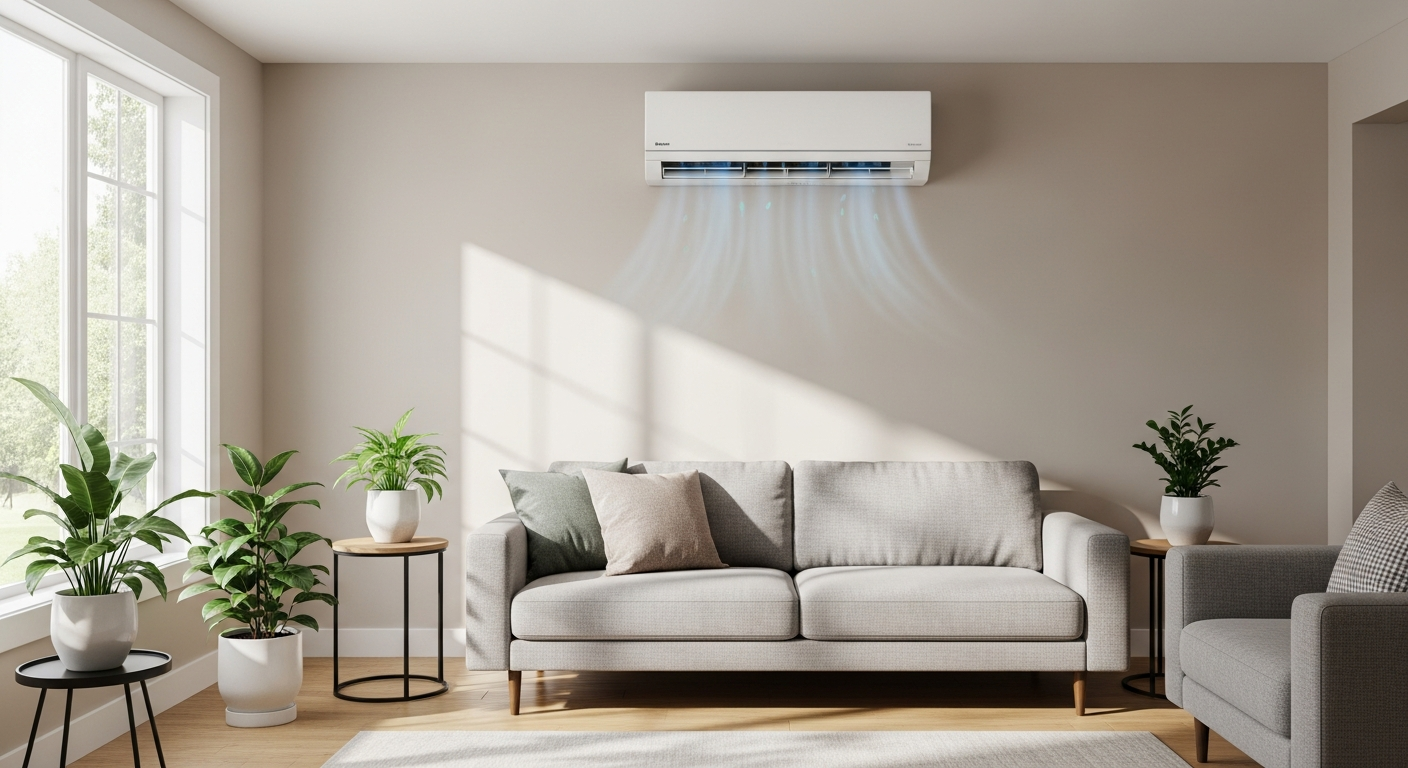
Labor-inclusive contracts offer the best balance for most commercial properties
Labor-inclusive plans cover the most variable and costly part of commercial HVAC upkeep—repair labor—without the premium of a full-service agreement. They suit mid-sized buildings and those with equipment between 5 and 12 years old, minimizing budget surprises while still encouraging regular preventive care.
What Matters Most
- Budget $500–$20,000+ annually based on building size; get three quotes to benchmark.
- Match contract type to equipment age and criticality: PM-only for new gear, labor-inclusive for mid-life, full-service for high-stakes or aging systems.
- Use the provided decision rules and contractor checklist to avoid overpaying or under-protecting.
- Climate-specific needs can add 10-20% to a contract—factor that in when comparing bids.
- Free HVACDatabase tools like the Cost Estimator and Maintenance Reminders simplify planning and tracking.
Strengths
- Predictable annual labor cost for repairs, reducing unbudgeted expenses.
- Incentivizes the contractor to perform thorough maintenance to avoid future labor claims.
- Suitable for buildings with limited in-house technical staff.
- Often negotiable when bundling multiple units or committing to multi-year terms.
Weaknesses
- Does not cover replacement parts, which can be costly for major components.
- If no repairs are needed, you’re paying for unused labor coverage.
- Requires trust in the contractor’s labor rate structure; some may inflate necessary repair hours.
- Not ideal for equipment under warranty where labor might already be covered.
Which Contract Fits Your Situation?
| Scenario | Usually do | Why |
|---|---|---|
| Small retail or office under 5,000 sq ft, new HVAC | Preventive Maintenance Only | Low failure risk; pay repair labor as needed. |
| Mid-sized office, 5–10 year old RTUs | Labor-Inclusive | Repair labor is the biggest variable expense; this caps it. |
| Hospital, data center, 24/7 operation | Full-Service | Downtime is unacceptable; full coverage ensures priority and parts availability. |
| Restaurant or high-grease environment | Labor-Inclusive with monthly visits | Kitchen exhaust demands extra attention; monthly visits prevent grease buildup. |
Quick Answer: Commercial HVAC Maintenance Contract Costs
Commercial HVAC maintenance contracts typically cost $500 to $20,000+ per year, depending on building size and coverage level. For a small retail space (under 5,000 sq ft), expect $500–$1,500/yr for basic preventive maintenance. Mid-sized buildings (5,000–25,000 sq ft) usually run $1,500–$5,000/yr. Large facilities or industrial plants often exceed $5,000 and can surpass $20,000 for full-service agreements.
Three contract tiers define what you pay: Preventive Maintenance Only (inspections, cleaning, basic tasks), Labor-Inclusive (adds repair labor), and Full-Service (covers labor and parts). The right choice hinges on equipment age, uptime sensitivity, and budget. Use the decision rules below to pick the best plan.
Annual Contract Cost by Building Size
| Building Size | Typical Annual Cost Range | Best-Fit Contract Type |
|---|---|---|
| Small (under 5,000 sq ft) | $500 – $1,500 | Preventive Maintenance |
| Medium (5,000 – 25,000 sq ft) | $1,500 – $5,000 | Labor-Inclusive |
| Large (over 25,000 sq ft) | $5,000 – $20,000+ | Full-Service |
Editorial estimates based on 2025 market surveys. Actual quotes vary by region, system complexity, and contractor.
What Drives the Cost?
- System size and type: Tonnage, BTU output, number of zones, and equipment style (RTUs, chillers, boilers) directly affect labor hours. Complex systems demand specialized skills—see our guide on choosing the right commercial HVAC system.
- Number of units: Each rooftop unit, exhaust fan, or condenser adds to the maintenance checklist. Bundling multiple units under one contract often yields negotiated discounts.
- Service frequency: Standard is quarterly. High-traffic spaces (restaurants, medical offices) or harsh climates may require monthly visits, increasing annual cost by 25–50%.
- Age and condition: Older equipment may need more thorough inspections and prompt repair work. If your system is over 12 years old, a labor-inclusive or full-service plan often pays for itself in avoided emergency calls.
- Location and climate: Coastal salt air, extreme cold, or intense heat accelerate wear and require specialized maintenance (see climate section below).
Safety Boundaries: What You Can Check—and When to Call a Pro
Commercial HVAC maintenance involves risks that require licensed professionals. As a property owner or manager, you can safely perform these routine checks between service visits:
- Inspect and replace air filters monthly or per schedule.
- Check thermostat batteries and settings; ensure schedules are correct.
- Clear debris, leaves, or snow from outdoor condenser units.
- Listen for unusual noises, rattles, or vibrations.
- Visually inspect drain lines and pans for standing water or algae (if accessible without opening panels).
- Note any error codes on digital displays for your technician.
Never attempt these tasks—always hire a qualified, insured HVAC contractor:
- Refrigerant handling, leak detection, or charging.
- Electrical testing, wiring repairs, or capacitor/contactor replacement.
- Gas valve, burner, or heat exchanger inspection or repair.
- Compressor replacement or internal component work.
- Adjusting or bypassing safety controls.
Improper handling can cause injury, void warranties, and violate federal regulations (e.g., EPA Section 608). For safe, certified professionals, use our HVAC contractor search or comparison tool.
Smart Tools to Estimate and Schedule
Before signing a contract, put these free HVACDatabase resources to work:
- HVAC Cost Estimator – Get a personalized budget range for your building size and system type.
- Maintenance Reminders – Never miss a service with automated email/text alerts tailored to your contract schedule.
- Repair or Replace Calculator – If your equipment is aging, see if a full-service contract makes sense or if replacement is smarter.
Decision Rules: Which Contract Should You Choose?
Use these thresholds to match your building’s needs to the right agreement. Print this and compare quotes side by side.
- Equipment age under 5 years, low foot traffic: A Preventive Maintenance Only plan is usually sufficient. Budget for occasional repair bills out of pocket.
- Equipment age 5–12 years, or critical for business operations: Labor-Inclusive plans minimize unexpected labor costs. Most repairs involve labor, not parts, in this age range.
- Equipment over 12 years, or 24/7 essential (data centers, hospitals): Full-Service contracts are worth the premium. Downtime costs quickly exceed the annual fee.
- Multiple stand-alone systems or brand-specific units: Ensure the contractor is factory-authorized and includes all units in the base price. Ask for a bundled rate.
- Seasonal businesses (summer-only or winter-heavy): Adjust visits to peak pre-season and post-season. Consider a pay-per-visit plan if downtime is tolerable.
Contractor Checklist: 7 Questions to Ask Before Signing
- “Will you provide a detailed, itemized task list for each visit?”
- “Is the quoted price fixed for the contract term, or can rates increase?”
- “What’s your guaranteed emergency response time, and is priority service included?”
- “Are you licensed, insured, and bonded for commercial HVAC work in my city?”
- “Do you have references from similar-sized properties you currently maintain?”
- “Which parts, if any, are excluded from coverage under a full-service plan?”
- “How do you handle after-hours calls, and what additional fees apply?”
Pro tip: Use our Quote Checker to compare bids and spot hidden fees.
Climate-Specific Needs That Affect Price
- Hot & dry (Phoenix, Las Vegas): Condenser coil cleaning every other month prevents efficiency loss; refrigerant levels need frequent monitoring.
- Humid & muggy (Houston, Atlanta): Drain pan treatments and mold prevention are essential; budget for coil corrosion inhibitors.
- Cold & freezing (Chicago, Minneapolis): Heat exchanger inspections and defrost cycle checks are critical; contract must include winterizing assistance.
- Coastal & salty (Miami, Seattle): Salt air corrodes aluminum fins—special coatings or more frequent coil rinsing add $200-$500/yr.
- Older buildings (pre-1980): Duct leakage, asbestos concerns, and outdated control systems may require supplementary testing; ask if the contract covers ductwork assessment.
For region-specific contractor options, visit our Phoenix or Chicago local directories.
How We Develop These Estimates
HVACDatabase cost guides are built from public data, contractor surveys, and industry pricing databases. Figures represent editorial estimate ranges, not guaranteed quotes. Actual costs depend on local labor rates, equipment access, seasonal demand, and contractor overhead. Always request and compare at least three written proposals before contracting.
Frequently Asked Questions
Is a commercial HVAC maintenance contract worth the cost?
Yes. Facilities with regular maintenance see up to 40% fewer emergency breakdowns, 20–40% longer equipment life, and 5–15% lower energy bills. The average commercial AC repair costs $1,500–$4,000—often more than a year’s maintenance plan.
What’s normally NOT covered under a maintenance contract?
Basic plans exclude repair parts and emergency labor. Even full-service contracts may exclude major components like heat exchangers or compressors unless specifically listed. Always review the “Exclusions” section.
How often should commercial HVAC be serviced?
At minimum quarterly. Restaurants, medical buildings, and high-occupancy spaces need monthly or bimonthly service. Your contract should reflect manufacturer recommendations and local climate demands.
Can I negotiate the price of a maintenance contract?
Yes. Bundle multiple systems, sign a 2–3 year term, or schedule work during the contractor’s slow season (spring/fall) to get better rates. Use our Cost Estimator to know the fair price range before negotiating.
What happens if I skip maintenance?
Skipping maintenance leads to higher energy costs, more frequent and expensive breakdowns, voided manufacturer warranties, poor indoor air quality, and potential safety hazards from gas leaks or electrical failures. The cost of a breakdown is almost always greater than the cost of prevention.
For further reading, see our guide on setting up a commercial preventive maintenance plan and the full cost guide hub.
Methodology
HVACDatabase estimates combine common contractor price patterns, service-category pricing ranges, equipment complexity, urgency, regional labor variation, and known HVAC safety boundaries. Actual prices vary by city, brand, system size, access, warranty status, permit requirements, and whether the visit discovers ductwork, electrical, refrigerant, gas, or drainage issues. Use these numbers to sanity-check quotes, not as a guaranteed price.
Related articles
Connect this page to adjacent guides so readers keep moving deeper into the topic cluster.

Cost to Install Multiple Smart Thermostats
Get a clear cost breakdown for installing 2–4+ smart thermostats. Includes equipment, labor, zoning upgrades, and how to save with utility rebates. Practical checks and contractor questions inside.
How to Implement a Whole Home Energy Management System
Integrate smart tech and HVAC controls to cut energy waste. This guide shows how to audit, upgrade, and automate your home's energy use, with real savings estimates.
How Utility Demand Response Programs Use Smart Thermostats
Enrolling your smart thermostat in a demand response program can earn you up to $150/year while keeping you comfortable. Learn if it's right for your home and how to maximize benefits.