Cost to Get a Second HVAC Opinion
Facing a pricey repair? A second HVAC opinion costs $80–$200 and can save you thousands. Learn when to get one and the questions to ask.
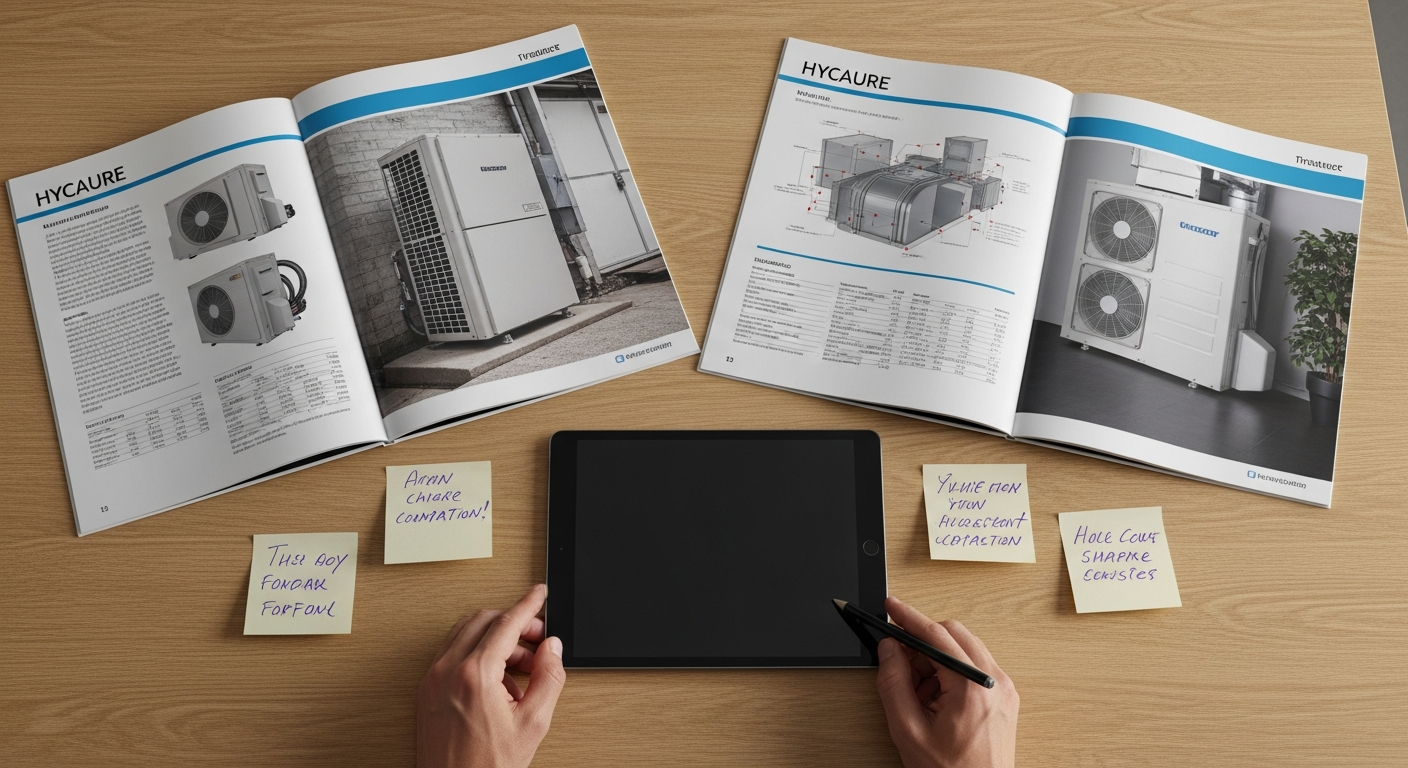
Always Verify Major Repair or Replacement Recommendations
Getting a second opinion is a low-cost, high-impact step that can prevent you from spending thousands on unnecessary HVAC work. We recommend it as a standard practice before any replacement or repair over $1,500.
What Matters Most
- Pay $80–$200 for a diagnostic, potentially saving $2,000+ by catching misdiagnoses.
- If your system is under 10 years old and a replacement is suggested, a second opinion is essential.
- Use HVACDatabase tools to compare quotes and vet contractors before committing.
Strengths
- Low cost relative to potential savings.
- Provides peace of mind and bargaining power.
- Helps reveal sales pressure versus genuine need.
Weaknesses
- Paying two diagnostic fees if the first diagnosis was correct (though many waive fee if hired).
- Some companies may offer less rigorous ‘free’ second opinions that are just sales pitches.
Should You Get a Second Opinion? Decision Summary
| Scenario | Usually do | Why |
|---|---|---|
| Tech recommends full system replacement, unit under 10 years old | Get a second opinion | High chance of misdiagnosis; repair may extend life significantly |
| Repair estimate over $1,500 on a system over 12 years old | Strongly consider second opinion, but also weigh replacement | At that age, major repairs might not be cost-effective; a second opinion confirms both options |
| Cracked heat exchanger diagnosis without visual proof | Definitely get a second opinion | Common high-pressure tactic; a true crack is rare and should be documented |
| First company is pushy or refuses to provide written estimate | Walk away, hire a vetted contractor from HVACDatabase | Transparency is essential |
| After-hours emergency, system is down in extreme weather | Still try for second opinion, but prioritize safety; use emergency service search | Fast second opinion may be possible; some contractors offer video diagnostic previews |
If a technician tells you that your furnace or AC needs a $6,000 replacement, pause. A second HVAC opinion costs $80–$200 and is the single most valuable check you can make before committing to thousands in work. At HVACDatabase.com, we’ve seen homeowners save an average of $2,400 by verifying a diagnosis—often because the original problem was a $300 repair, not a full system swap.
Quick Answer: Second Opinion Cost and Next Steps
- Typical fee: $80–$200 for a diagnostic visit from a vetted pro. After-hours or emergency calls may run $150–$350.
- When it’s most critical: Any recommendation to replace a unit under 10 years old, a “cracked heat exchanger” claim, or a repair estimate exceeding $1,500.
- Pro tip: Many contractors waive the second-opinion fee if you hire them for the repair. Ask before booking.
- Your move: Compare estimates and credentials with our HVAC cost estimator and quote checker.
What Determines the Price of a Second Opinion?
Not all diagnostic visits cost the same. Use this table to anticipate what you’ll pay and why.
| Factor | Typical Impact |
|---|---|
| Standard vs. after-hours | $80–$200 (business hours); $150–$350 (nights/weekends) |
| System complexity | Standard split system: base rate. Geothermal, multi-zone, or commercial: add $50–$150. |
| Travel distance | Trip fees of $25–$75 if outside metro area. |
| Second-opinion specialist | Some firms charge a flat $150–$300 for a “second opinion diagnostic” that includes a written report. |
| Fee waiver potential | Often waived if you hire them for the recommended work—always ask. |
Decision Rules: When a Second Opinion Is Non-Negotiable
Use these concrete thresholds. If any apply, get a second opinion before signing.
- System under 10 years old and replacement urged. Modern units last 12–20 years. A premature replacement suggestion raises red flags.
- “Cracked heat exchanger” diagnosis without a visual demonstration. Demand photos or a combustion safety test. This is a known high-pressure sales tactic.
- Repair quote over $1,500. For perspective, common AC repairs run $150–$650 for electrical/control work and $500–$1,500 for motor or refrigerant work. A $3,000 repair may be inflated.
- You’re told the unit is a safety hazard and must be shut down immediately. Safety is valid, but some techs exaggerate. A second opinion from a licensed professional can confirm.
- First quote lacks a written, itemized diagnosis. Walk away if you only get a verbal cost. A legitimate company provides documentation.
If you’re unsure about your system’s age, use our System Age Decoder for a quick lookup.
Safety Boundaries: What You Can Check and What Requires a Pro
Safe homeowner checks (no license required):
- Note any error codes on the thermostat or control board (look up in the manual).
- Inspect the outdoor condenser for debris, ice, or obvious physical damage.
- Check the air filter—a severely clogged filter can mimic a failing system.
- Look for water leaks around the indoor unit (could indicate a clogged drain).
- Record the unit’s sounds and behaviors to describe to the second technician.
Pro-only work—never DIY:
- Refrigerant handling, leak detection, or charging.
- Gas valve adjustments, combustion testing, or flue inspection.
- Electrical component testing or replacement (capacitors, contactors, control boards).
- Compressor diagnosis or replacement.
- Opening the sealed refrigerant circuit or heat exchanger.
If any technician performs these tests, ensure they hold a valid license—verify here.
Tools to Estimate Fair Pricing
Before you book a second opinion, use HVACDatabase’s free tools to benchmark the first quote:
- HVAC Cost Estimator: Get localized repair or replacement ranges based on your ZIP code and system size.
- Quote Checker: Upload your written quote to see if line items fall within typical ranges.
- Repair-or-Replace Calculator: Plug in your unit’s age, repair cost, and efficiency to see the 5-year financial outlook.
Contractor Checklist: Questions to Ask Before Approving Work
Print or screenshot this list for the second opinion visit:
- “Can you show me exactly where the failure is—on the component or in a diagnostic reading?”
- “Is this a safety issue or a performance issue?”
- “What are the risks of delaying this repair for two weeks?”
- “If we repair today, what is the expected remaining lifespan of my current unit?”
- “Does your quote include all permits, disposal fees, and labor warranty details?”
- “Will you waive this diagnostic fee if I hire you for the work?”
- “Are you licensed and insured in this state? May I see proof?” (Then search our directory for vetted pros.)
Local Market Twists
Your region shapes second-opinion costs and considerations:
- Hot climates (Phoenix, Las Vegas): Summer emergency fees spike. If your AC fails in July, expect $200+ just for showing up. Plan early-season maintenance. See Phoenix AC repair pros.
- Cold climates (Chicago, Minneapolis): Furnace inspections in winter are urgent. A second opinion on a heat exchanger might require combustion analysis—which a competent tech will do safely. Check Chicago heating repair specialists.
- Coastal or humid areas: Corrosion and mold can skew diagnoses. A second opinion should include a coil inspection and, if relevant, a ductwork evaluation.
- Older homes: Electrical capacity or outdated ductwork might be the real issue. A second opinion should consider whole-house load—use our BTU Calculator to see if sizing is adequate.
Methodology: How We Estimate Costs and Advice
HVACDatabase aggregates pricing data from thousands of contractor records, industry surveys, and real-time permit data. Our editorial team reviews and adjusts ranges every quarter to reflect regional shifts, inflation, and equipment price changes. All advice follows ACCA standards and HVAC safety codes. We never encourage unlicensed repair; our tools and content emphasize informed, safe homeowner decisions. For detailed background, see our Cost Guide Hub.
Frequently Asked Questions
What happens if the second opinion agrees with the first?
You’ll have confirmation and peace of mind. At that point, evaluate both contractors on price, warranty, and reputation using our comparison tool. The small diagnostic fee was an investment, not a waste.
Can I get a second opinion for free?
Some companies advertise “free second opinions,” but be cautious. Often these are sales visits, not technical diagnostics. A legitimate fee-based evaluation is more likely to be honest. However, as noted, many pros will waive the fee if hired—always ask.
How long does a second opinion take?
Plan for 45–90 minutes on-site, plus time for the technician to write a report. A thorough diagnosis includes checking refrigerant pressures (by a licensed tech), electrical readings, airflow, and component condition.
Should I mention the first company’s diagnosis to the second technician?
Yes, but selectively. Provide the written diagnosis and let the second tech form their own conclusion. Don’t say “They said it’s a bad compressor”—just share the paperwork. This reduces bias.
What if the second opinion is much cheaper? Who do I trust?
Cheapest isn’t always best. Look at what’s included, the warranty, and the contractor’s track record. Use our contract reading guide and review-checking tips to compare. A low bid might skip permits or reuse old lines, which can cause trouble later.
Related articles
Connect this page to adjacent guides so readers keep moving deeper into the topic cluster.

Cost to Install Multiple Smart Thermostats
Get a clear cost breakdown for installing 2–4+ smart thermostats. Includes equipment, labor, zoning upgrades, and how to save with utility rebates. Practical checks and contractor questions inside.
Duct Booster Fan Installation Cost
Uneven room temps? Duct booster fan installation costs: register fans $30–$100 DIY, inline fans $500–$800+ with pro. Learn when a booster works and when you need a bigger fix.
Makeup Air Unit Installation Cost Guide
Expect to pay $1,500–$4,500 for a pro-installed makeup air unit. Discover passive vs. tempered options, code triggers, and money-saving decision rules.