Furnace Repair Cost Guide
Learn typical furnace repair costs, when to repair vs replace, safe homeowner checks, and questions to ask before hiring. Use our calculators to estimate your repair or replacement.
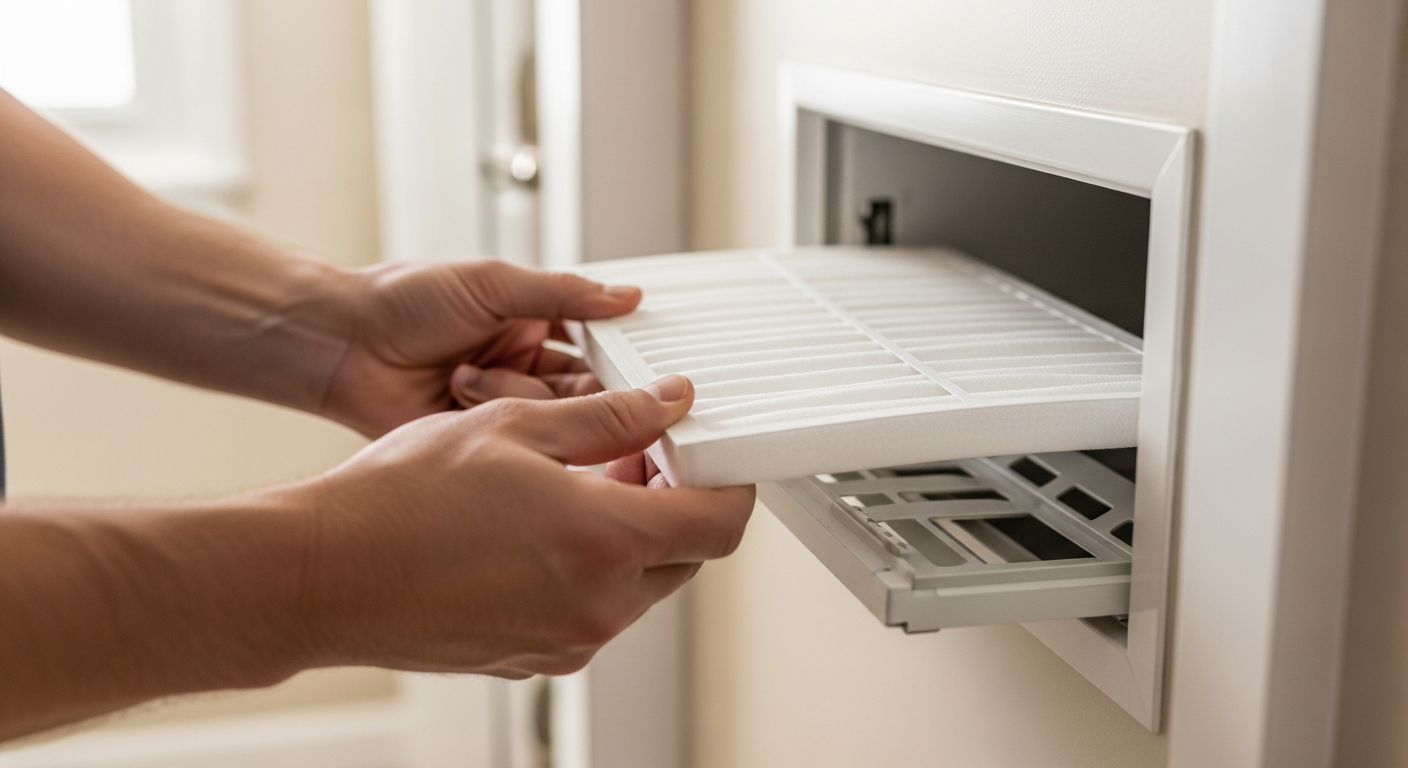
When Repairing a Furnace Makes Sense
For furnaces under 12 years old with a single, inexpensive failure, repair is usually the smart choice. For units 15+ years old facing a repair bill over $1,000, replacement with a high-efficiency model provides better long-term value and safety.
What Matters Most
- Diagnostic fees average $80–$200; get a free estimate if you commit to repair.
- Use the 50% rule: if repair > half the cost of new, replace.
- Never DIY internal furnace repairs—gas and high voltage are deadly.
- Always get 3+ itemized quotes; compare using our Quote Checker.
- Regional factors like climate and home age significantly affect costs.
Strengths
- Clear cost ranges with practical examples
- Decision framework removes guesswork
- Safety boundaries protect homeowners
- Integration of interactive tools enhances planning
Weaknesses
- Cost estimates are ranges, not quotes; actual prices may differ
- Local market conditions can shift pricing outside predicted ranges
- Does not account for unique home configurations without an on-site visit
Repair or Replace: Decision Summary
| Scenario | Usually do | Why |
|---|---|---|
| Minor repair (ignitor, sensor) under $300 on furnace ≤12 years | Repair | Quick, low-cost fix extends life 2–5 years |
| Major component (blower motor) on furnace 10–14 years, moderate condition | Get 2nd opinion; consider replacement if other wear | High-cost repair may not be last; avoid throwing good money after bad |
| Cracked heat exchanger, any age | Replace furnace | Immediate safety hazard; high labor cost of replacement often outweighs repair |
| Multiple failures in past 2 years, furnace >15 years | Replace | System reliability is poor; new high-efficiency unit saves on energy bills |
Introduction
When your furnace fails during a winter freeze, you need accurate repair costs fast. Furnace fixes range from under $200 for a simple sensor cleaning to more than $2,500 for a blower motor or heat exchanger. This guide gives you real price ranges, safe checks you can do yourself, and a clear framework to decide whether repairing or replacing your furnace makes the most financial sense. Before you commit to a contractor, use our built-in tools to estimate your repair cost and compare quotes from trusted local pros.
Quick Answer: Furnace Repair Costs at a Glance
Click for typical cost ranges (editorial estimates)
- Diagnostic visit: $80–$200 standard; after-hours/emergency $150–$350
- Minor repairs (ignitor, flame sensor, thermostat): $150–$700
- Mid-range repairs (gas valve, control board, inducer motor): $500–$1,200
- Major repairs (blower motor, heat exchanger): $800–$2,500+
- Emergency surcharge: Add 50–100% on nights, weekends, holidays
- Repair vs replace threshold: If repair cost exceeds 50% of a new system price or your furnace is 15+ years old, get a replacement quote. Use our Repair or Replace Calculator.
Furnace Repair Costs by Component
The table below lists common furnace failures, symptoms, and editorial cost ranges just for the repair work. Costs include parts and typical labor but vary by geographic region, furnace model, and contractor pricing.
| Repair | Typical Symptom | Common Cause | Editorial Cost Range | Urgency |
|---|---|---|---|---|
| Ignitor replacement | Furnace attempts to light (glow seen) but no flame; system locks out | Ignitor cracked, worn out, or covered in debris | $150–$350 | High – no heat |
| Flame sensor cleaning / replacement | Burners light then quickly shut off; short cycling | Sensor coated with carbon, not detecting flame | $80–$200 (cleaning may be included in tune-up) | Medium – intermittent heat |
| Gas valve replacement | No gas flow to burners; furnace tries to start but no ignition | Valve stuck closed, electrical failure, or from safety lockout | $400–$800 | High – no heat, gas safety critical |
| Thermostat replacement / upgrade | Inaccurate temperature, furnace doesn't respond to settings, short cycling | Outdated thermostat, wiring issue, or dead batteries | $100–$400 (hardware + installation for basic unit; smart thermostats can be $300–$600+ including setup) | Low to Medium |
| Blower motor replacement | No air from vents; or loud grinding noise; may run continuously | Motor seized, capacitor failed (pro-only), or control board issue | $600–$1,400 | Critical – no heat distribution |
| Heat exchanger replacement | Carbon monoxide alarm, flame looks wavy, soot buildup, visible crack | Overheating, corrosion, expansion/contraction stress | $900–$2,500+ (if under warranty, part may be free, labor still applies) | Emergency – safety hazard |
| Control board replacement | Error codes, random shutdowns, blower or ignition not working | Power surge, moisture, component failure | $300–$700 | High – system inoperable |
| Inducer motor replacement | Rattling noise at startup, furnace won't ignite (pressure switch open) | Bearings worn, motor seized, or debris | $400–$900 | High – no heat |
Note: These are editorial estimates. Actual prices may differ. Get a firm written quote before work begins. Use our HVAC Cost Estimator to see ranges specific to your region.
Safety Boundaries: What Homeowners Can and Cannot Do
Safe Checks You Can Perform
- Verify thermostat is set to "Heat" and the temperature is above room temperature.
- Replace air filters if dirty (clogged filters can cause overheating and shutdown).
- Reset circuit breakers for the furnace; check the power switch near the unit is "on".
- Make sure the gas supply valve to the furnace is open.
- Observe for visible error codes on the control board through the sight glass (if equipped).
- Listen for unusual sounds (banging, screeching) and report to technician.
Always Leave to a Licensed HVAC Pro
For your safety, never attempt to repair or replace any internal component that involves gas lines, combustion, high voltage, or sealed systems. This includes but is not limited to:
- Gas valves, ignitors, burners, or any part in the combustion chamber
- Control boards, capacitors, contactors, or wiring
- Blower motors, inducer motors, or any component requiring panel removal that exposes live parts
- Heat exchangers – inspection requires professional tools and knowledge
- Refrigerant lines (for heat pump systems)
Attempting these repairs can cause serious injury, void warranties, and create fire or carbon monoxide risks. If you smell gas or suspect a carbon monoxide leak, evacuate immediately and call 911 and your utility company. For non-emergency professional help, find a qualified technician through HVACDatabase's contractor search.
Repair or Replace: The Decision Framework
Use these rules to decide whether to repair your furnace or invest in a new system. For a personalized analysis, try our Repair or Replace Calculator.
When to Repair
- Furnace is less than 10 years old and well-maintained.
- Repair cost is less than $500 (minor parts like ignitor or sensor).
- Only one component has failed, and the rest of the system is in good shape.
- You're confident the fix will extend useful life by at least 2–3 years.
- The system has a valid manufacturer warranty covering parts (you pay labor only).
When to Replace
- Furnace is 15+ years old, especially if it has an AFUE below 80%.
- Repair estimate exceeds 50% of the cost of a new furnace installation.
- Multiple components have failed recently – a sign of systemic wear.
- The heat exchanger is cracked (even if under warranty, safety risks may outweigh repair).
- You've been calling for repairs annually; the system is unreliable.
- Your heating bills have increased noticeably despite regular usage.
In many cases, upgrading to a high-efficiency (95%+ AFUE) furnace or a heat pump can cut heating costs significantly. Use our Rebate Finder to see if local incentives make replacement more attractive.
Get the Best Price: Contractor Checklist
Before you approve any work, ask these questions to protect your wallet and home.
- Are you licensed and insured? (Request license number and verify with your state board.)
- Do you provide a written estimate that breaks down parts, labor, and any additional fees?
- What warranties do you offer on parts and labor? (Standard: 1 year labor, manufacturer parts warranty 5–10+ years.)
- Will you pull any required permits? (Many jurisdictions require a permit for furnace replacements, and some major repairs.)
- What are your rates for emergency / after-hours calls? Is there a trip charge separate from diagnostics?
- Can you show me evidence of experience with my furnace brand and model?
- Do you offer preventative maintenance plans? How much do they cost per year?
Always get at least three itemized quotes. Use our Quote Checker to compare offers side by side and spot overcharges. For a list of local contractors ready to bid, start here: Find HVAC Pros Near You.
Local Context: Regional Cost Factors
Where you live affects furnace repair prices and urgency.
- Cold climates (Midwest, Northeast, Rockies): Winter demand spikes mean higher emergency fees and longer wait times. It's wise to have a service relationship before a breakdown. If you're in a heating-dominant area like Chicago, look for contractors with 24/7 capability: Chicago Heating Repair Pros.
- Older homes (pre-1990): Repairs may uncover outdated venting, electrical, or asbestos that require extra code corrections—adding $500–$2,000.
- Coastal and humid regions: Salt air and moisture can corrode gas valves and electronic boards faster. Insist on corrosion-resistant parts if replacing.
- Hot climates (South, Southwest): Furnaces may see little use, but the heating season is short so you can often schedule repairs during off-peak times for better rates. However, emergency heat needs can still arise.
How We Estimate Costs
The editorial cost ranges in this guide are based on aggregated data from HVAC contractor pricing surveys, manufacturer MSRP for common parts, typical regional labor rates, and service call norms. We update them annually. Actual costs will vary due to your specific furnace make/model, your home's location, the urgency of the job, and any additional installation requirements. These are not guaranteed prices but serve as a reliable baseline for negotiation and budgeting.
Frequently Asked Questions
How much does a furnace diagnostic visit cost?
Standard diagnostic fees run $80–$200 during normal business hours. For evening, weekend, or holiday calls, expect to pay $150–$350. Some companies waive the diagnostic fee if you approve the repair.
Is it worth repairing a 20-year-old furnace?
Generally, no. A 20-year-old furnace likely has an AFUE of 60–78%, and a major repair can cost more than half the price of a modern, 95%+ efficient unit. Replacement often pays for itself in energy savings within 5–8 years.
Can I do any furnace repairs myself?
You can safely replace the air filter, check thermostat settings, reset breakers, and clear obvious blockages around vents. All other work—especially anything involving gas, electricity, or the combustion chamber—must be performed by a licensed HVAC technician to avoid serious risk of fire, explosion, or carbon monoxide poisoning.
How long do furnace repairs usually take?
Simple repairs like ignitor or flame sensor replacement often take under an hour on site. Blower motor or control board swaps may require 2–4 hours. A heat exchanger replacement can take 6–10 hours, spread over a day or two.
Does a cracked heat exchanger mean I must replace the entire furnace?
Yes, it is strongly recommended. A cracked heat exchanger cannot be safely patched and is a carbon monoxide hazard. While the part itself may be under warranty, labor costs for replacement are high, and an older furnace will still have other aging components. The safest, most cost-effective long-term solution is to install a new furnace.
Ready to get your furnace fixed? Use the Cost Estimator to see what others in your area pay, then find a qualified contractor: Search local HVAC pros.
Methodology
HVACDatabase estimates combine common contractor price patterns, service-category pricing ranges, equipment complexity, urgency, regional labor variation, and known HVAC safety boundaries. Actual prices vary by city, brand, system size, access, warranty status, permit requirements, and whether the visit discovers ductwork, electrical, refrigerant, gas, or drainage issues. Use these numbers to sanity-check quotes, not as a guaranteed price.
Related articles
Connect this page to adjacent guides so readers keep moving deeper into the topic cluster.

Cost to Install Multiple Smart Thermostats
Get a clear cost breakdown for installing 2–4+ smart thermostats. Includes equipment, labor, zoning upgrades, and how to save with utility rebates. Practical checks and contractor questions inside.
Duct Booster Fan Installation Cost
Uneven room temps? Duct booster fan installation costs: register fans $30–$100 DIY, inline fans $500–$800+ with pro. Learn when a booster works and when you need a bigger fix.
Makeup Air Unit Installation Cost Guide
Expect to pay $1,500–$4,500 for a pro-installed makeup air unit. Discover passive vs. tempered options, code triggers, and money-saving decision rules.