Furnace Tune-Up Cost and What to Expect
Furnace tune-ups usually cost $80–$250 and catch safety issues before they become emergencies. Learn what’s included, when to schedule, and how to hire the right pro.
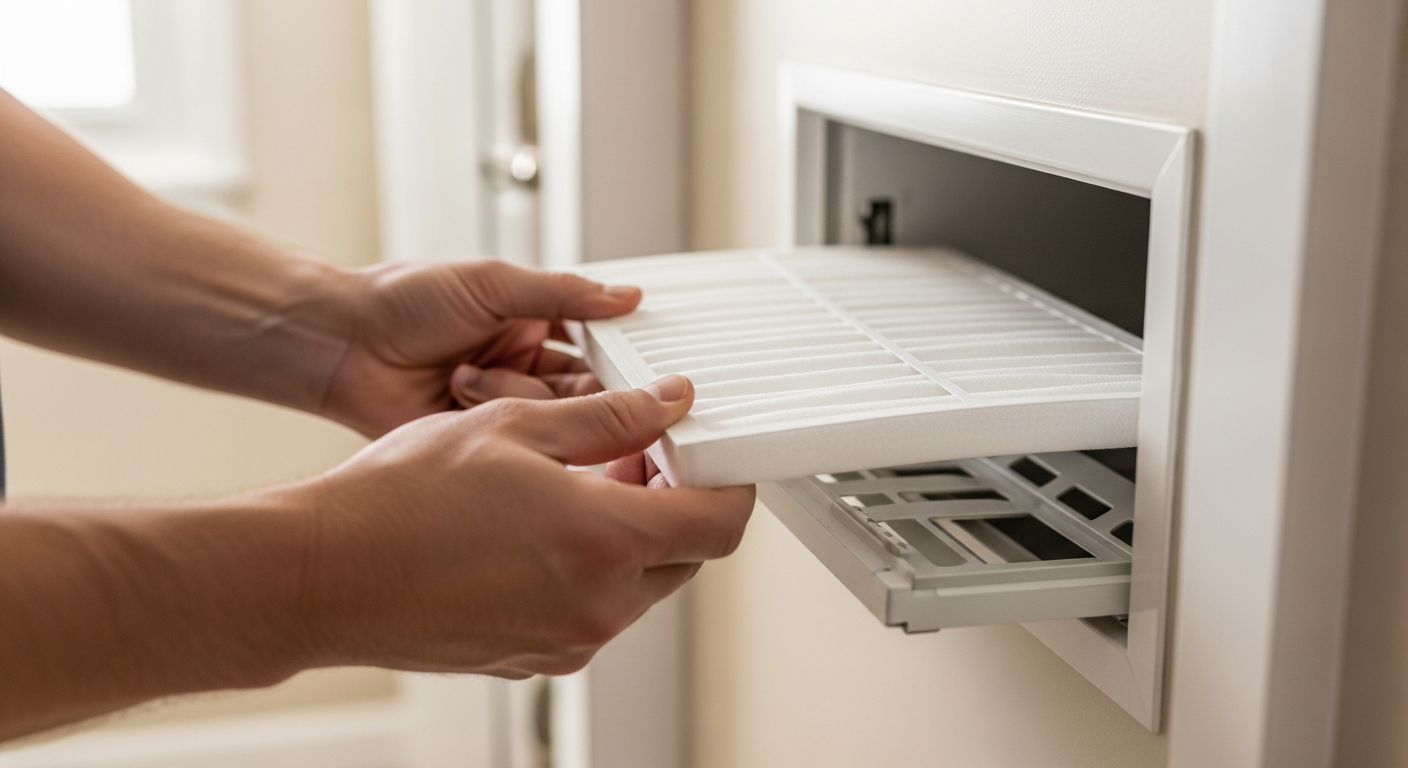
Annual tune-ups are a non-negotiable for safety and efficiency
A professional furnace tune-up costs roughly $80–$200 and is the single best way to prevent carbon monoxide leaks, lower heating bills, and keep your warranty valid. For most homeowners, an annual maintenance plan pays for itself after the first avoided breakdown.
What Matters Most
- Schedule a tune-up every fall; the cost is $80–$200 for a one-time visit or $150–$500 for an annual plan.
- An inspection must cover the heat exchanger, burner, ignition, safety switches, and venting—get a written checklist.
- Homeowners can change filters and listen for odd noises, but leave gas and electrical work to licensed pros.
- If your furnace is over 15 years old and a repair exceeds $800, run the numbers on replacement before spending more on maintenance.
Strengths
- Immediate safety improvement—catches carbon monoxide risks early
- Extended equipment life: 15–20 years instead of 10–12
- Lower energy bills often track the first post-tune-up month
- Keeps manufacturer warranty valid; proof of service required
Weaknesses
- Upfront cost can be a barrier, though it’s minor compared to emergency repair
- Some companies upsell unnecessary services—vet the contractor carefully
- Annual plans may lock you into long-term contracts; ask about cancellation
Quick Decision Summary
| Scenario | Usually Do | Why |
|---|---|---|
| Furnace under 5 years old, no issues | One-time tune-up each fall | Lowest cost, meets warranty terms |
| System is 5–12 years old | Annual maintenance plan | Saves money vs. per-visit pricing, includes priority service |
| Furnace over 12 years old | One tune-up + replacement assessment | Avoid pouring money into an aging system |
| Burning smell or pilot light issues | Immediate service call, not a routine tune-up | Indicates a safety hazard; technician may need to shut down the unit |
Quick Answer: Furnace Tune-Up Cost and Value
For most homes, a professional furnace inspection and cleaning costs $80–$200 for a standard tune-up, and $150–$500 for an annual maintenance agreement that may include priority service and discounts. Prices vary by fuel type, system condition, and season. A tune-up is worth the investment—it can extend equipment life, keep your warranty valid, and reduce surprise breakdowns. Use our HVAC cost estimator to get a personalized range.
What’s Included and Why It Matters
| Task | What It Does | Homeowner Benefit |
|---|---|---|
| Heat exchanger inspection | Checks for cracks that leak carbon monoxide | Prevents carbon monoxide poisoning |
| Burner cleaning & adjustment | Removes soot, aligns flame for efficient burn | Lowers gas bill, reduces soot buildup |
| Ignition system test | Verifies reliable startup | Avoids no-heat calls |
| Thermostat calibration | Ensures accurate temperature reading | Stops short cycling, saves energy |
| Safety limit switch test | Confirms furnace shuts off if overheating | Prevents fire risk |
| Vent inspection | Checks for blockages, backdrafting | Keeps exhaust gases outside |
| Filter replacement | Installs correct MERV filter | Improves airflow, reduces strain |
A detailed checklist like this separates a tune-up from a simple system check. Always ask for an itemized service report.
One-Time Visit vs. Annual Maintenance Plan
| Scenario | Usually Do | Why |
|---|---|---|
| Furnace is new (under 5 years), under warranty | One-time tune-up annually | Meets warranty terms; cost is predictable |
| System is 5–12 years old, no recent repairs | Annual maintenance plan | Locks in lower per-visit price, often includes priority scheduling |
| Older system (12+ years), considering replacement soon | One-time tune-up + repair-or-replace assessment | Avoid over-investing; use repair or replace calculator |
| Rental property or second home | Annual plan with remote monitoring option | Helps prevent freeze-ups and tenant emergencies |
Safety Boundaries: What Homeowners Can (and Can’t) Do
- Safe to check yourself: Replace disposable air filter every 1–3 months; ensure return vents are unobstructed; test thermostat operation; listen for unusual bangs or squeals; confirm the area around the furnace is clear.
- Leave to a licensed technician: Gas pressure adjustments, cleaning burners, inspecting the heat exchanger, testing safety switches, checking for carbon monoxide leaks, any electrical component work, and anything involving the sealed combustion chamber. Do not remove access panels that expose wiring or burners.
Decision Rules: When to Tune-Up vs. When to Replace
Use these thresholds to decide:
- If your furnace is over 15 years old and the repair estimate exceeds $800, run the numbers on replacement. See our repair or replace tool.
- If energy bills have crept up 20% or more compared to the same month last year, a tune-up may restore efficiency. If bills stay high after service, the system may be oversized or failing.
- If the technician finds a cracked heat exchanger, always replace the furnace—do not repair.
- If your furnace uses R-22 refrigerant (older heat pumps), plan for replacement due to phase-out.
Contractor Questions Checklist
Before you book, ask:
- “Is the price a flat rate or hourly? Will you provide a detailed invoice?”
- “Do you carry general liability and workers’ compensation insurance?”
- “Will you check the carbon monoxide level at the supply vents?”
- “Can you show me the heat exchanger during the inspection?”
- “Do you offer a maintenance plan, and what’s the cancellation policy?”
- “Are your technicians NATE-certified or factory-trained?”
Search for vetted pros in your area with our contractor search and compare quotes.
Local Market Considerations
- Cold climates (Midwest, Northeast, Mountain states): Book by early September. Emergency winter call-outs can double the service fee. Annual plans are a smart hedge.
- Hot/humid regions (Southeast, Gulf Coast): Furnace maintenance often bundles with AC in an HVAC service agreement—ask for a combined price.
- Coastal and older-home markets: Corrosion from salt air or aged ductwork may require more frequent cleaning. Prioritize a heat exchanger camera inspection.
Tools to Budget and Plan
- HVAC Cost Estimator – get a price range for tune-ups, repairs, and new systems by ZIP code.
- Maintenance Reminders – free email or text reminders so you never miss a seasonal check.
- Repair or Replace Calculator – run the math on an aging furnace.
- Rebate Finder – see if your utility offers incentives for maintenance or high-efficiency replacements.
Methodology
Cost ranges are editorial estimates based on a survey of national contractor pricing data, industry service agreements, and regional HVAC market reports as of 2025. Actual prices vary by location, equipment access, urgency, and scope of work. Always get a written quote before work begins. Safety recommendations follow ASHRAE and manufacturer guidance for homeowner vs. professional tasks.
Frequently Asked Questions
1. How often do I really need a furnace tune-up?
Annually, ideally in early fall before heating season. Some manufacturers require it for warranty coverage—check your manual. Homes with pets, smokers, or dusty renovations may benefit from a mid-season filter check, but full tune-ups are once a year.
2. Can a tune-up lower my energy bill?
Yes. A dirty burner or uncalibrated thermostat can increase gas consumption by 5–10%. After a tune-up, many homeowners see immediate improvement. If bills stay high, consider a BTU calculator to see if your system is oversized.
3. What’s the difference between a tune-up and a safety check?
A safety check focuses on carbon monoxide and gas leaks—often a 15-minute walkthrough. A full tune-up includes cleaning, adjustments, and component testing. Some companies market a cheap “inspection” that is essentially a sales call. Ask for the written checklist beforehand.
4. My furnace is running fine. Why should I schedule a tune-up?
Hidden cracks, worn belts, and blocked vents often show no symptoms until they fail—sometimes catastrophically. A tune-up catches these before they become breakdowns. It’s similar to changing your car’s oil: preventive, not reactive.
5. I have an old furnace. Is a tune-up still worth it?
Yes, for safety and to keep it running until you can plan a replacement. A technician can give you an honest assessment of remaining life. Just don’t put expensive repairs into a system that’s already past its prime—use our repair or replace calculator to decide.
Related articles
Connect this page to adjacent guides so readers keep moving deeper into the topic cluster.

Cost to Install Multiple Smart Thermostats
Get a clear cost breakdown for installing 2–4+ smart thermostats. Includes equipment, labor, zoning upgrades, and how to save with utility rebates. Practical checks and contractor questions inside.
Duct Booster Fan Installation Cost
Uneven room temps? Duct booster fan installation costs: register fans $30–$100 DIY, inline fans $500–$800+ with pro. Learn when a booster works and when you need a bigger fix.
Makeup Air Unit Installation Cost Guide
Expect to pay $1,500–$4,500 for a pro-installed makeup air unit. Discover passive vs. tempered options, code triggers, and money-saving decision rules.