Gas vs Electric Baseboard Heaters
Homeowners weighing gas vs electric baseboard heaters must consider installation complexity, fuel costs, and safety. Learn when each is the right fit and how to hire a pro.
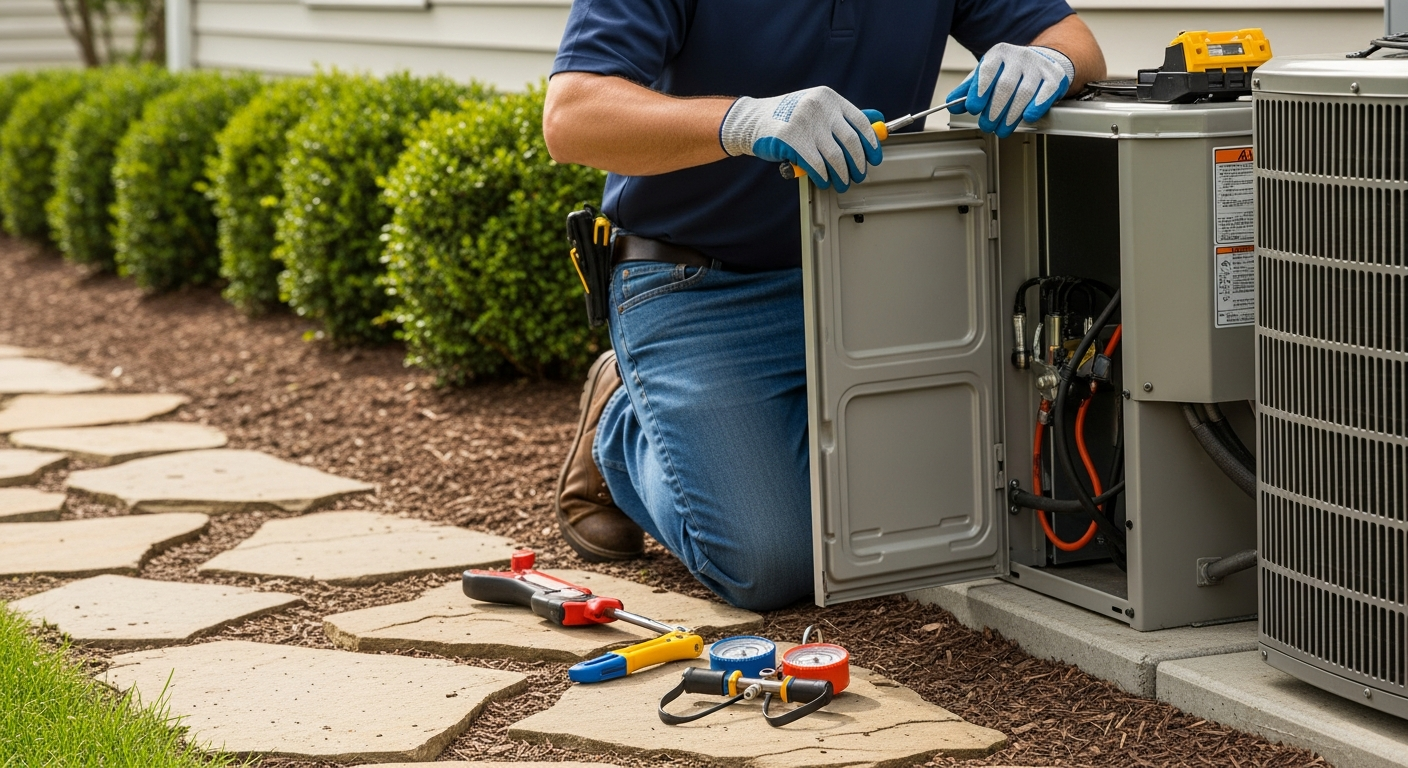
Go Electric for Small, Short-Use Spaces; Gas Only for Large, Cold-Climate Needs
For a single room under 300 sq. ft. that needs occasional heat, electric baseboard is the smart, low-upfront choice. Gas direct-vent heaters justify their high installation cost only when heating large areas (>500 sq. ft.) in regions with expensive electricity and long heating seasons — and even then, a ductless heat
What Matters Most
- Electric baseboard excels in small, intermittently used rooms where silence and simplicity matter.
- Gas baseboard offers powerful heat and lower operating costs per BTU, but installation is invasive and expensive.
- In cold climates, get a professional load calculation to avoid oversizing or undersizing.
- Always pair a gas heater with a carbon monoxide detector and annual inspections.
- Check for rebates on high-efficiency alternatives like heat pumps before committing to baseboard.
Strengths
- Electric: Lowest upfront cost, easy zonal control, silent, no venting or gas line needed.
- Gas: Higher heat output, lower monthly fuel cost in most regions, power-outage operation possible.
Weaknesses
- Electric: High operating cost in cold climates, slower recovery, may require new electrical panel capacity.
- Gas: High installation cost, requires through-wall vent, annual safety maintenance, shorter lifespan.
Decision Summary
| Scenario | Usually do | Why |
|---|---|---|
| Small sunroom (<200 sq. ft.), used 2–3 hours daily | Electric baseboard | $100 unit + $300 install beats a $4,000 gas setup; low runtime keeps bills manageable. |
| Unfinished basement workshop (600 sq. ft.), daily use in Minnesota | Gas direct-vent baseboard | Electric would cost over $200/month to run; gas delivers high output for under $80/month. |
| Rental apartment bedroom addition | Electric baseboard | No structural changes for venting; easy removal when lease ends. |
| Primary heat for an off-grid cabin with propane tank | Propane gas baseboard | Millivolt system needs no electricity; 30,000 BTU/hr heats quickly even in sub-zero weather. |
Introduction: A Practical Heating Choice for Specific Needs
Baseboard heaters aren’t a one-size-fits-all solution. They excel in spaces where extending ductwork or installing a central system is impractical — think room additions, finished basements, or seasonal cabins. The core decision between gas and electric hinges on three factors: (1) how much space you need to heat, (2) local utility rates, and (3) whether a gas line and proper venting are feasible. This guide replaces guesswork with concrete thresholds, cost ranges (editorial estimates, not guaranteed), and tools to help you decide, then hire a qualified contractor through HVACDatabase’s verified network.
Quick Answer
Pick electric baseboard if you’re heating a single room (under 300 sq. ft.), you value silent operation, and you can accept higher monthly electricity bills — especially in regions with moderate winters or cheap electricity. Choose gas (or hydronic) baseboard if you need to heat large areas (over 500 sq. ft.) in a cold climate, you already have natural gas service, and you’re prepared for a $2,000–$5,000+ installation that includes venting and gas piping. In most modern retrofits, a ductless mini-split heat pump often outperforms both in efficiency and comfort for zonal heating, so consider that alternative before committing.
How They Work & Real-World Performance
Electric Baseboard Heaters
These are simple resistance heaters: a metal housing contains an electric element that warms air via convection. They’re silent, require no ductwork, and can be controlled room-by-room with line-voltage thermostats. New units cost $50–$200 each; professional installation of a dedicated 240V circuit and thermostat adds $150–$400 per unit. Because electricity prices are typically 2–4 times higher per BTU than natural gas, they become expensive to run as a primary heat source in cold climates. However, for occasional use in spaces like a guest bedroom or sunroom, the low upfront cost often wins.
Gas (Direct-Vent) Baseboard Heaters
True gas baseboard heaters are self-contained units that burn natural gas or propane, using a sealed combustion chamber and a through-the-wall vent. They deliver 2–3 times more heat output than a comparable electric unit, making them capable of heating basements, workshops, or large living areas. Units cost $800–$2,000, but professional installation — including gas line extension, vent termination, and combustion safety testing — typically ranges from $2,000 to $5,000+. These require annual inspection for carbon monoxide safety (emergency contact if you smell gas). Note: many homes use a boiler-fed hydronic baseboard system instead; that falls under central heating and is beyond the scope of this comparison.
Editorial Cost Estimate Ranges (2025)
Diagnostic visit: $80–$200; standard maintenance visit: $80–$250; annual maintenance plan: $150–$500. Minor heating repairs (thermostat, sensor): $150–$700. Major gas valve or vent work: $800–$2,500+. Prices vary by region, contractor, and job complexity. Always get multiple quotes via our contractor comparison tool.
Cost & Efficiency Comparison Table
| Factor | Electric Baseboard | Gas Baseboard (Direct-Vent) |
|---|---|---|
| Unit hardware cost | $50–$200 per heater | $800–$2,000 per heater |
| Typical installation | $150–$400 (circuit + thermostat) | $2,000–$5,000+ (gas line, vent, labor) |
| Efficiency (fuel-to-heat) | 100% (all electricity becomes heat) | 70–85% (some heat lost in venting) |
| Operating cost per million BTU | $30–$48 ($0.12–$0.20/kWh) | $8–$15 ($0.80–$1.50/therm) |
| Heat output typical range | 250–2,000 watts (850–6,800 BTU/hr) | 10,000–40,000 BTU/hr |
| Best application | Small, intermittently used rooms; mild climates | Large, regularly occupied spaces; cold climates |
Decision Rules: When to Choose Each
Use these concrete thresholds, derived from average U.S. energy prices and equipment performance, to guide your choice. All fuel cost assumptions are based on 2025 national averages; use the BTU calculator to adjust for your local rates.
Pick Electric If…
- The room is under 300 sq. ft. and well-insulated.
- You need heat fewer than 8 hours per day, or only on weekends.
- Your local electricity rate is below $0.10/kWh (check your bill).
- Installing a gas line would cost more than $3,000 (common in homes without existing gas service).
- You can’t accommodate a through-wall vent (rental, historic home).
Pick Gas If…
- The area exceeds 500 sq. ft. or has high ceilings.
- You live in a climate with over 5,000 heating degree days (HDD) per year — roughly the northern U.S.
- Natural gas is already piped to the property, and a new line run is under 25 feet.
- You can legally and safely install a direct vent through an exterior wall.
- You’re comfortable scheduling annual professional inspections.
Safety Boundaries
Heating equipment involves fire, electrical, and combustion risks. Respect these limits:
- Homeowner-safe checks: For electric units, visually inspect for scorch marks, dust buildup, or obstructions in front of the heater. Test the thermostat for proper cycling. Flip the circuit breaker off before cleaning. For gas units, look for soot around the vent, listen for unusual noises, and confirm the area is free of flammable storage. Test carbon monoxide detectors monthly.
- Pro-only work: Any repair involving refrigerant, gas piping, combustion adjustment, electrical component replacement (heating elements, relays, capacitors, control boards), or high-voltage wiring. Gas leaks, venting issues, and persistent pilot problems require a licensed technician — immediate evacuation and emergency contact if you smell gas.
- Carbon monoxide warning: Never operate a gas heater without proper venting. Symptoms of CO exposure include headache, dizziness, and nausea. If suspected, leave the house and call 911.
Tools & Calculators
HVACDatabase offers free, interactive tools to sharpen your decision:
- HVAC Cost Estimator: Get a personalized range for installing gas or electric baseboard in your ZIP code.
- BTU Calculator: Determine the exact heating load of your space to size a unit correctly.
- Repair or Replace Calculator: If you already have an old heater, weigh fix vs. upgrade.
- Rebate Finder: Discover local utility incentives that may make a high-efficiency option cheaper.
Contractor Checklist: Questions to Ask Before Hiring
Use these when interviewing pros from our contractor search:
- Are you licensed and insured for gas fitting/electrical work in this municipality? (Ask for proof.)
- Will you pull a permit and handle the inspection? (Required for gas line extensions and new circuits.)
- Can you provide a written load calculation (Manual J) to confirm the heater size?
- What is the total installed price, including gas line, vent, electrical, and thermostat?
- Do you offer a maintenance plan, and what does it cover?
- What warranty does the manufacturer provide, and what is your labor warranty?
- How will you test for carbon monoxide and combustion safety after installation?
Local Factors That Change the Equation
- Cold climates (heating degree days > 6,000): Operating cost differences are magnified. Gas becomes dramatically cheaper over a 7-month heating season. Electric baseboard should be a last resort for small supplemental use only. Check a Chicago heating specialist for local rates.
- Hot/humid climates: Baseboard heat is rarely needed, but for a rare cold snap, electric is simpler and avoids the risk of an unused gas line. A Phoenix AC contractor can advise on integrated heating options.
- Coastal or older homes: Salt air can corrode gas burner components, favoring electric. Historic restrictions may prohibit exterior vent holes, making gas installation impossible.
- High-electric-cost regions (Northeast, California): Even small electric heaters can spike bills. Gas or a heat pump is strongly preferred.
Methodology
All cost estimates are editorial ranges based on 2025 national averages for materials and labor, synthesized from industry databases, contractor surveys, and permit guidelines. They are not guaranteed quotes. We do not accept manufacturer sponsorships, ensuring unbiased recommendations. Efficiency comparisons use U.S. Energy Information Administration residential price data. Our decision thresholds assume typical insulation; use the BTU calculator to refine for your home.
Frequently Asked Questions
Can I install an electric baseboard heater myself?
You can physically mount the unit and run a new circuit only if you are experienced with electrical work and local codes. However, a permit and inspection are typically required. For safety and code compliance, we recommend hiring a licensed electrician.
Do gas baseboard heaters require electricity?
Most direct-vent gas baseboard heaters use a millivolt or thermopile system that generates its own power for the thermostat, so they can operate during a power outage — a key advantage over electric models.
How long do these heaters last?
Electric baseboard heaters often last 20–30 years with minimal maintenance. Gas units have a shorter lifespan of 10–20 years due to burner and vent degradation, but regular servicing can extend it.
Can I use a gas baseboard heater in a bathroom?
No. Building codes generally prohibit unsealed combustion appliances in bathrooms or bedrooms due to moisture and oxygen depletion risks. Electric baseboard is allowed if GFCI-protected and properly located.
Are there rebates for switching from electric to gas baseboard?
Rarely for standalone gas baseboard heaters, because they are less efficient than modern boilers or heat pumps. However, if you upgrade to a high-efficiency boiler for a hydronic system, you may qualify. Use our Rebate Finder to check.
Related articles
Connect this page to adjacent guides so readers keep moving deeper into the topic cluster.
Electrostatic vs Pleated HVAC Filters
Electrostatic filters are washable and budget-friendly over time, but pleated filters catch more allergens. See which fits your home's air quality and HVAC demands.

Supply vs Exhaust Ventilation Systems
Discover whether a supply or exhaust ventilation system suits your home’s climate, budget, and air quality goals. Our guide includes cost ranges, safety tips, and pro checklists.
Smart Thermostat vs Smart Vent System
Homeowners often ask: smart thermostat or smart vents? Our practical guide explains the core trade-offs, safety limits, and a clear decision path to avoid wasting money or harming your system.