Heat Exchanger Replacement Cost Guide
A cracked heat exchanger is a serious safety risk. Learn replacement costs, when a new furnace is the better investment, and how to vet contractors—all with practical tools and checklists.

Prioritize Safety and Lifetime Value
A cracked heat exchanger demands immediate action. For most furnaces over 12 years, replacement is safer and smarter than repairing an aging unit.
What Matters Most
- Call a pro immediately if you suspect a crack—safety first.
- Labor is the main cost driver; part warranty often covers the exchanger.
- Units over 12 years: replacement usually beats repair.
- Always get a combustion safety test after any furnace work.
- Use the repair-or-replace calculator to personalize the math.
Strengths
- Clear safety-first messaging
- Concrete age and cost thresholds
- Direct links to vetted local professionals
Weaknesses
- Costs are estimates; final quotes vary by region
- Does not cover boiler heat exchangers
- Assumes gas furnace; electric heat pumps differ
Repair vs Replace: Quick Decision Aid
| Scenario | Usually Do | Why |
|---|---|---|
| Furnace under 8 years, under warranty | Repair heat exchanger | Part often free; labor cost is low compared to new unit |
| Furnace 8–12 years, no warranty | Compare quotes closely | Repair may be 40-60% of new furnace cost; get both quotes |
| Furnace over 12 years | Replace furnace | New warranty, better efficiency; repair often >50% of replacement |
| Any age, secondary heat exchanger failed | Replace | High repair cost and future primary failure risk |
| Crack found + multiple other issues | Replace | Cumulative repairs exceed new system cost |
Quick Answer: The Real Cost and Safety Risk
A cracked heat exchanger is a red-alert safety issue that can leak carbon monoxide into your home. Replacement typically runs $1,500–$3,500, including parts and labor. If your furnace is over 12 years old, a full system replacement often makes more financial and safety sense. Use this guide to compare costs, run the numbers with our tools, and find a vetted professional.
Heat Exchanger Replacement Cost at a Glance
| Cost Component | Editorial Estimate Range | Notes |
|---|---|---|
| Diagnostic visit | $80–$200 | Standard service call; emergency may be higher. |
| Heat exchanger (under warranty) | $0 | Many brands cover 20 years to lifetime; labor still applies. |
| Heat exchanger (no warranty) | $600–$1,200 | High‑efficiency models cost more. |
| Labor (4–8 hours) | $900–$2,300 | Furnace must be largely disassembled; complexity varies. |
| Total replacement (typical) | $1,500–$3,500 | Varies by region, access, and urgency. |
What Drives Your Final Bill?
Labor Intensity
Replacing a heat exchanger requires almost complete furnace disassembly. A skilled technician needs 4–8 hours, making labor the dominant expense.
Warranty Status
Many manufacturers offer 20‑year to lifetime heat exchanger warranties. If covered, you pay only for labor—typically $900–$2,300. Without warranty, you add the part cost.
Furnace Efficiency
High‑efficiency condensing furnaces have a primary and secondary heat exchanger. Replacing a failed secondary unit is more complex and expensive. On a newer system under warranty, repair may be viable; on an older system, replacement is often wiser.
Safety Checklist: What You Can Check, What’s Pro‑Only
Safe Homeowner Checks
- Smell for unusual odors (formaldehyde‑like).
- Look for soot or black carbon flakes outside the furnace cabinet.
- Observe burner flames through the sight glass—flickering or yellow flames signal trouble.
- Note any family members with unexplained headaches, dizziness, or nausea; get fresh air and call for help immediately.
Leave to Licensed Professionals
- Any physical inspection that requires removing the furnace cover or accessing the combustion chamber.
- Disconnecting gas lines, pressure testing, or combustion analysis.
- Replacement of the heat exchanger or any electrical/gas component.
- Any work involving refrigerant, high‑voltage electricity, capacitors, or control boards.
If you suspect a crack, shut off the furnace and call a pro through our emergency HVAC page.
Repair or Replace? A Decision Framework
Use these concrete thresholds to guide your choice. Always get at least two detailed quotes.
| Scenario | Usually Do | Why |
|---|---|---|
| Furnace under 8 years, under warranty | Repair heat exchanger | Part often free; labor cost is low compared to new unit. |
| Furnace 8–12 years, no warranty | Compare quotes closely | Repair may be 40–60% of new furnace cost; get both quotes. |
| Furnace over 12 years | Replace furnace | New warranty, better efficiency; repair often >50% of replacement. |
| Any age, secondary heat exchanger failed | Replace | High repair cost and future primary failure risk. |
| Crack found + multiple other issues | Replace | Cumulative repairs exceed new system cost. |
Crunch Your Numbers with Our HVAC Tools
- Repair or Replace Calculator – personalize the math based on your furnace’s age and repair quote.
- HVAC Cost Estimator – get local price ranges for new systems.
- System Age Decoder – find your furnace’s manufacture date from the serial number.
- Quote Checker – submit a quote for our editorial review.
8 Questions Your Contractor Must Answer
Before approving any work, ask these questions to verify expertise and protect your investment.
- Are you licensed and insured? (Ask to see credentials.)
- Will you perform a combustion safety test and carbon monoxide check after the repair?
- Is the heat exchanger covered under warranty? Can you show me the manufacturer documentation?
- What is the total cost with a breakdown of parts, labor, and fees?
- How long will the repair take, and what is your warranty on labor?
- Will you inspect the rest of the furnace for any other issues while it’s disassembled?
- Do you recommend repair or full replacement based on my furnace’s age and condition?
- Can you provide a written quote for both options so I can compare?
Compare contractors and read reviews on our contractor comparison page.
How Your Location Changes the Math
Cold climates (e.g., Chicago, Minneapolis) put heavy annual strain on heat exchangers. If your furnace is over 10 years old, replacement may pay for itself through efficiency gains. Coastal areas face corrosion from salt air, shortening heat exchanger life. Older homes often have oversized or outdated ductwork that can accelerate failure; consider a full system and duct audit. Find a local expert through our Chicago heating repair page or search your area at HVACDatabase.com/search.
How We Form These Estimates
All cost ranges are editorial estimates based on industry data, contractor surveys, and real‑world project analysis. They are not guaranteed prices. Final quotes depend on system size, brand, region, season, access, permits, and warranty status. Always obtain multiple written quotes from licensed professionals.
Homeowner FAQs
Can I run my furnace if the heat exchanger is cracked?
No. A crack can leak carbon monoxide—an odorless, deadly gas—into your home. Shut the furnace off immediately and call a professional.
Is a cracked heat exchanger covered by homeowners insurance?
Typically no. Most policies exclude wear-and-tear or appliance failure. A manufacturer warranty may cover the part. Check your policy for specific details.
How long does a heat exchanger replacement take?
Expect 4–8 hours of on‑site labor. The furnace must be largely disassembled, the part swapped, and the system reassembled and tested.
Can I replace just the secondary heat exchanger?
Technically yes, but on older units the primary exchanger often fails soon after. For furnaces over 10 years, replacement is usually safer and more cost‑effective.
What are signs of carbon monoxide poisoning?
Headache, dizziness, nausea, confusion, and flu‑like symptoms that improve when you leave the house. If you suspect CO exposure, go outside and call 911.
For more troubleshooting help, see How to Troubleshoot a Furnace That Won’t Heat or explore our Cost Guide Hub for other HVAC projects.
Safety Boundaries
Homeowners can safely check thermostat settings, replace accessible filters, confirm vents are open, look for visible water or ice, clear debris around the outdoor unit, and reset a tripped breaker one time. Stop if the breaker trips again, if you smell gas or burning, if a carbon monoxide alarm sounds, or if equipment panels need to be opened.
- Do not open refrigerant lines, attach gauges, add refrigerant, or cut line sets unless you are certified and qualified.
- Do not work on gas piping, burners, heat exchangers, flues, capacitors, contactors, compressors, control boards, or high-voltage wiring unless licensed or trained for that work.
- Do not bypass safety switches or keep running equipment that trips breakers, leaks water into the home, or produces burning smells.
Methodology
HVACDatabase estimates combine common contractor price patterns, service-category pricing ranges, equipment complexity, urgency, regional labor variation, and known HVAC safety boundaries. Actual prices vary by city, brand, system size, access, warranty status, permit requirements, and whether the visit discovers ductwork, electrical, refrigerant, gas, or drainage issues. Use these numbers to sanity-check quotes, not as a guaranteed price.
Related articles
Connect this page to adjacent guides so readers keep moving deeper into the topic cluster.
Cost to Install Multiple Smart Thermostats
Get a clear cost breakdown for installing 2–4+ smart thermostats. Includes equipment, labor, zoning upgrades, and how to save with utility rebates. Practical checks and contractor questions inside.
Duct Booster Fan Installation Cost
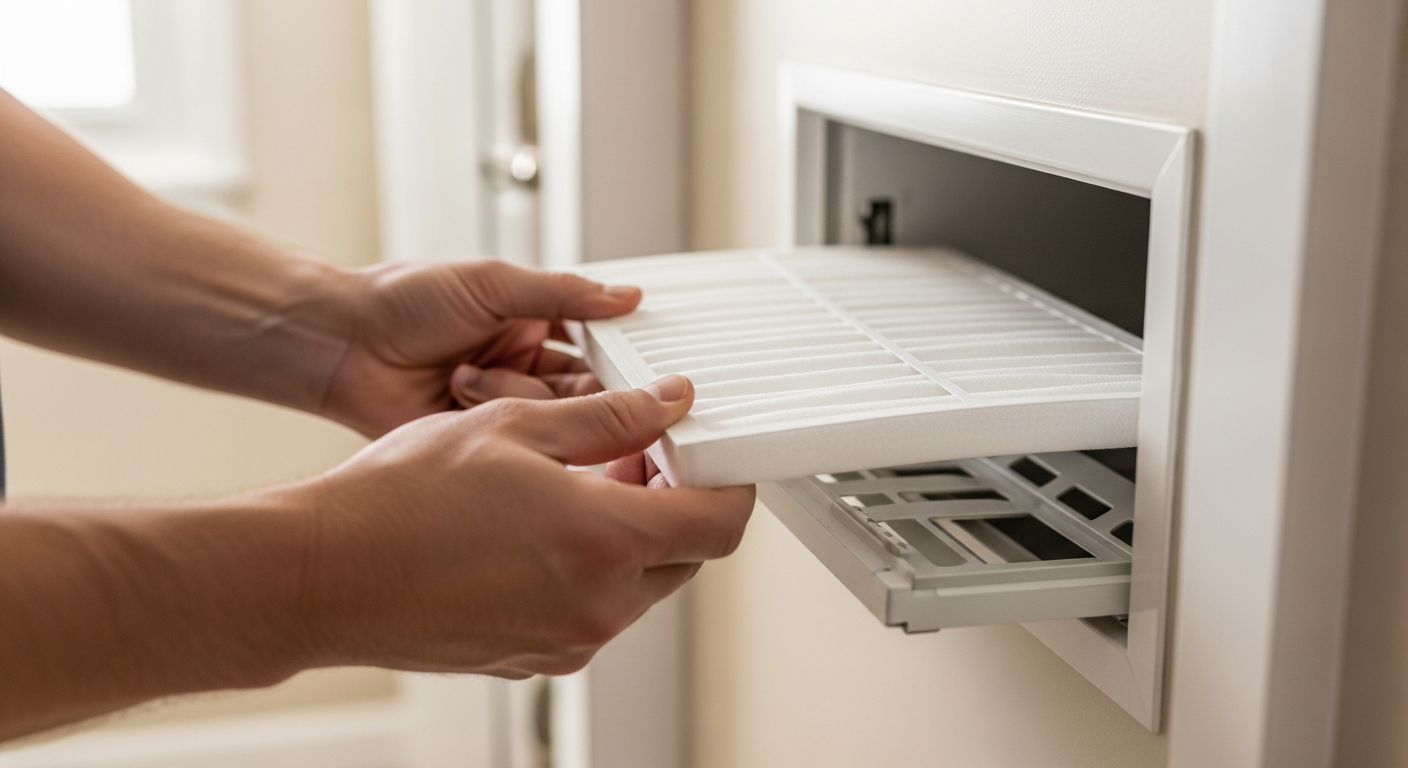
Uneven room temps? Duct booster fan installation costs: register fans $30–$100 DIY, inline fans $500–$800+ with pro. Learn when a booster works and when you need a bigger fix.
Makeup Air Unit Installation Cost Guide
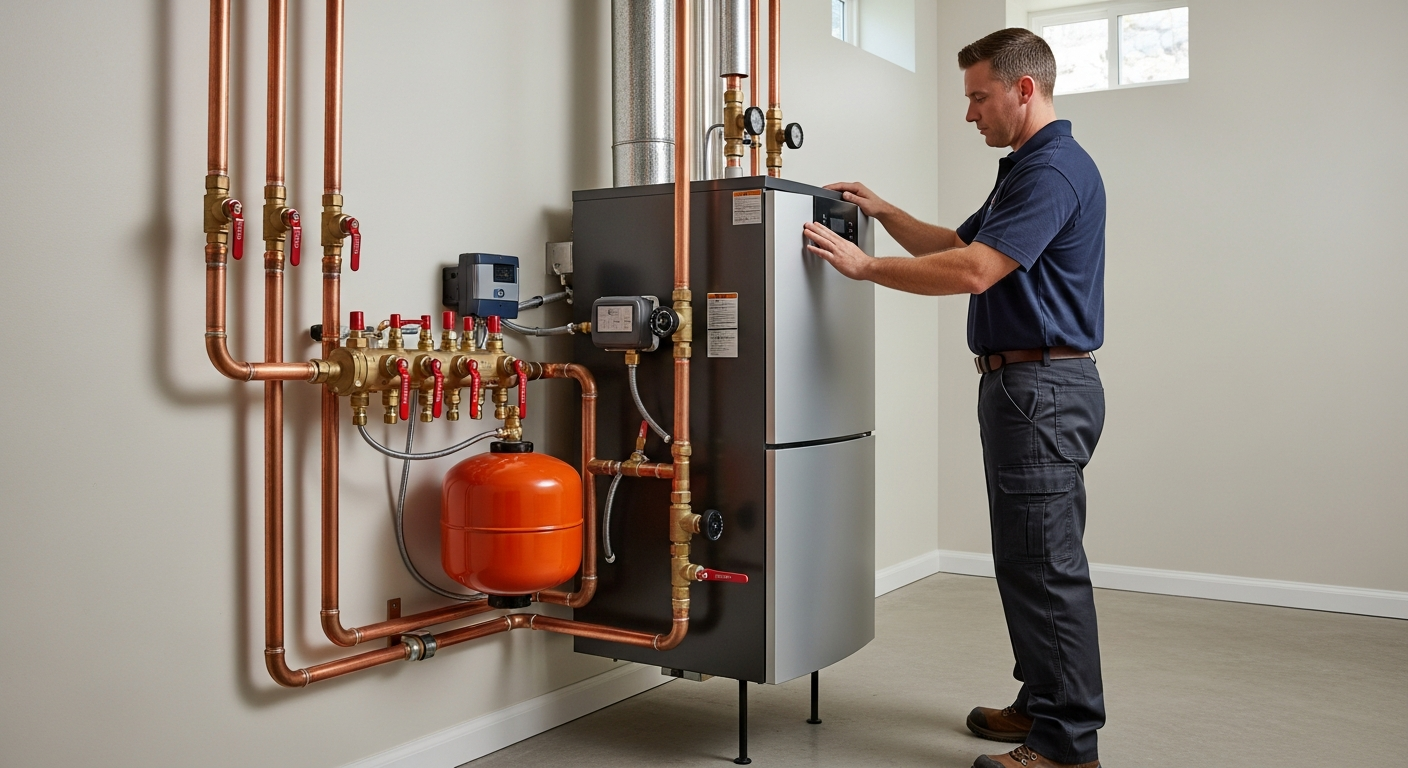
Expect to pay $1,500–$4,500 for a pro-installed makeup air unit. Discover passive vs. tempered options, code triggers, and money-saving decision rules.