How Often Should You Service Your AC
Yearly AC service prevents breakdowns and saves 5–15% on energy bills. Use our decision tool and checklist to time your tune-up and hire with confidence.
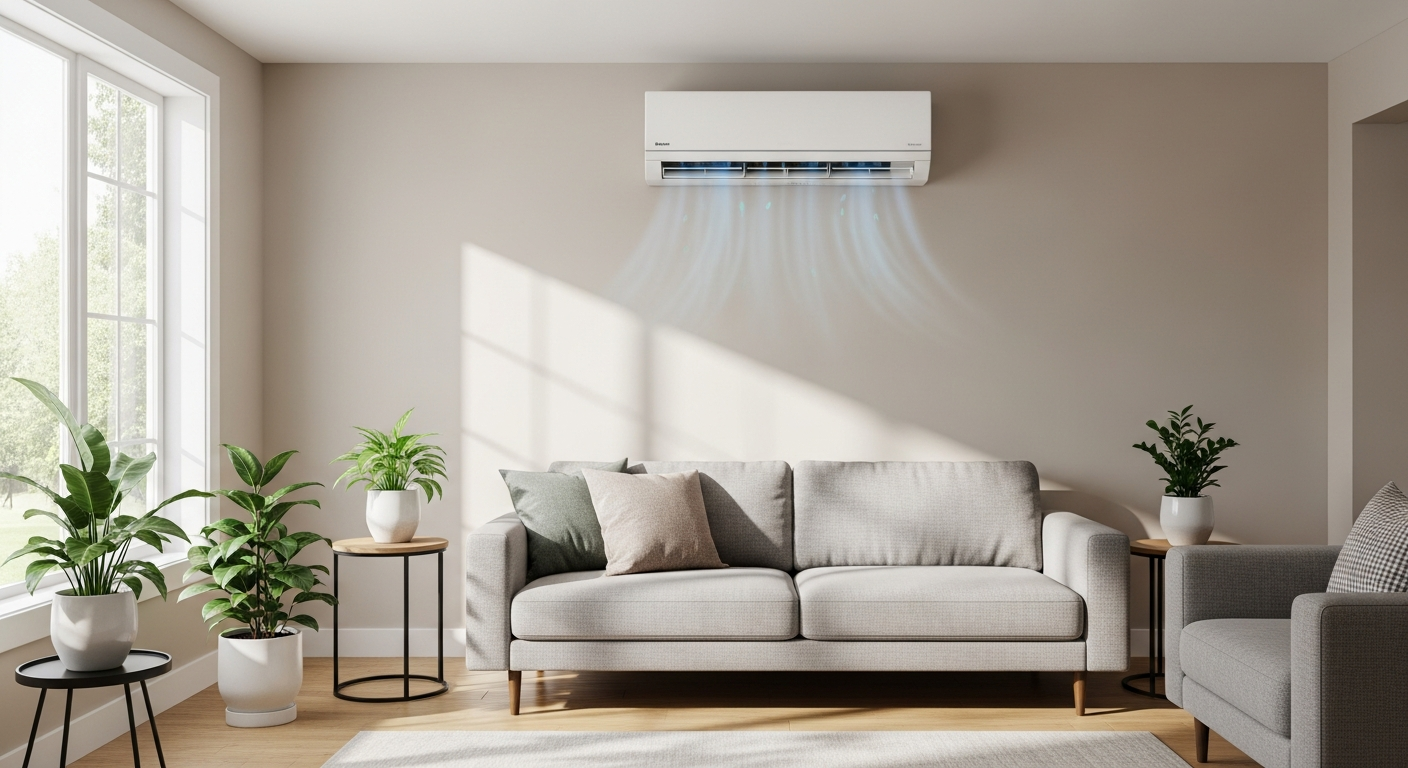
Annual professional service is non-negotiable for reliability and efficiency.
A yearly HVAC tune-up costs $80–$250 and pays for itself in energy savings and deferred breakdowns. DIY filter changes complement, not replace, a technician’s expert eye.
What Matters Most
- Schedule a tune-up every spring for cooling-only systems; twice a year for heat pumps or harsh environments.
- Change filters monthly and keep the outdoor unit free of debris—these two actions prevent 40% of service calls.
- Use a written checklist to compare contractor proposals; never accept a ‘top-off’ without a leak repair.
- Watch for warning signs like ice, odd noises, or rising bills—they signal immediate need for service.
Strengths
- Prevents 80% of mid‑summer breakdowns by replacing wear parts before they fail
- Maintains SEER2 efficiency, keeping energy bills low year after year
- Improves indoor air quality by clearing condensate and mold-prone drains
- Extends equipment lifespan by 15–40% compared to neglected units
Weaknesses
- Annual cost of $150–$500 (depending on plan) can feel steep, but it’s far cheaper than a $3,000 compressor failure
- Not all contractors are equal; some skip coil cleaning, so written confirmation is essential
- In mild climates with low usage, a basic check may suffice—watch for upselling of unnecessary services
How Often Should You Service Your AC?
| Scenario | Usually do | Why |
|---|---|---|
| Standard single-family home with moderate climate | Annual spring tune-up | Catches capacitor wear, dirty coils, and low refrigerant before peak load |
| High-usage, pet-rich, or dusty region | Twice a year (spring + fall) | Filters and coils clog faster; bi-annual attention prevents airflow drop and freeze-ups |
| Coastal or salt-air exposure | Every 6 months + protective coating | Salt accelerates corrosion on fins and electrical connections; inspections catch damage early |
| Older unit (10+ years) or heat pump | Twice a year plus performance audit every 2-3 years | Aging parts fail abruptly; audits detect duct leaks and efficiency gaps before replacement is forced |
Quick Answer
Schedule a professional AC tune-up once a year, ideally in spring before cooling season starts. In dusty, coastal, pet-heavy, or high-usage homes, consider a second service every 6 months. DIY filter changes monthly (or as needed) keep airflow high, but the annual check by a licensed technician catches hidden issues that cost thousands later.
The Annual Tune-Up: What’s Included and Why It Matters
An air conditioner that runs without annual service loses about 5% efficiency each year, forcing your system to work harder and raising utility bills. A professional tune-up typically includes:
- Cleaning evaporator and condenser coils (dirty coils can spike energy use 30%)
- Clearing condensate drains to prevent water damage and mold
- Checking refrigerant levels (pro-only; low charge indicates a leak)
- Inspecting and tightening electrical connections (lose wiring is a fire risk)
- Testing capacitors and contactors (wear items that cause 80% of no-cool calls)
- Lubricating motors and verifying blower amp draw
- Calibrating thermostat and evaluating overall system performance
These tasks restore lost efficiency, lower your cost to run a central air conditioner, and drastically reduce surprise breakdowns.
| Service Type | Typical Cost Range* | What's Included | Best For |
|---|---|---|---|
| Basic Tune-Up | $80 – $200 | Coil cleaning, drain clear, filter check, safety inspection, amp draw test | Systems <5 years old, mostly cooling-only climates |
| Comprehensive Plan | $150 – $400 per visit (annual contracts $200–$500 for 1-2 visits) | All basic tasks + hard-start kit evaluation, duct static pressure test, refrigerant charge verification, capacitor/contactor testing | Heat pumps, multi-zone systems, older units, homes with high runtime |
| Performance Audit | $250 – $500 | Full system diagnostics, blower door test, duct leakage check, airflow balancing, infrared imaging | Persistent comfort issues, high bills, before a major repair/replace decision |
* Editorial estimate range – actual prices vary by region, system size, and contractor. Use our HVAC Cost Estimator for a localized idea.
Safety Boundaries: What Homeowners Should & Shouldn’t Touch
Safe DIY Tasks (no tools required beyond a screwdriver)
- Change or clean air filters – monthly in heavy-use seasons. See step-by-step filter guide.
- Keep outdoor unit clear – remove leaves, grass clippings, and debris within 2 feet.
- Gently rinse condenser coils with a garden hose (power off unit first) – see coil cleaning instructions.
- Inspect condensate drain pan for standing water – see drain pan maintenance.
- Check thermostat operation – replace batteries, verify scheduled programming.
Pro-Only Work (do not attempt)
- Adding or removing refrigerant – EPA certification required, and gauges risk system damage.
- Opening the electrical panel – high-voltage capacitors retain charge even when power is off.
- Compressor, condenser fan motor, or control board replacement – specialized diagnosis needed.
- Brazing copper lines – requires nitrogen purge and vacuum pump to avoid moisture contamination.
- Testing combustion for gas furnaces – CO risk and specific instruments mandatory.
Decision Rules: Is It Time for a Tune-Up?
If you answer yes to any of these, schedule service now:
- Last professional visit was more than 12 months ago (or 6 months in harsh conditions).
- Monthly electric bill jumped 20% or more compared to same period last year, without rate changes.
- You notice hot/cold spots between rooms or weak airflow from vents.
- Strange noises: grinding, screeching, banging, or persistent clicking.
- Ice visible on refrigerant lines or on the indoor coil (turn off AC and call immediately).
- Frequent breaker trips traced to the AC circuit.
- Thermostat reaches set point but air feels humid or smells musty.
- The outdoor unit cycles on/off every few minutes (short cycling).
For units over 10 years old or in coastal/burial environments, consider a spring + fall plan, or at least a Repair or Replace assessment.
Cost & Tools to Budget Smartly
Service costs vary, but transparency saves money. Use these HVACDatabase tools before calling a contractor:
- HVAC Cost Estimator – get a price ballpark for your ZIP code and system type.
- Quote Checker – upload a proposal; we highlight overcharges and missing items.
- Repair or Replace Calculator – if repairs exceed 50% of a new system, replacement often wins.
- Maintenance Reminders – never miss a filter change or annual service again.
Smart tip: Signing an annual maintenance contract often secures priority scheduling and 10–15% off repairs. Always compare 2-3 proposals via Contractor Comparison.
Adjust Service Frequency by Climate & Home
- Hot, humid (Gulf Coast, Florida, etc.): Condensate drains clog faster; coils foul quickly. Service twice a year, including a mid-summer drain flush.
- Dusty, wildfire-prone (Southwest, California): Dry air carries fine dust that coats coils. Check filters monthly; annual deep cleaning of coils is non-negotiable.
- Coastal, salt air: Salt accelerates corrosion on aluminum fins and electrical contacts. Apply protective coatings and inspect every 6 months.
- Cold climates (heat pump): The outdoor unit runs year-round. Service in early fall and again before spring to handle both heating and cooling loads.
- Older homes with leaky ducts: Consider a performance audit every 2–3 years; duct sealing may save more than a tune-up alone.
Contractor Hiring Checklist
Before approving work, ask these questions (and get answers in writing):
- Are you licensed, insured, and bonded for HVAC work in my state? (Verify license online.)
- Does your technician hold NATE or similar certification?
- Will you provide a printed checklist of exactly what the tune-up includes?
- What is the cost for a diagnostic visit if no repair is needed today? (Standard: $80–200)
- If you find a refrigerant leak, what is your protocol – will you repair or just top-off? (EPA prohibits topping off without fixing leaks.)
- Do you recommend a hard-start kit, surge protector, or contactor replacement? Why? Get a written reasons before agreeing.
- Is there a discount for signing an annual service agreement today? (Aim for 10%+.)
- How do you handle emergency after-hours calls? What’s the fee? (Link to Emergency HVAC options.)
- Can you reference three customers with similar systems I can contact?
- What warranty do you offer on labor and parts used during service?
Search HVACDatabase pros and read verified reviews to narrow your list.
Methodology
This guide is built from industry standards (ACCA/ANSI), manufacturer maintenance intervals, and pricing analysis across the US. Cost ranges reflect editorial estimates derived from national survey data, regional multipliers, and HVACDatabase cost tool trends; they are not guaranteed quotes. Service frequency recommendations are general; always consult your owner’s manual and local climate factors. All safety boundaries follow EPA Section 608 and manufacturer warnings—no DIY instructions for hazardous tasks are provided.
Frequently Asked Questions
1. Can I skip a year if my AC ran fine last summer?
Skipping a year risks a 5–10% efficiency loss and hides wear on capacitors and contactors. Most no-cool breakdowns happen on the hottest day when the system has been neglected. A $150 tune-up is far cheaper than a $1,500 compressor replacement.
2. How long does a professional tune-up take?
Plan on 1–2 hours for a thorough visit. Larger homes with multiple systems or heat pumps may require 2–3 hours. Performance audits can take 3–5 hours.
3. Does a newer AC need as much service?
Newer units benefit just as much. In fact, skipping service can void some manufacturer warranties, which often require annual professional maintenance. Always check your warranty terms.
4. What’s the #1 reason ACs fail during summer?
Dirty condenser coils and failed capacitors cause over 75% of emergency calls. Both are caught during a standard tune-up. Don’t wait until it’s 95°F and the unit won’t start.
5. How can I verify the technician actually did the work?
Request a digital report with photos of coil condition before/after, refrigerant pressures (with acceptable ranges noted), amp draws, and any fault codes. A reputable contractor will provide this without hesitation. Use our quote checker if you’re unsure.
Related articles
Connect this page to adjacent guides so readers keep moving deeper into the topic cluster.

Tips for Choosing a Smart Thermostat for a Heat Pump
Learn which smart thermostat features prevent expensive auxiliary heat mistakes, how to verify compatibility, and when to call a pro.

Understanding C Wire Adapters for Smart Thermostats
Missing the C wire for your smart thermostat? C wire adapters solve power issues without pulling new wiring. Compare types, costs, and installation options.

Best Smart Thermostats for Multi Zone Homes
Discover which smart thermostats deliver accurate zoning, remote sensors, and energy savings for homes with multiple HVAC zones. Our guide helps you pick the right model and avoid costly compatibility mistakes.